🍃 Ultimate Guide to Round-Leaved Everlasting
Helichrysum orbicularifolium
By the Greg Editorial Team
Feb 19, 2025•11 min read
This article was created with the help of AI so we can cover more plants for you. May contain errors. See one? Report it here.
- 🌞 Round-Leaved Everlasting thrives in full sun and well-draining sandy or rocky soil.
- 🌱 Proper spacing of 12-18 inches ensures healthy growth and air circulation.
- 💧 Regular watering is vital until established; avoid overwatering to prevent root rot.
How to Grow
🌞 Choosing a Location
To thrive, Round-Leaved Everlasting prefers full sun to partial shade. It flourishes in well-draining, sandy, or rocky soil, so choose a spot that meets these conditions.
Ensure you provide adequate spacing between plants to promote air circulation. This helps prevent diseases and allows each plant to grow to its full potential.
🌱 Soil Preparation
Aim for a soil pH that is slightly acidic to neutral, ideally between 6.0 and 7.0. Testing your soil beforehand can help you determine if amendments are necessary.
Incorporate organic matter into the soil to improve drainage. This will create a healthy environment for your plants to establish strong roots.
🌿 Planting Techniques
When planting, dig holes that are 1-2 inches deep. This depth allows the roots to establish while keeping the plant stable.
Space your plants 12-18 inches apart for optimal growth. This distance ensures they have enough room to expand without competing for resources.
💧 Watering Requirements
Water your Round-Leaved Everlasting regularly until the plants are established. Once they’re settled, you can reduce the frequency of watering.
Watch for signs of overwatering, such as yellowing leaves or wilting. These symptoms indicate that your plants may be receiving too much moisture.
🌼 Fertilizing Tips
Use a balanced, slow-release fertilizer to nourish your plants. This type of fertilizer provides essential nutrients over time, promoting healthy growth.
Fertilize in early spring, just before new growth begins. This timing ensures your plants have the nutrients they need to thrive.
✂️ Pruning and Ongoing Care
Regularly prune your plants by removing dead or damaged leaves. This practice encourages new growth and keeps your plants looking their best.
Make it a habit to check for pests and diseases. Early detection can help you manage any issues before they become serious problems.
🪴 Outdoor vs. Container Growing
If you choose to grow Round-Leaved Everlasting in containers, select pots with drainage holes. This prevents water from accumulating and causing root rot.
For outdoor growing, ensure your plants receive proper spacing and sunlight exposure. This will help them flourish in their natural environment.
With these guidelines, you’re well on your way to successfully growing Round-Leaved Everlasting. Next, let’s explore how to propagate this resilient plant for even more beauty in your garden.
Propagation
🌱 Seed Propagation
Sowing seeds for Round-Leaved Everlasting is best done in spring, right after the last frost. Expect germination to take between 14 to 30 days, so patience is key as you watch for those first sprouts.
🌿 Division of Established Plants
If you have established plants, the ideal time for division is early spring or fall. To propagate, carefully separate the clumps and replant them in well-prepared soil, ensuring they have enough space to thrive.
✂️ Cuttings Method
For those who prefer cuttings, select healthy stems that are about 4 to 6 inches long. Use a rooting medium that combines peat and perlite to encourage strong root development.
This propagation section sets the stage for understanding how to expand your Round-Leaved Everlasting collection. Next, let’s explore the lifecycle of this resilient perennial.
Lifecycle
Lifecycle Stages 🌱
Round-Leaved Everlasting is a perennial plant, meaning it lives for multiple years. Its lifecycle consists of several distinct stages: germination, seedling, vegetative growth, flowering, and seed production.
During germination, seeds awaken from dormancy, typically sprouting in the spring. The seedling stage follows, where young plants develop their first true leaves and establish roots.
As the plant enters vegetative growth, it focuses on building a robust structure. This stage is crucial for energy accumulation, preparing the plant for the vibrant flowering phase that attracts pollinators.
Once flowering occurs, the plant showcases its unique blooms, which are not only visually appealing but also vital for reproduction. After successful pollination, the plant produces seeds, ensuring the continuation of its lifecycle.
Lifespan and Growth Rate ⏳
The lifespan of Round-Leaved Everlasting ranges from 3 to 5 years, depending on environmental conditions. It has a moderate growth rate, typically reaching maturity within 2 to 3 years.
This growth rate allows gardeners to enjoy its beauty relatively quickly, making it a rewarding addition to any garden. Understanding these lifecycle stages helps in providing the right care at each phase, ensuring a thriving plant.
With a solid grasp of its lifecycle, you can now explore how to propagate Round-Leaved Everlasting effectively.
Size
Mature Height and Spread 🌱
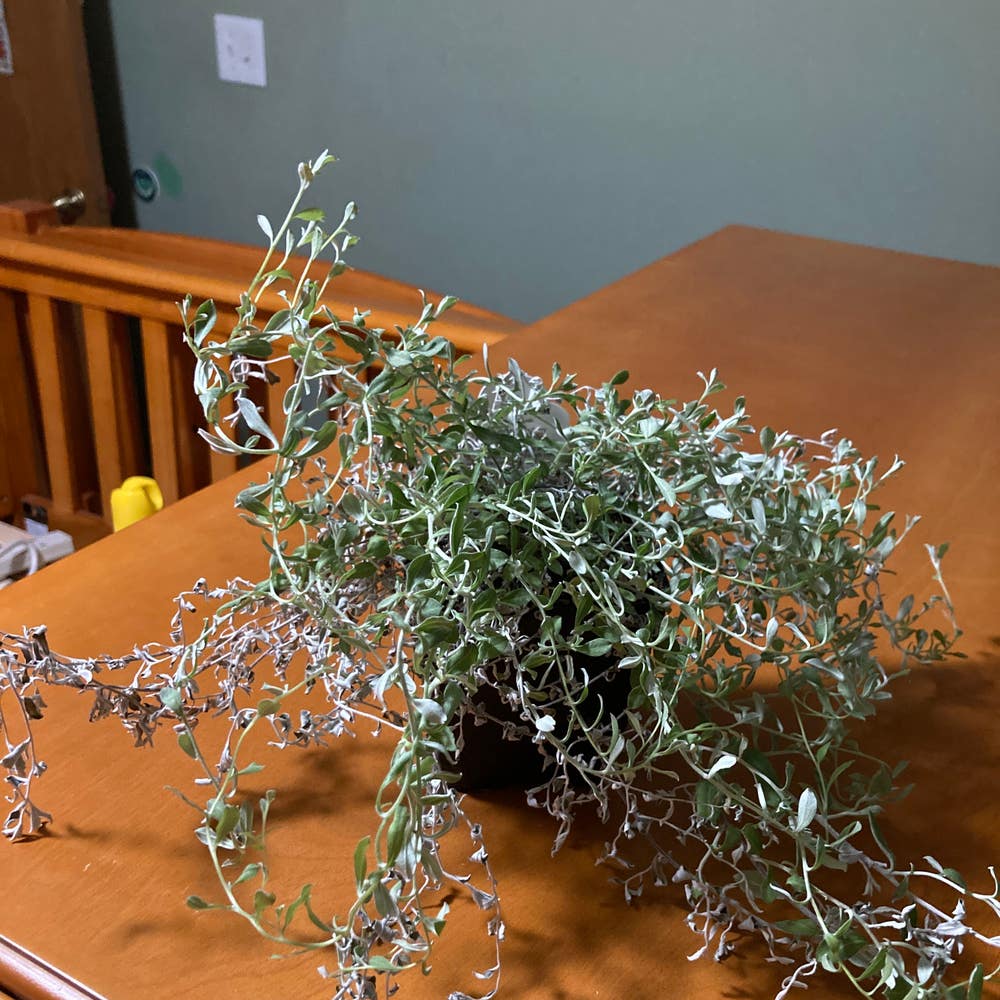
Round-Leaved Everlasting typically reaches a mature height of 12-18 inches. Its spread can extend from 12 to 24 inches, making it a versatile choice for various garden layouts.
Growth Rate and Size Variability 📈
This plant exhibits a moderate growth rate, which can be influenced by soil quality and light exposure. Size variability is common, as environmental factors play a significant role in determining how large your plants will grow.
Understanding these size characteristics can help you plan your garden effectively. Whether you're looking to fill a space or create a striking focal point, knowing what to expect from your Round-Leaved Everlasting is essential.
As you consider planting, remember that the right conditions can enhance growth and ensure your plants thrive. Next, let’s explore the fascinating lifecycle of the Round-Leaved Everlasting.
Roots
Root System Characteristics 🌱
Round-Leaved Everlasting features a fibrous root system that spreads horizontally. These roots typically grow shallow, reaching depths of only 6-12 inches, but can extend outward 12-24 inches.
Common Root-Related Issues ⚠️
One of the most common issues with roots is root rot, which occurs due to overwatering. To prevent this, ensure your plants have good drainage.
Identifying healthy roots is crucial for plant health. Healthy roots are firm and light-colored, while unhealthy roots appear dark and mushy, indicating potential problems.
Understanding these root characteristics and issues can help you maintain a thriving Round-Leaved Everlasting. Next, let’s explore the plant's lifecycle and what to expect as it grows.
Benefits
Top 5 Benefits 🌟
Round-Leaved Everlasting is not just a pretty face in the garden; it offers a plethora of benefits that make it a must-have for any plant enthusiast.
1. Attracts Pollinators
This plant is a magnet for pollinators like bees and butterflies. By adding it to your garden, you're not only enhancing its beauty but also supporting local ecosystems.
2. Unique Flower Heads
The distinctive flower heads of Round-Leaved Everlasting provide visual interest throughout the growing season. Their unique appearance can serve as a conversation starter in any garden setting.
3. Drought Tolerance
Adapted to thrive in dry conditions, this plant requires less water than many others. This makes it an excellent choice for water-wise gardening, especially in arid regions.
4. Medicinal History
Historically, Round-Leaved Everlasting has been used for various medicinal purposes. Its rich history adds a layer of intrigue and value to your garden.
5. Symbol of Resilience
This plant represents resilience and adaptability, qualities celebrated in many native cultures. By growing it, you connect with a deeper narrative of survival and strength in nature.
Incorporating Round-Leaved Everlasting into your garden not only beautifies your space but also contributes positively to the environment and cultural heritage. Next, let’s explore how to propagate this resilient plant effectively.
Companion Plants
Best Companion Plants 🌼
When growing Round-Leaved Everlasting, consider pairing it with plants like Lavender, Yarrow, and Coneflower. These companions not only thrive in similar conditions but also help repel pests, creating a harmonious garden environment.
Plants to Avoid 🚫
On the flip side, steer clear of heavy feeders such as tomatoes. These plants compete for nutrients, which can hinder the growth of your Round-Leaved Everlasting and lead to disappointing results.
By choosing the right companions, you can enhance the health and beauty of your garden while ensuring your Round-Leaved Everlasting flourishes. Next, let’s explore the potential toxicity of this plant to humans, dogs, and cats.
Toxicity to Humans
Safety Profile 🌱
Round-Leaved Everlasting is generally safe for humans. It’s not listed as toxic by major poison control centers, which is a relief for those who love to garden.
Potential Minor Issues ⚠️
However, there are a few things to keep in mind. Consuming large quantities may lead to mild skin irritation or digestive discomfort.
Caution 🚨
Always exercise caution with any plant. If you experience unusual symptoms, it’s wise to seek medical advice.
This plant can be a delightful addition to your garden without the worry of toxicity. Now that you know about its safety, let’s explore how it interacts with our furry friends!
Toxicity to Dogs
Safety for Dogs 🐶
Round-Leaved Everlasting is not considered toxic according to major pet poison control centers. This means your furry friends can safely roam around these plants without the risk of serious harm.
Potential Minor Issues ⚠️
However, if dogs consume large quantities, they may experience mild gastrointestinal upset. It's always a good idea to keep an eye on their behavior and ensure they don't munch too much on your garden.
Tips for Pet Owners 📝
To prevent any potential issues, keep Round-Leaved Everlasting out of reach of your pets. Monitoring their interactions with the plant can help you catch any unusual behavior early on.
In summary, while Round-Leaved Everlasting poses minimal risk to dogs, a little caution goes a long way in ensuring their safety. Now, let's explore how this plant interacts with our feline friends.
Toxicity to Cats
Safety for Cats 🐱
When it comes to Round-Leaved Everlasting, you can breathe easy—it's not toxic to cats according to major pet poison control centers. This means your feline friends can roam around your garden without the risk of serious harm.
Potential Minor Issues ⚠️
However, if your cat decides to nibble on the leaves, there might be some minor gastrointestinal upset if they consume large quantities. It's always a good idea to keep an eye on their behavior just in case.
Tips for Cat Owners 📝
To ensure your cat stays safe, monitor their interactions with the plant and discourage any munching. A little vigilance goes a long way in keeping both your plants and pets happy.
As you explore the benefits of Round-Leaved Everlasting, remember that while it's safe for cats, it's wise to be cautious with any plant in your home or garden. Now, let’s dive into the common problems you might encounter while growing this resilient perennial.
Problems
🌱 Common Problems with Round-Leaved Everlasting
Growing Round-Leaved Everlasting can be rewarding, but it’s essential to be aware of potential problems that may arise. Here are some common issues to watch for:
💧 Incorrect Watering
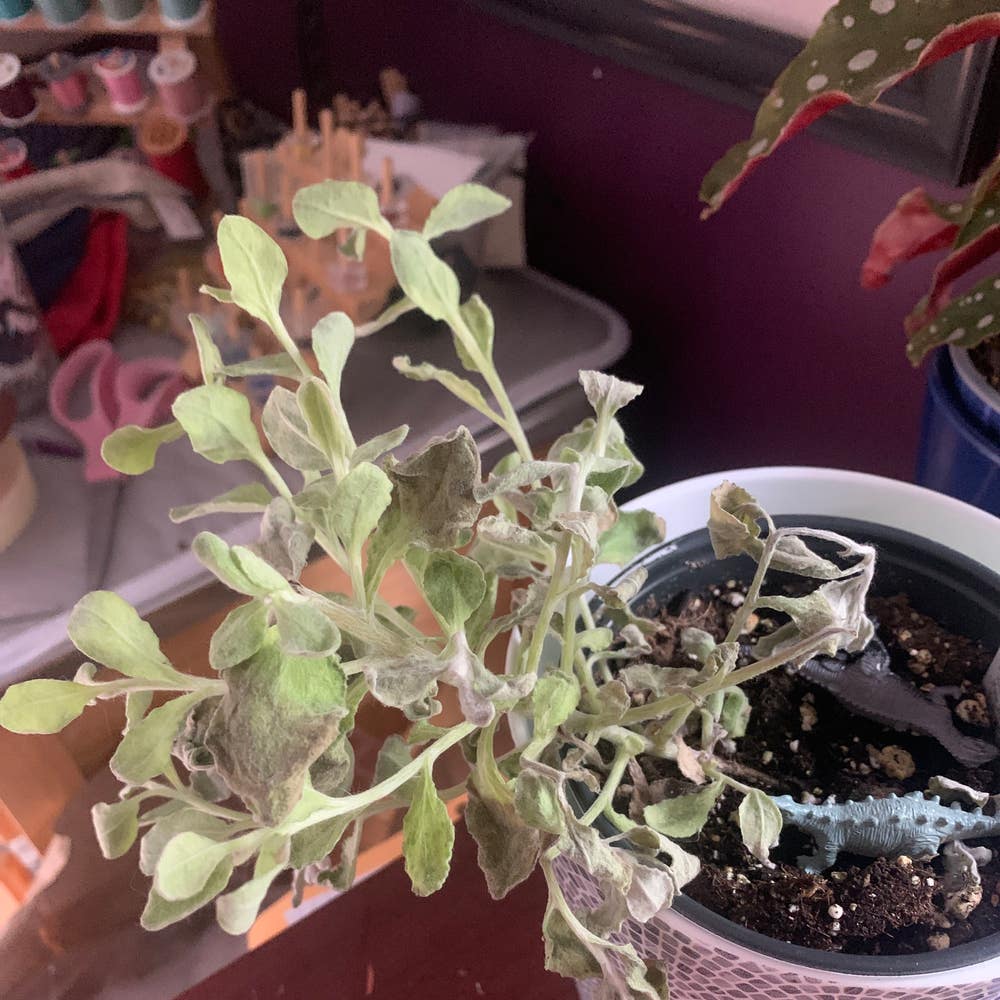
Watering is crucial for plant health. Overwatering can lead to yellowing leaves, while underwatering often results in wilting.
☀️ Incorrect Light Conditions
Light plays a significant role in growth. Insufficient light can cause leggy growth, while too much direct sunlight may lead to leaf scorch.
🦠 Diseases
Round-Leaved Everlasting can be susceptible to several diseases. Keep an eye out for powdery mildew, rust, and blight, which can affect overall plant health.
🌿 Root Problems
Root health is vital for stability and nutrient uptake. Root rot, often caused by overwatering, leads to squishy roots that can jeopardize your plant's survival.
🔍 Identifying Symptoms
Recognizing symptoms early can save your plant. Yellowing leaves typically indicate overwatering, while wilting suggests it’s time to water.
By staying vigilant and addressing these common problems, you can ensure your Round-Leaved Everlasting thrives in your garden. Next, let’s explore the potential pest issues that may affect your plants.
Bugs
Potential Pest Issues 🐜
Round-Leaved Everlasting is generally known for its moderate pest resistance, but it can still fall prey to a few common nuisances. Keeping an eye out for these pests can help you maintain a healthy plant.
Common Pests 🐞
Spider Mites: These tiny pests can be a real headache. Look for fine webbing on the leaves and stippled patterns that indicate their presence.
Aphids: Another common foe, aphids can cause significant damage. You might notice sticky residue on the leaves and curled foliage, which are telltale signs of an infestation.
Identification Tips 🔍
Identifying these pests early is crucial for effective management. For spider mites, check for webbing and discoloration on the leaves. If you see sticky spots or curled leaves, it’s time to investigate for aphids.
Management Strategies 🛠️
To combat these pests, consider using insecticidal soap or neem oil. Regularly inspecting your plants and maintaining good air circulation can also deter infestations.
Conclusion 📜
By staying vigilant and addressing pest issues promptly, you can ensure your Round-Leaved Everlasting thrives. Next, let’s explore what animals might be interested in munching on your plants.
What Eats
Common Animals 🦌
Round-Leaved Everlasting can attract a variety of wildlife, including deer, rabbits, squirrels, and rodents. These animals may find the plant's foliage appealing, leading to potential damage.
Signs of Presence 🐾
Keep an eye out for tracks, droppings, and chewed leaves as indicators of these critters. Noticing these signs can help you take action before significant harm occurs.
Deterrent Methods 🚫
To protect your plants, consider implementing several deterrent strategies:
- Fencing: A sturdy fence can keep larger animals like deer and rabbits at bay.
- Repellents: Use commercial or homemade repellents to deter smaller pests.
- Companion Planting: Pairing Round-Leaved Everlasting with certain plants can naturally repel unwanted visitors.
By being proactive, you can enjoy the beauty of your Round-Leaved Everlasting while minimizing the impact of hungry animals. Next, let’s explore the potential pest issues that can affect your plants.
⚠️ Safety First
This content is for general information and may contain errors, omissions, or outdated details. It is not medical, veterinary advice, or an endorsement of therapeutic claims.
Always consult a qualified healthcare professional before using any plant as food, medicine, or supplement.
Never eat any plant (or feed one to pets) without confirming its identity with at least two trusted sources.
If you suspect poisoning, call Poison Control (800) 222-1222, the Pet Poison Helpline (800) 213-6680, or your local emergency service immediately.
Spotted an error? Please report it here.
Transform your garden with thriving Round-Leaved Everlasting 🌼 by using Greg's tailored care reminders and expert tips to help your plants flourish effortlessly!