🌹 Everything You Need to Know About Rose Verbena
Verbena canadensis 'Homestead Purple'
By the Greg Editorial Team
Jan 24, 2025•11 min read
This article was created with the help of AI so we can cover more plants for you. May contain errors. See one? Report it here.
- 🌞 Rose verbena needs 6-8 hours of sunlight daily for optimal growth.
- 🌱 Well-draining sandy loam with pH 6.0-7.0 is ideal for planting.
- 💧 Water when the top inch is dry to prevent root rot.
How to Grow
Choosing a Location 🌞
To thrive, rose verbena needs full sun, soaking up 6 to 8 hours of sunlight daily. Ensure you choose a location that allows for spreading and airflow, as this will help the plant flourish.
Soil Preparation 🌱
For optimal growth, plant rose verbena in well-draining sandy loam. The ideal soil pH should be slightly acidic to neutral, ranging from 6.0 to 7.0.
Planting Techniques 🌼
When planting, dig a hole that is 1 to 2 inches deep. Space your plants 12 to 18 inches apart to give them room to grow and breathe.
Watering Requirements 💧
Water your rose verbena when the top inch of soil feels dry to the touch. Drip irrigation or soaker hoses are preferred methods, ensuring consistent moisture without overwatering.
Fertilizing Tips 🌿
Use a balanced NPK fertilizer, such as 10-10-10, or organic compost to nourish your plants. Fertilize every 4 to 6 weeks during the growing season for best results.
Pruning and Ongoing Care ✂️
Regular deadheading is essential; remove spent flowers to encourage new blooms. Additionally, keep an eye out for pests and diseases to maintain the health of your plants.
With these tips, you’re well on your way to cultivating beautiful rose verbena. Next, let’s explore how to propagate this stunning plant for even more blooms in your garden.
Propagation
Seed Propagation 🌱
To start your rose verbena from seeds, sow them indoors about 8-10 weeks before the last frost. Aim for a consistent temperature of 70°F (21°C) to encourage germination.
Cutting Propagation ✂️
For those who prefer cuttings, select healthy stems that are 4-6 inches long. Use a rooting medium that combines peat and perlite for the best results.
Rooting Time ⏳
Expect rooting to take about 2-4 weeks in a warm, humid environment. This method can be a rewarding way to expand your garden with new plants.
Propagation is a fantastic way to multiply your rose verbena and share it with friends. Next, let’s explore the lifecycle of this vibrant plant and what to expect as it grows.
Lifecycle
Lifecycle Stages 🌱
Rose verbena can be classified as either an annual or perennial plant, depending on the climate in which it is grown. The lifecycle includes several key stages: seed or cutting, germination, seedling, vegetative growth, flowering, and seed production.
Germination and Seedling Stage 🌼
Germination typically takes between 7 to 14 days, making it a relatively quick process. During the seedling stage, it's crucial to maintain moisture and provide adequate light to support healthy growth.
Growth Timeline 📈
Once planted, rose verbena usually takes about 12 to 16 weeks to reach full maturity. The growth rate can vary from moderate to fast, influenced by factors such as soil quality, water availability, and sunlight exposure.
This lifecycle understanding is essential for successful cultivation, ensuring that you provide the right conditions at each stage. Next, let's explore the size of mature rose verbena plants and what to expect as they grow.
Size
Mature Height and Spread 🌱
Rose verbena typically reaches a mature height of 24 to 36 inches. Its spread can range from 18 to 24 inches, making it a lovely addition to any garden.
Growth Rate and Size Variability 📈
This plant exhibits a moderate growth rate, which can vary based on care and environmental conditions. Factors such as soil quality, water availability, and sunlight exposure significantly influence its overall size.
Understanding Size Variability 🔍
When growing rose verbena, keep in mind that optimal conditions lead to the best results. Providing adequate sunlight and well-draining soil can enhance its growth potential.
Practical Implications of Size 🏡
The size of rose verbena makes it versatile for various landscaping uses. Whether as a border plant or in containers, its dimensions allow for creative arrangements in your garden.
Transition to the Next Section 🔄
Now that you understand the size characteristics of rose verbena, let’s explore its root system and the common issues that can arise.
Roots
Characteristics of the Root System 🌱
Rose verbena features a fibrous root system that is typically shallow. These roots spread horizontally, allowing the plant to absorb nutrients and water efficiently.
Common Root-Related Issues ⚠️
One of the most common problems is root rot, which occurs due to overwatering. Symptoms include wilting and yellowing leaves, signaling that the roots are struggling.
Another issue is being rootbound, especially in container gardens. This happens when the roots circle the pot, limiting growth and nutrient uptake.
Visual Cues for Healthy vs. Unhealthy Roots 👀
Healthy roots are firm, white, and spread out, indicating a thriving plant. In contrast, unhealthy roots appear dark, mushy, or foul-smelling, which can be a sign of serious problems.
Understanding these root characteristics and issues is crucial for maintaining healthy rose verbena plants. By keeping an eye on root health, you can ensure your plants flourish and contribute to a vibrant garden.
Next, we’ll explore the various benefits of growing rose verbena, highlighting why this plant deserves a spot in your garden.
Benefits
Aesthetic Appeal 🌸
Rose verbena is a showstopper in any garden. Its bright, colorful flowers can instantly elevate the beauty of your outdoor space.
Attracts Pollinators 🐝
This plant is a magnet for pollinators, especially bees and butterflies. By planting rose verbena, you contribute to the health of local ecosystems.
Drought-Tolerant 💧
Once established, rose verbena is remarkably drought-tolerant. This means less frequent watering, making it a low-maintenance choice for busy gardeners.
Medicinal Uses 🌿
Historically, rose verbena has been valued for its calming properties. It has been used in herbal remedies to promote relaxation and alleviate stress.
Versatile in Landscaping 🌼
Rose verbena is incredibly versatile. Whether you use it in borders, containers, or as ground cover, it adapts beautifully to various landscaping needs.
These benefits make rose verbena a fantastic addition to any garden. Its combination of beauty, practicality, and ecological support is hard to beat.
Companion Plants
🌱 Explanation of Companion Planting
Companion planting is a gardening technique that enhances plant diversity and promotes healthier growth. By strategically placing plants together, you can improve pest management and boost overall garden health.
🌼 Best Companion Plants
When growing rose verbena, consider these excellent companions:
Lavender
Lavender thrives in similar conditions as rose verbena, making it a perfect match. Both plants attract pollinators, enhancing your garden's ecosystem.
Marigolds
These vibrant flowers not only add color but also possess pest-repellent properties. Planting marigolds alongside rose verbena can help keep unwanted insects at bay.
Salvia
Salvia complements the growth habits of rose verbena and attracts beneficial insects. This partnership can lead to a more vibrant and productive garden.
🚫 Plants to Avoid
While companion planting can be beneficial, some plants should be avoided:
High Water Needs
Plants that require a lot of water can lead to overwatering issues for rose verbena. This can create an environment ripe for root rot.
Aggressive Growers
Avoid planting aggressive growers near rose verbena, as they may compete for nutrients and space. This competition can stunt the growth of your verbena and diminish its blooms.
By carefully selecting companion plants, you can create a thriving garden that supports the health and beauty of your rose verbena. Next, let’s explore the potential toxicity of rose verbena to humans and pets.
Toxicity to Humans
Rose verbena is a non-toxic plant, meaning it’s not listed as harmful by major poison control centers. This makes it a safe choice for gardens, especially if you have kids or pets roaming around.
However, like many plants, it can cause minor issues if ingested in large quantities. You might experience mild skin irritation or digestive discomfort, so it's wise to exercise caution.
If you notice any unusual symptoms after contact or ingestion, seek medical advice. It’s always better to be safe and informed when it comes to plant interactions.
In summary, while rose verbena is generally safe, a little mindfulness goes a long way in ensuring a pleasant gardening experience. Now, let’s explore how this beautiful plant can fit into your garden design!
Toxicity to Dogs
When it comes to rose verbena, dog owners can breathe a sigh of relief. This plant is not listed as toxic by major pet poison control centers, making it a safe choice for your garden.
However, moderation is key. While rose verbena is generally safe, excessive consumption can lead to mild gastrointestinal upset in dogs.
🐶 Tips for Safe Planting
To ensure your furry friends stay safe around rose verbena, consider these simple tips:
Proper Placement: Plant rose verbena in areas that are less accessible to your dog. This can help minimize any potential nibbling.
Monitoring Behavior: Keep an eye on your dog's behavior around the plant. If they show unusual interest, gently redirect them.
By taking these precautions, you can enjoy the beauty of rose verbena without worrying about your dog's health.
Next, let’s explore how rose verbena affects our feline friends.
Toxicity to Cats
Rose verbena is a safe choice for cat owners. It is not listed as toxic by major pet poison control centers, allowing you to enjoy this beautiful plant without worry.
However, like many plants, excessive consumption can lead to mild gastrointestinal upset. Keep an eye on your feline friends to ensure they don’t munch too much.
🐾 Tips for Safe Placement
To minimize any potential issues, consider these simple tips:
- Location: Place rose verbena in areas that are less accessible to your cats.
- Monitoring: Regularly check your cat's behavior around the plant to ensure they’re not overly curious.
With these precautions, you can enjoy the vibrant blooms of rose verbena while keeping your furry companions safe. Next, let’s explore the common problems you might face when growing this lovely plant.
Problems
Common Problems Faced 🌱
Growing Rose Verbena can be rewarding, but it comes with its share of challenges.
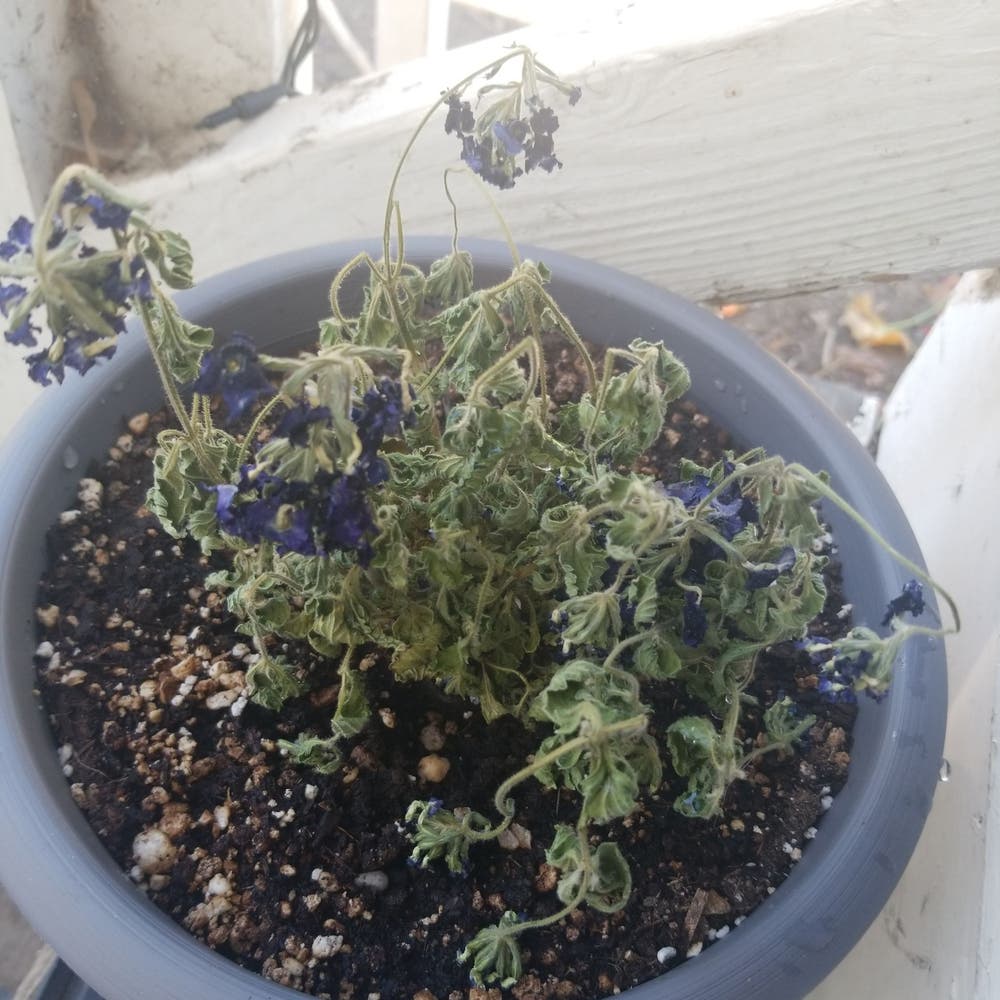
Incorrect watering is a primary issue; overwatering can lead to root rot, while underwatering results in wilting.
Incorrect light conditions can also hinder growth; insufficient light often leads to leggy plants that stretch for the sun.
Additionally, diseases like powdery mildew and rust can plague your plants, affecting their health and appearance.
Identification and Resolution of Top 5 Issues 🔍
To keep your Rose Verbena thriving, it's crucial to recognize and address common problems promptly.
Overwatering: Look for yellowing leaves as a telltale sign. The solution? Reduce your watering frequency to allow the soil to dry out.
Underwatering: If you notice wilting leaves, it’s time to increase your watering.
Light issues: Leggy growth indicates your plant isn't getting enough light. Move it to a sunnier spot to encourage more robust growth.
Fungal diseases: White powdery spots on leaves signal fungal issues. Applying a fungicide can help control the spread.
Root problems: Squishy roots are a sign of trouble. Improve drainage and adjust your watering habits to keep roots healthy.
By staying vigilant and addressing these issues, you can ensure your Rose Verbena flourishes beautifully. Next, let’s explore the potential pests that could disrupt your garden’s harmony.
Bugs
🐞 Potential Pest Issues
Rose verbena is generally pest-resistant, making it a favorite among gardeners. However, it can still attract a few unwelcome guests that may disrupt its beauty.
🕷️ Common Pests
Spider Mites
Spider mites are tiny pests that can wreak havoc on your rose verbena. Look for signs like webbing and stippled leaves; if you spot them, increase humidity around the plant and consider using miticides for treatment.
🧼 Mealybugs
These pests appear as cottony masses on stems and can be quite a nuisance. To combat mealybugs, apply insecticidal soap to affected areas for effective control.
🐜 Aphids
Aphids are notorious for curling leaves and leaving a sticky residue behind. Treat these pests with neem oil or insecticidal soap to keep your rose verbena thriving.
🌱 Keeping Your Plants Healthy
Regularly inspect your plants for any signs of these pests. Early detection is key to maintaining the health and beauty of your rose verbena.
With proper care and attention, you can enjoy a vibrant garden free from pest problems. Next, let’s explore what animals might be interested in munching on your rose verbena.
What Eats Rose Verbena
🐾 Common Animals That May Damage
Rose verbena, while a beautiful addition to any garden, can attract a few uninvited guests. Understanding which animals may munch on your plants is key to protecting them.
🦌 Deer
Deer are notorious for their appetite for tender foliage. If you notice chewed leaves and stems, it’s likely that deer are the culprits. To deter them, consider installing fencing or using repellents specifically designed to keep deer at bay.
🐇 Rabbits
Rabbits can also be a problem, especially in gardens where they find a buffet of fresh greens. Look for clipped stems as a telltale sign of their presence. Barriers or repellents can effectively keep these furry friends from feasting on your rose verbena.
🐿️ Squirrels
Squirrels might not directly eat the flowers, but they can cause damage by digging around the plants. Their antics can disrupt the root system, leading to stress for your verbena. To deter squirrels, try using noise or motion-activated devices that will startle them away.
By being aware of these potential threats and taking proactive measures, you can enjoy the beauty of rose verbena without the worry of animal damage. Next, let’s explore the common bugs that might also pose a challenge to your plants.
⚠️ Safety First
This content is for general information and may contain errors, omissions, or outdated details. It is not medical, veterinary advice, or an endorsement of therapeutic claims.
Always consult a qualified healthcare professional before using any plant as food, medicine, or supplement.
Never eat any plant (or feed one to pets) without confirming its identity with at least two trusted sources.
If you suspect poisoning, call Poison Control (800) 222-1222, the Pet Poison Helpline (800) 213-6680, or your local emergency service immediately.
Spotted an error? Please report it here.
Transform your garden with thriving rose verbena 🌸 by using Greg's custom watering alerts and expert care tips to ensure your plants bloom beautifully!