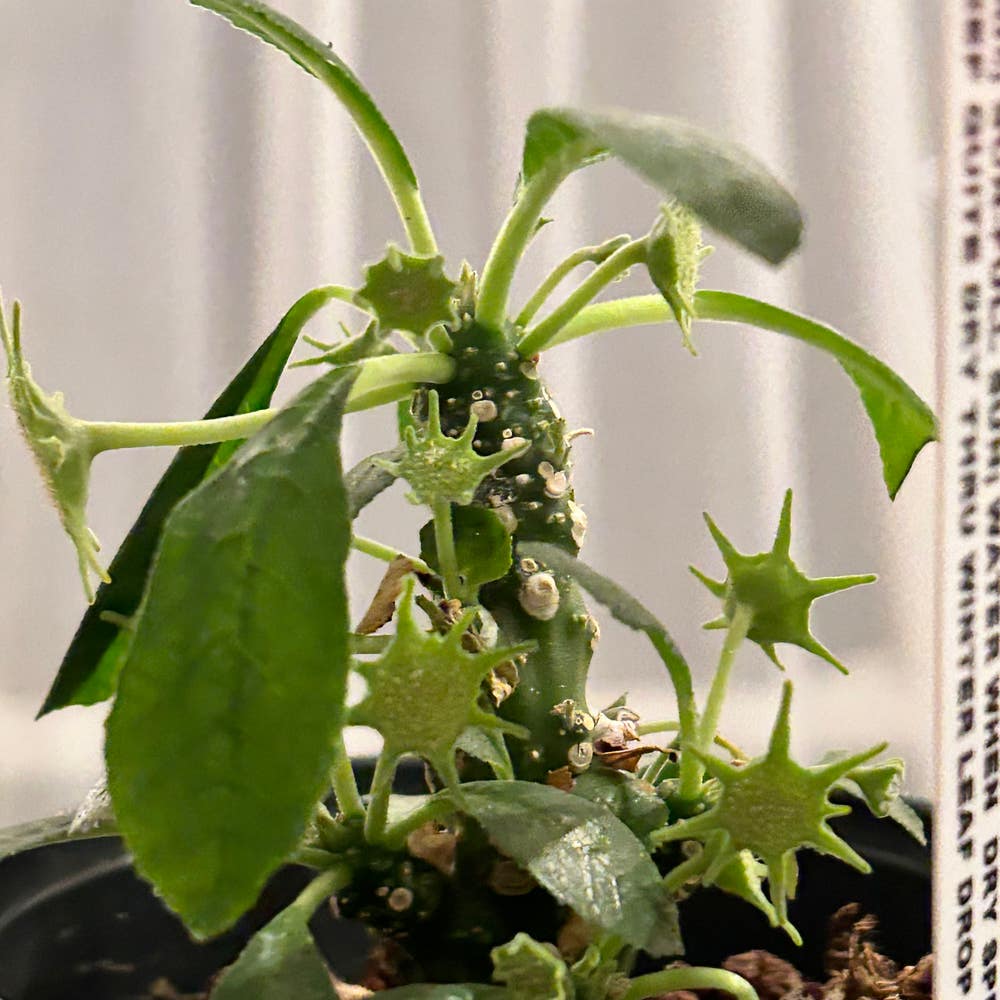
🌵 Introduction to Rhodesian Dorstenia
Dorstenia rhodesiana
By the Greg Editorial Team
Feb 19, 2025•12 min read
This article was created with the help of AI so we can cover more plants for you. May contain errors. See one? Report it here.
Elevate your garden's charm with the resilient Rhodesian Dorstenia, perfect for shaded spaces and low maintenance! 🌱
- 🌞 Rhodesian Dorstenia thrives in warm, shaded environments with moderate to high humidity.
- 🌱 Use well-drained, fertile soil with a pH of 6.0 to 7.0 for optimal growth.
- 💧 Water based on soil moisture; check the top inch before watering to prevent issues.
How to Grow
🌳 Choosing a Location
Rhodesian Dorstenia thrives in shaded to partially shaded areas, making it perfect for those cozy corners of your garden. It loves warm, tropical climates, so aim for temperatures that keep it feeling toasty.
Moderate to high humidity is key for this plant's happiness. If you can replicate a humid environment, your Rhodesian Dorstenia will reward you with lush growth.
🌱 Soil Preparation
For optimal growth, use well-drained, fertile soil. This plant prefers a pH level between 6.0 and 7.0, ensuring it has the right balance of nutrients.
Avoid waterlogged conditions at all costs. Good drainage is crucial to prevent root rot and keep your plant healthy.
🌼 Planting Techniques
When planting, space your Rhodesian Dorstenia 12 to 18 inches apart. This distance allows for proper air circulation and growth.
Plant at a depth that supports optimal root establishment. A good rule of thumb is to ensure the root ball is level with the soil surface.
💧 Watering Requirements
Watering should be based on soil moisture. Check the top inch of soil; if it's dry, it's time to give your plant a drink.
Use a gentle watering method to avoid disturbing the roots. This helps prevent root rot, a common issue for overwatered plants.
🌿 Fertilizing Schedule
A balanced NPK fertilizer is your best bet for feeding Rhodesian Dorstenia. Look for a fertilizer that provides equal parts nitrogen, phosphorus, and potassium.
Fertilize during the growing season, specifically in spring and summer. This timing supports robust growth and vibrant foliage.
✂️ Pruning and Ongoing Care
Prune your Rhodesian Dorstenia by removing dead or damaged leaves as needed. This keeps the plant looking tidy and encourages new growth.
When pruning, use clean, sharp tools to maintain plant health. Regular maintenance will help your plant thrive and maintain its shape.
With these tips, you're well on your way to growing a healthy Rhodesian Dorstenia. Next, let's explore how to propagate this beautiful plant!
Propagation
🌱 Methods of Propagation
Rhodesian Dorstenia can be propagated through seeds or cuttings, both of which are effective methods to expand your collection.
Seeds
Collecting seeds from mature plants is the first step. Wait until the seed pods turn brown and dry, then carefully harvest them.
For germination, plant the seeds in a well-draining soil mix and keep them lightly moist. Place the pots in a warm, shaded area to encourage sprouting, which typically occurs within a few weeks.
Cuttings
Taking cuttings is another reliable propagation method. Start by selecting healthy stems from the parent plant, ideally during the growing season.
- Cut the Stem: Use a clean, sharp knife to take a 4-6 inch cutting just below a leaf node.
- Prepare the Cutting: Remove the lower leaves to expose the stem and prevent rot.
- Rooting Hormone: Dip the cut end in rooting hormone to promote root development.
- Planting: Place the cutting in a pot filled with moist, well-draining soil.
- Care: Cover the pot with a plastic bag to maintain humidity and place it in indirect light.
After a few weeks, check for root growth by gently tugging on the cutting. Once established, you can transplant it into a larger pot or your garden.
Propagation can be a rewarding experience, allowing you to share this unique plant with friends or expand your own garden. With a bit of patience and care, you'll soon have new Rhodesian Dorstenia thriving in your space.
Next, let’s explore the size of this fascinating plant and what factors influence its growth.
Size
Mature Height and Spread 🌱
The Rhodesian Dorstenia typically reaches a mature height of 1 to 2 feet and can spread between 1 to 3 feet. This compact size makes it an excellent choice for both indoor and outdoor gardens.
Growth Rate 📈
On average, you can expect the Rhodesian Dorstenia to grow around 6 to 12 inches per year under optimal conditions. This steady growth rate allows for gradual expansion in your garden space.
Factors Affecting Size 🌍
Environmental conditions play a crucial role in determining the size of your Rhodesian Dorstenia. Factors such as light exposure, water availability, and soil quality can significantly impact its growth.
Size Variability 📏
Size variability can occur based on growing conditions. For instance, plants in brighter light may grow larger compared to those in shaded areas, showcasing the importance of proper placement.
Understanding these aspects of size will help you cultivate a thriving Rhodesian Dorstenia. Next, let’s explore the fascinating root system that supports this resilient plant.
Roots
Characteristics of the Root System 🌱
Rhodesian Dorstenia features a fibrous root system that allows it to absorb nutrients efficiently. These roots spread out horizontally, helping the plant establish a strong foundation in the soil.
Common Root-Related Issues ⚠️
Root rot is a significant concern for this plant, often caused by overwatering. Symptoms include yellowing leaves and a foul smell from the soil; prevention involves ensuring proper drainage and watering practices.
Another issue is becoming rootbound, which occurs when roots fill the pot and have no room to grow. Signs include stunted growth and roots emerging from the drainage holes; remedy this by repotting into a larger container.
Visual Cues for Root Health 👀
Healthy roots are typically white or light tan, firm to the touch, and spread evenly throughout the soil. In contrast, unhealthy roots may appear dark, mushy, or have a foul odor, indicating distress that needs immediate attention.
By keeping an eye on these root characteristics, you can ensure your Rhodesian Dorstenia thrives. Next, let's explore the benefits this unique plant brings to your garden.
Benefits
Top 5 Benefits 🌟
Rhodesian Dorstenia is a remarkable plant that offers numerous advantages for both gardens and indoor spaces. Here are the top five benefits that make it a must-have for plant enthusiasts.
Drought Tolerance
This plant thrives with minimal water, making it an excellent choice for arid environments. Its low water requirements mean less maintenance and worry during dry spells.
Aesthetic Appeal
With its unique foliage, Rhodesian Dorstenia adds a striking visual element to any garden. Its lush leaves can serve as a stunning focal point or complement other plants beautifully.
Air Purification
Not only does this plant look good, but it also has the potential to improve indoor air quality. By filtering out toxins, it contributes to a healthier living environment.
Erosion Control
Planting Rhodesian Dorstenia can help stabilize soil in garden beds. Its root system aids in preventing erosion, making it beneficial for landscaping projects.
Cultural Significance
In many cultures, Rhodesian Dorstenia holds symbolic meaning. It is often associated with local traditions and practices, adding a layer of cultural richness to your garden.
These benefits highlight why Rhodesian Dorstenia is not just a pretty face in the plant world. It’s a resilient, functional, and culturally significant addition to any space.
As we explore further, let’s delve into the fascinating world of companion plants that thrive alongside Rhodesian Dorstenia.
Companion Plants
🌱 Explanation of Companion Planting
Companion planting is a gardening strategy that enhances biodiversity and improves pest management. By pairing compatible plants, you can create a thriving ecosystem that benefits all species involved.
🤝 Compatible Companion Plants
Certain plants thrive alongside Rhodesian Dorstenia, making them excellent companions.
- Ferns: These shade-loving plants share similar humidity and light preferences, creating a harmonious environment.
- Shade-tolerant perennials: Varieties like hostas and astilbes not only complement the aesthetic but also thrive in similar conditions.
These companions help repel pests and provide a supportive microclimate for your Rhodesian Dorstenia.
🚫 Plants to Avoid
While many plants can coexist peacefully, some may compete for resources or harm your Rhodesian Dorstenia. Avoid planting aggressive species like:
- Mint: Its invasive nature can overshadow your Dorstenia.
- Certain grasses: They may compete for nutrients and water, stunting growth.
Choosing the right companions can significantly enhance the health and beauty of your garden.
As you plan your garden layout, consider these companion planting strategies to ensure a flourishing environment for your Rhodesian Dorstenia. Next, let’s explore the potential pest issues that may arise in your garden.
Toxicity to Humans
Rhodesian Dorstenia is not listed as toxic by major poison control centers, making it a safe choice for gardens and homes. However, like many plants, it can cause mild skin irritation or digestive discomfort if consumed in excessive amounts.
⚠️ General Safety
While the risks are minimal, it's always wise to exercise caution with any plant. If you experience unusual symptoms after contact or consumption, seeking medical advice is a prudent step.
📝 Cautionary Notes
Being informed is key when introducing any plant into your environment. Always monitor for any adverse reactions, especially if you have children or pets around.
Toxicity to Dogs
When it comes to the Rhodesian Dorstenia, pet owners can breathe a sigh of relief. This plant is not listed as toxic by major pet poison control centers, making it a safe choice for homes with dogs.
However, moderation is key. While the plant isn’t harmful, excessive consumption could lead to mild gastrointestinal upset.
🐶 Tips for Safe Introduction
To ensure a harmonious coexistence, consider these simple tips:
Proper Placement: Position the plant in areas that are less accessible to your dog. This reduces the chance of curious nibbling.
Monitoring Behavior: Keep an eye on your dog’s interactions with the plant. If you notice any unusual interest, it might be time to relocate it.
By following these guidelines, you can enjoy the beauty of your Rhodesian Dorstenia while keeping your furry friend safe and sound.
Next, let’s explore how this plant interacts with our feline companions.
Toxicity to Cats
Rhodesian Dorstenia is not listed as toxic by major pet poison control centers. This means you can enjoy this plant without worrying about severe health risks for your feline friends.
However, it's worth noting that consuming large quantities may lead to mild gastrointestinal upset. While this isn't a major concern, it's always good to be cautious.
🐱 Tips for Introducing to Homes with Cats
When bringing Rhodesian Dorstenia into your home, consider its placement carefully. Position it in areas that are less accessible to your curious cats to minimize any potential nibbling.
Monitoring your cat's behavior around the plant is also essential. If you notice any unusual interest or symptoms, it’s best to consult your veterinarian for peace of mind.
By taking these simple precautions, you can safely enjoy the beauty of Rhodesian Dorstenia while keeping your furry companions happy and healthy.
As we move forward, let’s explore the common problems that can arise with this resilient plant.
Problems
Common Problems Faced 🌱
Growing Rhodesian Dorstenia can be rewarding, but it comes with its challenges. Here are some common problems you might encounter:
Incorrect Watering
Overwatering can lead to yellowing leaves and a mushy root system, while underwatering may cause wilting and browning leaf edges. It's crucial to find the right balance to keep your plant thriving.
Incorrect Light Conditions
Too little light can result in leggy growth and pale leaves, while excessive light may scorch the foliage. Monitor your plant's environment to ensure it receives the right amount of shade.
Temperature Issues
Extreme temperatures can stress your plant, leading to stunted growth or leaf drop. Rhodesian Dorstenia thrives in warm, tropical climates, so keep it cozy.
Diseases
Fungal issues like powdery mildew can appear in humid conditions. Look for white, powdery spots on leaves as a telltale sign of this disease.
Root Problems
Root rot manifests as a foul smell and squishy roots, indicating overwatering. Healthy roots should be firm and white, so check them regularly.
Identification and Solutions 🛠️
Identifying these problems early can save your plant. Here’s how to tackle each issue:
Watering: Adjust your watering schedule based on soil moisture. Use your finger to check the top inch of soil; if it's dry, it's time to water.
Light Conditions: Move your plant to a location with filtered light if you notice signs of stress. A spot with dappled sunlight is ideal.
Temperature: Keep your plant in a stable environment, avoiding drafts and extreme heat. Aim for temperatures between 65°F and 85°F.
Diseases: If you spot powdery mildew, remove affected leaves and improve air circulation. Consider using a fungicide if the problem persists.
Root Problems: If you suspect root rot, gently remove the plant from its pot and inspect the roots. Trim away any mushy sections and repot in fresh, well-draining soil.
By addressing these common problems promptly, you can ensure your Rhodesian Dorstenia remains healthy and vibrant. Next, let’s explore how to propagate this fascinating plant for even more greenery in your space!
Bugs
🐞 Potential Pest Issues
Rhodesian Dorstenia is generally resilient against pests, making it a robust choice for gardeners. However, vigilance is key, as certain pests can still pose a threat.
🕷️ Common Pests
Spider Mites
Spider mites are tiny, often invisible to the naked eye, but their damage is unmistakable. Look for stippling on leaves and fine webbing; these are clear signs of an infestation.
Scale Insects
Scale insects appear as small, brownish bumps on stems and leaves. If you notice these, act quickly—use insecticidal soap or neem oil to treat the affected areas.
Mealybugs
Mealybugs are cottony pests that cluster in leaf axils. They can weaken your plant, so remove them with a cotton swab dipped in alcohol for effective control.
Aphids
Aphids are small, green or black insects that suck sap from your plant. If you see curled leaves or sticky residue, it’s time to spray them off with water or use insecticidal soap.
🏁 Conclusion
Keeping an eye out for these common pests will help maintain the health of your Rhodesian Dorstenia. With proactive care, you can enjoy a thriving plant that adds beauty to your space.
What Eats
🦌 Common Animals That May Damage
When cultivating Rhodesian Dorstenia, it's essential to be aware of the critters that might take a liking to your plants. Common culprits include deer, rabbits, squirrels, birds, and rodents.
Identifying these animals can be straightforward. Look for tracks, droppings, or distinctive damage patterns on your plants. For instance, deer often leave large hoof prints, while rabbits tend to nibble leaves down to the stem.
🚫 Deterrent Methods
To protect your plants, consider both chemical and organic control methods. Chemical repellents can deter animals, but be cautious about their application, especially in gardens.
On the organic side, planting deterrent species or using physical barriers like fences can be effective. Additionally, motion-activated sprinklers can scare away many animals without harming them.
By staying vigilant and employing these strategies, you can keep your Rhodesian Dorstenia thriving and safe from hungry visitors.
⚠️ Safety First
This content is for general information and may contain errors, omissions, or outdated details. It is not medical, veterinary advice, or an endorsement of therapeutic claims.
Always consult a qualified healthcare professional before using any plant as food, medicine, or supplement.
Never eat any plant (or feed one to pets) without confirming its identity with at least two trusted sources.
If you suspect poisoning, call Poison Control (800) 222-1222, the Pet Poison Helpline (800) 213-6680, or your local emergency service immediately.
Spotted an error? Please report it here.
Nurture your Rhodesian Dorstenia to thriving heights 🌿 with Greg's tailored care reminders and expert tips that ensure it flourishes in its ideal environment!