How Do I Fix Rhipsalis Micrantha Root Rot?
Rhipsalis micrantha
By the Greg Editorial Team
Apr 06, 2024•4 min read
This article was created with the help of AI so we can cover more plants for you. May contain errors. See one? Report it here.
- Yellow leaves and mushy roots signal Rhipsalis Micrantha root rot.
- Treat with sterilized snips and well-draining soil; consider fungicides or natural remedies.
- Prevent with proper pots, soil, and watering; adjust care as needed.
Spotting the Red Flags: Symptoms of Root Rot in Rhipsalis Micrantha
🚩 Visual Symptoms: Yellowing and Wilting Leaves
When your Rhipsalis micrantha starts to look like it's lost its zest for life, yellowing leaves are your first clue. These aren't just signs of a bad day; they're a distress signal from your plant.
Wilting leaves follow suit, drooping sadly as if they've given up. It's not just an aesthetic issue; it's a cry for help from your green buddy.
🕳️ Below the Surface: Recognizing Mushy and Discolored Roots
Dig a little deeper and you'll find the real horror show. Mushy, discolored roots are the smoking gun of root rot. Healthy roots are firm and white, not squishy and brown.
If your plant's roots feel like they've been through a blender, it's time to take action. This isn't a natural part of plant aging; it's a full-blown crisis.
❓ The Overwatering Confusion: Differentiating Symptoms
Overwatering often gets the blame, but it's not the only culprit. Root rot can sneak up on you, even if you think you've been watering responsibly. It's a tricky adversary, masquerading as other issues.
Don't get fooled by the surface; soggy soil and a musty smell are your tell-tale signs. It's not just about how much you water, but also how well the water can escape.
First Response: Immediate Steps to Treat Root Rot
🌱 Snipping the Damage: How to Remove Affected Roots
Root rot waits for no one. Once you've unearthed the problem, it's time to play plant surgeon. Sterilize your scissors or shears—cleanliness is your plant's first line of defense. Carefully cut away the mushy, discolored roots. Be thorough but cautious; you're saving a life here, not performing a hack job.
🌿 Fresh Start: Repotting in Healthy Soil
After the amputation, give your Rhipsalis micrantha a fresh lease on life with new soil. Choose a well-draining mix that's like a breath of fresh air for the roots. Repot with a gentle touch in a clean pot that has drainage holes to avoid waterlogging. Remember, no water just yet—let the plant settle in first.
🍄 Fungicide vs. Natural Remedies: Choosing Your Treatment
Now, for the shield against future fungal onslaughts: fungicide. Read the label like it's the last piece of chocolate in the box—precise application is key. If chemicals aren't your cup of tea, consider natural remedies like cinnamon or chamomile tea. Apply directly to the roots, and avoid overdoing it. Your plant doesn't need a bath, just a spot treatment.
Keeping It Dry: Best Watering Practices for Rhipsalis Micrantha
💧 The Goldilocks Zone: How Often to Water
Finding the Goldilocks zone for watering Rhipsalis Micrantha is key. This cactus prefers its soil on the dry side, so overzealous watering is a no-no. Check the soil before you water; if the top inch feels dry, it's time to quench its thirst. During active growth periods, typically every 6 to 10 days will do, but always let the plant's condition guide you.
🌱 Reading the Soil: When to Hold Back on Watering
Your Rhipsalis isn't shy about telling you when it's had enough to drink. If the soil feels damp at the top inch, hold off on watering. It's not about sticking to a rigid schedule; it's about observing and adapting. Use your finger as a trusty tool to test soil moisture—no fancy gadgets needed. And remember, when the seasons change, so should your watering rhythm. Keep it consistent, but not constant.
Fortifying Defenses: Preventing Future Root Rot
🌱 Choosing the Right Pot: Material and Drainage Holes
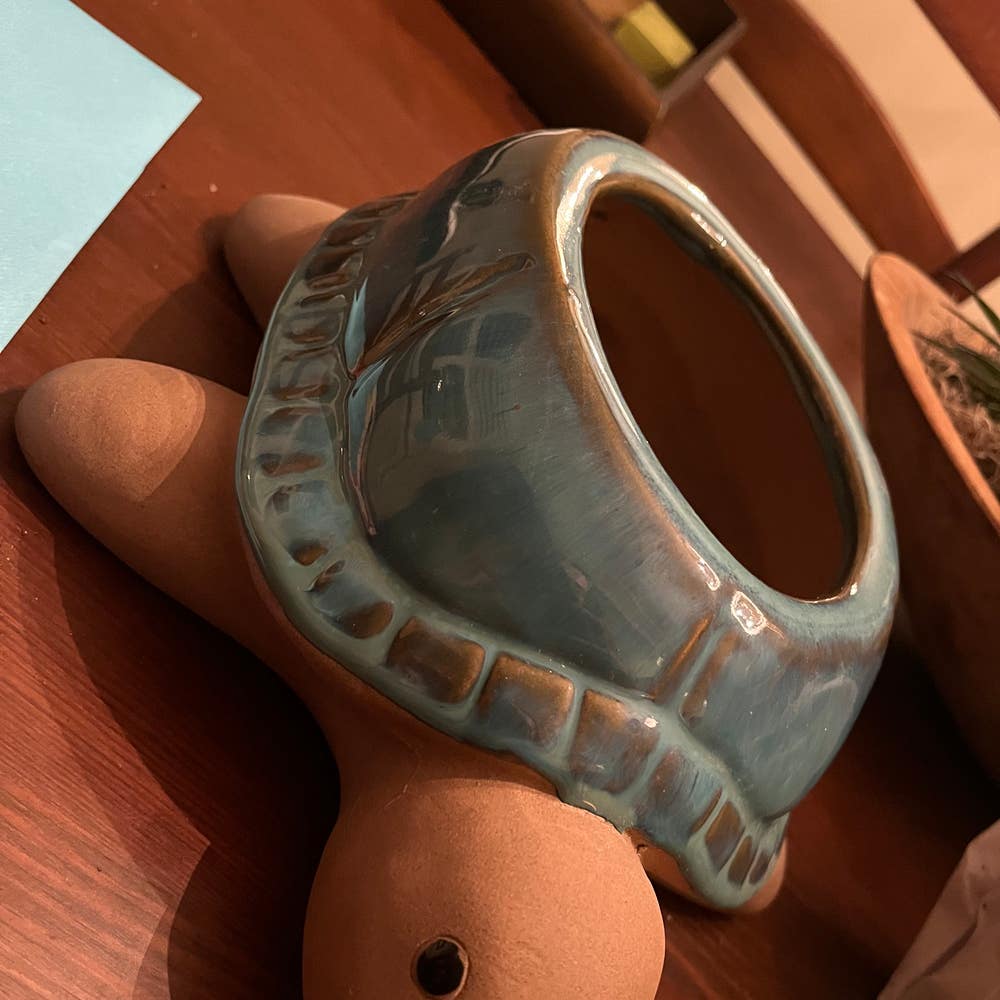
Terracotta or ceramic pots are your best bet—they're like breathable sneakers for your plant's roots. Drainage holes are as essential as an emergency exit; without them, you're practically rolling out the red carpet for root rot.
🌿 Soil Selection: Ingredients for a Well-Draining Home
Mix it up with a well-draining soil—a blend of bark, perlite, and charcoal is your trio of choice. It's like creating a VIP lounge for your plant's roots, where excess water is quickly shown the door.
🔍 Monitoring and Adjusting Care Routines
Be the Sherlock Holmes of plant care—observe and adapt. Your Rhipsalis micrantha's watering needs may change with the seasons, so keep a keen eye out. Regular soil check-ups? Non-negotiable. It's like giving your plant a health screening, ensuring it's in top shape to fend off any root rot shenanigans.
⚠️ Safety First
This content is for general information and may contain errors, omissions, or outdated details. It is not medical, veterinary advice, or an endorsement of therapeutic claims.
Always consult a qualified healthcare professional before using any plant as food, medicine, or supplement.
Never eat any plant (or feed one to pets) without confirming its identity with at least two trusted sources.
If you suspect poisoning, call Poison Control (800) 222-1222, the Pet Poison Helpline (800) 213-6680, or your local emergency service immediately.
Spotted an error? Please report it here.
Nurture your Rhipsalis Micrantha back to health and prevent root rot 🩹 with Greg's custom watering reminders based on your plant's unique needs.