Diagnosing Rhipsalis Goebeliana Root Rot
Rhipsalis goebeliana
By the Greg Editorial Team
Apr 07, 2024•4 min read
This article was created with the help of AI so we can cover more plants for you. May contain errors. See one? Report it here.
Rescue your Rhipsalis 🌵 from root rot and ensure its long-term health with this crucial guide.
- Yellow leaves and wilting signal early root rot in Rhipsalis goebeliana.
- Sterilize tools, prune roots, and use well-draining soil for recovery.
- Bright light, 65-75°F, 50-60% humidity for a root rot-resistant environment.
Spotting the Red Flags: Symptoms of Root Rot in Rhipsalis Goebeliana
🚨 Visual Clues
Yellowing leaves and a wilted spirit in your Rhipsalis goebeliana are not just a case of the plant blues. They're the equivalent of a flashing neon sign saying, "Hey, check my roots!" When the foliage loses its vigor, it's time to suspect something's amiss underground.
Mushy, discolored roots coupled with a stench that could rival week-old leftovers? That's advanced root rot. If your plant's roots look like they've seen better days and smell like they're in the midst of decay, you've got a serious problem on your hands.
🕵️♂️ Tactical Diagnosis
To get to the root of the issue, literally, you'll need to play detective. Gently remove your Rhipsalis from its pot, like you're handling a priceless artifact. Brush away the soil to reveal the roots' true colors. Healthy roots should be firm and white, not squishy and brown.
When removing the plant for inspection, do it with the care of a bomb squad. You want to avoid further stressing the plant. If the roots crumble like a dry cookie, it's past time for action. Remember, a bad smell is like a smoke alarm for root rot—don't ignore it.
First Response: Immediate Actions to Combat Root Rot
🏥 Surgical Precision
When root rot rears its ugly head in your Rhipsalis goebeliana, it's time to channel your inner surgeon. Sterilize your pruning shears—rubbing alcohol or a 10% bleach solution will do the trick. Carefully cut away the rotted roots; they'll be mushy and dark, a stark contrast to the firm, white healthy ones. It's like defusing a bomb, where every snip counts.
After the dirty work, don't let your tools become patient zero; sterilize them again to prevent any future outbreaks.
🌱 Soil Revival
Next up, the soil—think of it as the ICU for your plant. Ditch the old, contaminated mix for something fresh and well-draining. A blend with perlite or sand gives your plant the airy bed it needs to recover without drowning.
Watering habits post-op? Less is more. Wait until the soil feels like a wrung-out sponge before giving your plant a drink. Overwatering is the fast track back to root rot city, and we're not looking for a round trip.
Creating a Root Rot-Resistant Environment
💡 Light and Temperature
Bright, indirect light is the sweet spot for Rhipsalis goebeliana. It's the energy drink it needs without the hangover of direct sunlight. Find a spot that mimics the dappled light of its natural habitat.
Keep the temperature consistent, ideally between 65°F and 75°F. Sudden changes are like unexpected plot twists—unwelcome and potentially harmful. Use a thermometer to monitor and maintain this range.
🌬️ Airflow and Humidity
Airflow is the silent guardian against root rot. It's about creating a gentle breeze, not a wind tunnel. Position your plant where the air moves naturally or use a fan to keep it steady.
Humidity needs to be just right. Too much, and you're hosting a fungal fiesta; too little, and your plant's thirsting for moisture. Aim for a humidity level around 50-60%. Use a hygrometer to keep tabs on it, and adjust with a humidifier or dehumidifier as needed.
Proactive Measures: Preventing Future Root Rot Episodes
💧 Water Wisdom
Watering isn't about setting reminders on your phone; it's about tuning into your plant's needs. Stick your finger into the soil—if the top inch is dry, it's time to water. If not, give it a break. Seasonal changes? Adjust accordingly. It's like being a plant whisperer, except you're using your fingertips instead of your voice.
🏡 The Right Foundation
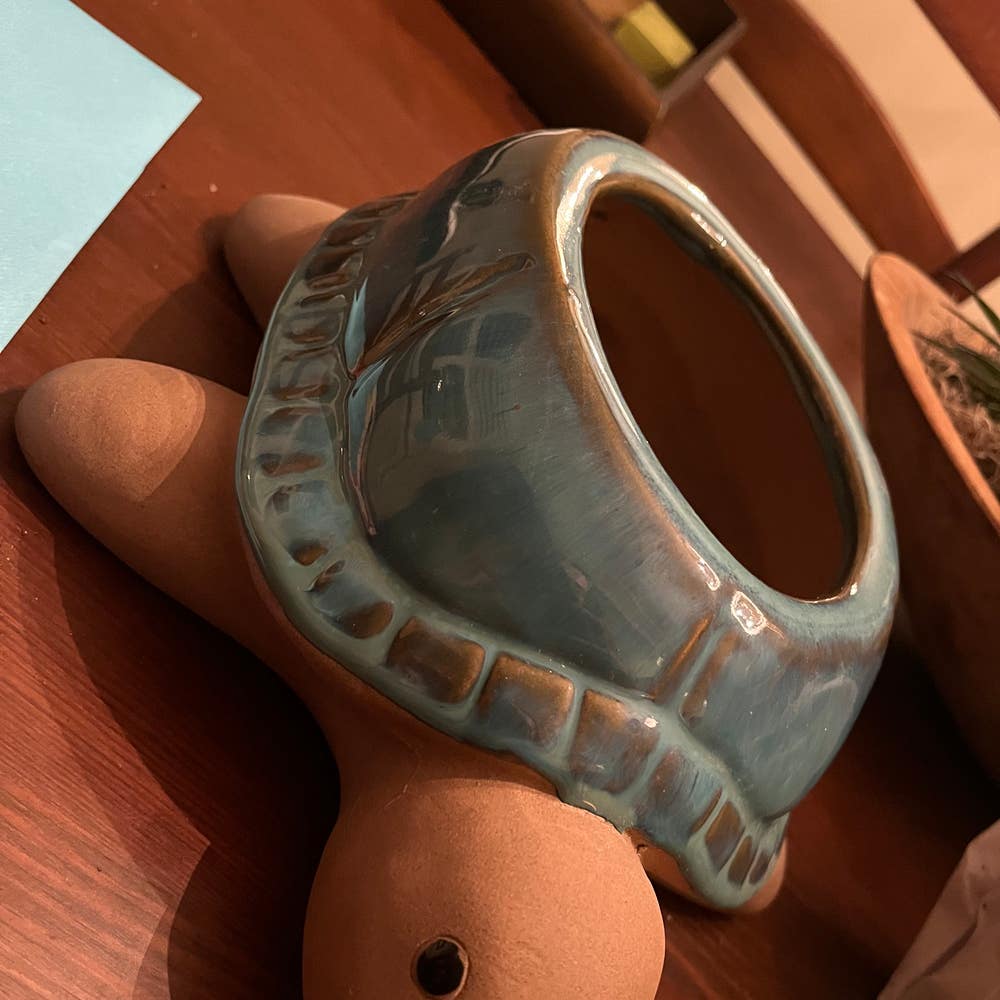
Choosing a pot for your Rhipsalis goebeliana is like picking a house—it needs good bones. Drainage holes? Non-negotiable. They're the escape routes for excess water. Material-wise, terracotta or ceramic pots are MVPs—they let the roots breathe. Size matters too; find the Goldilocks zone—not too big, not too small. Just right to prevent water from overstaying its welcome.
⚠️ Safety First
This content is for general information and may contain errors, omissions, or outdated details. It is not medical, veterinary advice, or an endorsement of therapeutic claims.
Always consult a qualified healthcare professional before using any plant as food, medicine, or supplement.
Never eat any plant (or feed one to pets) without confirming its identity with at least two trusted sources.
If you suspect poisoning, call Poison Control (800) 222-1222, the Pet Poison Helpline (800) 213-6680, or your local emergency service immediately.
Spotted an error? Please report it here.
Banish root rot 🚫 in your Rhipsalis goebeliana by relying on Greg's personalized watering plan to keep your plant's feet dry and healthy!