Ultimate Guide to Rebutia neocumingii subsp. lanata 🌵
Rebutia neocumingii subsp. lanata
By the Greg Editorial Team
Feb 01, 2025•11 min read
This article was created with the help of AI so we can cover more plants for you. May contain errors. See one? Report it here.
Elevate your plant game with the stunning Rebutia neocumingii cactus—low-maintenance beauty for every space! 🌱
- 🌞 Rebutia neocumingii thrives in bright, indirect sunlight and warm temperatures (20°C-30°C).
- 🌱 Use well-draining soil and allow it to dry completely between waterings to prevent rot.
- 🐾 Safe for pets, this cactus is non-toxic but may cause mild upset if overconsumed.
How to Grow
🌞 Choosing a Location
To thrive, Rebutia neocumingii subsp. lanata needs bright, indirect sunlight. Aim for warm temperatures, ideally between 20°C to 30°C (68°F to 86°F), to keep your plant happy and healthy.
🌱 Soil Preparation
For optimal growth, use a well-draining cactus mix or create your own blend with sand, perlite, and potting soil. The pH level should be slightly acidic to neutral, ranging from 6.0 to 7.0.
🌿 Planting Techniques
When planting, ensure the top of the root ball is level with the soil surface. Choose a pot with drainage holes, typically 4-6 inches in diameter, to prevent water accumulation.
💧 Watering Requirements
Allow the soil to dry out completely between waterings to avoid overwatering. Watch for signs like yellowing or mushy stems, which indicate too much moisture.
🌼 Fertilizing Schedule
During the growing season, use a diluted cactus fertilizer to nourish your plant. Fertilize every 4-6 weeks from spring to early fall for best results.
✂️ Pruning Methods
Rebutia neocumingii requires minimal pruning; simply remove any dead or damaged parts. Use clean, sharp scissors or pruning shears to keep your plant looking its best.
🔍 Ongoing Care Tips
Regularly monitor your plant for pests and diseases to catch any issues early. Adjust your care routine based on seasonal changes to ensure your cactus remains healthy year-round.
🌍 Outdoor vs. Container Growing
Container growing offers mobility and control over soil conditions, making it easier to manage your plant's environment. If you choose outdoor growing, be mindful of protecting your cactus from extreme weather and pests.
With these guidelines, you’re well on your way to successfully growing Rebutia neocumingii subsp. lanata. Next, let’s explore how to propagate this resilient cactus for even more greenery!
Propagation
🌱 Seed Propagation
To start propagating Rebutia neocumingii subsp. lanata from seeds, begin by soaking the seeds for 24 hours. This simple step helps to kickstart the germination process.
For successful germination, provide warm temperatures and bright light. These conditions mimic the plant's natural habitat, promoting healthy growth right from the start.
✂️ Offsets and Cuttings
Another effective propagation method is through offsets, or "pups," which are small plants that grow at the base of the main plant. To identify these offsets, look for small growths that can be easily separated.
When you're ready to cut, use a clean, sharp knife to separate the offsets from the parent plant. This ensures a clean cut, reducing the risk of infection and promoting quicker healing for both the offset and the parent plant.
With these propagation techniques, you can expand your Rebutia collection or share the joy of these unique cacti with friends. Next, let's explore the lifecycle of this resilient plant and understand its growth stages.
Lifecycle
Lifecycle Stages 🌱
The lifecycle of Rebutia neocumingii subsp. lanata unfolds in distinct stages: germination, seedling, vegetative growth, flowering, and seed production. Each phase is crucial for the plant's development and contributes to its overall health.
Lifespan ⏳
With proper care, these charming cacti can thrive for several years. Their longevity makes them a rewarding addition to any plant collection.
Growth Timeline 📅
Typically, it takes about 2-3 years for Rebutia neocumingii to reach maturity. This growth timeline allows for a gradual appreciation of their beauty as they transition through each lifecycle stage.
Understanding these stages helps you provide the right care at the right time, ensuring your cactus flourishes. Next, let's explore how to effectively propagate this resilient plant.
Size
Mature Height and Spread 🌱
Rebutia neocumingii subsp. lanata typically reaches a height of 2 to 4 inches and can spread between 3 to 6 inches in diameter. This compact size makes it an excellent choice for small spaces or container gardening.
Growth Rate and Size Variability 📈
The growth rate of this cactus can vary significantly based on several factors. Light exposure, watering habits, and soil conditions all play crucial roles in determining how quickly your plant will grow and its ultimate size.
In optimal conditions, you can expect a healthy growth rate, but remember that neglecting any of these factors may stunt its development. Keep an eye on your plant, and adjust care as needed to ensure it thrives.
Roots
Root System Characteristics 🌱
Rebutia neocumingii subsp. lanata features a fibrous root system that is essential for its stability. These roots are shallow yet extensive, allowing the plant to efficiently absorb water and nutrients.
Common Root-Related Issues 🚫
One of the most common problems with this cactus is root rot, which typically results from overwatering. If you notice mushy roots, it's a clear sign that your plant is suffering.
Identifying Healthy vs. Unhealthy Roots 🔍
Healthy roots should feel firm and exhibit a white or light tan color. In contrast, unhealthy roots will appear dark, mushy, or may even emit a foul smell.
Recognizing Rootbound Plants 🪴
If you see roots growing out of the drainage holes of your pot, your cactus is likely rootbound. The solution is simple: repot it into a larger container to give those roots room to grow.
This understanding of root health is crucial for maintaining a thriving Rebutia neocumingii subsp. lanata. Next, let’s explore the benefits of growing this unique cactus.
Benefits
Top 5 Benefits 🌟
Rebutia neocumingii subsp. lanata offers a range of benefits that make it a fantastic addition to any plant collection. Here are the top five reasons to consider this charming cactus.
1. Aesthetic Appeal
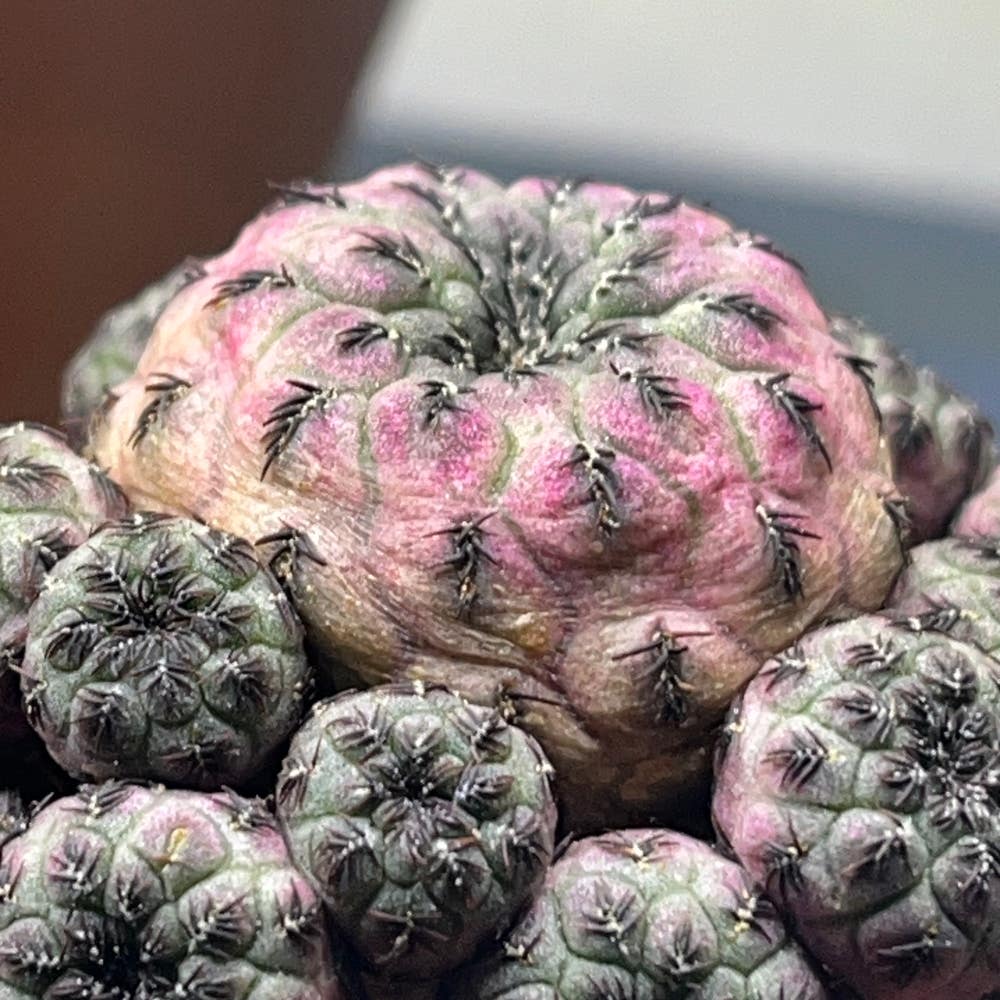
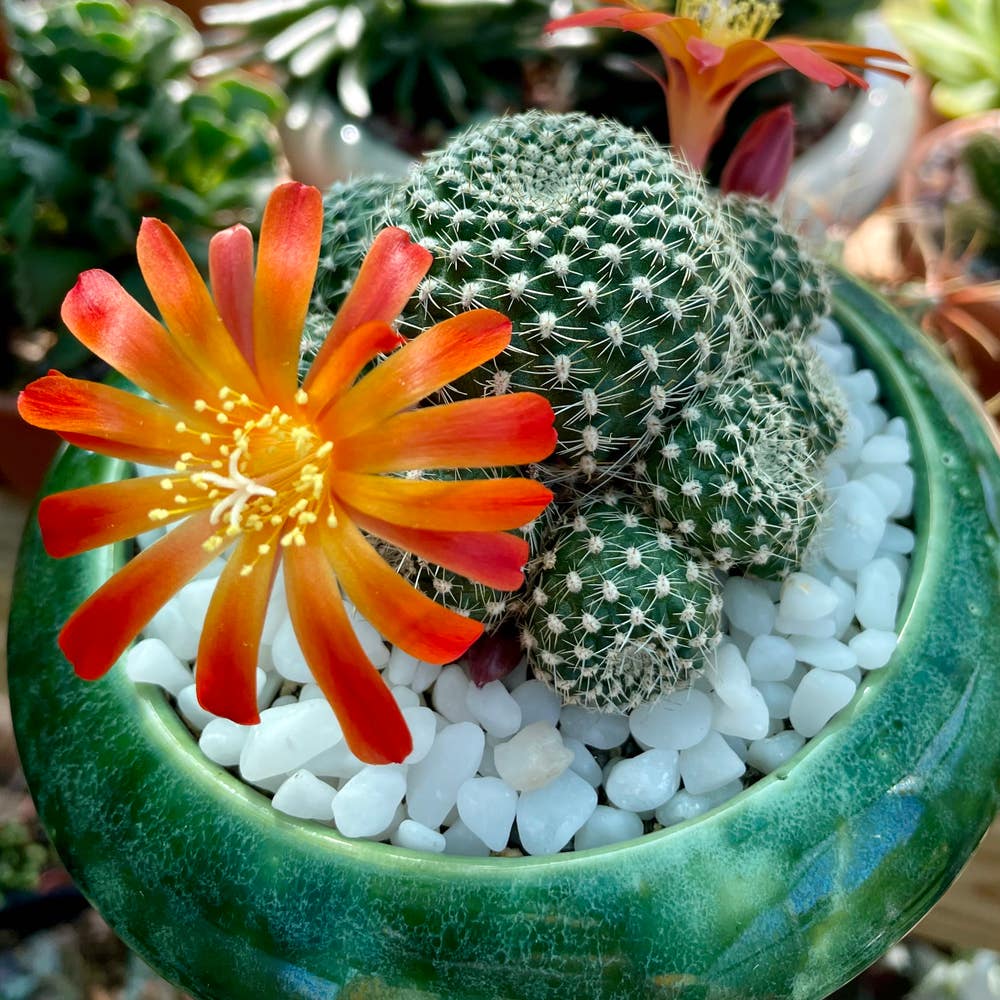
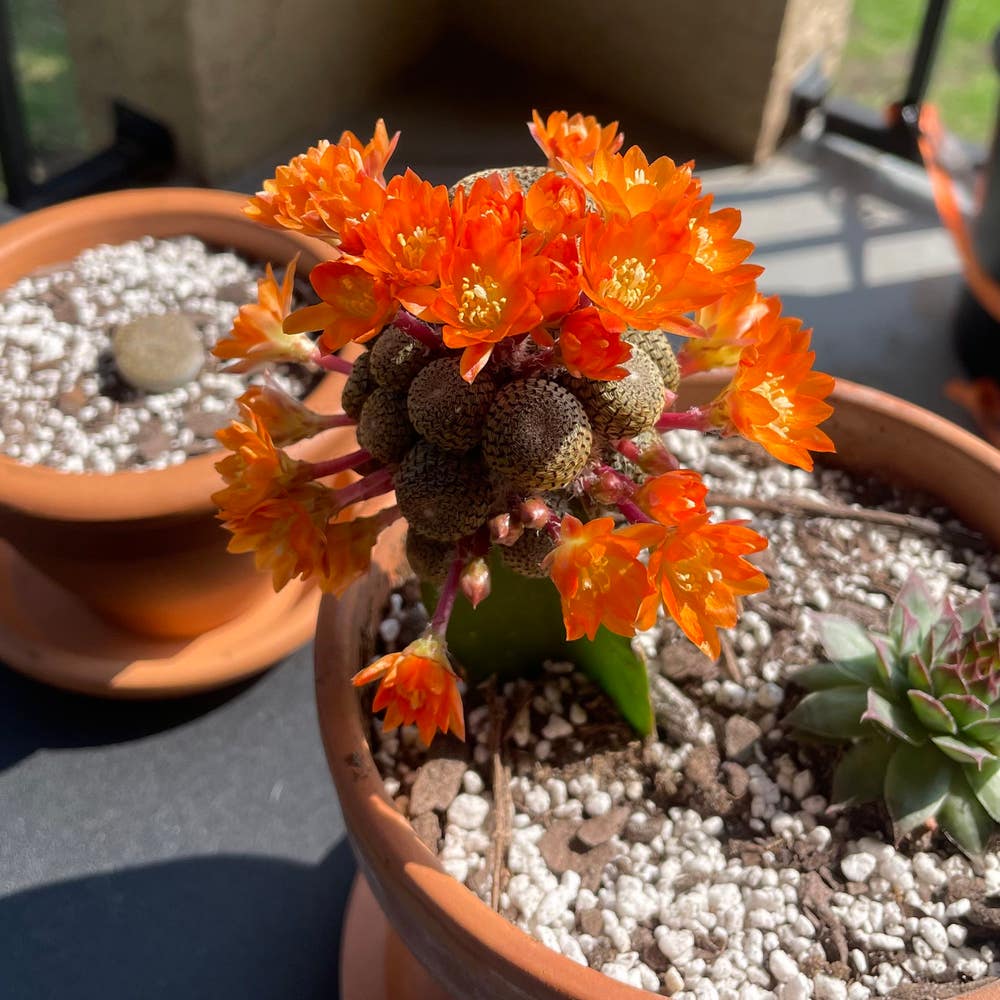
This cactus boasts a unique appearance with vibrant flowers that can brighten any space. Its striking look makes it a focal point in both indoor and outdoor settings.
2. Low Maintenance
One of the best features of Rebutia is its low maintenance requirements. It thrives with minimal care, making it perfect for busy plant lovers or beginners.
3. Air Purification
Beyond its beauty, this cactus contributes to indoor air quality. It helps filter out toxins, creating a healthier living environment.
4. Drought Resistance
Rebutia is ideal for low-water gardens, showcasing its drought-resistant nature. This quality makes it a sustainable choice for eco-conscious gardeners.
5. Cultural Significance
This plant symbolizes resilience and beauty in harsh conditions. Its presence can inspire a sense of strength and perseverance in your home or garden.
Incorporating Rebutia neocumingii subsp. lanata into your plant collection not only enhances your space but also aligns with a lifestyle that values beauty and sustainability. Next, let’s explore the best companion plants that thrive alongside this resilient cactus.
Companion Plants
Best Companion Plants 🌵
When it comes to choosing companion plants for Rebutia neocumingii subsp. lanata, look for other cacti and succulents that share similar care requirements. These plants thrive in bright light and well-draining soil, making them perfect partners.
Avoid pairing your Rebutia with plants that need high moisture or shade. Such companions can create an environment that may lead to overwatering or inadequate light, both of which can harm your cactus.
Why Companions Matter 🤝
Companion planting can enhance the aesthetic appeal of your garden or indoor space. The diverse shapes and colors of cacti and succulents can create a visually stunning display.
Moreover, these plants often have similar pest and disease resistance, simplifying your care routine. By grouping compatible plants together, you can foster a healthier growing environment for all.
Final Thoughts 💭
Choosing the right companions for your Rebutia not only boosts its beauty but also contributes to its overall health. So, take a moment to consider your options and create a thriving plant community that brings joy and vibrancy to your space.
Next, let’s explore the fascinating world of toxicity and safety regarding Rebutia neocumingii subsp. lanata for humans and pets.
Toxicity to Humans
When it comes to Rebutia neocumingii subsp. lanata, safety is a key consideration for plant enthusiasts. Fortunately, this charming cactus is not listed as toxic by major health organizations, making it a safe choice for homes and gardens.
However, while it's generally harmless, some individuals may experience mild skin irritation upon contact. It's always wise to handle any plant with care, especially if you have sensitive skin.
In summary, you can enjoy the beauty of this cactus without worrying about toxicity. Just remember to wash your hands after handling it to avoid any minor irritations.
As we explore further, let's look at how Rebutia neocumingii subsp. lanata interacts with our furry friends.
Toxicity to Dogs
When it comes to Rebutia neocumingii subsp. lanata, dog owners can breathe a sigh of relief. This plant is not considered toxic according to pet poison control centers, making it a safe choice for households with furry friends.
However, while the plant itself poses no significant threat, it's worth noting that excessive consumption may lead to mild gastrointestinal upset in dogs. Keeping an eye on your pet's behavior around plants is always a good practice to ensure their well-being.
In summary, Rebutia neocumingii subsp. lanata is a dog-friendly plant, but moderation is key. If your dog shows signs of discomfort after nibbling, consult your veterinarian for peace of mind.
As we explore the benefits of this unique cactus, let's dive into its aesthetic appeal and low-maintenance nature.
Toxicity to Cats
When it comes to Rebutia neocumingii subsp. lanata, cat owners can breathe a sigh of relief. This plant is not toxic according to pet poison control centers, making it a safe choice for households with feline companions.
However, it's worth noting that while the plant itself poses no serious threat, excessive consumption might lead to mild gastrointestinal upset in cats. Keeping an eye on your curious kitty is always a good idea, especially if they have a penchant for nibbling on houseplants.
In summary, you can enjoy the beauty of this cactus without worrying about your cat's safety. Just remember to monitor their behavior around the plant to ensure they don't overindulge.
Problems
Common Problems 🌵
Growing Rebutia neocumingii subsp. lanata can be a rewarding experience, but it's essential to be aware of common issues that may arise.
Incorrect Watering
Watering is a critical factor in your cactus's health. Overwatering can lead to yellowing or mushy stems, while underwatering may cause shriveling.
Incorrect Light Conditions
Light plays a vital role in growth. If your cactus shows signs of stretching or leaning, it may not be receiving enough light.
Incorrect Temperature
Temperature fluctuations can stress your plant. Extreme cold or heat can stunt growth or even kill your cactus.
Diseases
Fungal diseases like powdery mildew and root rot can plague your plant. Keeping an eye out for unusual spots or a foul smell can help you catch these issues early.
Growth Problems
Leggy or etiolated growth is a sign that your cactus is struggling. This often results from inadequate light or improper care.
By staying vigilant about these common problems, you can ensure your Rebutia neocumingii subsp. lanata thrives. Next, let’s explore potential pest issues that could affect your plant's health.
Bugs
Potential Pest Issues 🐜
While Rebutia neocumingii subsp. lanata is generally resilient, it can still fall prey to certain pests. Keeping an eye out for common culprits like spider mites, mealybugs, and aphids is essential for maintaining your plant's health.
Identifying Common Pests 🔍
- Spider Mites: These tiny pests can cause yellowing leaves and webbing. They thrive in dry conditions, so monitor humidity levels.
- Mealybugs: Look for cotton-like clusters on stems and leaves. They can weaken your plant by sucking its sap.
- Aphids: These small, green insects often cluster on new growth. They can distort leaves and stunt growth if not addressed promptly.
Prevention and Control 🛡️
To keep your Rebutia healthy, maintain good air circulation and avoid overcrowding. Regularly inspect your plant and consider using insecticidal soap or neem oil if you notice an infestation.
Final Thoughts 💭
By staying vigilant and proactive, you can protect your Rebutia from these pests. This not only ensures a thriving plant but also enhances your gardening experience. Next, let’s explore the common problems that can arise while caring for your Rebutia.
What Eats
Common Animals 🦌
Rebutia neocumingii subsp. lanata can attract a few hungry visitors. Deer, rabbits, and rodents are potential threats that may nibble on your beloved plant.
Look for signs of their presence, such as chewed leaves, tracks, or droppings around your garden. These clues can help you identify if your plant is being targeted.
Damage Caused ⚠️
The damage caused by these animals can be quite noticeable. Browsing on the stems and leaves can lead to unsightly scars and hinder the plant's growth.
If left unchecked, this damage can weaken the plant, making it more susceptible to diseases and other issues.
Deterrent Methods 🚫
Fortunately, there are effective ways to protect your Rebutia. Using repellents can deter these animals from munching on your plants.
Additionally, physical barriers like fencing or netting can provide a strong defense against these hungry critters. Implementing these methods can help ensure your plant thrives without unwanted visitors.
⚠️ Safety First
This content is for general information and may contain errors, omissions, or outdated details. It is not medical, veterinary advice, or an endorsement of therapeutic claims.
Always consult a qualified healthcare professional before using any plant as food, medicine, or supplement.
Never eat any plant (or feed one to pets) without confirming its identity with at least two trusted sources.
If you suspect poisoning, call Poison Control (800) 222-1222, the Pet Poison Helpline (800) 213-6680, or your local emergency service immediately.
Spotted an error? Please report it here.
Nurture your Rebutia neocumingii subsp. lanata to thrive beautifully 🌵 with Greg's tailored care reminders and expert tips that make cactus care a breeze!