
Why are my leaves turning brown and dropped a couple leav...


6ft to light, indirect

5” pot with drainage

Last watered 3 weeks ago

 3
3

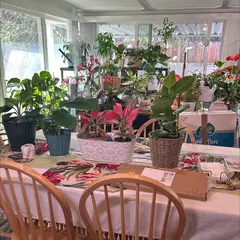

It may be struggling to continue to grow in that small pot or it could be it’s not getting enough light. Check you roots, if they are protruding through the bottom drainage holes or strangled in the soil then it’s time for a new pot. I put mine in a pot one size bigger and used a chunky soil mix made for ariod plants. I added perlite and worm castings. I’ve gotten 3 new leaves since repotting a few months ago. I also keep mine under a grow light for 8-10 hours a day to keep the colors bright. I water every 7-10 days once the soil is dry.


Here is a checklist of the most likely culprits and how to fix them:
1. The #1 Culprit: Root Issues (Overwatering)
If the leaves turning brown are mostly the lower, older leaves, and they feel a bit soft or limp before they drop, the roots are likely staying wet for too long. When roots suffocate in soggy soil, they can't deliver water to the rest of the plant, causing the leaves to brown and drop.
The Fix: Pull the nursery pot out and check the soil. Let the top 2 to 3 inches of the soil dry out completely before you water again. If the soil feels dense, heavy, or like backyard mud, it needs a much chunkier mix. Pink Princesses thrive in a loose, airy medium—adding a generous amount of perlite, orchid bark, and a handful of organic nutrients like worm castings will keep the roots breathing while giving them a gentle health boost.
2. Low Humidity & "Stuck" Leaves
Because Pink Princesses have highly variegated, waxy leaves, the pink parts are structurally weaker than the green parts. If your indoor humidity is low, new leaves can easily get physically trapped inside the leaf sheath (petiole) as they try to unfurl.
The Look: If a leaf takes too long to break free, it can suffer mechanical damage, leading to brown, crispy edges, tearing, or the leaf dying and dropping before it ever fully opens.
The Fix: Boost the humidity around the plant if you can. If you see a new leaf struggling to unfurl, you can wrap a warm, damp paper towel around the sheath for a few minutes to help lubricate and loosen it.
3. Fungal Leaf Spot (Circled Brown Spots)
If the brown spots look like dark, circular lesions—sometimes with a faint yellow ring or "halo" around them—you might be dealing with a fungal issue. This happens when water sits on the leaves for too long or air circulation is low.
The Fix: Trim off the worst-affected leaves to stop the spread. When you water, make sure you are pouring water directly into the soil rather than splashing it over the top of the foliage, and keep the plant in a spot with decent airflow.
4. Direct Sun Scorch
If the brown spots are only appearing on the highly variegated pink sections of the leaves, it could be light burn. The pink parts lack chlorophyll, making them incredibly sensitive to intense, direct sunlight.
The Fix: Ensure it is getting plenty of bright, indirect light, but pull it back a few feet from windows that get harsh, scorching afternoon sun.
1. The #1 Culprit: Root Issues (Overwatering)
If the leaves turning brown are mostly the lower, older leaves, and they feel a bit soft or limp before they drop, the roots are likely staying wet for too long. When roots suffocate in soggy soil, they can't deliver water to the rest of the plant, causing the leaves to brown and drop.
The Fix: Pull the nursery pot out and check the soil. Let the top 2 to 3 inches of the soil dry out completely before you water again. If the soil feels dense, heavy, or like backyard mud, it needs a much chunkier mix. Pink Princesses thrive in a loose, airy medium—adding a generous amount of perlite, orchid bark, and a handful of organic nutrients like worm castings will keep the roots breathing while giving them a gentle health boost.
2. Low Humidity & "Stuck" Leaves
Because Pink Princesses have highly variegated, waxy leaves, the pink parts are structurally weaker than the green parts. If your indoor humidity is low, new leaves can easily get physically trapped inside the leaf sheath (petiole) as they try to unfurl.
The Look: If a leaf takes too long to break free, it can suffer mechanical damage, leading to brown, crispy edges, tearing, or the leaf dying and dropping before it ever fully opens.
The Fix: Boost the humidity around the plant if you can. If you see a new leaf struggling to unfurl, you can wrap a warm, damp paper towel around the sheath for a few minutes to help lubricate and loosen it.
3. Fungal Leaf Spot (Circled Brown Spots)
If the brown spots look like dark, circular lesions—sometimes with a faint yellow ring or "halo" around them—you might be dealing with a fungal issue. This happens when water sits on the leaves for too long or air circulation is low.
The Fix: Trim off the worst-affected leaves to stop the spread. When you water, make sure you are pouring water directly into the soil rather than splashing it over the top of the foliage, and keep the plant in a spot with decent airflow.
4. Direct Sun Scorch
If the brown spots are only appearing on the highly variegated pink sections of the leaves, it could be light burn. The pink parts lack chlorophyll, making them incredibly sensitive to intense, direct sunlight.
The Fix: Ensure it is getting plenty of bright, indirect light, but pull it back a few feet from windows that get harsh, scorching afternoon sun.