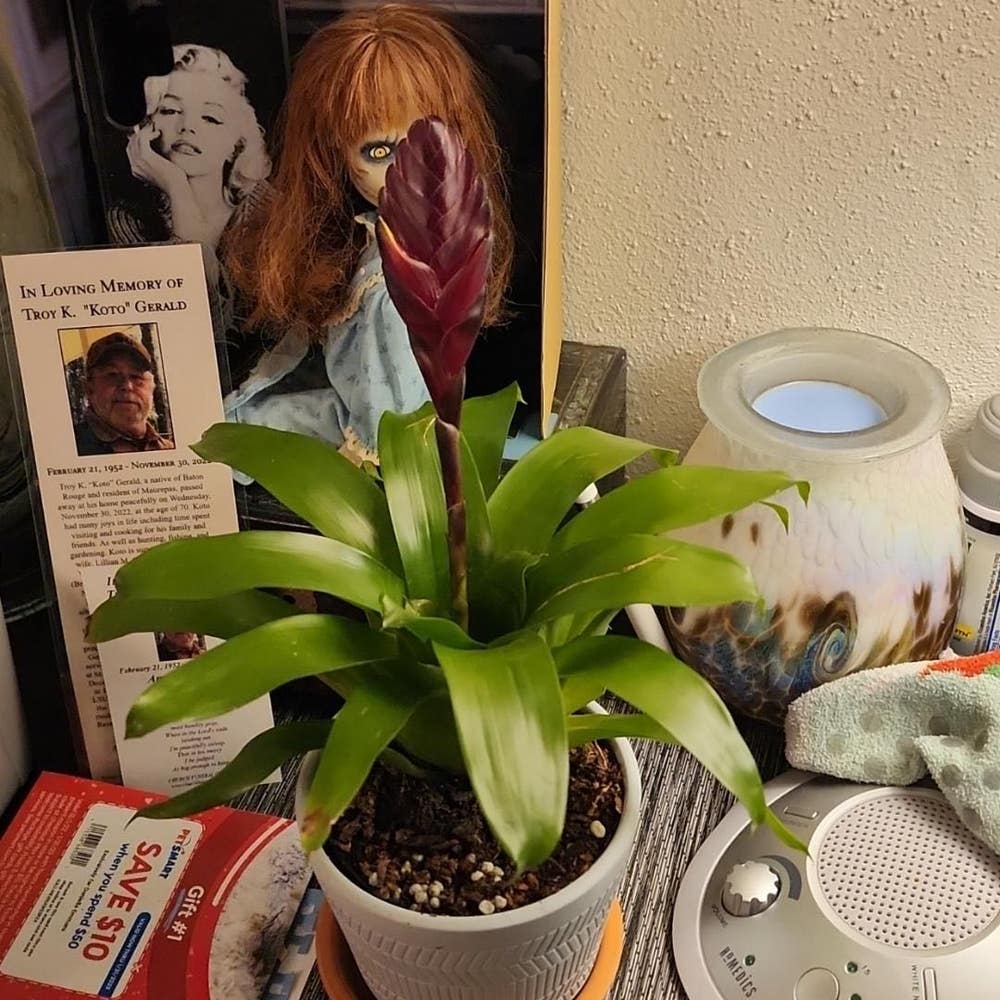
Propagating Your Vriesea fenestralis: Step-by-Step Guide
Vriesea fenestralis
By the Greg Editorial Team
Feb 11, 2024•6 min read
This article was created with the help of AI so we can cover more plants for you. May contain errors. See one? Report it here.
- Offsets, leaf cuttings, or seeds—choose your propagation method.
- 🌱 Provide the right conditions: indirect light, stable temperatures, and humidity.
- Troubleshoot common issues like inadequate light or overwatering for success.
Getting Started with Offsets
🌱 Identifying and Separating Offsets
To propagate Vriesea fenestralis, begin by identifying offsets—these are your future plant stars. Look for young plants nestled against the mother, sporting their own roots but not yet independent. When they're plump enough to handle life solo, it's time to act.
Separation is a delicate process. Gently coax the offset away from the mother plant, using a sterilized blade if they're stubbornly attached. After the cut, let the offset dry for a day to ward off rot, giving it a moment to heal and acclimate.
🌿 Planting and Caring for Offsets
Choose a well-draining soil mix and a snug pot with drainage holes for your offset's new home. Plant it shallowly, ensuring it stands upright, and water sparingly to avoid soggy conditions that can lead to root rot.
Offsets crave a warm, bright environment but say 'no thanks' to the intense midday sun. Aim for a spot with indirect light and stable temperatures, steering clear of chilly drafts and scorching heat. Patience is key; watch for steady growth as your offset settles into its new digs.
Rooting for Success with Leaf Cuttings
🌱 The Leaf Cutting Process
To kickstart propagation, selecting the right leaf is paramount. Look for leaves that are healthy, robust, and show no signs of damage or disease. Using sterilized scissors or a knife, make a clean cut near the base of the leaf. Cleanliness is crucial; any contamination can spell doom for your cutting.
Next, let's talk root initiation. Before planting, allow the leaf cutting to callous over for a day or two. This step is non-negotiable—it's your cutting's armor against rot. Once calloused, you can dip the base in rooting hormone, though it's not a must-have. Plant the cutting in a moist, well-draining mix, such as a blend of peat, perlite, and sand. Water sparingly to avoid sogginess.
🌿 Creating the Perfect Conditions
Creating a microclimate is key for rooting success. Your cuttings need a balance of moisture and air circulation—think of it as a spa day, not a swim meet. Cover the cuttings with a plastic dome or bag to maintain humidity, but remember to let them breathe every few days to prevent mold.
Patience is the name of the game when it comes to rooting. Expect roots to emerge in a few weeks, but keep a vigilant eye on moisture levels. Too much water is a one-way ticket to rot city, while too little turns your propagation efforts into a desert excavation. Once roots appear, gradually acclimate the young plants to less humidity and more air movement. This is the transition from nursery to nature, and it's a delicate dance.
The Seed Propagation Adventure
🌱 From Seed to Seedling
Embarking on the seed propagation journey for Vriesea fenestralis is akin to starting a botanical legacy from scratch. Here's how to get your hands dirty – in the best way possible.
🌾 Collecting Seeds
First, snatch up those seeds from a mature Vriesea fenestralis. Timing is everything; they should practically fall into your lap when they're ripe for the taking.
🧼 Preparing Seeds
Next, give those seeds a spa treatment by cleaning or soaking them. This isn't just busywork; it's about giving them the best shot at life.
🌱 Sowing Seeds
Now, for the fun part. Sow your seeds on the surface of a peat and sand mix. Don't go burying them like pirate treasure; they need light to kickstart the germination rave.
🌡️ Germination Conditions
Finally, crank up the heat to a cozy 24-27°C and keep things humid. Think of it as setting the stage for a tropical getaway right in your propagation tray.
🌱 Seedling Care and Growth
Once you've nailed the seed-starting process, it's time to ensure those green babies thrive.
🌿 Ideal Growth Conditions
Seedlings are like newborns; they need constant care. Provide bright, indirect light and maintain the humidity that reminds them of their rainforest roots.
⏳ Timeline and Patience
Remember, patience is a virtue. Germination can happen in a flash, or it can test your will to live. But once those seed leaves pop up, it's a straight path to victory. True leaves mean it's time to start planning their move to bigger digs.
Keep a keen eye on your seedlings, and before you know it, they'll be all grown up and ready to join the rest of your plant family.
Troubleshooting Propagation Pitfalls
🌱 Common Setbacks
Offsets can be stubborn. If they're not sprouting roots, check for adequate light and moisture. Too much love in the form of water can lead to rot. Less is more here.
💡 Pro Tips for Offsets
For offsets that seem lethargic, ensure they're not sitting in the dark. Bright, indirect light is their jam. Also, resist the urge to overwater; soggy soil is a no-go.
🍃 Leaf Cuttings: The Waiting Game
Patience is key with leaf cuttings. No roots yet? It might just be a matter of time. But, if you're tapping your foot, verify the cutting's health and the medium's moisture level.
🌿 Creating Ideal Conditions for Cuttings
Cuttings need a Goldilocks zone – not too wet, not too dry. Ensure the air around them isn't stale; stagnant air invites unwanted fungal guests. Keep it breezy, so to speak.
🌱 Seed Sowing Snafus
Seeds not germinating? They can be finicky. Consistent moisture and warmth are crucial. If they're playing hard to get, double-check your sowing depth and soil quality.
🌱 Nurturing Seedlings
Seedlings are like infants – vulnerable. Protect them from extreme temperatures and harsh light. If they're looking peaky, consider a gentle fertilizer boost.
🌱 General Propagation Wisdom
If your Vriesea fenestralis is giving you the silent treatment, tweak one variable at a time. And remember, clean tools are the secret sauce to avoiding disease spread.
🌱 The Root of the Problem
Encountering root rot? It's surgery time. Trim the dead parts, let the healthy bits air out, and replant in fresh, well-draining soil. And for heaven's sake, ease up on the watering can.
☀️ Light It Up
Plants throwing shade? They might be craving more light. If the sun is scarce, artificial grow lights can be a game-changer. Think of them as a sun substitute.
🐞 Insects and Intruders
Uninvited guests? Regular inspections can catch pests before they throw a party. If you spot trouble, isolate the plant and treat it with appropriate measures.
Propagation isn't a sprint; it's a marathon with hurdles. Each challenge is a chance to grow – both your plant and your green thumb. Keep at it, and your Vriesea fenestralis will thank you.
⚠️ Safety First
This content is for general information and may contain errors, omissions, or outdated details. It is not medical, veterinary advice, or an endorsement of therapeutic claims.
Always consult a qualified healthcare professional before using any plant as food, medicine, or supplement.
Never eat any plant (or feed one to pets) without confirming its identity with at least two trusted sources.
If you suspect poisoning, call Poison Control (800) 222-1222, the Pet Poison Helpline (800) 213-6680, or your local emergency service immediately.
Spotted an error? Please report it here.
Propagate your Vriesea fenestralis with confidence 🌿 - Greg's reminders and tailored care tips will ensure your offsets and seedlings grow vigorously from these steps!