Propagating Swedish Ivy: The Ultimate Guide
Plectranthus verticillatus
By the Greg Editorial Team
Jun 17, 2024•12 min read
This article was created with the help of AI so we can cover more plants for you. May contain errors. See one? Report it here.
- Stem cuttings are preferred for propagating Swedish Ivy any time of year.
- Bright, indirect light and consistent moisture ensure propagation success.
- Propagating offers savings, customization, and the joy of sharing plants.
Propagation Methods
🌱 Stem Cuttings
Taking stem cuttings is the go-to method for propagating Swedish Ivy. Snip a healthy vine with a sharp, disinfected pair of shears, making a 45° cut above a leaf node. Spring to summer is prime time for this, but honestly, Swedish Ivy isn't picky—any season will do.
🌿 Preparing the Cuttings
Remove the lower leaves, leaving the top ones to do their photosynthesis thing. Dip the cut end in rooting hormone if you're feeling fancy—it's like giving your cuttings a growth spurt, but they'll manage without it too.
🌱 Initial Care
Stick those cuttings in a transparent cup with drainage holes, or just dunk them in water. Keep them moist, not soggy, and in bright, indirect light. No sunbathing, though; we don't want a crispy plant. Tug gently after a few weeks; if there's resistance, you've got roots!
💧 Water Propagation
🌊 The Process
Water propagation is like a magic show for plant nerds. Pop the cuttings in a clear container with water, just enough to submerge the ends. Change the water every few days—think of it as refreshing their drinks.
🌱 Tips for Success
Keep the setup in a spot with bright, filtered light. Watch as roots magically appear within 2-3 weeks. It's a great party trick and a low-maintenance way to grow your green family.
🌱 Soil Propagation
🌱 Direct Planting
For those who prefer a more traditional approach, soil propagation is your old-school jam. Plant the cuttings in a pot with fresh potting mix—think of it as a cozy bed for your plant babies.
🌿 Growth Considerations
Make sure the soil stays as evenly moist as a well-made sponge cake. Give them the same light conditions as the water gang, and soon enough, you'll have roots strong enough to support a new generation of Swedish Ivy.

Rooting and Growth Timeline
🌱 Understanding the Timeline
Swedish Ivy cuttings don't dilly-dally when it comes to rooting. Expect roots to start showing their faces within 2-3 weeks under ideal conditions. It's like they've got a schedule to keep, and they're pretty punctual.
👀 Monitoring Root Development
Keep a hawk's eye on moisture levels; these cuttings are like Goldilocks, wanting conditions that are just right. Too soggy, and they'll throw a fit in the form of root rot. Too dry, and they'll sulk by not growing at all.
🌿 The Growth Spurt
Once roots have made their grand entrance, it's showtime for leaves and stems. This is the establishment stage, where your cuttings start acting like they own the place, expanding over several months. It's like watching a plant-based reality show where the main character flourishes against all odds.
💡 Light: The Secret Sauce
Proper lighting is the secret sauce for stellar growth. It's the difference between a plant that's just surviving and one that's throwing a block party because it's thriving. Aim for a bright, indirect light setup to get the party started.
🍽️ Feeding Frenzy
When you spot that callus forming, it's time to feed. Think of it as a welcome mat for the first roots. A low-strength nutrient solution is your go-to here. It's like giving your cuttings a pep talk before the big game.
🌡️ Humidity: The Balancing Act
In the early days, crank up the humidity to a steamy 90-100%. But don't get too comfortable; you'll want to gradually bring it down to a cozy 65-75% over the course of a week or so. It's like training wheels for your cuttings, easing them into the real world.
🔥 The Heat is On
Bottom heat isn't just for baking bread; it's also a rooting hormone for your cuttings. A media temperature of 22-24°C will have those roots popping up faster than popcorn at a movie theater.
👩🌾 Keeping Watch
Remember, these cuttings are like toddlers; they need constant supervision. Check regularly, and you'll be rewarded with the sight of new growth that's more satisfying than a perfectly executed high-five.

Propagation Care and Maintenance
🌞 Environmental Conditions
Bright, indirect light is crucial for your Swedish Ivy's propagation success. Direct sunlight is a no-go; it's like a sunburn waiting to happen for your delicate cuttings. Aim for that sweet spot where the light is plentiful but gentle.
🚰 Watering Protocol
When it comes to watering, think Goldilocks: not too much, not too little, just right. The soil should stay consistently moist, but you're not running a swamp. Overwatering is the fast track to root rot, while underwatering turns your propagation dreams into crispy nightmares.
💦 Humidity & Temperature
Swedish Ivy cuttings are not divas, but they do appreciate a bit of pampering with higher humidity. No need to turn your space into a tropical rainforest, though. Just a pebble tray or a casual mist can work wonders. Keep the temperature comfortable, between 70°-75°F (21.1°-23.9°C). If it's cozy for you, it's likely cozy for them.
⛅️ Light Requirements
Remember, your cuttings are still finding their feet – or roots, rather. They need enough light to grow but not so much that they wither. Filtered light is your friend here. Think of it as a nurturing embrace rather than a full-on bear hug from the sun.
💧 Watering Tips
Let's talk water. Your cuttings are thirsty, but you don't want to drown them in their infancy. Water when the topsoil feels like a dry martini – slightly dry. And if you're doing the water propagation dance, keep that H2O fresh with a change every couple of days.
💨 Humidity Hacks
Swedish Ivy cuttings aren't too fussy about humidity, but they'll thank you for an environment that doesn't leave them parched. A humidity tray or occasional misting session can be the difference between just surviving and absolutely thriving.
🌡️ Temperature Tips
These cuttings like it warm, but not hot. Think of a pleasant spring day, not a mid-summer scorcher. Keep the thermostat at a comfortable room temperature, and your cuttings will be as happy as plants without faces can be.
Remember, propagation is not a race. It's more like a slow, delightful stroll through the park. Give your Swedish Ivy the care it needs, and it'll reward you with growth that's both vigorous and graceful.
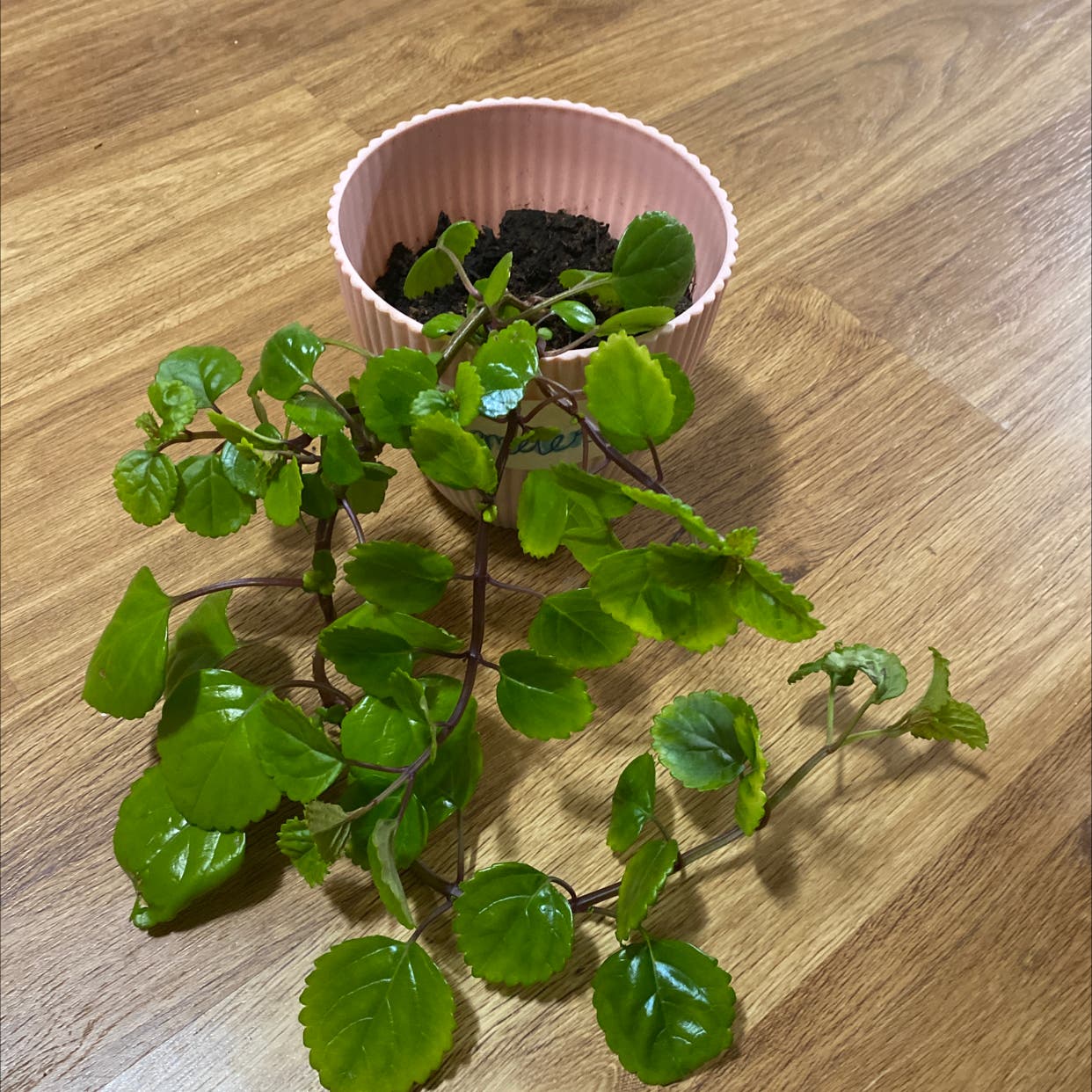
Potting the Propagated Cuttings
Once your Swedish Ivy cuttings have sprouted roots, it's time to transition them to their permanent homes. Here's how to pot them like a pro.
🌱 Choosing the Right Pot
Size matters when it comes to pots. Opt for a container that's 4-6 inches wide for starters, ensuring it has drainage holes to prevent waterlogging. A snug fit is better than a cavernous pot; you don't want your ivy swimming in soil.
🌿 Selecting the Soil
Your cuttings deserve the best medium for growth. A mix of perlite, peat moss, and sphagnum provides the perfect balance of aeration and moisture. Fresh potting soil is non-negotiable—it's the nutrient-rich bed your baby plants need.
🏡 Potting Step-by-Step
- Fill your chosen pot with the soil mix, leaving room for the roots.
- Make a hole in the center; gently place the cutting in without burying the stem too deep.
- Water the soil to settle your plant in its new abode. Aim for moist, not soggy.
🌞 Post-Potting Care
Bright, indirect light is your Swedish Ivy's best friend. Direct sunlight? Not so much—unless you fancy crispy leaves. And remember, those roots are still tender, so keep the soil evenly moist as they acclimate to their new environment.
Humor me—don't just plop your plant in and forget about it. Keep an eye on the moisture level and enjoy watching your propagated cuttings flourish into lush, trailing beauties.
Aftercare of Propagated Plants
Once your Swedish Ivy cuttings have taken root and been potted, the real fun begins. Aftercare is crucial for these juvenile plants to flourish into the lush, trailing beauties you envision.
💧 Watering Regimen
Overwatering is the fast track to plant demise, especially for the newly potted. Let the topsoil dry out slightly between waterings, but never let the deeper soil turn into a desert. Consistency is key—keep the soil moist, not soggy.
🌞 Light and Location
Swedish Ivy thrives in bright, indirect light. Direct sunlight is a no-go; it's like a vampire to these guys—too much and they'll burn. Find a spot that's just right, where the light is like a warm embrace, not a scorching hug.
🌱 Fertilizing for Growth
Feed your young plants with a balanced, water-soluble fertilizer every few weeks during the growing season. Less is more here; think of it as a light snack rather than a full meal to avoid overwhelming them.
🌍 Acclimatization
New environments can be stressful. Gradually introduce your propagated plants to their new surroundings. If they're moving from water to soil, don't rush the transition. Let them get used to the idea, like dipping your toes in the pool before diving in.
🦠 Health Checks
Keep an eye out for pests and diseases. Mealybugs and spider mites are the usual suspects. If you spot any, act fast—like a plant superhero. Insecticidal soap or a damp cloth can be your weapon of choice.
✂️ Pruning for Prosperity
Don't be afraid to give your plants a trim. Pruning encourages bushier growth and keeps them looking sharp. It's like a haircut; sometimes, a little off the top is all you need for a fresh start.
Remember, these plants are still in their formative years. Treat them with care, and they'll grow up to be the envy of your plant collection.
Troubleshooting Common Issues
🌱 Stem and Root Issues
Root rot is a notorious killer in the propagation game. If you spot rot on your cutting's stem or node, don't panic—it's often part of the process. However, if the roots themselves start to decay, you've got trouble. This could be a sign of overwatering or poor drainage. To combat this, ensure your cuttings are in well-draining soil or change the water frequently if you're using the water propagation method.
🌿 Environmental Factors
Cuttings are like teenagers; they thrive with the right balance of freedom and support. Light is crucial—too little and they sulk, too much and they burn. Aim for bright, indirect sunlight. And keep those pruners clean; dirty tools can introduce bacteria, leading to rot organisms.
🐛 Pests and Diseases
Even the most vigilant plant parents can encounter pests or diseases. If you're propagating a rare variety, be extra vigilant. Regularly inspect for mealybugs and aphids, and keep your precious cuttings protected from the elements and critters.
🌱 Nutritional Needs
Yellow leaves? Weak growth? Could be a nutritional deficiency. Hit them with a half-strength dose of liquid fertilizer, but keep it off the leaves and make sure any granular products are well watered into the soil.
💧 Watering Woes
Overwatering can lead to root rot, but underwatering isn't any better. If your cuttings look thirsty, give them a drink with room temperature water—rainwater or filtered tap water is best.
🚫 When to Call It Quits
Sometimes, despite your best efforts, a cutting just won't make it. If a plant is infected with a bacterial or fungal pathogen, it's often best to remove and dispose of it. Don't compost it; you'll just spread the problem.
Remember, propagation is as much an art as it is a science. Keep a keen eye, and don't be afraid to adjust your methods as you learn what works best for your Swedish Ivy cuttings.
Tips for Successful Propagation
🌸 Timing is Everything
Spring and summer are the golden seasons for propagating Swedish Ivy. This is when the plant is in its active growth phase, making it more likely for cuttings to take root and thrive.
✂️ The Right Cut
Snip your cuttings with clean, sharp shears at a 45° angle just above a leaf node. This increases the surface area for rooting and helps prevent infection.
💧 Rooting Hormone: To Dip or Not to Dip
While Swedish Ivy cuttings often root without help, a dip in rooting hormone can speed things up and fend off rot. It's like an insurance policy for your propagation efforts.
💦 Water Wisely
If you're going the water route, refresh it every 2-3 days to keep oxygen levels up and bacteria down. For soil propagation, maintain consistent moisture without waterlogging your hopefuls.
⛅️ Light, But Not Too Bright
Place your cuttings in bright, filtered light. Direct sun is a no-go—it's the equivalent of putting a vampire in daylight.
🕰️ Patience Pays Off
After 2-3 weeks, give your cuttings a gentle tug. Feeling resistance? Congratulations, roots are forming. No movement? Patience, grasshopper. Roots are shy and take time to emerge.
🌱 Transition Time
Once roots are sturdy, it's time for a bigger stage. Choose a pot that's just right—not too big, not too small. Think Goldilocks for plants.
👀 Monitor the Move
After transplanting, keep an eye on your ivy's sunbathing. Up to six hours of indirect light will keep it happy without the risk of sunburn.
❄️ Seasonal Adjustments
Winter can work for propagation with some extra TLC—think heat mats and grow lights. It's like creating a mini spa for your cuttings.
🌿 Real Talk: Challenges Ahead
Not all cuttings are winners. Some might wilt, others may rot. It's the circle of plant life. Learn, adapt, and remember: even the best gardeners face plant drama.
Benefits of Propagating Swedish Ivy
Cost savings are a no-brainer when it comes to propagating Swedish Ivy. Skip the nursery visits; your existing plant is a gold mine for new sprouts. Plant customization is another perk. Got a variegated beauty? Cuttings ensure the offspring are clones of the parent, keeping those unique patterns going strong.
Emotional rewards come in spades. There's a certain thrill in nurturing a cutting into a full-grown plant. It's like baking bread from scratch but without the carbs. Plus, Swedish Ivy isn't just a pretty face; it's a serotonin booster. Touching its leaves might just be the pick-me-up you didn't know you needed.
Air purification is another silent gift from this green ally. It's out there, quietly battling formaldehyde like a leafy ninja. Less toxins, more oxygen – that's a win-win in any book.
Hardiness is Swedish Ivy's middle name. It's like the plant version of a survivalist, braving conditions that would make other plants wilt. Cold snaps? It laughs in the face of frost. And let's not forget the health benefits. Tannins with anti-inflammatory properties? Check. Antioxidants? Check. This plant's a walking pharmacy.
Lastly, the joy of sharing. Propagate a few extra cuttings, and you've got the perfect gift for friends and family. It's personal, it's thoughtful, and it says, "I grew this with my own two hands." Take that, store-bought bouquet.
⚠️ Safety First
This content is for general information and may contain errors, omissions, or outdated details. It is not medical, veterinary advice, or an endorsement of therapeutic claims.
Always consult a qualified healthcare professional before using any plant as food, medicine, or supplement.
Never eat any plant (or feed one to pets) without confirming its identity with at least two trusted sources.
If you suspect poisoning, call Poison Control (800) 222-1222, the Pet Poison Helpline (800) 213-6680, or your local emergency service immediately.
Spotted an error? Please report it here.
Watch your Swedish Ivy flourish by following Greg's tailored reminders 🌱 for the right light, humidity, and watering schedule, ensuring your cuttings turn into thriving plants!

