How Often Should I Water My Swedish Ivy?
Plectranthus verticillatus
By the Greg Editorial Team
Jun 17, 2024•3 min read
This article was created with the help of AI so we can cover more plants for you. May contain errors. See one? Report it here.
- Check soil moisture before watering; finger test up to an inch deep.
- Adjust watering for light, temperature, humidity, and seasonal changes.
- Use distilled/rainwater and bottom watering technique for best results.
Optimal Watering Frequency for Swedish Ivy
💧 Assessing Soil Moisture
Before you water your Swedish Ivy, poke your finger into the soil up to an inch deep. If it feels like a desert, it's time to water. If it's damp, give it a break for a couple of days. The soil type is a big deal here—clay holds a grudge against drying out, while sandy soil is like a sieve.
🌿 Environmental Factors Affecting Watering Schedule
Light, temperature, and humidity aren't just small talk; they're the trifecta affecting your plant's thirst. More light and heat? Your plant will drink like it's at a summer BBQ. Cooler and more humid? It'll sip like it's nursing a hangover. Seasonal changes mean you'll need to adapt—less water in the winter, as if your plant is hibernating.
Remember, your Swedish Ivy doesn't care about your watering schedule. It's all about the soil's mood. Keep an eye on the environment and adjust your watering dance moves accordingly. No rigid routines here—be flexible and attentive.

Recognizing the Signs of Watering Issues
🏜️ Underwatering Symptoms
Wilting is your Swedish Ivy's non-verbal way of saying, "Hey, I could use a drink here!" If the leaves look more defeated than a marathon runner at mile 25, it's time to water. When the soil is as dry as a stand-up comedian's wit, that's your cue to grab the watering can.
🚰 Overwatering Symptoms
On the other end of the spectrum, yellowing leaves might be your plant's way of showing discontent with its soggy living conditions. If the stems have turned into a mushy mess, you've probably been a tad too generous with water. And let's not ignore the foul odor emanating from the soil – that's the smell of regret, also known as root rot.

Best Practices for Watering Swedish Ivy
💧 Watering Techniques
Bottom watering reigns supreme for Swedish Ivy. Submerge the pot in water for about ten minutes; this mimics natural absorption and prevents the leaves from getting wet. Remember, soggy leaves are a no-go—they're an open invitation for fungal gatecrashers. Use distilled or rainwater if you can, as tap water's chlorine and fluoride are like unwanted guests at a plant party.
🌱 Pot Selection and Soil Composition
Choosing a pot for your Swedish Ivy isn't about making a fashion statement. The pot size should be just right—1-2 inches larger than the root ball. Think of it as the plant's personal space. For soil, aim for a mix that's the life of the party: 25-30% houseplant soil, 25-30% perlite or pumice, and a dash of peat moss or coco coir for moisture retention. Don't forget a sprinkle of vermicast for that nutrient kick. Keep the pH slightly acidic, between 5.5 and 6.5, and your Swedish Ivy will thank you by not throwing a tantrum (i.e., root rot).
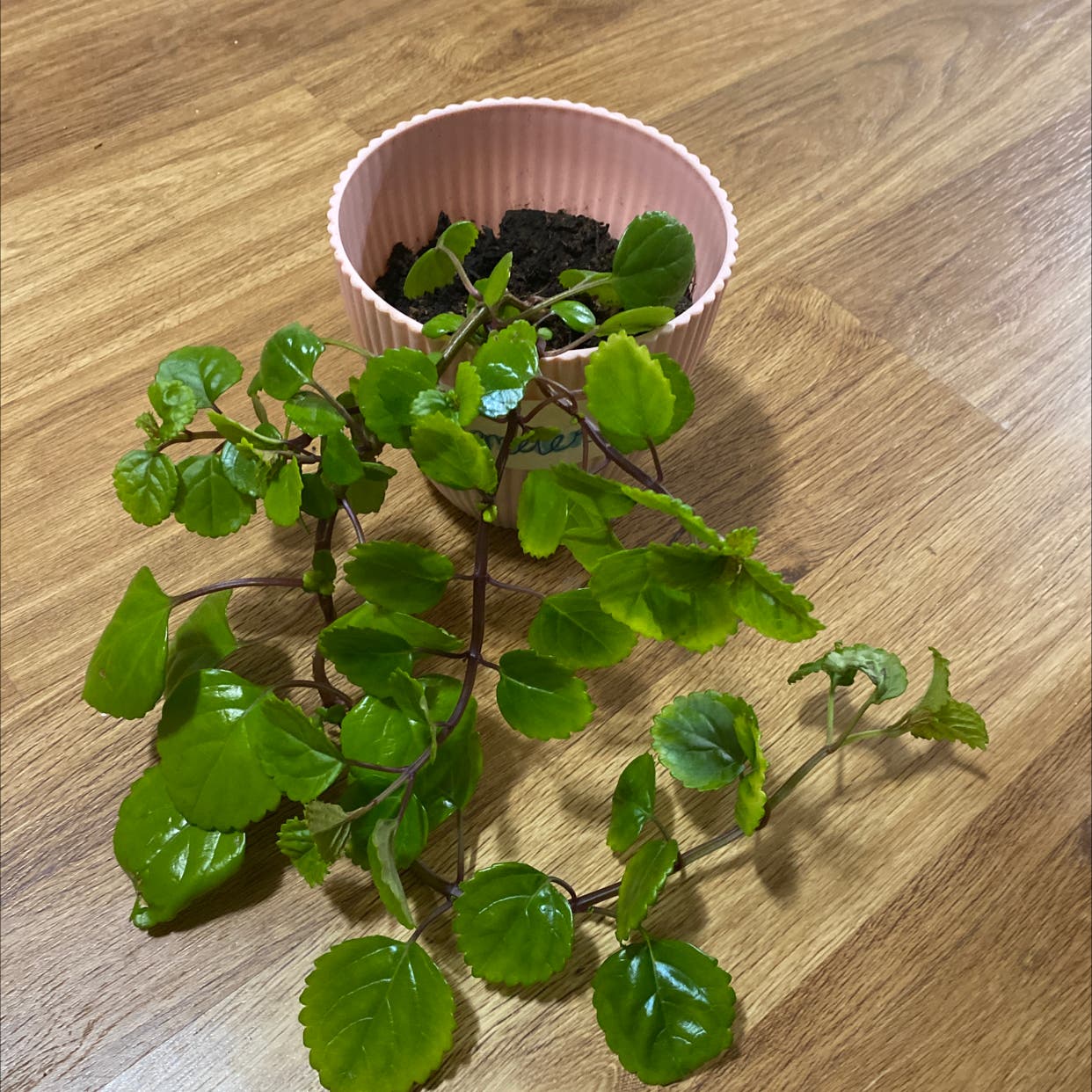
Maintaining Healthy Swedish Ivy Through Watering
🌱 Monitoring Plant Health
Regular health checks are crucial for a thriving Swedish Ivy. Look for vibrant, green leaves and steady growth as signs of well-being.
🚿 Adjusting Watering as the Plant Grows
As your Swedish Ivy matures, tweak your watering routine. Young plants may need more frequent watering, while established ivies thrive with less. Seasonal shifts also dictate watering adjustments—less in winter, more in spring and summer.
⚠️ Safety First
This content is for general information and may contain errors, omissions, or outdated details. It is not medical, veterinary advice, or an endorsement of therapeutic claims.
Always consult a qualified healthcare professional before using any plant as food, medicine, or supplement.
Never eat any plant (or feed one to pets) without confirming its identity with at least two trusted sources.
If you suspect poisoning, call Poison Control (800) 222-1222, the Pet Poison Helpline (800) 213-6680, or your local emergency service immediately.
Spotted an error? Please report it here.
Ensure your Swedish Ivy thrives 🌿 with Greg's personalized watering plans that adapt to your home's conditions, preventing over or under-watering with ease.

