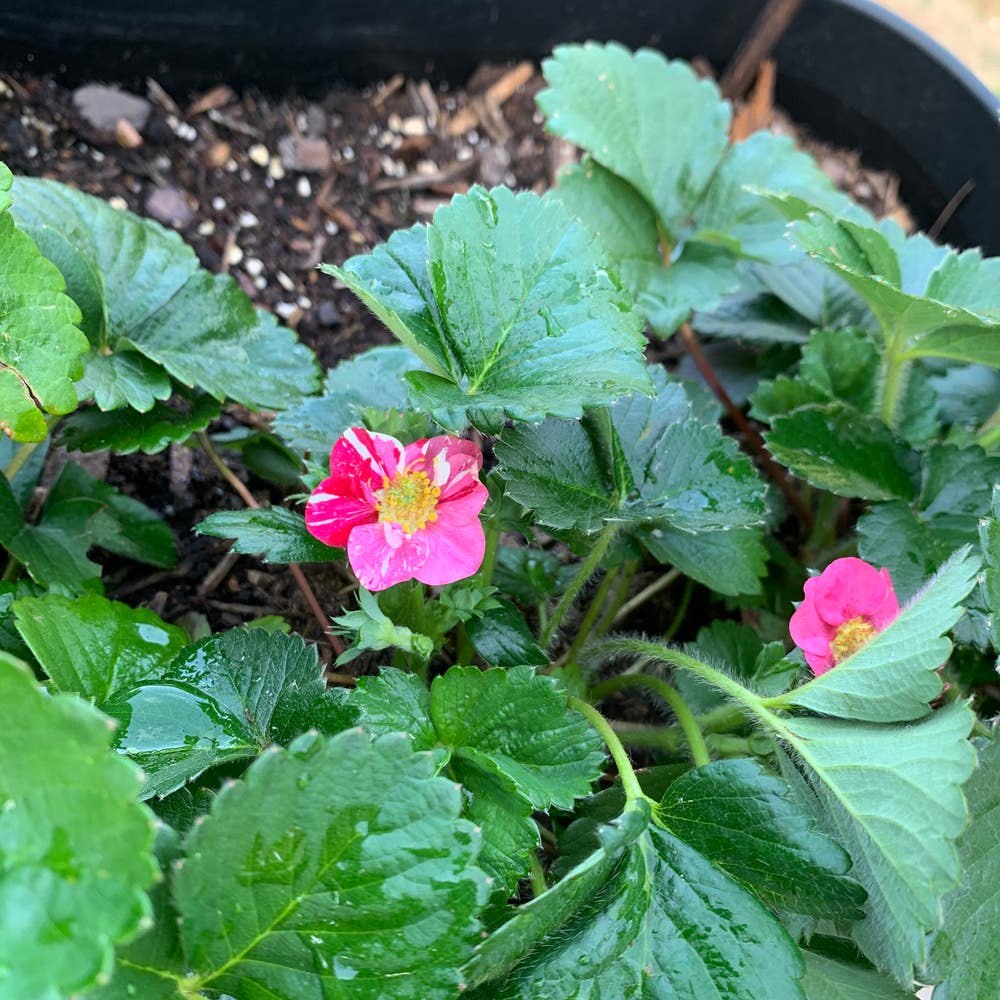
Potentilla zhangbeiensis: A Comprehensive Overview
Potentilla zhangbeiensis
By the Greg Editorial Team
Feb 27, 2025•10 min read
This article was created with the help of AI so we can cover more plants for you. May contain errors. See one? Report it here.
Elevate your garden with Potentilla zhangbeiensis, a low-maintenance beauty that thrives in any setting! 🌼
- 🌞 Potentilla zhangbeiensis thrives in full sun to partial shade, perfect for diverse gardens.
- 🌱 Well-drained soil with pH 6.0-7.0 ensures optimal growth and health.
- 💧 Drought-tolerant once established, but needs regular watering initially for best results.
How to Grow
🌞 Choosing a Location
Potentilla zhangbeiensis thrives in full sun to partial shade, making it versatile for various garden settings. When deciding between outdoor planting and container growing, consider the space and light availability to ensure optimal growth.
🌱 Soil Preparation
This plant prefers well-drained soil that is poor to moderately fertile. Aim for a soil pH between 6.0 and 7.0, which is slightly acidic to neutral, to create the best environment for your Potentilla.
🌿 Planting Techniques
When planting, dig a hole that is 1-2 inches deep to accommodate the roots. Space each plant 12-18 inches apart to allow for healthy growth and airflow.
💧 Watering Requirements
Initially, provide regular watering until the plants are established. Once settled, Potentilla zhangbeiensis becomes drought-tolerant, requiring minimal water.
🌼 Fertilizing Schedule
In early spring, apply a light dose of balanced fertilizer to give your plants a boost. This simple step can enhance growth and flowering.
✂️ Pruning Methods
Prune your Potentilla in late winter or early spring before new growth begins. Deadheading spent flowers encourages more blooms, keeping your garden vibrant.
🛠️ Ongoing Care Tips
Keep an eye out for pests and diseases, as early detection is key. Additionally, mulching helps retain moisture and suppress weeds, making maintenance easier.
With these guidelines, you’ll be well on your way to cultivating a thriving Potentilla zhangbeiensis garden. Next, let’s explore how to propagate this resilient plant effectively.
Propagation
🌱 Seed Propagation
To propagate Potentilla zhangbeiensis from seeds, start with seed stratification. This cold treatment should last for 4-6 weeks to enhance germination rates.
When ready to sow, plant the seeds at a depth of 1/4 inch. This ensures they have the right conditions to sprout effectively.
✂️ Cutting Propagation
Another method is through cuttings, which can be a rewarding way to expand your collection. Select healthy cuttings that are 4-6 inches long from established plants.
For rooting, use a well-draining mix, such as a combination of perlite and peat. This will provide the ideal environment for the cuttings to develop roots.
🌿 Division Propagation
Division is a straightforward technique best performed in early spring or fall when the plant is dormant. Carefully separate clumps of the plant to ensure minimal damage to the roots.
Once divided, replant the sections in suitable locations. This method not only propagates the plant but also helps maintain its health and vigor.
With these propagation techniques, you can easily expand your Potentilla zhangbeiensis garden. Next, let’s explore the lifecycle of this resilient perennial.
Lifecycle
Lifecycle Overview 🌱
Potentilla zhangbeiensis is a perennial plant with a lifespan of 3 to 5 years. Under optimal conditions, germination occurs within 14 to 30 days, setting the stage for its growth journey.
Growth Duration ⏳
After germination, the plant takes about 4 to 6 weeks to establish itself before it begins to flower. This growth phase is crucial for developing a robust structure that supports future blooms.
Flowering Period 🌼
The flowering period typically occurs from late spring to early summer, showcasing vibrant yellow flowers that attract pollinators. This is when the plant truly shines, contributing to garden aesthetics and biodiversity.
Time to Maturity 📈
It takes approximately 1 to 2 years for Potentilla zhangbeiensis to reach its full size. During this time, proper care and attention can significantly enhance its growth and flowering potential.
As we explore the lifecycle of Potentilla zhangbeiensis, understanding its growth stages helps in providing the right care. Next, we will delve into the size of this remarkable plant and what you can expect as it matures.
Size
Mature Dimensions 🌱
Potentilla zhangbeiensis typically reaches a mature height of 12 to 18 inches. Its spread can extend between 18 to 24 inches, making it an excellent choice for filling garden spaces.
Growth Rate and Size Variability 📈
This plant exhibits a moderate growth rate, which can be influenced by factors such as soil quality and light exposure. Size variability is common, as environmental conditions play a significant role in how large these plants can grow.
Understanding these dimensions helps in planning your garden layout effectively. With the right care, Potentilla zhangbeiensis can thrive and add beauty to your landscape.
As we explore further, let’s dive into the root system characteristics that support this resilient plant.
Roots
Root System Characteristics 🌱
Potentilla zhangbeiensis features a fibrous root system that is essential for its stability and nutrient uptake. Typically, the roots extend to a depth of 12-18 inches and spread beyond the plant's canopy, allowing it to effectively anchor itself in various soil types.
Common Root-Related Issues ⚠️
One of the most common problems faced by this plant is root rot, which occurs due to overwatering and poor drainage. Healthy roots should be firm and white, spreading evenly throughout the soil, while unhealthy roots appear dark, mushy, or emit a foul smell.
Signs that a plant may be rootbound include stunted growth and roots emerging from drainage holes. These indicators suggest that the plant needs more space to thrive, prompting a timely intervention to ensure its continued health.
Understanding these root characteristics and issues can help you maintain a robust Potentilla zhangbeiensis, ensuring it flourishes in your garden. Next, let’s explore the various benefits this resilient plant offers.
Benefits
Top 5 Benefits 🌟
Drought Tolerance
Once established, Potentilla zhangbeiensis requires minimal water, making it an excellent choice for water-wise gardens.Attractive Ground Cover
With its vibrant yellow flowers, this plant enhances garden aesthetics, providing a cheerful splash of color.Erosion Control
Its robust root system stabilizes soil in sloped areas, preventing erosion and promoting soil health.Low Maintenance
This hardy perennial demands minimal care, allowing gardeners to enjoy its beauty without constant attention.Biodiversity Support
Potentilla zhangbeiensis attracts pollinators and beneficial insects, contributing to a thriving garden ecosystem.
Cultural Significance 🌍
Potentilla zhangbeiensis symbolizes resilience and adaptability in harsh environments. Its ability to thrive where many plants struggle makes it a testament to nature's tenacity.
This plant not only beautifies spaces but also serves as a reminder of the strength found in diversity and endurance.
Companion Plants
Best Companions 🌼
When growing Potentilla zhangbeiensis, consider pairing it with sedums, alpine asters, and other low-growing perennials. These companions not only complement its aesthetic but also thrive in similar conditions, enhancing the overall beauty of your garden.
Plants to Avoid 🚫
It's crucial to steer clear of aggressive or invasive species that may compete for resources. Such plants can overshadow Potentilla zhangbeiensis, leading to stunted growth and diminished flowering.
By choosing the right companions, you can create a harmonious garden environment that supports the health and vitality of your Potentilla zhangbeiensis. This thoughtful approach will ensure your garden flourishes beautifully.
Next, let’s explore the toxicity of Potentilla zhangbeiensis to humans, dogs, and cats, ensuring a safe gardening experience for all.
Toxicity to Humans
Potentilla zhangbeiensis is not listed as toxic by major poison control centers, making it a safe choice for gardens and landscapes. However, it's wise to exercise caution, as consuming large quantities may lead to mild skin irritation or digestive discomfort.
If you experience any unusual symptoms after contact or consumption, seeking medical advice is recommended. This plant can be enjoyed without significant worry, but awareness is always key when introducing new flora into your environment.
As you explore the benefits of Potentilla zhangbeiensis, remember that knowledge is power. Understanding its characteristics ensures a safe and enjoyable gardening experience.
Next, let’s delve into how this resilient plant interacts with our furry friends, starting with its toxicity to dogs.
Toxicity to Dogs
Potentilla zhangbeiensis is not listed as toxic by major pet poison control centers. This means your furry friends can enjoy the garden without the worry of severe health risks.
However, it's important to note that excessive consumption may lead to mild gastrointestinal upset. Keep an eye on your dog if they decide to munch on the leaves.
🐶 Tips for Introducing to Homes
When introducing Potentilla zhangbeiensis to your home, consider proper placement. Position the plant in areas that are less accessible to your pets to minimize any potential nibbling.
Monitoring your dog's behavior around the plant is also crucial. This way, you can ensure they don't overindulge and maintain a happy, healthy environment for both your pets and your garden.
As you enjoy the beauty of this resilient plant, rest easy knowing it poses minimal risk to your canine companions.
Toxicity to Cats
Potentilla zhangbeiensis is not listed as toxic by major pet poison control centers. This means that, generally speaking, your feline friends can safely coexist with this plant.
However, if consumed in large quantities, there may be potential minor issues such as mild gastrointestinal upset. It's always wise to monitor your cat's behavior around new plants.
🏡 Tips for Introducing to Homes
When introducing Potentilla zhangbeiensis to your home, consider proper placement to minimize any risk. Position the plant in areas that are less accessible to curious cats.
Additionally, keep an eye on your cat's interactions with the plant. Monitoring their behavior can help ensure they don't nibble more than they should.
As you enjoy the beauty of this resilient plant, rest assured that it poses minimal risk to your furry companions. With a little care, you can create a harmonious environment for both your plants and pets.
Next, let's explore the common problems that may arise when growing Potentilla zhangbeiensis.
Problems
Common Problems 🌱
1. Incorrect Watering
Watering issues can lead to wilting or yellowing leaves. To remedy this, adjust your watering frequency based on the plant's needs.
2. Incorrect Light Conditions
If your Potentilla zhangbeiensis exhibits leggy growth or poor flowering, it may not be receiving enough light. Simply move it to a sunnier location to encourage healthy growth.
3. Diseases
Common diseases like powdery mildew and rust can affect your plant. To combat these issues, improve air circulation around the plant and consider applying fungicides as needed.
4. Root Problems
Signs of root problems include root rot or squishy roots. Ensure proper drainage and adjust your watering habits to prevent these issues from occurring.
5. Leaf Issues
Scorching or yellowing leaves can indicate problems with light exposure or watering. Adjust the light conditions or your watering schedule to help your plant thrive.
By staying vigilant and addressing these common problems, you can keep your Potentilla zhangbeiensis healthy and vibrant. Next, let’s explore potential pest issues that may affect your plant.
Bugs
Potential Pest Issues 🐜
Potentilla zhangbeiensis is generally pest-resistant, making it a robust choice for gardens. However, it can still be affected by certain pests that may cause concern.
Identification and Damage 🔍
Spider Mites: Look for fine webbing on the plant and stippled leaves, which indicate their presence. These tiny pests can quickly multiply, leading to significant damage if not addressed.
Aphids: These small insects can cause curling leaves and leave a sticky residue known as honeydew. Their rapid reproduction can lead to infestations that weaken the plant.
Treatment Options 💊
For effective management, consider using neem oil or insecticidal soap. Both options are gentle on the environment and can help control pest populations without harming your plant.
Stay vigilant and monitor your Potentilla zhangbeiensis regularly to catch any pest issues early. This proactive approach will keep your plants healthy and thriving.
Next, let’s explore what animals might be interested in munching on your Potentilla zhangbeiensis.
What Eats Potentilla zhangbeiensis
🦌 Common Animals
Potentilla zhangbeiensis can attract a few hungry visitors. Deer are known to browse on its leaves and stems, leaving behind noticeable signs of their munching.
Rabbits also find this plant appealing, often leaving chewed foliage and stems as evidence of their snacking habits.
🚫 Damage and Deterrent Methods
The damage caused by these animals can be quite significant. You may notice leaf stripping and stunted growth, which can hinder the plant's overall health and appearance.
To protect your Potentilla zhangbeiensis, consider using deterrent methods. Chemical repellents can be effective, and physical barriers like fencing can provide a more permanent solution to keep these critters at bay.
By taking these precautions, you can help ensure your plant thrives without unwanted nibbling.
⚠️ Safety First
This content is for general information and may contain errors, omissions, or outdated details. It is not medical, veterinary advice, or an endorsement of therapeutic claims.
Always consult a qualified healthcare professional before using any plant as food, medicine, or supplement.
Never eat any plant (or feed one to pets) without confirming its identity with at least two trusted sources.
If you suspect poisoning, call Poison Control (800) 222-1222, the Pet Poison Helpline (800) 213-6680, or your local emergency service immediately.
Spotted an error? Please report it here.
Transform your garden with vibrant Potentilla zhangbeiensis 🌼 by using Greg's tailored care reminders to help your plants thrive and attract pollinators effortlessly!