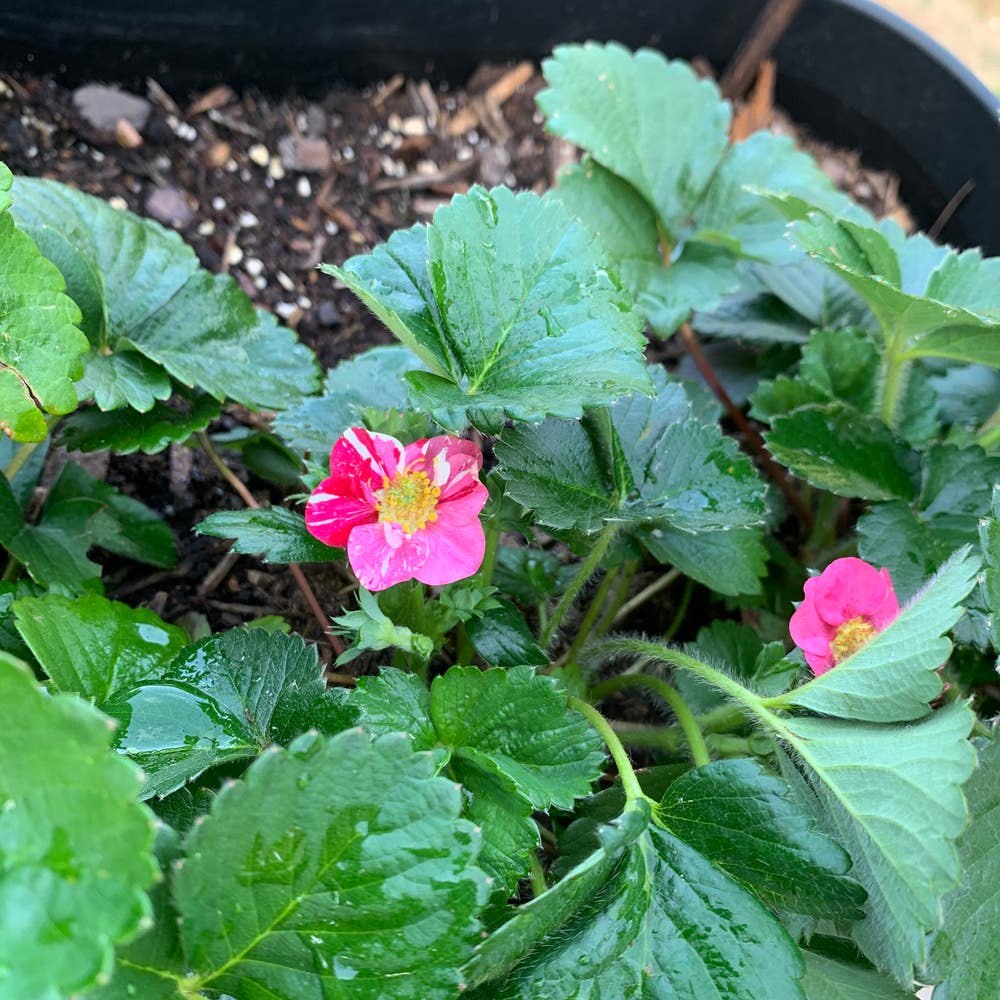
Understanding Potentilla x Subgorodkovii: The Basics
Potentilla x subgorodkovii
By the Greg Editorial Team
Feb 27, 2025•10 min read
This article was created with the help of AI so we can cover more plants for you. May contain errors. See one? Report it here.
- 🌞 Potentilla x Subgorodkovii thrives in full sun to partial shade, perfect for diverse gardens.
- 🌱 Well-drained, fertile soil with pH 6.0-7.0 is essential for optimal growth.
- 🌼 Regular watering and balanced fertilizer ensure vibrant blooms and healthy plants.
How to Grow
Choosing a Location 🌞
Potentilla x Subgorodkovii thrives in full sun to partial shade. When deciding between outdoor planting or container growing, consider the space and light availability in your garden.
Soil Preparation 🌱
For optimal growth, use well-drained, fertile soil. Aim for a soil pH between 6.0 and 7.0, which is slightly acidic to neutral.
Planting Techniques 🌼
The best times to plant are in spring or fall. Ensure you space your plants 18-24 inches apart to allow for healthy growth.
Watering Requirements 🚰
Regular watering is crucial until the plants are established, but be careful to avoid waterlogging. Watch for signs of overwatering, like wilting, or underwatering, indicated by crispy leaves.
Fertilizing Schedule 🍽️
Use a balanced NPK fertilizer to nourish your plants. Apply it in early spring and again in mid-summer for best results.
Pruning Methods ✂️
Prune your Potentilla x Subgorodkovii in late winter or early spring. Techniques like deadheading and shaping will encourage bushier growth and more blooms.
Ongoing Care Tips 👀
Keep an eye out for pests and diseases as part of your ongoing care. Adjust your seasonal care based on changing weather conditions to ensure your plants remain healthy and vibrant.
This section sets the stage for understanding the propagation of Potentilla x Subgorodkovii, which will be explored next.
Propagation
🌱 Seed Propagation Steps
To propagate Potentilla x Subgorodkovii from seeds, timing is crucial. Aim for early spring when the soil warms up for outdoor sowing.
Germination thrives in warm temperatures with consistent moisture. Keep the soil damp but not soggy to encourage healthy sprouting.
✂️ Cutting Propagation Methods
For cutting propagation, select healthy stems that are 4-6 inches long. This ensures you start with vigorous growth.
Use a rooting medium that combines peat and perlite for optimal results. This mix promotes drainage and aeration, essential for root development.
🔪 Division Techniques
Dividing your plants is another effective propagation method. The best time for division is early spring or fall when the plant is less stressed.
To successfully divide, dig up the plant carefully, separate the roots, and replant them in suitable locations. This method not only propagates but also rejuvenates the parent plant, encouraging robust growth.
With these propagation techniques, you can easily expand your Potentilla x Subgorodkovii collection, ensuring a vibrant garden filled with these lovely blooms. Next, let’s explore the lifecycle of this resilient perennial.
Lifecycle
🌱 Lifecycle Stages
Potentilla x Subgorodkovii is a perennial plant that goes through several distinct growth phases. Understanding these stages helps gardeners provide the best care for this beautiful species.
🌱 Germination Process
The germination process typically takes 7-14 days under optimal conditions. Warm temperatures and consistent moisture are crucial for successful sprouting.
🌱 Seedling Stage Development
During the seedling stage, the plant focuses on initial leaf development and establishing its root system. This phase is vital for setting the foundation for future growth.
🌱 Vegetative Growth Phase
The vegetative growth phase usually lasts until late spring. During this time, the plant grows vigorously, developing foliage that supports its upcoming flowering.
🌼 Flowering and Seed Production
Potentilla x Subgorodkovii blooms from late spring to early fall, showcasing its vibrant yellow flowers. This flowering period is not just for aesthetics; it also leads to seed production, ensuring the plant's continuation.
⏳ Lifespan
The lifespan of Potentilla x Subgorodkovii ranges from 3 to 5 years, with full maturity reached in 1 to 2 years. This relatively quick maturation allows gardeners to enjoy its beauty in a short time.
Understanding the lifecycle of Potentilla x Subgorodkovii equips you with the knowledge to nurture it effectively. Next, let’s explore how to propagate this resilient plant for even more blooms in your garden.
Size
Mature Height and Spread 🌱
Potentilla x Subgorodkovii typically grows to a height of 12-18 inches and spreads about 18-24 inches wide. This compact size makes it an excellent choice for various garden settings.
Growth Rate Specifics ⏳
This plant has a moderate growth rate, reaching its full size within 1-2 years. With proper care, you can enjoy its vibrant blooms in no time.
Size Variability 📏
Several factors can influence the size of Potentilla x Subgorodkovii. Soil quality, light exposure, and watering practices all play crucial roles in determining how well your plant thrives.
Understanding these size characteristics will help you plan your garden layout effectively. With the right conditions, this perennial can become a stunning focal point in your landscape.
Roots
🌱 Root System Characteristics
Potentilla x Subgorodkovii features a fibrous root system, which allows for quick establishment in various soil types. This type of root structure also enhances drought resistance, making it a resilient choice for gardeners.
The typical root depth ranges from 12 to 18 inches, with roots spreading beyond the plant's canopy. This extensive network helps the plant access nutrients and water efficiently.
⚠️ Common Root-Related Issues
One of the most common problems faced by Potentilla x Subgorodkovii is root rot, often caused by overwatering. Signs of this issue include wilting leaves and yellowing foliage, indicating that the roots are struggling.
To combat root rot, improving drainage is crucial. Adjusting your watering frequency can also help prevent this condition from occurring.
Healthy roots are typically firm and white, while unhealthy roots appear dark and mushy. Regularly checking the root system can help you identify potential issues early.
Another concern is recognizing rootbound plants. Signs include roots growing out of drainage holes, which indicates that the plant has outgrown its container. Solutions include repotting or dividing the plant to encourage healthy growth.
Understanding these root characteristics and potential issues will help ensure your Potentilla x Subgorodkovii thrives in your garden.
Next, let’s explore the benefits of this versatile plant and why it deserves a spot in your landscape.
Benefits
Top 5 Benefits 🌟
Potentilla x Subgorodkovii offers a range of advantages that make it a favorite among gardeners.
1. Attractive Blooms
The bright yellow flowers of this plant are a stunning addition to any garden. They not only brighten up your landscape but also create a vibrant focal point.
2. Pollinator-Friendly
This plant is a magnet for pollinators, particularly bees and butterflies. By planting Potentilla x Subgorodkovii, you're contributing to the health of local ecosystems.
3. Drought-Tolerant
Once established, this plant is remarkably drought-tolerant. It requires less water than many other garden plants, making it a smart choice for water-conscious gardeners.
4. Low Maintenance
Potentilla x Subgorodkovii is easy to care for, needing minimal attention to thrive. This makes it perfect for busy gardeners or those new to gardening.
5. Versatile Use
Whether you want to enhance borders, create a rock garden, or fill containers, this plant fits the bill. Its adaptability allows for creative landscaping options.
Incorporating Potentilla x Subgorodkovii into your garden not only beautifies your space but also supports biodiversity and reduces maintenance efforts. With its many benefits, it's a plant worth considering for your next gardening project.
Next, let's explore the concept of companion planting and how it can enhance your gardening experience.
Companion Plants
🌱 Companion Planting Concept
Companion planting is a gardening strategy that promotes diversity and enhances pest management. By pairing compatible plants, you can create a thriving ecosystem that benefits all species involved.
🌼 Best Companion Plants
When growing Potentilla x Subgorodkovii, consider these excellent companions:
- Lavender: Its fragrant blooms attract pollinators while repelling pests.
- Salvia: This hardy plant shares similar care needs and adds vibrant color.
- Catmint: Known for its drought tolerance, it complements Potentilla's low maintenance requirements.
These plants not only thrive together but also create a visually appealing garden.
🚫 Plants to Avoid
While some plants work well together, others can compete for resources. Avoid heavy feeders like tomatoes, which may drain nutrients from Potentilla x Subgorodkovii. Keeping your garden balanced ensures that all plants can flourish without stress.
By carefully selecting companion plants, you can enhance the health and beauty of your garden. This thoughtful approach leads to a more resilient and vibrant landscape.
As you plan your garden, consider how these companions can work together, setting the stage for a flourishing environment. Next, let’s explore common problems that may arise in your gardening journey.
Problems
🌱 Common Problems
Incorrect Watering
Watering is crucial for the health of Potentilla x Subgorodkovii. Overwatering can lead to wilting, while underwatering results in crispy leaves.
To remedy this, adjust your watering schedule based on the moisture level of the soil. Regular checks will help you find the right balance.
Incorrect Light Conditions
Light conditions significantly impact growth. If your plant exhibits leggy growth or scorched leaves, it may not be receiving adequate light.
Consider relocating your Potentilla to a spot with more suitable lighting. Full sun to partial shade is ideal for optimal health.
Incorrect Temperature
Extreme temperatures can stunt growth. If you notice your plant struggling, it might be due to heat stress or cold exposure.
Provide shade during heat waves or protection during cold snaps to help your plant thrive. A little attention to temperature can go a long way.
Diseases
Potentilla x Subgorodkovii can fall victim to diseases like powdery mildew and rust. These issues often arise from poor air circulation.
To combat this, ensure good airflow around your plants and apply fungicides if necessary. Keeping an eye on your plants can prevent these diseases from taking hold.
Leaf Issues
Leaf problems can manifest as yellowing or fuzzy growth. These symptoms often indicate issues with watering or nutrient levels.
Assess your watering practices and check nutrient availability to address these concerns. A little troubleshooting can restore your plant's vibrancy.
🏁 Conclusion
By being vigilant about these common problems, you can maintain the health and beauty of your Potentilla x Subgorodkovii. Next, let’s explore potential pest issues that could affect your plant's well-being.
Bugs
🐜 Potential Pest Issues
While Potentilla x Subgorodkovii is generally pest-resistant, it can still fall prey to certain nuisances. Keeping an eye on your plants will help you catch any issues early.
🔍 Identification of Common Pests
Two common pests to watch for are spider mites and aphids. Spider mites leave fine webbing on leaves, while aphids appear as small green or black insects on new growth.
⚠️ Damage Caused by Pests
Pest damage can manifest in several ways. Look for symptoms like wilting, yellowing leaves, and stunted growth, which indicate your plant may be struggling.
🧪 Effective Treatment Options
For treatment, consider organic methods first. Neem oil and insecticidal soap are effective options that won't harm beneficial insects.
If the infestation is severe, you might need to resort to chemical pesticides. Always target these treatments specifically to minimize impact on the surrounding ecosystem.
✅ Conclusion
By staying vigilant and addressing pest issues promptly, you can ensure your Potentilla x Subgorodkovii thrives. Next, let’s explore what animals might be munching on your plants and how to deter them effectively.
What Eats Potentilla x Subgorodkovii
🦌 Common Animal Pests
Potentilla x Subgorodkovii can attract a few common animal pests. Deer are notorious for their appetite, leaving behind chewed leaves and broken stems as evidence of their visit.
Rabbits also enjoy this plant, often nibbling on the lower leaves, which can lead to noticeable damage in your garden.
💔 Types of Damage
The damage caused by these pests can be quite frustrating. Browsing on foliage and stems not only affects the plant's appearance but can also hinder its growth and overall health.
🚫 Deterrent Methods
To protect your Potentilla x Subgorodkovii, consider using deterrent methods. Chemical repellents, such as commercial deer and rabbit deterrents, can be effective in keeping these animals at bay.
Alternatively, you can opt for organic methods. Planting strong-smelling herbs nearby can create a natural barrier, making your garden less appealing to these hungry visitors.
By implementing these strategies, you can enjoy the beauty of your Potentilla x Subgorodkovii without the worry of unwanted munchers.
⚠️ Safety First
This content is for general information and may contain errors, omissions, or outdated details. It is not medical, veterinary advice, or an endorsement of therapeutic claims.
Always consult a qualified healthcare professional before using any plant as food, medicine, or supplement.
Never eat any plant (or feed one to pets) without confirming its identity with at least two trusted sources.
If you suspect poisoning, call Poison Control (800) 222-1222, the Pet Poison Helpline (800) 213-6680, or your local emergency service immediately.
Spotted an error? Please report it here.
Unlock a blooming garden paradise 🌼 with Potentilla x Subgorodkovii by using Greg's tailored care tips and watering reminders to keep your plants thriving!