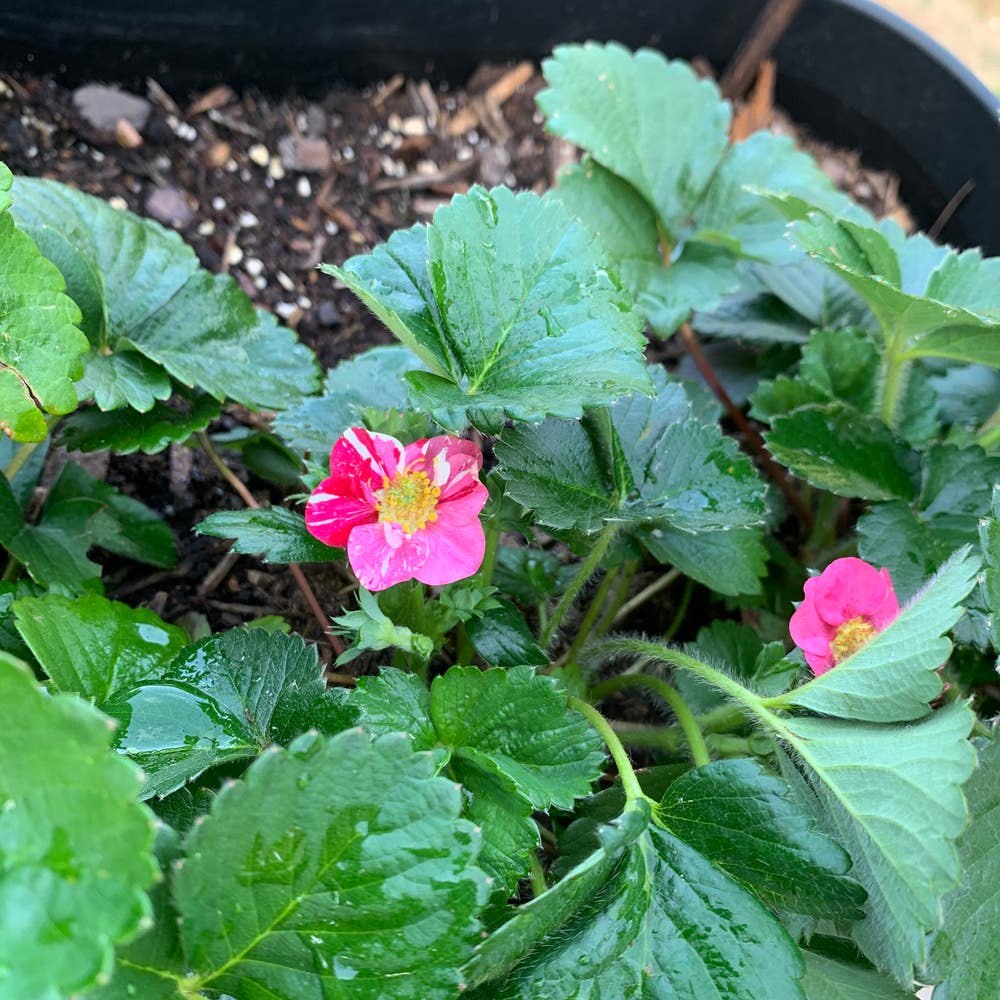
🌼 Potentilla x Diskleii Explained: Key Information
Potentilla x diskleii
By the Greg Editorial Team
Feb 27, 2025•9 min read
This article was created with the help of AI so we can cover more plants for you. May contain errors. See one? Report it here.
Elevate your garden's beauty effortlessly with Potentilla x Diskleii, a vibrant, pollinator-friendly gem! 🌼
- 🌞 Potentilla x Diskleii needs 6-8 hours of sunlight for optimal growth.
- 🌱 Ideal soil is well-drained sandy loam with pH 6.0 to 7.0.
- 🐝 Attracts pollinators like bees and butterflies, enhancing garden biodiversity.
How to Grow
Choosing a Location 🌞
To thrive, Potentilla x Diskleii needs full sun exposure, ideally receiving 6-8 hours of sunlight daily. Additionally, consider drainage; avoid low-lying areas that are prone to waterlogging, as this can hinder growth.
Soil Preparation 🌱
The ideal soil type for Potentilla x Diskleii is well-drained sandy loam. Aim for a soil pH that is slightly acidic to neutral, ranging from 6.0 to 7.0, to ensure optimal health.
Planting Techniques 🌿
When planting, ensure the depth is 1-2 inches below the soil surface. Space the plants 18-24 inches apart to allow for optimal growth and air circulation.
Watering Requirements 💧
After planting, give your Potentilla a deep watering to help establish roots. Moving forward, water the plants when the top inch of soil feels dry, making it an easy task to manage.
Fertilizing Schedule 🌼
Use a balanced NPK (10-10-10) fertilizer to nourish your plants. Apply it every 4-6 weeks during the growing season for the best results.
Pruning Methods ✂️
Prune your Potentilla in late winter or early spring, just before new growth begins. Deadheading spent flowers not only keeps the plant tidy but also encourages more blooms throughout the season.
Ongoing Care Tips 🔍
Keep an eye out for pests and diseases that may affect your plants. Regularly check soil moisture levels to ensure your Potentilla x Diskleii remains healthy and vibrant.
With these straightforward guidelines, you can cultivate a thriving Potentilla x Diskleii that enhances your garden's beauty. Next, let’s explore how to propagate this resilient plant for even more garden joy.
Propagation
🌱 Seed Propagation
Starting your Potentilla x Diskleii from seeds is a rewarding process. Begin by sowing seeds indoors 6-8 weeks before the last frost to give them a head start.
To ensure successful germination, maintain a temperature between 65-70°F (18-21°C). This warm environment encourages healthy seedling development.
✂️ Cutting Propagation
If you prefer a quicker method, consider propagation through cuttings. Select healthy stems and cut them into 4-6 inch sections for the best results.
For rooting, use a mix of peat and perlite. This combination provides excellent drainage and aeration, essential for root development.
Place the cuttings under a humidity dome to maintain moisture. Expect roots to develop in about 2-4 weeks, signaling that your new plants are ready for the next stage.
With these propagation techniques, you can easily expand your Potentilla x Diskleii collection. Now, let’s explore the size of these beautiful plants.
Size
Mature Height and Spread 🌱
Potentilla x Diskleii typically reaches a height of 12 to 18 inches and spreads about 18 to 24 inches wide. This compact size makes it an excellent choice for various garden settings.
Growth Rate and Size Variability 📈
The growth rate of Potentilla x Diskleii can vary significantly based on several factors. Key influences include soil quality, sunlight exposure, and water availability, all of which play a crucial role in determining the plant's overall size.
Impact of Growing Conditions on Size 🌤️
When grown under optimal conditions, these plants tend to be fuller and more robust. Conversely, poor growing conditions can stunt their growth, leading to less impressive specimens.
Understanding these size dynamics can help you create a thriving garden that showcases the beauty of Potentilla x Diskleii. Next, let’s explore the numerous benefits this plant brings to your landscape.
Benefits
Five Key Benefits 🌼
Potentilla x Diskleii offers a range of advantages that make it a fantastic choice for any garden.
Attracts Pollinators: This plant is a magnet for bees and butterflies, enhancing garden biodiversity and supporting local ecosystems.
Long Blooming Period: With its vibrant flowers, Potentilla x Diskleii provides continuous color throughout the growing season, ensuring your garden remains lively and attractive.
Drought-Tolerant: Once established, this plant requires minimal watering, making it an excellent option for those looking to conserve water and reduce maintenance.
Low Maintenance: Ideal for beginner gardeners, Potentilla x Diskleii thrives with little care, allowing you to enjoy a beautiful garden without the stress of constant upkeep.
Versatile in Landscape Design: Whether used in borders or containers, this plant adapts well to various settings, adding charm and character to any landscape.
Incorporating Potentilla x Diskleii into your garden not only enhances its beauty but also supports a sustainable environment. With its numerous benefits, it's a smart choice for both novice and experienced gardeners alike.
Ready to explore how to grow this stunning plant? Let’s dive into the next section!
Problems
🌱 Common Problems Faced
Incorrect Watering
One of the most common issues with Potentilla x Diskleii is incorrect watering. Symptoms include wilting or yellowing leaves, which indicate that the plant is either overwatered or underwatered.
To remedy this, adjust your watering frequency based on the moisture level of the soil. Always check the top inch of soil before watering to ensure it’s dry.
Incorrect Light Conditions
Another frequent problem arises from inadequate light exposure. If your plants exhibit leggy growth or sparse blooms, they may not be receiving enough sunlight.
Ensure your Potentilla x Diskleii gets full sun exposure for at least 6-8 hours daily to promote healthy growth and vibrant flowers.
Diseases
Fungal diseases can also plague your plants, with powdery mildew and rust being the most common culprits. These issues often arise in humid conditions or when air circulation is poor.
To combat these diseases, improve air circulation around your plants and apply fungicides if necessary. Regular monitoring can help catch these problems early.
Root Problems
Root rot is another serious concern, often indicated by mushy roots. This condition typically results from overwatering or poor drainage.
To prevent root rot, ensure your planting area has good drainage and adjust your watering habits accordingly. Healthy roots are crucial for a thriving plant.
Leaf Issues
Lastly, leaf issues such as scorching or yellowing can occur due to various factors, including pests or improper watering. If you notice these symptoms, it’s essential to check for pests and adjust your watering schedule.
By staying vigilant and addressing these common problems, you can keep your Potentilla x Diskleii healthy and flourishing. Next, let’s explore the potential pest issues that may affect your plants.
Bugs
🐜 Potential Pest Issues
While Potentilla x Diskleii is generally pest-resistant, it can still fall prey to a few common nuisances. Keeping an eye out for these pests can help maintain the health of your plants.
🔍 Identification and Damage Caused by Pests
Spider Mites: Look for fine webbing on leaves and stippled discoloration. These tiny pests can quickly damage your plants if not addressed.
Aphids: These small insects leave behind a sticky residue and can cause leaves to curl. Their presence can indicate a larger issue if not managed promptly.
🧴 Treatment Options for Pest Control
For effective pest control, consider using neem oil or insecticidal soap. Both options are gentle yet effective, helping to keep your Potentilla x Diskleii thriving without harsh chemicals.
By staying vigilant and treating any pest issues early, you can enjoy a vibrant and healthy garden. Next, let’s explore what animals might be tempted to munch on your beautiful plants.
What Eats Potentilla x Diskleii
🦌 Common Animals That May Damage
Potentilla x Diskleii can attract a few unwelcome visitors in your garden. Deer are notorious for munching on these plants, leaving behind chewed leaves and broken stems as evidence of their feast.
Rabbits also find Potentilla x Diskleii appealing, often resulting in clipped stems and missing foliage. Keeping an eye out for these signs can help you protect your plants before significant damage occurs.
🚫 Methods for Deterring Animals
To keep these hungry herbivores at bay, consider installing fencing around your garden. A sturdy barrier can effectively prevent deer and rabbits from accessing your precious plants.
Additionally, using repellents can be a game-changer. You can opt for commercial solutions or whip up homemade mixtures to deter these animals. Regularly applying these deterrents can help maintain the beauty of your Potentilla x Diskleii and ensure they thrive in your garden.
Toxicity to Humans
Safety of Potentilla x Diskleii for Humans 🌿
Potentilla x Diskleii is generally considered safe for humans. Major poison control centers do not list it as toxic, which is a relief for gardeners and plant enthusiasts alike.
However, it's important to note that consuming large quantities may lead to mild skin irritation or digestive discomfort. If you experience any unusual symptoms after contact or consumption, it's wise to seek medical advice.
While this plant can enhance your garden's beauty, always exercise caution and stay informed. Your health and safety should come first, even with non-toxic plants!
Toxicity to Dogs
Safety of Potentilla x Diskleii for Dogs 🐶
When it comes to Potentilla x Diskleii, pet owners can breathe a sigh of relief. This plant is not considered toxic according to major pet poison control centers.
However, it's worth noting that if consumed in large quantities, it may cause mild gastrointestinal upset in dogs. To ensure your furry friend stays safe, it's a good idea to keep this plant out of reach and monitor their behavior around it.
By taking these simple precautions, you can enjoy the beauty of Potentilla x Diskleii in your garden without worrying about your dog's health.
Conclusion 📝
With its non-toxic nature, Potentilla x Diskleii can be a delightful addition to your landscape. As you explore more about this resilient plant, you'll find it offers both aesthetic appeal and peace of mind for pet owners.
Toxicity to Cats
Safety of Potentilla x Diskleii for Cats 🐱
Potentilla x Diskleii is not considered toxic to cats, according to major pet poison control centers. This means you can enjoy this beautiful plant in your garden without worrying about harming your feline friends.
However, it's worth noting that consuming large quantities may lead to mild gastrointestinal upset. While this isn't a serious concern, it's always a good idea to monitor your cat's behavior around any plants.
To keep your cat safe, consider placing the plant out of reach. This simple precaution can help prevent any curious nibbling and ensure your pet stays happy and healthy.
⚠️ Safety First
This content is for general information and may contain errors, omissions, or outdated details. It is not medical, veterinary advice, or an endorsement of therapeutic claims.
Always consult a qualified healthcare professional before using any plant as food, medicine, or supplement.
Never eat any plant (or feed one to pets) without confirming its identity with at least two trusted sources.
If you suspect poisoning, call Poison Control (800) 222-1222, the Pet Poison Helpline (800) 213-6680, or your local emergency service immediately.
Spotted an error? Please report it here.
Grow a vibrant garden 🌼 with Potentilla x Diskleii by using Greg's personalized watering reminders and tailored care tips to keep your plants thriving all season long!