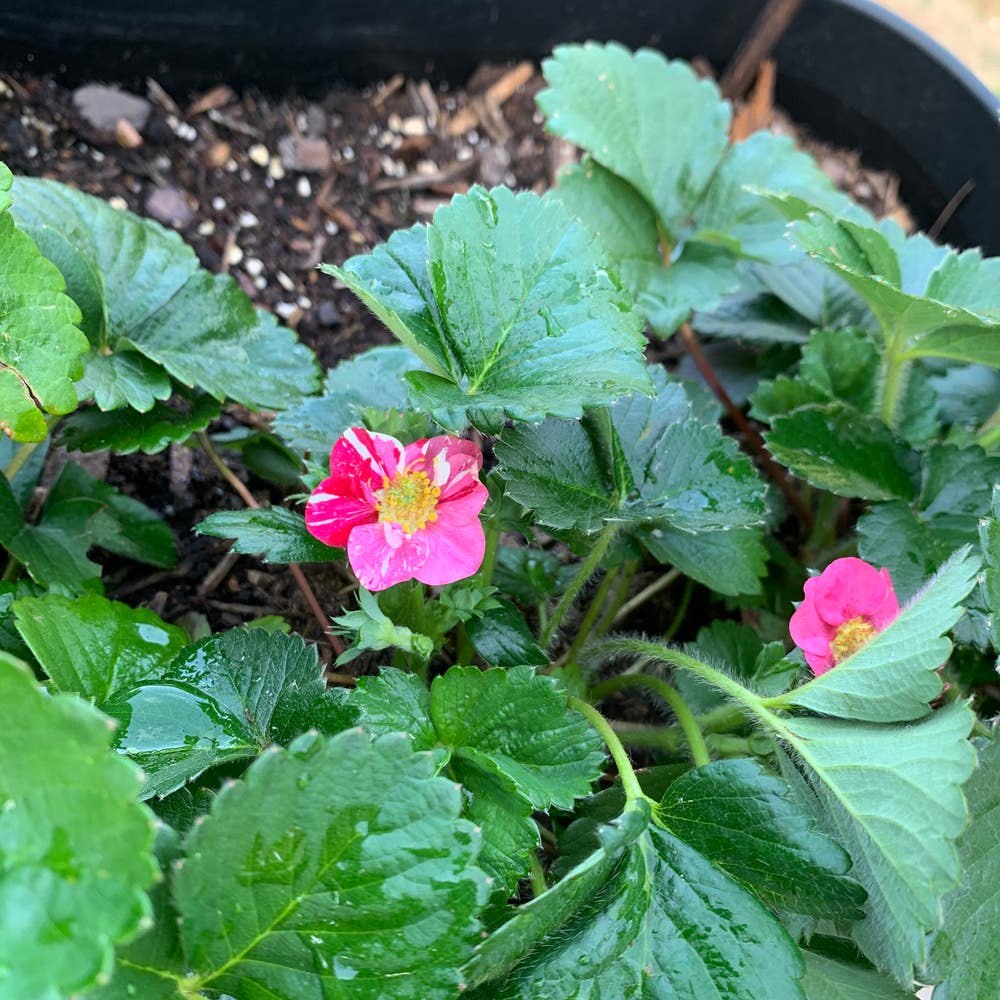
Understanding Potentilla vorobievii: The Basics
Potentilla vorobievii
By the Greg Editorial Team
Feb 27, 2025•11 min read
This article was created with the help of AI so we can cover more plants for you. May contain errors. See one? Report it here.
Elevate your garden with Potentilla vorobievii, a low-maintenance beauty that attracts pollinators and thrives effortlessly! 🌼
- 🌞 Potentilla vorobievii thrives in full sun to partial shade; choose planting location wisely.
- 🌱 Well-drained, slightly acidic soil is essential for optimal growth and health.
- 🐝 Attracts pollinators like bees and butterflies, enhancing your garden's biodiversity.
How to Grow
Choosing a Location 🌞
Potentilla vorobievii thrives in full sun to partial shade. When selecting a spot, consider its proximity to other plants, ensuring adequate drainage and optimal sunlight exposure.
Soil Preparation 🏞️
This plant prefers well-drained, fertile soil with a slightly acidic to neutral pH, ideally between 6.0 and 7.0. Before planting, enrich the soil with compost or organic matter to boost fertility.
Planting Techniques 🌱
The best times to plant are in spring or fall. Space your plants 18-24 inches apart and ensure they are planted at the same depth as they were in their nursery containers.
Watering Requirements 🚰
After planting, give your Potentilla a deep watering to help establish roots. During dry spells, maintain regular watering while avoiding waterlogging to keep the roots healthy.
Fertilizing Guidelines 🍽️
Fertilize your plants in early spring and mid-summer to support growth. A balanced NPK fertilizer, such as 10-10-10, applied at half strength works best.
Pruning Methods ✂️
Prune your Potentilla in late winter or early spring, just before new growth begins. Focus on removing any dead or damaged stems to encourage healthy development.
Ongoing Care Tips 🌿
Applying organic mulch around your plants helps retain moisture and suppress weeds. Regularly check for pests and diseases to ensure your Potentilla remains healthy and vibrant.
With these guidelines, you'll be well on your way to cultivating a thriving Potentilla vorobievii in your garden. Next, let’s explore how to propagate this resilient plant for even more beauty in your landscape.
Propagation
🌱 Seed Propagation
Starting your Potentilla vorobievii from seeds is a rewarding process. Begin by sowing seeds indoors 6-8 weeks before the last frost to give them a head start.
To ensure successful germination, maintain consistent moisture and warmth, ideally around 70°F (21°C). This creates a cozy environment for your seeds to sprout.
✂️ Cutting Propagation
If you prefer a quicker method, consider propagation through cuttings. Select healthy, non-flowering stems to ensure robust growth.
For the rooting medium, a mix of perlite and peat moss works wonders. Place the cuttings under a humidity dome, and in just 2-4 weeks, you’ll see roots developing.
This propagation method not only expands your garden but also allows you to share this beautiful plant with friends and family. With a little patience and care, you’ll have thriving Potentilla vorobievii ready to flourish in your garden.
Next, let’s explore the lifecycle of this fascinating perennial plant.
Lifecycle
Lifecycle Stages 🌱
Potentilla vorobievii is classified as a perennial plant, boasting a lifespan of 3 to 5 years. This longevity allows it to thrive in various garden settings, providing beauty and resilience.
Germination Process 🌱
The germination process for this plant typically takes 7 to 14 days under optimal conditions. Providing consistent moisture and warmth is crucial during this stage to ensure successful sprouting.
Seedling Development 🌱
Once germinated, seedlings exhibit small leaves and begin establishing their initial root systems. This early development is vital for the plant's future growth and stability.
Vegetative Growth Phase 🌱
The vegetative growth phase lasts about 1 to 2 years until the plant reaches maturity. During this time, it focuses on building a robust structure and expanding its foliage.
Flowering and Seed Production 🌼
Potentilla vorobievii blooms from late spring to early summer, showcasing its vibrant flowers. After flowering, seed production occurs, typically in late summer, allowing for propagation and continued growth.
Growth Timeline and Speed 📈
Full maturity is generally achieved in approximately 2 years. The growth rate is moderate, with the plant reaching a height of 12 to 24 inches, making it an attractive addition to any garden.
This lifecycle overview highlights the resilience and adaptability of Potentilla vorobievii, ensuring it remains a favorite among gardeners. As we explore its size next, we’ll uncover how growing conditions can influence its overall dimensions.
Size
Mature Height and Spread 🌱
Potentilla vorobievii typically reaches a height of 12 to 24 inches and spreads about 18 to 24 inches wide. This compact size makes it an excellent choice for borders or as a ground cover in your garden.
Growth Rate and Size Variability 📈
The size of Potentilla vorobievii can vary based on several factors. Soil quality, sunlight exposure, and water availability all play crucial roles in determining how robust your plants will grow.
Impact of Growing Conditions on Size 🌞
To achieve maximum growth, provide optimal conditions. Well-drained soil combined with full sun will encourage your Potentilla vorobievii to thrive, showcasing its vibrant foliage and flowers.
As you consider planting this resilient perennial, remember that the right environment can significantly enhance its growth potential. This sets the stage for a flourishing garden that attracts pollinators and adds beauty to your landscape.
Roots
Root System Characteristics 🌱
Potentilla vorobievii features a fibrous root system, which is essential for its stability and nutrient uptake. This type of root structure allows the plant to efficiently absorb water and nutrients from the soil.
Depth and Spread of Roots 📏
Typically, the roots extend to a depth of 12-18 inches. They also spread beyond the plant's canopy, helping to anchor it firmly in the ground.
Common Root-Related Issues ⚠️
Root health is crucial for the overall vitality of Potentilla vorobievii. Common problems include root rot, often caused by overwatering, and rootbound conditions in containers, which can stunt growth.
Identifying Healthy vs. Unhealthy Roots 🔍
Healthy roots are firm, white, and spread evenly throughout the soil. In contrast, unhealthy roots may appear dark, mushy, or emit a foul smell, indicating potential issues.
Recognizing Rootbound Plants 🪴
Signs of a rootbound plant include stunted growth and roots emerging from drainage holes. If you notice these symptoms, consider repotting into a larger container or dividing the plant to encourage healthier growth.
Understanding the root system of Potentilla vorobievii is vital for its care and maintenance. With proper attention to its roots, you can ensure a thriving plant that enhances your garden.
Benefits
List of 5 Benefits 🌼
Potentilla vorobievii offers a range of benefits that make it a valuable addition to any garden.
Attracts Pollinators: This plant is a magnet for bees and butterflies, enhancing garden biodiversity.
Drought-Tolerant: Once established, it requires minimal watering, making it perfect for water-wise gardening.
Low Maintenance: Ideal for novice gardeners, it thrives with little intervention, allowing you to enjoy your garden without constant upkeep.
Ground Cover: Its spreading habit helps prevent soil erosion, stabilizing the ground and protecting your landscape.
Herbal Uses: Traditionally, Potentilla vorobievii has been used in herbal remedies, showcasing its versatility beyond aesthetics.
Cultural Significance 🌍
Beyond its practical benefits, Potentilla vorobievii symbolizes resilience and beauty in natural landscapes.
This plant thrives in various conditions, representing the strength of nature. Its presence in gardens not only beautifies the space but also connects us to a rich cultural heritage of using plants for both beauty and utility.
Incorporating Potentilla vorobievii into your garden not only enhances its visual appeal but also contributes to a sustainable ecosystem.
As we explore the next section, consider how this plant can work alongside others to create a thriving garden environment.
Companion Plants
Concept of Companion Planting 🌱
Companion planting is a gardening strategy that promotes the growth of diverse plant species together. This approach enhances garden diversity, improves pest management, and boosts overall plant health.
Best Companion Plants 🌼
When considering companions for Potentilla vorobievii, opt for drought-tolerant perennials like lavender and Salvia. These plants share similar care requirements and can deter pests, creating a harmonious garden environment.
Plants to Avoid 🚫
Be cautious of heavy feeders such as tomatoes when selecting companions. These plants compete for nutrients, which can hinder the growth of Potentilla vorobievii and lead to imbalances in your garden ecosystem.
Incorporating the right companions not only supports the health of your Potentilla vorobievii but also enriches the entire garden. Next, let’s explore the potential toxicity of this resilient plant to humans and pets.
Toxicity to Humans
🛡️ Safety of Potentilla vorobievii for Humans
Potentilla vorobievii is generally considered safe for humans. Major poison control centers do not list it as toxic, making it a worry-free addition to your garden.
⚠️ Potential Minor Issues
While it's safe, consuming large quantities may lead to mild skin irritation or digestive discomfort. It's always best to enjoy this plant in moderation.
🚨 Caution Statement
Even though Potentilla vorobievii is deemed safe, it's wise to exercise caution. If you experience any unusual symptoms after contact or consumption, seek medical advice promptly.
This plant can enhance your garden without the fear of toxicity, allowing you to focus on its beauty and benefits. Next, let’s explore how Potentilla vorobievii interacts with our furry friends!
Toxicity to Dogs
Safety of Potentilla vorobievii for Dogs 🐶
Potentilla vorobievii is not listed as toxic by major pet poison control centers. This means you can enjoy this beautiful plant in your garden without worrying about your furry friends getting harmed.
Potential Minor Issues ⚠️
While generally safe, consuming large quantities of Potentilla vorobievii may lead to mild gastrointestinal upset in dogs. It's always best to monitor your pet's behavior around new plants.
Tips for Introducing to Homes with Dogs 🏡
When introducing Potentilla vorobievii to your home, keep it out of reach of your dogs. Regularly monitor their interactions with the plant to ensure they don’t nibble on it too much.
As you enjoy the beauty of Potentilla vorobievii, remember to keep an eye on your pets. This way, you can create a safe and vibrant garden space for everyone!
Toxicity to Cats
Safety of Potentilla vorobievii for Cats 🐱
Potentilla vorobievii is considered safe for cats, as it is not listed as toxic by major pet poison control centers. This means you can enjoy this beautiful plant in your garden without worrying about your feline friends.
Potential Minor Issues ⚠️
While generally safe, consuming large quantities of Potentilla vorobievii may lead to mild gastrointestinal upset in cats. It's always best to keep an eye on your pets and ensure they don't overindulge.
Tips for Introducing to Homes with Cats 🏡
When introducing Potentilla vorobievii to your home, consider its placement carefully. Monitor your cat's behavior around the plant and discourage excessive consumption to prevent any potential digestive issues.
As you create a welcoming environment for both your plants and pets, remember that a little vigilance goes a long way. This way, you can enjoy the beauty of Potentilla vorobievii while keeping your furry companions safe.
Problems
Common Problems Faced 🌱
Growing Potentilla vorobievii can be rewarding, but it's essential to be aware of common issues that may arise.
Incorrect Watering 🚰
Watering is crucial for plant health. Overwatering can lead to root rot, while underwatering may cause wilting and stress.
Incorrect Light Conditions ☀️
Light plays a significant role in growth. Insufficient light can result in leggy growth, while too much direct sunlight can scorch the leaves.
Incorrect Temperature 🌡️
Temperature extremes can affect your plant's vitality. High heat may cause stress, while cold snaps can hinder growth.
Diseases 🦠
Fungal diseases, such as powdery mildew, can be problematic. Regular monitoring and prompt treatment are key to managing these issues effectively.
Growth Problems 📉
Watch for signs of stunted growth or leaning. These symptoms often indicate underlying issues with watering, light, or nutrients.
By staying vigilant and addressing these common problems, you can ensure your Potentilla vorobievii thrives in your garden. Next, let’s explore the potential pest issues that may threaten your plants.
Bugs
🐞 Potential Pest Issues
Potentilla vorobievii can face a range of pest challenges. Understanding its resistance and susceptibility is key to maintaining a healthy plant.
🔍 Identification of Pests
Common pests that may invade include spider mites, aphids, and mealybugs. Each of these pests can cause significant damage if not addressed promptly.
⚠️ Damage Caused by Pests
Look out for symptoms like yellowing leaves, webbing, and stunted growth. These signs indicate that your plant is under stress from pest activity.
💊 Treatment Options
Effective management involves both organic and chemical methods. Consider using insecticidal soap or neem oil for a gentle yet effective approach, while harsher chemicals can be reserved for severe infestations.
By staying vigilant and addressing pest issues early, you can ensure your Potentilla vorobievii thrives in your garden. Next, let’s explore what animals might be lurking around, looking to munch on your beautiful plants.
What Eats Potentilla vorobievii
🦌 Common Animals That May Damage
Potentilla vorobievii can attract a few hungry visitors. The most common culprits include deer, rabbits, and groundhogs, all of which may find this plant irresistible.
🕵️ Signs of Animal Presence
To identify if these animals are causing trouble, look for specific signs. Tracks, droppings, and chewed foliage are clear indicators that your garden might be a dining spot for local wildlife.
🐾 Damage Description
The damage caused by these animals can vary. Typically, they will browse on leaves and stems, leading to unsightly nibbled edges and stunted growth.
🚫 Deterrent Methods
To protect your Potentilla vorobievii, consider implementing a few deterrent strategies. Fencing around your garden can create a physical barrier, while repellents can help keep these animals at bay. Additionally, companion planting with less palatable species can confuse and deter them from your prized plants.
By staying vigilant and using these methods, you can enjoy the beauty of Potentilla vorobievii without the worry of unwanted munchers. Next, let's explore the common problems that can arise while growing this resilient plant.
⚠️ Safety First
This content is for general information and may contain errors, omissions, or outdated details. It is not medical, veterinary advice, or an endorsement of therapeutic claims.
Always consult a qualified healthcare professional before using any plant as food, medicine, or supplement.
Never eat any plant (or feed one to pets) without confirming its identity with at least two trusted sources.
If you suspect poisoning, call Poison Control (800) 222-1222, the Pet Poison Helpline (800) 213-6680, or your local emergency service immediately.
Spotted an error? Please report it here.
Cultivate a thriving Potentilla vorobievii garden 🌼 with Greg's tailored watering reminders and expert care tips to attract pollinators and boost biodiversity!