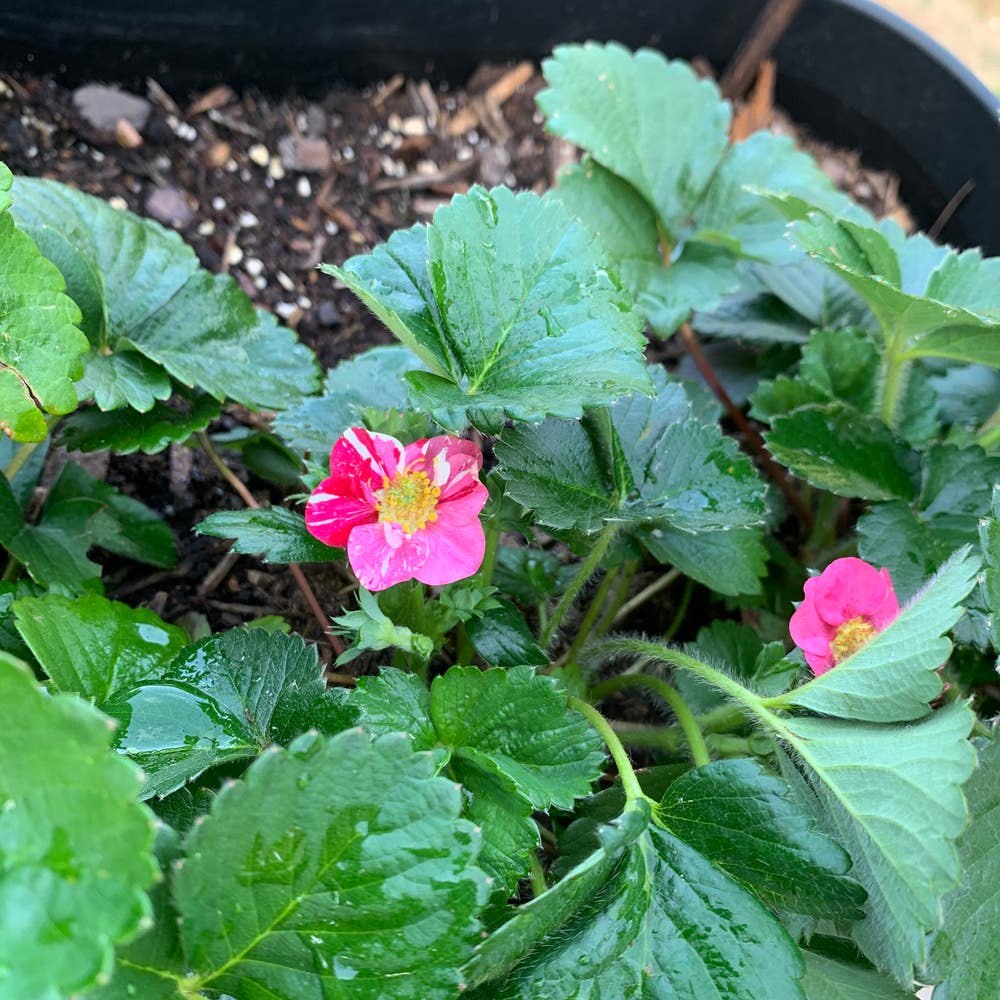
Potentilla volgarica: A Comprehensive Overview
Potentilla volgarica
By the Greg Editorial Team
Feb 27, 2025•12 min read
This article was created with the help of AI so we can cover more plants for you. May contain errors. See one? Report it here.
- 🌞 Potentilla volgarica thrives in full sun and adapts to poor, drought-prone soils.
- 🌱 Plant 1-2 inches deep in spring or fall, spacing 12-18 inches apart.
- 🐝 Attracts pollinators like bees and butterflies, enhancing garden biodiversity.
How to Grow
🌞 Choosing a Location
When selecting a spot for Potentilla volgarica, aim for full sun to partial shade. This plant thrives in well-drained soils and can tolerate poor soil and drought conditions, making it a resilient choice for various environments.
🏗️ Soil Preparation
For optimal growth, use well-draining, fertile loam. The ideal pH level ranges from slightly acidic to neutral (6.0 to 7.0), so consider testing your soil and amending it with organic matter to boost fertility.
🌱 Planting Techniques
Plant your Potentilla volgarica 1-2 inches deep, spacing them 12-18 inches apart for healthy growth. The best times to plant are in spring or fall, allowing the roots to establish before extreme weather sets in.
💧 Watering Requirements
Initially, keep the soil consistently moist until the plants are established. Once settled, watering frequency decreases; however, watch for signs of overwatering, such as yellowing leaves and root rot.
🥦 Fertilizing Schedule
Use a balanced NPK fertilizer every 4-6 weeks during the growing season. Apply it through side-dressing or as a diluted liquid fertilizer to ensure your plants receive the nutrients they need.
✂️ Pruning Methods
Prune your Potentilla volgarica in late winter or early spring, just before new growth begins. Techniques like deadheading spent flowers encourage more blooms, while removing dead or damaged foliage keeps the plant healthy.
🌿 Ongoing Care
If growing in containers, ensure they have adequate drainage holes to prevent waterlogging. For outdoor plants, mulching helps retain moisture and suppress weeds, while regular monitoring for pests and diseases is essential for maintaining plant health.
With these guidelines, you'll be well on your way to cultivating a thriving Potentilla volgarica garden. Next, let's explore how to propagate this versatile plant for even more beauty in your landscape.
Propagation
🌱 Seed Propagation Steps
Seed propagation is a straightforward way to grow Potentilla volgarica. Start by collecting seeds from mature plants in late summer.
Next, prepare your soil using a seed-starting mix. Surface sow the seeds and lightly cover them with soil.
For optimal germination, maintain moist and warm conditions, ideally between 20-25°C (68-77°F). This will help your seeds sprout successfully.
✂️ Division of Established Plants
Dividing established plants is another effective propagation method. The best time to do this is in early spring or fall.
Carefully dig up the plant and separate it into sections. Ensure that each division has both roots and shoots for successful replanting.
🌿 Cuttings Method
Taking cuttings is a popular technique for propagating Potentilla volgarica. Start by selecting healthy 4-6 inch stem cuttings from the plant.
Use a rooting medium that combines perlite and peat moss for the best results. Keep the cuttings moist and place them in indirect light until roots develop.
This method can yield new plants quickly and efficiently, adding to your garden's beauty.
With these propagation techniques, you can easily expand your Potentilla collection and enjoy their vibrant blooms in various locations.
Lifecycle
Stages of Growth 🌱
The lifecycle of Potentilla volgarica unfolds in distinct stages. It begins with germination, which takes about 7-14 days under optimal conditions.
Following germination, the plant enters the seedling stage, where it develops true leaves. This is crucial for photosynthesis and overall health.
Next is the vegetative growth phase, where the plant establishes its foliage and root system. This stage is vital for building strength and resilience.
As spring transitions to summer, flowering typically occurs, showcasing vibrant blooms. This is a highlight for any garden, attracting pollinators and adding beauty.
Finally, the plant produces seeds, with seed production maturing by late summer. This ensures the continuation of the species and provides opportunities for propagation.
Duration Until Maturity ⏳
Potentilla volgarica takes approximately 2 years to reach full maturity. During this time, it exhibits a moderate growth rate of about 12-24 inches per year.
This growth rate can vary based on environmental factors such as soil quality, sunlight, and water availability. Providing optimal conditions will help the plant thrive and reach its full potential.
Understanding these stages and the timeframe for maturity can help gardeners plan effectively. With patience and care, you’ll enjoy the beauty of Potentilla volgarica in your garden for years to come.
Next, let’s explore the size of this remarkable plant and what you can expect as it grows.
Size
Mature Dimensions 🌱
Potentilla volgarica typically reaches an average height of 12 to 24 inches. Its spread can extend from 18 to 24 inches wide, making it a lovely addition to any garden.
Growth Rate 📈
This plant exhibits a moderate growth rate, often achieving its full size within 2 to 3 years. Factors such as soil quality, sunlight exposure, and water availability significantly influence its growth.
Size Variability 📏
The size of Potentilla volgarica can vary based on environmental conditions. Poor soil can lead to smaller plants with reduced foliage, while excessive shade may result in leggy growth and fewer flowers.
Understanding these size characteristics can help you plan your garden layout effectively. Next, let’s explore the roots of Potentilla volgarica and their importance to the plant's overall health.
Roots
Characteristics 🌱
Potentilla volgarica features a fibrous root system that is typically shallow. This allows the roots to spread horizontally, making it adaptable to various soil conditions.
Root Depth and Spread 📏
On average, the roots reach a depth of 12-18 inches. They can extend laterally up to 2-3 feet, providing stability and access to nutrients.
Common Issues ⚠️
Root rot is a common problem caused by overwatering. To prevent this, ensure good drainage in the planting area.
Identifying healthy roots is crucial. Healthy roots are firm and white, while unhealthy ones appear brown and mushy.
Recognizing Rootbound Conditions 🔄
Watch for signs of rootbound conditions, such as roots growing out of drainage holes or circling the pot.
If you notice these signs, consider repotting into a larger container or dividing the plant to promote healthy growth.
This proactive approach will help maintain the vitality of your Potentilla volgarica, ensuring it thrives in your garden.
Benefits
Top 5 Benefits 🌼
Potentilla volgarica offers a range of advantages that make it a favorite among gardeners.
- Attractive Yellow Flowers: These vibrant blooms enhance garden aesthetics, adding a splash of color to any landscape.
- Drought-Tolerant: This plant's ability to thrive in dry conditions reduces water usage, making it an eco-friendly choice.
- Supports Local Pollinators: By attracting bees and butterflies, Potentilla volgarica promotes biodiversity in your garden.
- Low Maintenance: Ideal for beginner gardeners, it requires minimal care while still delivering beautiful results.
- Versatile in Landscape Design: Whether used in borders or rock gardens, this plant fits seamlessly into various garden styles.
Cultural Significance 🌍
Beyond its beauty, Potentilla volgarica holds cultural significance.
It symbolizes resilience and adaptability, thriving in harsh environments where other plants may struggle.
In some cultures, it has been utilized in traditional medicine for its soothing properties, showcasing its multifaceted value.
Incorporating this plant into your garden not only enhances its appearance but also connects you to a rich tapestry of history and purpose.
As you cultivate Potentilla volgarica, you’re not just growing a plant; you’re embracing a legacy of strength and utility.
With its many benefits, this plant is a wonderful addition to any garden, offering both beauty and practicality.
Next, let’s explore the fascinating world of companion plants that can enhance your gardening experience even further.
Companion Plants
Companion Planting 🌱
Companion planting is all about creating a harmonious garden where different species support each other. This practice can lead to improved pest management and a more diverse ecosystem.
Beneficial Companions 🌼
When growing Potentilla volgarica, consider these beneficial companions:
Lavender
Lavender not only adds a lovely fragrance but also repels pests while attracting pollinators. It's a win-win for your garden!
Yarrow
Yarrow is fantastic for improving soil health and drawing in beneficial insects. This hardy plant can thrive alongside Potentilla, enhancing overall garden vitality.
Sedum
Sedum serves as excellent ground cover, helping to retain soil moisture. Its low maintenance nature makes it a perfect partner for Potentilla.
Plants to Avoid 🚫
While some plants thrive together, others can create competition. Here are a couple to steer clear of:
- Heavy feeders like corn: These plants compete for nutrients, potentially stunting the growth of Potentilla.
- Plants with similar pest issues: Avoid planting species that attract the same pests, as this can increase the risk of infestations.
By carefully selecting companion plants, you can create a thriving garden that benefits both Potentilla volgarica and its neighbors. This thoughtful approach not only enhances your garden's aesthetics but also promotes a healthier growing environment. Next, let’s explore the fascinating topic of toxicity and safety concerning Potentilla.
Toxicity to Humans
Safety Overview 🛡️
Potentilla volgarica is not listed as toxic by major poison control centers, making it a safe choice for gardens. You can handle and even consume it in small amounts without worry.
Potential Minor Issues ⚠️
While generally safe, some people may experience mild skin irritation with excessive contact. Additionally, consuming large quantities could lead to minor digestive discomfort, so moderation is key.
This plant offers a wonderful opportunity to enhance your garden without the fear of toxicity. As always, it's wise to stay informed and cautious, especially if you have sensitive skin or digestive issues.
Next, let’s explore how Potentilla volgarica interacts with our furry friends, particularly dogs.
Toxicity to Dogs
Safety Overview 🐶
Potentilla volgarica is not listed as toxic by veterinary organizations, making it a safe choice for gardens shared with dogs. Generally, this plant poses minimal risk, allowing your furry friends to roam without worry.
Potential Minor Issues ⚠️
While the plant is safe, consuming large quantities may lead to mild gastrointestinal upset in dogs. It's always wise to keep an eye on your pet's behavior around new plants.
Tips for Dog Owners 🐾
To ensure a harmonious garden environment, keep Potentilla volgarica out of reach of curious dogs. Regularly monitor your dog's interactions with the plant to catch any unusual behavior early on.
This plant can be a delightful addition to your garden, providing beauty without the stress of toxicity. Next, let’s explore how Potentilla volgarica interacts with our feline friends.
Toxicity to Cats
Safety Overview 🐱
Potentilla volgarica is not listed as toxic by major pet poison control centers. This means it's generally safe for your feline friends, posing minimal risk.
Potential Minor Issues 🤢
While the plant is safe, consuming large quantities may lead to mild gastrointestinal upset in cats. It's always wise to keep an eye on your pets and their interactions with new plants.
Tips for Cat Owners 🏡
To ensure your cat's safety, position Potentilla volgarica where they cannot easily access it. Additionally, monitor your cat for any unusual behavior around the plant, just to be on the safe side.
As you enjoy the beauty of Potentilla volgarica in your garden, rest assured that your furry companions can coexist with it without major concerns. Now, let's explore common problems that may arise when growing this resilient plant.
None
Bugs
Potential Pest Issues 🐛
When growing Potentilla volgarica, keeping an eye out for pests is crucial. Here are some common culprits you might encounter.
Spider Mites
Spider mites are tiny pests that can wreak havoc on your plants. Look for signs like webbing and stippled leaves; these indicate an infestation. To treat spider mites, increase humidity around the plant and consider using miticides for effective control.
Aphids
Aphids are another frequent visitor, often leaving behind curled leaves and a sticky residue known as honeydew. Combat these pests with insecticidal soap or neem oil, which can help restore your plant's health.
Mealybugs
Mealybugs can be identified by their cotton-like masses on stems and leaves. For treatment, use alcohol wipes to remove them or apply insecticidal soap to eliminate these pests effectively.
Prevention Tips 🚫
To minimize pest issues, maintain healthy plants through proper care. Regularly inspect your Potentilla for any signs of trouble, and act quickly to address any infestations.
By staying vigilant and proactive, you can enjoy the beauty of Potentilla volgarica without the hassle of pests. Next, let’s explore what animals might be interested in munching on your lovely plants.
What Eats Potentilla
🦌 Common Animals
Potentilla, while a beautiful addition to any garden, can attract a variety of hungry critters. Understanding which animals might munch on your plants is key to protecting them.
Deer
Deer are notorious for their appetite for Potentilla. Look for signs like chewed leaves and broken stems. To deter these graceful grazers, consider installing fencing or using repellents that mask the scent of your plants.
Rabbits
Rabbits can be equally destructive, leaving behind clipped stems and missing foliage. To keep them at bay, implement physical barriers such as wire mesh or use repellents designed to deter these furry foes.
Squirrels
Squirrels may dig up roots, causing significant damage to your Potentilla. If you notice signs of their activity, motion-activated sprinklers or noise devices can help scare them off and protect your plants.
Birds
Birds can also pose a threat, especially when they peck at the flowers. To prevent this, try using reflective tape or netting to create a visual deterrent that keeps them away from your blooms.
Groundhogs
Groundhogs are another common nuisance, often leaving large bites taken from your plants. To safeguard your Potentilla, consider fencing or traps to manage their presence effectively.
By being aware of these potential threats and employing the right deterrents, you can enjoy the beauty of Potentilla in your garden without the worry of it becoming a snack for local wildlife. Next, let's explore the common problems that can affect your Potentilla plants and how to address them.
⚠️ Safety First
This content is for general information and may contain errors, omissions, or outdated details. It is not medical, veterinary advice, or an endorsement of therapeutic claims.
Always consult a qualified healthcare professional before using any plant as food, medicine, or supplement.
Never eat any plant (or feed one to pets) without confirming its identity with at least two trusted sources.
If you suspect poisoning, call Poison Control (800) 222-1222, the Pet Poison Helpline (800) 213-6680, or your local emergency service immediately.
Spotted an error? Please report it here.
Grow vibrant Potentilla volgarica 🌼 effortlessly with Greg's custom watering alerts and care tips, ensuring your garden attracts pollinators while thriving in any condition!