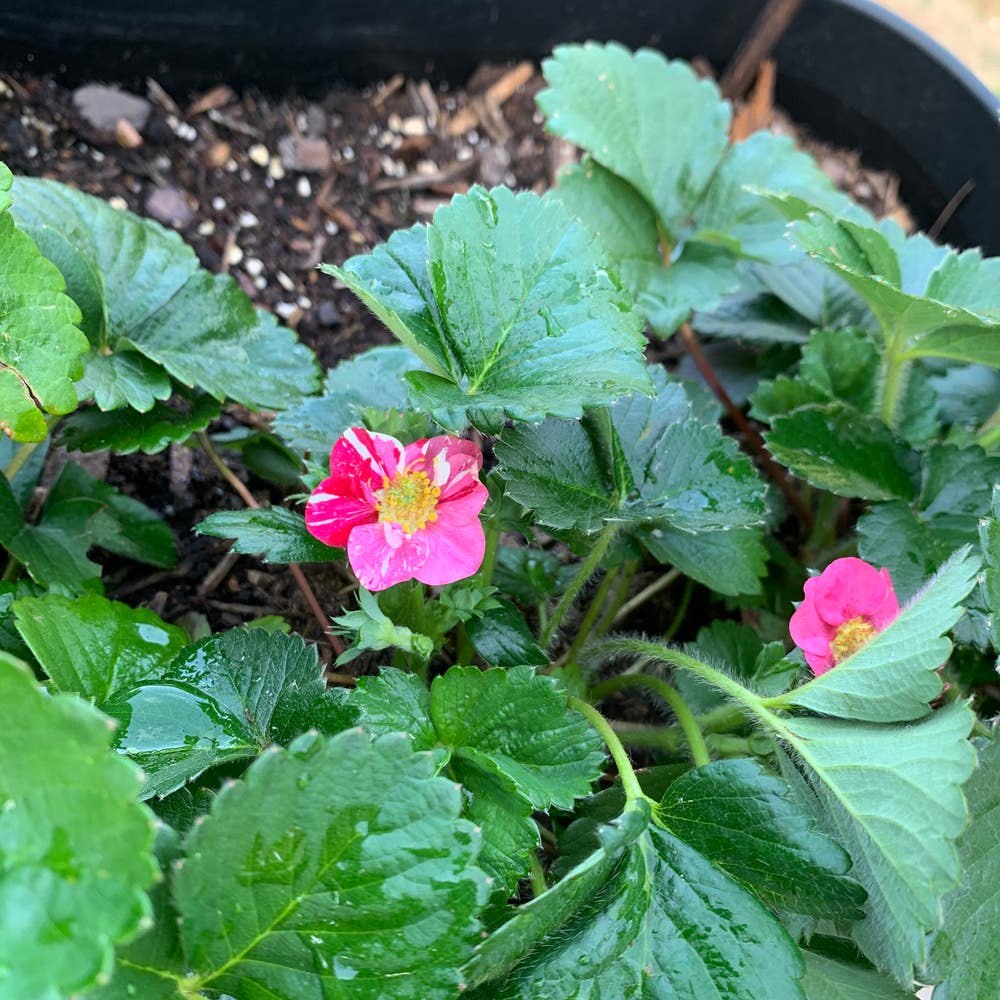
What You Should Know About Potentilla unguiculata 🌼
Potentilla unguiculata
By the Greg Editorial Team
Feb 27, 2025•11 min read
This article was created with the help of AI so we can cover more plants for you. May contain errors. See one? Report it here.
Elevate your garden's beauty effortlessly with Potentilla unguiculata, a resilient plant that thrives on minimal care! 🌼
- 🌞 Potentilla unguiculata needs 6-8 hours of sunlight for optimal growth.
- 🌱 Well-drained sandy loam soil with pH 6.0-7.0 is ideal for planting.
- 🐝 Attracts pollinators like bees and butterflies, enhancing garden biodiversity.
How to Grow
Choosing a Location 🌞
To thrive, Potentilla unguiculata needs full sun exposure, ideally basking in 6-8 hours of sunlight daily. Additionally, selecting a spot with well-drained soil is crucial to prevent root rot, which can be detrimental to plant health.
Soil Preparation 🏜️
This plant prefers light, sandy loam soil that allows for good drainage. Aim for a soil pH between 6.0 and 7.0, slightly acidic to neutral, and consider adding compost to enhance fertility and drainage.
Planting Techniques 🌱
When planting, dig a hole that is 1-2 inches deep. Space your plants 12-18 inches apart to ensure adequate air circulation, and the best times for planting are in spring or fall.
Watering Requirements 🚰
Initially, keep the soil consistently moist until the plants are established. After that, allow the soil to dry out between waterings to avoid overwatering, which can harm the roots.
Fertilizing Schedule 🍽️
Start with a light feeding of a balanced fertilizer in early spring. Continue to fertilize every 4-6 weeks during the growing season to support healthy growth.
Pruning Methods ✂️
To encourage more blooms, practice deadheading by removing spent flowers regularly. Additionally, cut back the plants in late fall to maintain their shape and overall health.
Ongoing Care for Outdoor and Container Growth 🏡
For container growth, ensure that pots have drainage holes and use a quality potting mix. Applying a layer of mulch can help retain moisture and suppress weeds, making maintenance easier.
With these tips, you'll be well on your way to successfully growing Potentilla unguiculata, ensuring a vibrant display in your garden. Next, let's explore how to propagate this resilient plant for even more beauty!
Propagation
🌱 Seed Propagation Steps
Starting your Potentilla unguiculata from seeds is a rewarding process. First, collect seeds from mature flowers.
Next, stratify the seeds in the refrigerator for 4-6 weeks to mimic winter conditions. This step is crucial for germination.
Finally, sow the seeds in a seed tray, lightly covering them with soil. Keep the tray in a warm, bright location to encourage sprouting.
✂️ Division of Established Plants
Dividing established plants is another effective propagation method. The best time to do this is in early spring or fall.
Begin by digging up the plant carefully, ensuring you keep the roots intact. Separate the plant into sections, making sure each section has roots.
Replant these sections immediately in prepared soil to help them establish quickly. This method not only propagates your plants but also rejuvenates older specimens.
🌿 Cuttings Method
Taking cuttings is a quick way to propagate Potentilla unguiculata. Start by cutting healthy stems into 4-6 inch sections.
Dip the cut ends in rooting hormone to promote root growth. Then, plant the cuttings in a moist, well-draining medium.
Cover the cuttings with plastic to maintain humidity, which is essential for rooting. Keep them in a warm spot, and soon you’ll see new growth.
With these propagation methods, you can easily expand your garden and enjoy the beauty of Potentilla unguiculata in various spots. Now, let’s explore the lifecycle of this resilient plant.
Lifecycle
🌱 Lifecycle Stages
The lifecycle of Potentilla unguiculata unfolds in distinct stages. It begins with germination, where seeds sprout within 2-3 weeks under optimal conditions.
Following germination, the seedling stage develops true leaves in about 4-6 weeks. This is followed by a vigorous vegetative growth phase that lasts several months, allowing the plant to establish itself.
🌸 Flowering and Seed Production
Flowering kicks off in late spring and continues through summer, showcasing vibrant blooms. By late summer to early fall, the plant enters the seed production stage, maturing its seeds.
⏳ Duration Until Maturity
Typically, Potentilla unguiculata reaches full maturity in 1-2 years. This timeframe allows the plant to grow robustly and prepare for its flowering phase.
📈 Growth Rate Specifics
Under ideal conditions, expect a moderate growth rate of approximately 12-24 inches per year. This steady growth contributes to the plant's resilience and adaptability in various environments.
As you delve into the lifecycle of Potentilla unguiculata, you'll appreciate its journey from seed to maturity. Next, we will explore the size characteristics of this remarkable plant.
Size
🌱 Mature Height and Spread
Potentilla unguiculata typically reaches a mature height of 12 to 18 inches. Its spread can extend from 18 to 24 inches, making it a lovely addition to any garden.
📏 Growth Rate and Size Variability
This plant exhibits a moderate growth rate, which can be influenced by factors such as soil quality and sunlight exposure. Depending on these conditions, the size of Potentilla unguiculata can vary significantly.
🌤️ Impact of Growing Conditions on Size
Growing conditions play a crucial role in the plant's overall size. Poor soil may stunt growth, while ample sunlight encourages fuller, more robust plants.
By understanding these aspects of size, you can better plan your garden layout and ensure your Potentilla unguiculata thrives. Next, let’s delve into the fascinating world of its root system and how it supports the plant's growth.
Roots
Characteristics of the Root System 🌱
Potentilla unguiculata features a fibrous root system that provides excellent stability and drought resistance. This type of root structure is typically shallow, spreading horizontally to maximize nutrient uptake.
Root Depth and Spread 📏
On average, the roots reach a depth of 6-12 inches. They can extend 12-18 inches from the base, allowing the plant to access moisture and nutrients effectively.
Common Root-Related Issues and Solutions ⚠️
Root rot is a common issue caused by overwatering, which can lead to plant decline. To prevent this, ensure proper drainage and avoid waterlogged soil.
Squishy roots often indicate poor health, signaling the need for improved watering practices. Adjust your watering schedule to allow the soil to dry out between waterings.
Identifying Healthy vs. Unhealthy Roots 🧐
Healthy roots are firm, white, and spread evenly throughout the soil. In contrast, unhealthy roots appear dark, mushy, or may emit a foul smell, indicating a problem that needs addressing.
Recognizing Rootbound Conditions 🔗
Signs of rootbound conditions include roots growing out of drainage holes or circling the pot. If you notice these signs, the solution is to repot the plant into a larger container or divide it to promote healthy growth.
Understanding the root system of Potentilla unguiculata is crucial for its overall health. With proper care and attention, you can ensure that your plant thrives and flourishes in your garden.
Next, let’s explore the benefits of growing this resilient plant.
Benefits
Five Benefits of Growing 🌱
Growing Potentilla unguiculata offers numerous advantages that make it a fantastic addition to any garden.
- Drought resistance: Once established, this plant requires minimal water, making it perfect for low-maintenance gardens.
- Attracts pollinators: Its bright flowers are a magnet for bees and butterflies, enhancing your garden's biodiversity.
- Erosion control: The dense growth of Potentilla helps stabilize soil, preventing erosion in vulnerable areas.
- Low maintenance: This hardy plant thrives with minimal care, allowing you to enjoy a beautiful garden without constant upkeep.
- Versatile landscaping: Potentilla is suitable for various settings, including borders, rock gardens, and containers, adding versatility to your landscape design.
Cultural Significance and Symbolism 🌍
Beyond its practical benefits, Potentilla unguiculata holds cultural significance. It symbolizes resilience and adaptability, thriving in harsh environments where many plants struggle.
Incorporating this plant into your garden not only beautifies your space but also reflects a spirit of perseverance and strength.
Companion Plants
🌱 Explanation of Companion Planting
Companion planting is a gardening strategy that promotes the growth of plants together for mutual benefits. This method enhances growth, improves pest management, and increases overall garden diversity.
🌼 Best Companion Plants
When growing Potentilla unguiculata, consider these excellent companions:
Lavender
Lavender not only attracts pollinators like bees and butterflies but also repels certain pests. Its fragrant blooms complement the vibrant flowers of Potentilla beautifully.
Sedum
Sedum shares similar care needs and is drought-resistant, making it a perfect partner. This hardy succulent thrives in similar conditions, ensuring a cohesive garden aesthetic.
Yarrow
Yarrow enhances soil health and attracts beneficial insects, such as ladybugs. Its feathery foliage and colorful flowers provide a lovely contrast to Potentilla's blooms.
🚫 Plants to Avoid
While many plants thrive alongside Potentilla, avoid heavy feeders like tomatoes. These plants can compete for nutrients, potentially stunting the growth of your Potentilla.
By selecting the right companions, you can create a flourishing garden that benefits all its inhabitants. This thoughtful approach not only maximizes space but also fosters a healthier ecosystem.
Toxicity to Humans
Toxicity to Dogs
Potentilla unguiculata is generally considered safe for dogs, as it is not listed as toxic by major pet poison control centers. However, if consumed in large quantities, it may cause mild gastrointestinal upset.
To keep your furry friends safe, it's a good idea to place these plants out of reach. Always monitor your dog's behavior around new plants to ensure they don't nibble on anything they shouldn't.
By taking these simple precautions, you can enjoy the beauty of Potentilla unguiculata in your garden without worrying about your pets. This allows you to create a vibrant outdoor space while keeping your canine companions happy and healthy.
Toxicity to Cats
Potentilla unguiculata is generally safe for cats, as it is not listed as toxic by major pet poison control centers. However, if consumed in large quantities, it may cause mild gastrointestinal upset.
🛡️ Precautionary Measures
To keep your feline friends safe, position these plants where they cannot easily access them. It's also wise to observe their behavior around new plants to ensure they don’t nibble on them out of curiosity.
By taking these simple steps, you can enjoy the beauty of Potentilla unguiculata in your garden while keeping your cats safe and sound.
Problems
🌱 Common Problems
Growing Potentilla unguiculata can be rewarding, but it’s not without its challenges.
Incorrect Watering
Overwatering is a common issue, leading to yellowing leaves, while underwatering results in wilting.
Incorrect Light Conditions
Insufficient light can cause leggy growth, making your plants look spindly and weak.
Diseases
Fungal diseases like powdery mildew and rust can strike if air circulation is poor.
Leaf Issues
Watch for scorching from excessive sun exposure or yellowing due to nutrient deficiencies.
🔍 Identification and Solutions
Identifying the problem early can save your plants.
Overwatering
If you notice yellow leaves, reduce your watering frequency and improve drainage.
Underwatering
For wilting plants, increase your watering frequency and check the soil moisture regularly.
Fungal Diseases
Combat fungal issues by applying fungicides and ensuring good air circulation around your plants.
By staying vigilant and addressing these common problems, you can keep your Potentilla thriving and beautiful. Next, let’s explore potential pest issues that may affect your plants.
Bugs
Potential Pest Issues 🐜
While Potentilla unguiculata is generally pest-resistant, it can still fall victim to a few pesky intruders. Keeping an eye on your plants will help you catch any issues early.
Identification and Treatment Options 🧪
Spider Mites
Look for fine webbing on the leaves. If you spot these tiny pests, treat them with insecticidal soap to eliminate them effectively.
Aphids
These small green insects can cluster on new growth. Control them by applying neem oil or insecticidal soap, which disrupts their feeding and reproduction.
Mealybugs
Identifiable by their cotton-like masses on stems, mealybugs can weaken your plant. Remove them by hand or treat affected areas with rubbing alcohol to eradicate them.
By staying vigilant and addressing these common pests promptly, you can keep your Potentilla unguiculata thriving and beautiful. Next, let’s explore what animals might be interested in munching on your plants.
What Eats
🦌 Common Animals
When it comes to Potentilla unguiculata, several animals may find it a tasty treat.
- Deer: Look for signs like chewed leaves and broken stems, indicating their presence.
- Rabbits: These little nibblers often leave evidence of their appetite on the lower leaves.
- Squirrels: You might notice them digging around the base of the plant, searching for roots or bulbs.
🔍 Signs of Animal Presence and Damage
Identifying animal damage is crucial for protecting your plants.
- Chewed Foliage: If you see leaves with bite marks, it’s a clear sign of animal activity.
- Disturbed Soil: Look for signs of digging or soil disruption around the base of your Potentilla.
🚫 Deterrent Methods
Preventing animal damage can save your plants from becoming a buffet.
- Fencing: Installing barriers can effectively keep larger animals like deer at bay.
- Repellents: Consider using commercial or homemade sprays to deter pests from munching on your plants.
By staying vigilant and employing these deterrent methods, you can help ensure your Potentilla thrives without unwanted visitors. Next, let’s explore the potential pest issues that could affect your plant.
⚠️ Safety First
This content is for general information and may contain errors, omissions, or outdated details. It is not medical, veterinary advice, or an endorsement of therapeutic claims.
Always consult a qualified healthcare professional before using any plant as food, medicine, or supplement.
Never eat any plant (or feed one to pets) without confirming its identity with at least two trusted sources.
If you suspect poisoning, call Poison Control (800) 222-1222, the Pet Poison Helpline (800) 213-6680, or your local emergency service immediately.
Spotted an error? Please report it here.
Grow your Potentilla unguiculata to bloom beautifully 🌼 with Greg's tailored watering and fertilizing reminders, ensuring your garden thrives in full sun and well-drained soil!