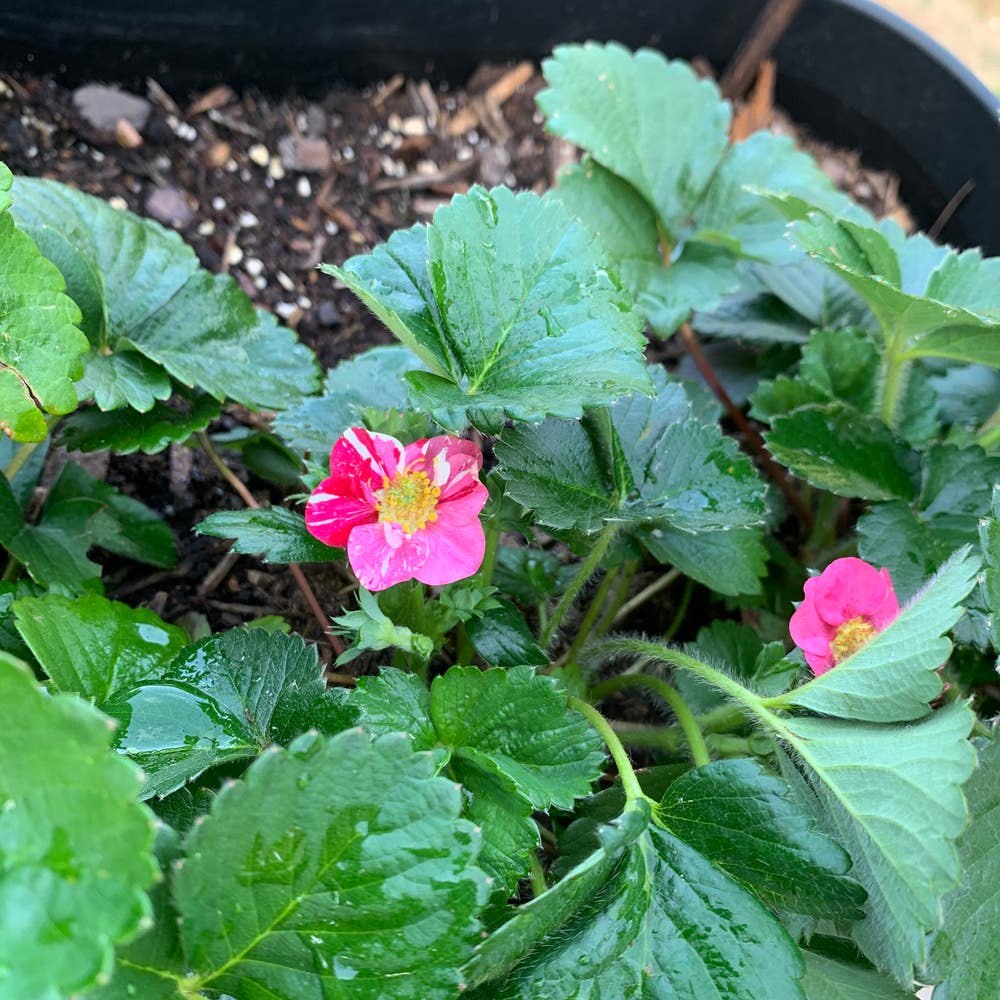
🌼 Introduction to Potentilla tetrandra
Potentilla tetrandra
By the Greg Editorial Team
Feb 27, 2025•12 min read
This article was created with the help of AI so we can cover more plants for you. May contain errors. See one? Report it here.
- 🌞 Potentilla tetrandra thrives in full sun, needing at least six hours of sunlight daily.
- 🌱 Well-drained, fertile soil with pH 6.0 to 7.0 is ideal for growth.
- 🐝 Attracts pollinators and enhances garden diversity while being low maintenance.
How to Grow
Choosing a Location 🌞
To thrive, Potentilla tetrandra needs full sun to partial shade, ideally receiving a minimum of six hours of sunlight daily. When selecting a spot, consider microclimates and provide wind protection to ensure healthy growth.
Soil Preparation 🌱
This plant prefers well-drained, fertile soil to flourish. Aim for a slightly acidic to neutral pH, ideally between 6.0 and 7.0, and enrich the soil with organic matter to boost drainage and fertility.
Planting Techniques 🌿
When planting, ensure the crown of the plant is level with the soil surface. Space your plants 12 to 18 inches apart to allow for optimal growth and air circulation.
Watering Requirements 💧
After planting, give your Potentilla a deep watering to help establish its roots. Moving forward, water the plant when the top inch of soil feels dry to the touch.
Fertilizing Schedule 🌼
Fertilize your Potentilla in early spring and again in mid-summer to promote healthy growth. A balanced NPK fertilizer, such as 10-10-10, works well to provide essential nutrients.
Pruning Methods ✂️
For best results, prune your Potentilla in late winter or early spring before new growth begins. Focus on deadheading spent flowers and shaping the plant to encourage bushiness.
Ongoing Care Tips 🛠️
If you’re growing Potentilla in containers, ensure they have adequate drainage holes to prevent waterlogging. Regularly monitor your plants for pests and diseases to catch any issues early.
With these guidelines, you’ll set your Potentilla tetrandra up for success, ensuring a vibrant addition to your garden. Next, let’s explore how to propagate this resilient plant!
Propagation
🌱 Seed Propagation Steps
Seed propagation is a rewarding way to grow Potentilla tetrandra. Start by collecting seeds from mature flowers in late summer.
Next, stratify the seeds for 4-6 weeks at 40°F (4°C) before sowing. This process mimics winter conditions and helps improve germination rates. Finally, sow the seeds 1/4 inch deep in well-draining soil to ensure they have the best chance to thrive.
✂️ Division Method
Dividing your Potentilla tetrandra is another effective propagation method. The best time to do this is in early spring or fall when the plant is not actively growing.
Begin by digging up the plant and separating healthy root clumps. Replant these divisions immediately in prepared soil to promote quick establishment.
🌿 Cuttings Method
For those looking for a more challenging yet rewarding method, consider taking cuttings. In early summer, take 4-6 inch cuttings from healthy stems.
Use a rooting hormone to encourage root development, then plant the cuttings in a moist, well-draining medium. Cover them with a plastic bag to maintain humidity until roots develop, ensuring a successful start for your new plants.
With these propagation techniques, you can expand your Potentilla tetrandra collection and enjoy its beauty in various spots around your garden. Next, let’s explore the lifecycle of this resilient plant.
Lifecycle
Stages of Growth 🌱
The lifecycle of Potentilla tetrandra unfolds in distinct stages. It begins with germination, which takes about 2-3 weeks under optimal conditions.
Following germination, the seedling stage sees the development of true leaves, marking the plant's transition to a more established form.
During the vegetative growth phase, the plant experiences rapid leaf and stem growth, setting the stage for future flowering.
Flowering typically occurs in late spring to early summer, showcasing vibrant blooms that attract pollinators.
Finally, the plant enters the seed production stage, where seeds mature in late summer, ready for the next generation.
Lifespan ⏳
In optimal conditions, Potentilla tetrandra boasts an average lifespan of 3-5 years. This longevity allows gardeners to enjoy its beauty and benefits for several seasons.
Growth Timeline 📅
The time to maturity for Potentilla tetrandra is approximately 2 years. During this period, the plant exhibits a moderate growth rate, with noticeable growth occurring in the first year.
This timeline emphasizes the importance of patience and care in cultivating a thriving Potentilla tetrandra, rewarding gardeners with a resilient and beautiful addition to their landscape.
As we explore the next section, we will delve into the size characteristics of this remarkable plant, highlighting its mature height and spread.
Size
Mature Height and Spread 🌱
Potentilla tetrandra typically reaches a height of 1 to 3 feet, making it a versatile choice for various garden settings. Its spread usually ranges from 2 to 3 feet, allowing it to fill space without overwhelming neighboring plants.
Growth Rate and Size Variability 📈
This plant exhibits a moderate growth rate, which can be influenced by environmental conditions. Factors such as soil quality and sunlight exposure can lead to noticeable size variability, so keep an eye on your growing conditions.
Factors Affecting Size 📏
Several key factors impact the overall dimensions of Potentilla tetrandra. Soil fertility plays a significant role, as nutrient-rich soil encourages robust growth. Additionally, consistent watering practices and adequate sunlight are crucial for achieving the plant's full potential.
Understanding these elements can help you cultivate a thriving Potentilla tetrandra that enhances your garden's beauty. As you plan your planting, consider how these factors can work together to support healthy growth.
Roots
🌱 Characteristics
Potentilla tetrandra features a fibrous root system that is both shallow and spreading. This type of root structure allows the plant to efficiently absorb nutrients and water from the upper layers of soil.
⚠️ Common Issues
One common problem with these roots is root rot, which occurs due to overwatering. To prevent this, ensure your plant has proper drainage to keep the roots healthy and thriving.
Identifying healthy roots is crucial for plant care. Healthy roots are typically firm and white, while unhealthy roots appear brown and mushy, indicating potential issues.
🔒 Recognizing Rootbound Plants
If you notice roots growing out of the drainage holes of your pot, your Potentilla tetrandra may be rootbound. This condition can hinder growth and overall health.
To remedy a rootbound situation, consider repotting the plant into a larger container or dividing it into smaller sections. This will give the roots more space to expand and flourish.
With proper attention to the roots, your Potentilla tetrandra can thrive and contribute beautifully to your garden. Next, let’s explore the benefits this resilient plant offers.
Benefits
List of 5 Benefits 🌼
Potentilla tetrandra offers a variety of benefits that make it a fantastic addition to any garden.
Attracts Pollinators: This plant is a magnet for pollinators like bees and butterflies, helping to support local ecosystems.
Low Maintenance: Once established, it thrives with minimal care and is drought-tolerant, making it perfect for busy gardeners.
Vibrant Color: Its bright yellow flowers add a cheerful splash of color to your garden, enhancing its visual appeal.
Enhances Garden Diversity: By supporting various wildlife, Potentilla tetrandra contributes to a more diverse and balanced garden environment.
Erosion Control: Its fibrous root system helps prevent soil erosion, making it a practical choice for sloped areas.
Cultural Significance 🌍
Beyond its practical benefits, Potentilla tetrandra holds cultural significance in many societies. It symbolizes resilience and beauty, often associated with healing and the wonders of nature. This connection to cultural narratives adds depth to its presence in gardens, making it not just a plant, but a representation of life’s enduring qualities.
As you consider adding Potentilla tetrandra to your garden, remember its multifaceted benefits and the positive impact it can have on both your space and the environment. Next, let’s explore how to propagate this resilient plant effectively.
Companion Plants
Explanation of Companion Planting 🌱
Companion planting is a gardening strategy that promotes diversity and enhances pest management. By selecting plants that support each other, you can create a healthier garden ecosystem.
List of Compatible Companion Plants 🌼
When planting Potentilla tetrandra, consider these compatible companions:
- Lavender: This fragrant herb not only attracts pollinators but also repels pests.
- Salvia: Known for its vibrant blooms, Salvia shares similar care needs and draws beneficial insects.
- Catmint: This hardy plant thrives alongside Potentilla, offering both beauty and pest resistance.
However, avoid planting heavy feeders like tomatoes nearby. They compete for nutrients, which can hinder the growth of your Potentilla.
By choosing the right companions, you can enhance the overall health and beauty of your garden. This thoughtful approach not only supports your plants but also creates a vibrant, lively space.
Next, let’s explore the toxicity of Potentilla tetrandra to humans, dogs, and cats, ensuring you can enjoy your garden safely.
Toxicity to Humans
Safety 🛡️
Potentilla tetrandra is not listed as toxic by major poison control centers. This means it's generally safe for handling and even consumption in small amounts.
However, it's important to note that consuming large quantities may lead to mild skin irritation or digestive discomfort. Always exercise caution with any plant and consult a medical professional if you experience unusual symptoms.
Practical Considerations 🌱
When gardening or foraging, it's wise to familiarize yourself with the plants around you. While Potentilla tetrandra is relatively safe, being informed helps ensure a positive experience in your garden or kitchen.
In summary, enjoy the beauty and benefits of Potentilla tetrandra, but remember to approach all plants with respect and awareness. This way, you can fully appreciate their role in nature without any unwanted surprises.
Next, let’s explore the potential toxicity of Potentilla tetrandra to our furry friends.
Toxicity to Dogs
Safety 🐶
Potentilla tetrandra is not listed as toxic by major pet poison control centers. This means your furry friends can safely roam around these plants without the risk of severe poisoning.
However, if a dog ingests large quantities, it may experience mild gastrointestinal upset.
Precautions 🛡️
To keep your pets safe, it's wise to place these plants out of reach. Regularly monitor your dog's behavior around new plants to ensure they don't nibble on them out of curiosity.
With a little care, you can enjoy the beauty of Potentilla tetrandra in your garden without worrying about your dog's health.
Next, let’s explore how this plant interacts with our feline friends.
Toxicity to Cats
Safety 🐱
Potentilla tetrandra is not listed as toxic by major pet poison control centers. This means you can enjoy its beauty without worrying too much about your feline friends.
However, if ingested in large quantities, mild gastrointestinal upset may occur. It's always a good idea to monitor your cat's behavior around any new plants.
Precautions 🚫
To keep your curious cats safe, consider placing Potentilla tetrandra in areas that are less accessible. This simple step can help prevent any potential mishaps while allowing you to enjoy the vibrant blooms in your garden.
By being mindful of your cat's interactions with this plant, you can create a safe and beautiful environment for both your pets and your garden.
Problems
🌱 Common Problems with Potentilla tetrandra
Growing Potentilla tetrandra can be rewarding, but it’s essential to be aware of common issues that may arise. Understanding these problems will help you maintain a healthy plant.
💧 Incorrect Watering
Watering is crucial for your plant's health. Overwatering can lead to yellowing leaves, while underwatering typically results in wilting.
☀️ Incorrect Light Conditions
Light conditions significantly affect growth. If your Potentilla is leggy, it may not be receiving enough sunlight.
🦠 Diseases
Diseases can also pose a threat. Powdery mildew and rust are common; identifying these issues early is key to effective management.
🌿 Root Problems
Root health is vital for overall plant vigor. Look out for root rot, which manifests as squishy roots, indicating overwatering.
🍃 Leaf Issues
Leaf problems can signal distress. Scorching and yellowing leaves often indicate environmental stress or nutrient deficiencies.
By staying vigilant and addressing these common problems, you can ensure your Potentilla tetrandra thrives in your garden. Next, let’s explore potential pest issues that could affect your plant.
Bugs
🐞 Potential Pest Issues
When growing Potentilla tetrandra, it's essential to be aware of potential pest issues that can affect its health. This plant is relatively resilient, but certain pests can still pose a threat.
🕷️ Spider Mites
Spider mites are tiny pests that can wreak havoc on your plants. Look for signs of webbing and leaf stippling, which indicate their presence.
To treat spider mites, use insecticidal soap, which effectively eliminates these pests without harming your plant.
🐜 Aphids
Aphids are another common pest that can infest Potentilla tetrandra. You can identify them by clusters on new growth, often causing leaves to curl or distort.
Controlling aphids is straightforward; neem oil is an effective solution that disrupts their life cycle and keeps them at bay.
❄️ Mealybugs
Mealybugs are easily recognizable by their white, cottony masses on stems and leaves. They can weaken your plant by sucking its sap.
To remove mealybugs, use alcohol-soaked cotton swabs to wipe them off. This method is effective and minimizes damage to your plant.
📝 Conclusion
Regular monitoring for these pests is crucial to maintaining the health of your Potentilla tetrandra. By being proactive and using the right treatments, you can ensure your plant thrives despite these challenges. Next, let's explore what animals might be interested in munching on your beautiful Potentilla!
What Eats Potentilla tetrandra
🐾 Common Animals
Potentilla tetrandra, while a resilient plant, can attract a variety of hungry critters. Understanding which animals may feast on your plants can help you take preventive measures.
🦌 Deer
Deer are notorious for browsing on the leaves of Potentilla tetrandra. Look for signs like chewed leaves and stripped stems. To deter these gentle giants, consider installing fencing or using repellents that mask the scent of your plants.
🐇 Rabbits
Rabbits can also be a nuisance, often nibbling on young shoots. If you notice evidence of their munching, employing barriers like chicken wire or using repellents can help keep them at bay.
🐿️ Squirrels and Rodents
Squirrels and other rodents may dig around your plants or chew on them. Signs of their activity include disturbed soil and gnaw marks. Traps and deterrent sprays can effectively manage these pesky visitors.
🦡 Groundhogs
Groundhogs are another potential threat, especially if you spot signs of burrowing nearby. To protect your Potentilla tetrandra, consider fencing and modifying the habitat to make it less inviting for these burrowers.
By being aware of these common animals and their behaviors, you can better safeguard your Potentilla tetrandra and enjoy its beauty in your garden. Next, let’s explore the potential pest issues that can affect this hardy plant.
⚠️ Safety First
This content is for general information and may contain errors, omissions, or outdated details. It is not medical, veterinary advice, or an endorsement of therapeutic claims.
Always consult a qualified healthcare professional before using any plant as food, medicine, or supplement.
Never eat any plant (or feed one to pets) without confirming its identity with at least two trusted sources.
If you suspect poisoning, call Poison Control (800) 222-1222, the Pet Poison Helpline (800) 213-6680, or your local emergency service immediately.
Spotted an error? Please report it here.
Cultivate a thriving garden 🌼 with Potentilla tetrandra by using Greg's personalized care reminders to ensure your plants flourish beautifully!