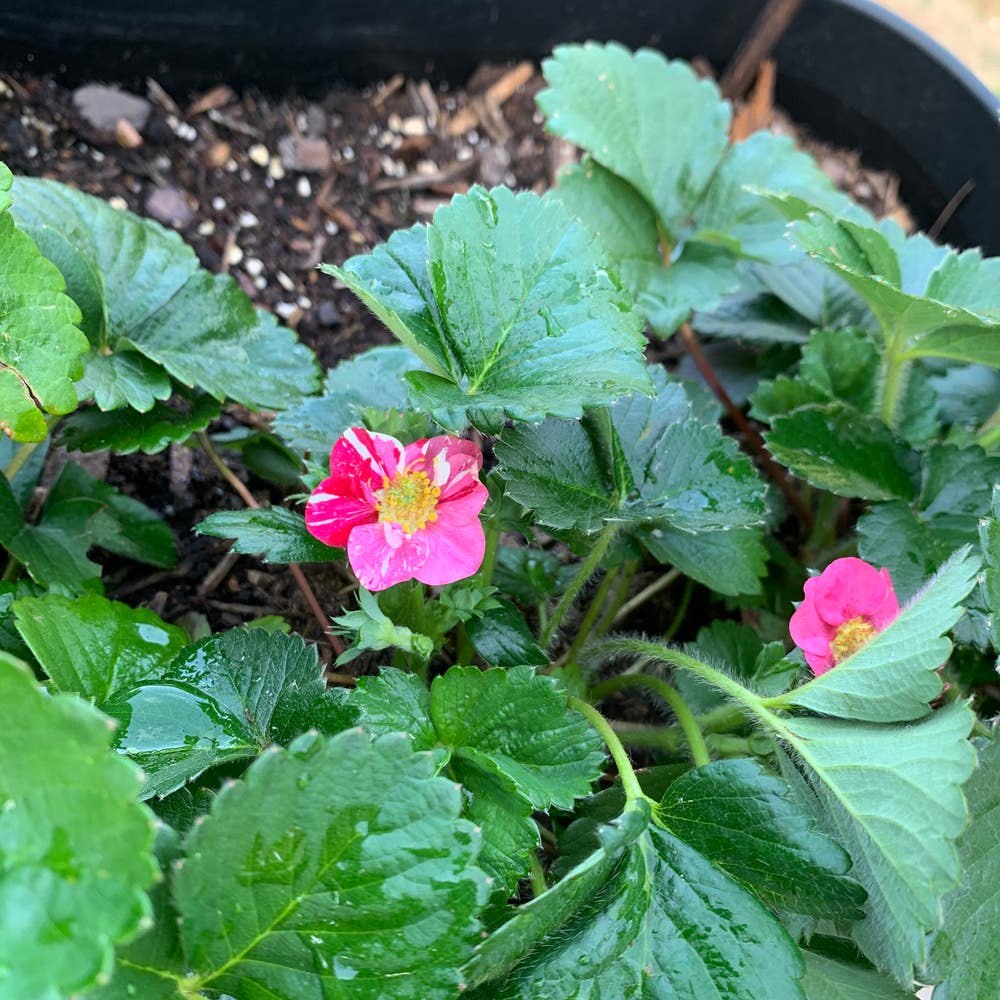
Introduction to Potentilla taronensis 🌼
Potentilla taronensis
By the Greg Editorial Team
Feb 27, 2025•10 min read
This article was created with the help of AI so we can cover more plants for you. May contain errors. See one? Report it here.
Elevate your garden effortlessly with vibrant Potentilla taronensis, a resilient perennial that thrives with minimal care! 🌼
- 🌞 Potentilla taronensis needs 6-8 hours of sunlight daily for optimal growth.
- 🌱 Ideal soil pH is 6.0-7.0; use light, sandy loam for drainage.
- 🐝 Attracts pollinators with bright yellow flowers while being non-toxic to pets.
How to Grow
🌞 Choosing a Location
To thrive, Potentilla taronensis needs full sun, soaking up 6 to 8 hours of sunlight daily. Additionally, ensure the soil is well-drained to prevent root rot, which can be detrimental to its health.
🏗️ Soil Preparation
Aim for a soil pH between 6.0 and 7.0 for optimal growth. A light, sandy loam texture is preferred, as it promotes excellent drainage and supports healthy root development.
🌱 Planting Techniques
When planting, space your Potentilla plants 12 to 18 inches apart to allow for their natural spreading habit. Make sure to plant them at a depth where the crown is level with the soil surface, ensuring they establish well.
💧 Watering Requirements
Water your plants regularly until they are established, then reduce the frequency as they mature. Using drip irrigation or soaker hoses can help maintain moisture without the risk of waterlogging.
🌿 Fertilizing
A balanced, slow-release fertilizer is ideal for Potentilla taronensis. Apply it in early spring, just before new growth begins, to give your plants a nutrient boost.
✂️ Pruning
Prune your plants in late winter or early spring, before new growth starts. Focus on removing any dead or damaged stems to encourage robust and healthy growth.
🔍 Ongoing Care
Keep an eye on your plants for signs of stress or disease, as regular monitoring is key. Adjust your watering and fertilization practices based on seasonal changes to keep your Potentilla thriving.
With these guidelines, you'll be well on your way to cultivating a vibrant display of Potentilla taronensis in your garden. Next, let’s explore how to propagate this resilient perennial.
Propagation
🌱 Seed Propagation
Sowing seeds of Potentilla taronensis is a straightforward process. Start in spring by lightly covering the seeds with soil, ensuring they have enough warmth and moisture to thrive.
To achieve optimal germination, maintain the soil temperature around 70°F (21°C). Keeping the soil consistently moist will help the seeds sprout successfully.
✂️ Division of Established Plants
Dividing established plants is an effective way to propagate Potentilla taronensis. The best time to do this is in early spring or fall when the plant is less stressed.
Carefully dig up the plant and separate it into sections, ensuring each division has roots. This method not only helps in propagation but also rejuvenates the parent plant.
🌿 Cuttings
Taking cuttings is another reliable propagation technique. Use healthy stems that are 4-6 inches long for the best results.
To root the cuttings, place them in a moist potting mix and cover them to maintain humidity. This method can yield new plants in no time, expanding your garden effortlessly.
With these propagation methods, you can easily multiply your Potentilla taronensis and enjoy its vibrant blooms in various spots around your garden. Next, let's explore the lifecycle of this resilient perennial.
Lifecycle
Lifecycle Stages 🌱
Potentilla taronensis is a perennial plant, meaning it thrives over multiple years. This longevity allows it to establish a robust presence in your garden, providing beauty and benefits season after season.
Germination typically takes between 14 to 30 days under optimal conditions. This relatively quick turnaround means you won't have to wait long to see your efforts rewarded.
Growth Rate 📈
The growth rate of Potentilla taronensis is moderate, with the plant taking about two years to reach its mature size. This steady growth allows for a gradual establishment, ensuring that the plant can adapt well to its environment.
Understanding these lifecycle stages can help you plan your garden effectively. By knowing what to expect, you can provide the right care at each stage, leading to a thriving plant that enhances your outdoor space.
Next, let’s explore how to properly size and space your Potentilla taronensis for optimal growth.
Size
Mature Dimensions 🌱
Potentilla taronensis typically reaches a height of 6 to 12 inches. Its spread can extend from 12 to 24 inches, creating beautiful, dense mats that enhance any garden space.
Growth Rate 📈
The growth rate of this perennial is moderate and largely influenced by factors such as soil quality, sunlight exposure, and water availability. With the right conditions, you can expect it to thrive and fill out nicely over time.
In summary, understanding the size and growth characteristics of Potentilla taronensis is essential for planning your garden layout. Next, let’s explore the fascinating lifecycle of this resilient plant.
Roots
Root System 🌱
Potentilla taronensis features a fibrous root system that is essential for its stability and nutrient uptake. These roots typically grow shallow, reaching depths of only 6-12 inches, making them well-suited for various soil types.
Common Issues ⚠️
One of the most common problems with this plant is root rot, which occurs due to overwatering. To prevent this, ensure good drainage in the soil to keep the roots healthy and thriving.
Another issue to watch for is rootbound plants. You can identify this condition when roots start growing out of the drainage holes, indicating that the plant needs to be repotted or divided.
Understanding these root characteristics and potential issues can help you maintain a healthy Potentilla taronensis, ensuring it flourishes in your garden. Next, let’s explore the benefits this charming plant brings to your outdoor space.
Benefits
Top 5 Benefits 🌟
Potentilla taronensis is not just a pretty face in the garden; it offers a multitude of benefits that make it a favorite among gardeners.
1. Aesthetic Appeal
With its bright yellow flowers, this plant adds a splash of color that can brighten any landscape. Its vibrant blooms create a cheerful atmosphere, making it a delightful addition to your garden.
2. Ground Cover
This hardy plant excels at preventing soil erosion. Its dense growth habit helps stabilize the soil, making it an excellent choice for sloped areas or gardens prone to washouts.
3. Drought Tolerance
Once established, Potentilla taronensis requires minimal watering. Its ability to thrive on low water makes it a sustainable option for eco-conscious gardeners.
4. Attracts Pollinators
The nectar-rich flowers are a magnet for bees and butterflies. By planting this species, you contribute to the health of local ecosystems and support pollinator populations.
5. Versatile Use
Whether in rock gardens, borders, or containers, this plant fits in beautifully. Its adaptability allows you to incorporate it into various garden designs, enhancing your outdoor space.
Incorporating Potentilla taronensis into your garden not only beautifies your surroundings but also promotes ecological health and sustainability. Next, let's explore the best companion plants that can enhance its growth and overall garden diversity.
Companion Plants
🌱 Companion Planting
Companion planting is a fantastic way to enhance your garden's diversity and manage pests naturally. By choosing the right plants to grow alongside Potentilla taronensis, you can create a thriving ecosystem that benefits all your plants.
🌼 Compatible Plants
When selecting companions, consider alpine plants like Saxifraga and Dianthus. These hardy options not only complement the aesthetic of Potentilla but also thrive in similar conditions.
Herbs such as thyme and oregano are also excellent companions. They can help deter pests while adding fragrance and flavor to your garden.
🚫 Plants to Avoid
While many plants can thrive alongside Potentilla, it's best to steer clear of heavy feeders like corn and tomatoes. These plants can compete for nutrients, potentially stunting the growth of your Potentilla.
By carefully selecting companion plants, you can create a vibrant and healthy garden space. This thoughtful approach not only supports your Potentilla but also enhances the overall beauty and productivity of your garden.
Toxicity to Humans
Potentilla taronensis is not listed as toxic by major poison control centers, making it a safe choice for gardens. However, it's wise to be cautious, as consuming large quantities may lead to mild skin irritation or digestive discomfort.
Always exercise caution when handling or consuming any plant. If you experience unusual symptoms, seeking medical advice is a smart move. Enjoy the beauty of Potentilla taronensis while being mindful of your health!
Next, let’s explore how this plant interacts with our furry friends.
Toxicity to Dogs
Potentilla taronensis is not considered toxic by major pet poison control centers. This means your furry friends can safely roam around this vibrant plant without the risk of serious harm.
However, if dogs consume large quantities, they may experience mild gastrointestinal upset. It's always wise to keep an eye on your pet's behavior around plants.
🐶 Tips for Dog Owners
Proper Placement: Position Potentilla taronensis in areas that are less accessible to your dog. This minimizes the chance of them nibbling on it.
Monitoring Behavior: Observe your dog's interactions with the plant. If they show unusual interest, consider redirecting their attention with toys or treats.
By taking these simple precautions, you can enjoy the beauty of Potentilla taronensis while ensuring your dog's safety. Now, let’s explore how this plant interacts with cats.
Toxicity to Cats
When it comes to Potentilla taronensis, you can breathe easy. This plant is not listed as toxic by major pet poison control centers, making it a safe choice for cat owners.
However, it's worth noting that if your feline friend munches on large quantities, they might experience mild gastrointestinal upset. To keep your cat safe and sound, consider these simple tips:
- Proper Placement: Position the plant in areas that are less accessible to your curious cat.
- Monitoring Behavior: Keep an eye on your cat's interactions with the plant to prevent any potential nibbling.
By taking these precautions, you can enjoy the beauty of Potentilla taronensis in your garden without worrying about your furry companion's health.
Next, let’s explore the common problems that can arise when growing this lovely plant.
Problems
Common Issues 🌱
Growing Potentilla taronensis can be rewarding, but it's essential to watch for common problems that may arise.
Incorrect Watering
Watering is crucial for plant health. Overwatering can lead to wilting, while underwatering results in crispy leaves.
Incorrect Light Conditions
Light plays a significant role in the plant's vitality. If you notice yellowing leaves, it may indicate that your Potentilla isn't getting enough sunlight.
Diseases
Fungal diseases can also pose a threat. Look out for powdery mildew and rust, which can affect the overall health of your plant.
By keeping an eye on these issues, you can ensure your Potentilla thrives. Next, let’s explore the pests that might disrupt your garden’s harmony.
Bugs
🐜 Pest Issues
When it comes to Potentilla taronensis, keeping an eye out for pests is crucial. Two common culprits are spider mites and aphids.
🕷️ Spider Mites
Spider mites are tiny but can wreak havoc on your plants. Look for fine webbing on the leaves and stippled damage, which indicates their presence.
🐞 Aphids
Aphids are another pest to watch for. They leave behind a sticky residue and can cause leaves to curl, signaling that they’re munching away at your plant.
🚫 Prevention and Control
To manage these pests effectively, consider introducing beneficial insects like ladybugs. They feast on aphids and can help keep their population in check.
🔍 Monitoring Your Plants
Regularly inspect your Potentilla taronensis for signs of these pests. Early detection is key to preventing a larger infestation.
✅ Conclusion
By staying vigilant and employing natural pest control methods, you can keep your plants healthy and thriving. Next, let’s explore what animals might be interested in snacking on your Potentilla!
What Eats
Common Animals 🦌
Potentilla taronensis can attract a few garden visitors, notably deer and rabbits. Deer tend to leave behind chewed leaves and broken stems, while rabbits create damage characterized by clean cuts on the stems and leaves.
Deterrent Methods 🚫
To protect your plants, consider using chemical repellents specifically designed for deer and rabbits. Alternatively, you can plant strong-smelling herbs nearby, which can act as a natural deterrent to keep these critters at bay.
By implementing these strategies, you can enjoy the beauty of Potentilla taronensis without the worry of unwanted nibblers. Now, let’s explore how to ensure your plants thrive through proper care and maintenance.
⚠️ Safety First
This content is for general information and may contain errors, omissions, or outdated details. It is not medical, veterinary advice, or an endorsement of therapeutic claims.
Always consult a qualified healthcare professional before using any plant as food, medicine, or supplement.
Never eat any plant (or feed one to pets) without confirming its identity with at least two trusted sources.
If you suspect poisoning, call Poison Control (800) 222-1222, the Pet Poison Helpline (800) 213-6680, or your local emergency service immediately.
Spotted an error? Please report it here.
Grow vibrant Potentilla taronensis 🌼 effortlessly with Greg's tailored watering alerts and expert tips to keep your garden thriving and pollinator-friendly!