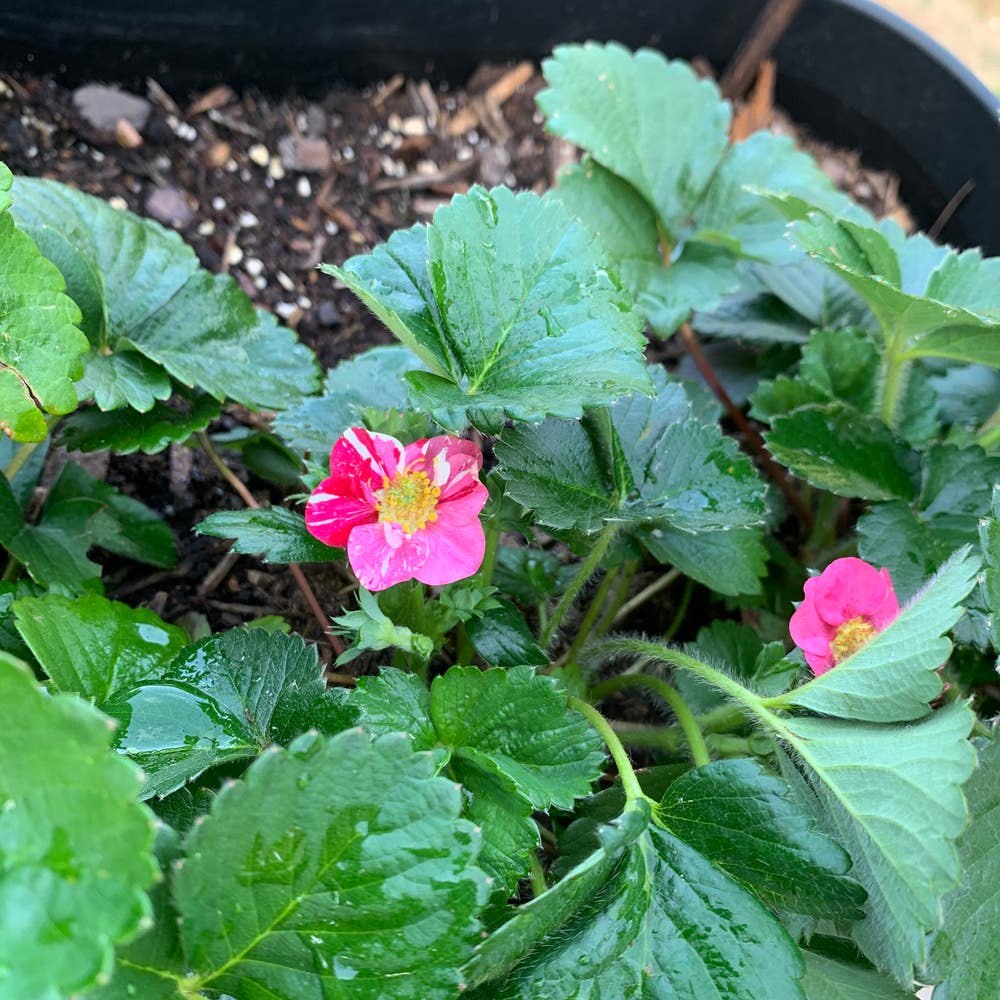
Overview of Potentilla supina subsp. aegyptiaca
Potentilla supina subsp. aegyptiaca
By the Greg Editorial Team
Feb 27, 2025•12 min read
This article was created with the help of AI so we can cover more plants for you. May contain errors. See one? Report it here.
- 🌞 Potentilla supina subsp. aegyptiaca needs 6+ hours of sunlight for optimal growth.
- 🌱 Ideal soil is well-drained sandy loam with a pH of 6.0 to 7.0.
- 🐾 Safe for pets: this plant is non-toxic to humans, dogs, and cats.
How to Grow
🌞 Choosing a Location
For Potentilla supina subsp. aegyptiaca, selecting the right location is crucial. Aim for a spot that receives a minimum of 6 hours of direct sunlight daily to promote healthy growth.
Well-drained soil is essential to prevent root rot. Ensure the area has good drainage to keep your plants thriving.
🏗️ Soil Preparation
When preparing the soil, opt for a light, sandy loam for optimal growth. This type of soil allows for better aeration and root development.
The ideal soil pH is slightly acidic to neutral, ranging from 6.0 to 7.0. Testing your soil can help you determine if amendments are necessary.
Adding compost or well-rotted manure can significantly improve soil fertility. These organic materials enrich the soil, providing essential nutrients for your plants.
🌱 Planting Techniques
When planting, ensure that the crowns of the plants are at soil level. This positioning helps the plants establish themselves more effectively.
Space your plants 12-18 inches apart to allow for optimal growth and airflow. Proper spacing reduces competition for resources and encourages healthy development.
💧 Watering Requirements
Initially, keep the soil consistently moist until the plants are established. This moisture is vital for helping the roots settle in.
Once established, Potentilla supina subsp. aegyptiaca exhibits drought tolerance. You can reduce watering frequency, allowing the plants to thrive with less intervention.
🌼 Fertilizing Guidelines
In early spring, provide a light feeding with a balanced fertilizer. This schedule supports new growth and overall health.
Be cautious of over-fertilization, particularly with nitrogen. Excessive nitrogen can lead to leggy growth, which is not ideal for this plant.
✂️ Pruning Practices
Prune your plants in late winter or early spring, just before new growth begins. This timing encourages robust development and flowering.
Focus on removing dead or damaged stems during pruning. This practice promotes healthy growth and improves the plant's appearance.
🌿 Ongoing Care
For container care, ensure that pots have drainage holes. Using a well-draining potting mix is also crucial for preventing waterlogged roots.
When caring for outdoor plants, monitor for pests and diseases regularly. Maintaining soil health through organic practices will keep your plants thriving.
With these guidelines, you'll be well-equipped to grow Potentilla supina subsp. aegyptiaca successfully. Next, let’s explore how to propagate this resilient plant for even more gardening success!
Propagation
🌱 Seed Propagation
To propagate Potentilla supina subsp. aegyptiaca from seeds, start by harvesting seeds from mature flowers. Once collected, sow them about 1/4 inch deep in well-drained soil for optimal germination.
✂️ Division of Established Plants
Dividing established plants is best done in early spring or fall. Carefully separate the clumps and replant them immediately to ensure they thrive in their new locations.
🌿 Cuttings Method
For propagation through cuttings, select healthy stems that are 4-6 inches long. Use a rooting medium consisting of peat and perlite to encourage strong root development.
This propagation knowledge sets the stage for understanding the lifecycle of Potentilla supina subsp. aegyptiaca, where we explore its growth stages and development.
Lifecycle
Lifecycle Stages 🌱
Potentilla supina subsp. aegyptiaca is a perennial plant, meaning it lives for multiple years, unlike annuals that complete their life cycle in one season. This longevity allows it to establish a robust root system and thrive in various conditions.
Germination Process 🌱
Under optimal conditions, germination typically takes about 14 to 30 days. This period is crucial as it sets the stage for healthy growth.
Seedling Development 🌱
Once germination occurs, the plant enters the seedling stage, marked by the initial growth of true leaves. These leaves are essential for photosynthesis and overall plant health.
Vegetative Growth Phase 🌱
During the vegetative growth phase, Potentilla supina subsp. aegyptiaca exhibits moderate growth. This phase is vital for building the plant's structure and energy reserves.
Flowering and Seed Production 🌼
Flowering usually occurs from late spring to early summer, showcasing bright yellow blooms. After flowering, seed production takes place, typically in late summer, ensuring the continuation of the species.
Growth Timeline and Speed ⏳
This plant takes approximately 1 to 2 years to reach its full size. With a moderate growth speed, it can grow up to 12 inches in a single season, making it a rewarding addition to any garden.
As we explore the lifecycle of Potentilla supina subsp. aegyptiaca, it’s clear that understanding its growth stages is essential for successful cultivation. Next, we’ll delve into the size of this resilient plant and how it can fit into your garden space.
Size
Mature Height and Spread 🌱
Potentilla supina subsp. aegyptiaca typically reaches a mature height of 6 to 12 inches. Its spread can extend up to 24 inches wide, making it an excellent choice for ground cover.
Growth Rate Specifics 📈
Under ideal conditions, this perennial plant boasts an average growth rate of 6 to 12 inches per year. This moderate growth allows it to establish itself without overwhelming nearby plants.
Size Variability Based on Conditions 🌦️
Several factors can influence the size of Potentilla supina subsp. aegyptiaca. Soil quality, sunlight exposure, and water availability play crucial roles in determining how robust and expansive your plants will become.
Understanding these size characteristics can help you plan your garden layout effectively. By considering the growth potential, you can create a vibrant and harmonious garden space that showcases the beauty of this resilient plant.
Roots
Root System Characteristics 🌱
Potentilla supina subsp. aegyptiaca features a fibrous root system. This structure is essential for stability and efficient nutrient uptake.
Depth and Spread 🌍
The roots are generally shallow, spreading horizontally. This allows the plant to access nutrients and moisture from a wider area.
Common Root-Related Issues ⚠️
One common issue is root rot, which occurs due to overwatering. To prevent this, ensure proper drainage in your planting area.
Identifying Healthy vs. Unhealthy Roots 🔍
Healthy roots are firm, white, and spread evenly throughout the soil. In contrast, unhealthy roots appear dark, mushy, or may emit a foul smell.
Managing Rootbound Conditions 🔄
If you notice roots growing out of the drainage holes, your plant may be rootbound. The solution is simple: either repot the plant into a larger container or divide it to promote healthier growth.
Understanding the root system of Potentilla supina subsp. aegyptiaca is crucial for its overall health. By monitoring root conditions, you can ensure your plant thrives beautifully.
Next, let’s explore the numerous benefits this resilient plant offers to your garden.
Benefits
Top 5 Benefits 🌟
1. Erosion Control
Potentilla supina subsp. aegyptiaca serves as an effective ground cover, helping to prevent soil erosion. Its dense growth stabilizes the soil, making it a great choice for sloped areas.
2. Drought Tolerance
Once established, this plant requires minimal water. Its ability to thrive in dry conditions makes it a perfect addition to low-maintenance gardens.
3. Attractive Blooms
The bright yellow flowers of Potentilla supina subsp. aegyptiaca add a splash of color to any garden. These cheerful blooms can enhance the overall aesthetics of your outdoor space.
4. Wildlife Support
This plant provides essential habitat for pollinators like bees and butterflies. By planting Potentilla, you contribute to the health of local ecosystems.
5. Low Maintenance
After establishment, Potentilla requires very little care. Its resilience and adaptability make it an ideal choice for busy gardeners or those new to gardening.
These benefits make Potentilla supina subsp. aegyptiaca a valuable addition to any garden. Whether you're looking to enhance your landscape or support local wildlife, this plant delivers on multiple fronts.
Next, let’s explore the concept of companion planting and how it can further enhance your gardening experience.
Companion Plants
Concept of Companion Planting 🌱
Companion planting is all about creating a thriving garden ecosystem. By pairing plants that support each other, you can enhance growth, deter pests, and improve overall garden health.
Best Companion Plants 🌼
When it comes to Potentilla supina subsp. aegyptiaca, consider planting it alongside lavender, Sedum, and other drought-tolerant species. These companions share similar care requirements and can help repel pests, making your garden more resilient.
Plants to Avoid 🚫
On the flip side, steer clear of heavy feeders like tomatoes. These plants compete for nutrients, which can hinder the growth of your Potentilla and lead to imbalances in your garden.
By choosing the right companions, you can create a flourishing environment that benefits all your plants. This thoughtful approach not only promotes healthy growth but also adds beauty and diversity to your garden.
Toxicity to Humans
Safety Profile 🌿
Potentilla supina subsp. aegyptiaca is considered non-toxic and is not listed as harmful by major poison control centers. This means you can enjoy its beauty without worrying about severe health risks.
Minor Issues ⚠️
While generally safe, there can be minor issues if consumed in large quantities. Some individuals may experience mild skin irritation or digestive discomfort, so it's wise to enjoy this plant in moderation.
Caution 🚑
If you notice any unusual symptoms after contact or ingestion, it's best to seek medical advice. Staying informed helps ensure a safe and enjoyable gardening experience.
This plant's non-toxic nature makes it a fantastic choice for gardens, especially those frequented by children and pets. Now, let's explore its safety around our furry friends!
Toxicity to Dogs
Non-Toxic Status 🐶
Potentilla supina subsp. aegyptiaca is considered safe for dogs. Veterinary organizations do not list it as toxic, so you can breathe easy if your furry friend takes an interest in this plant.
Minor Issues 🚨
While generally safe, excessive consumption may lead to mild gastrointestinal upset. It's always a good idea to keep an eye on your dog’s behavior and ensure they don’t munch on too much.
Tips for Safety 🛡️
To prevent any potential issues, keep the plant out of reach of your pets. Regularly monitoring their interactions with the garden can help you catch any unusual behavior early on.
As we explore the next section, let’s dive into the safety profile of Potentilla supina subsp. aegyptiaca concerning cats.
Toxicity to Cats
Non-Toxic Status 🐱
When it comes to Potentilla supina subsp. aegyptiaca, cat owners can breathe a sigh of relief. This plant is not listed as toxic by major pet poison control centers, making it a safe choice for homes with feline friends.
Minor Issues 🐾
While generally safe, excessive consumption of the plant may lead to mild gastrointestinal upset in cats. It's always a good idea to monitor your cat's behavior around any new plant.
Tips for Safety 🛡️
To ensure your furry companions stay safe, keep the plant in locations that are out of reach. Regularly check for any signs of nibbling, and if you notice unusual behavior, consult your veterinarian for peace of mind.
With Potentilla supina subsp. aegyptiaca, you can enjoy its beauty without worrying about your cats' health. Now, let’s explore some common problems that might arise when growing this resilient plant.
Problems
Common Problems 🌱
Potentilla supina subsp. aegyptiaca can face several common issues that affect its health and growth.
- Incorrect watering: Overwatering leads to yellowing leaves, while underwatering results in wilting.
- Incorrect light conditions: Insufficient light can cause leggy growth, making the plant weak and spindly.
- Incorrect temperature: Extreme temperatures, whether too hot or too cold, can stunt growth significantly.
- Diseases: Fungal issues, such as powdery mildew, can arise; prevention is key through good air circulation.
- Leaf issues: Scorching from excessive sun exposure can damage leaves, while yellowing may indicate nutrient deficiencies.
Identifying Symptoms and Causes 🔍
Recognizing symptoms is crucial for timely intervention.
- Overwatering: Look for yellowing leaves and a soggy base.
- Underwatering: Watch for wilting and dry soil.
- Insufficient light: Notice leggy growth and sparse foliage.
- Temperature stress: Stunted growth can signal temperature extremes.
- Diseases: Fungal growth or spots on leaves often indicate disease.
Solutions for Common Issues 🛠️
Addressing these problems can restore your plant's vitality.
- Adjust watering: Ensure the soil is moist but not waterlogged.
- Improve light conditions: Relocate the plant to a sunnier spot if necessary.
- Monitor for diseases: Regularly check for signs of fungal infections and improve air circulation around the plant.
By staying vigilant and proactive, you can keep your Potentilla thriving and healthy.
Bugs
🐛 Potential Pest Issues
While Potentilla supina subsp. aegyptiaca is generally pest-resistant, it can still attract a few unwelcome visitors. Keeping an eye out for these pests is essential to maintaining the health of your plants.
🔍 Identification of Pests
Common pests that may invade include spider mites, aphids, and whiteflies. Look for signs of damage such as wilting, yellowing leaves, and stunted growth, which can indicate a pest problem.
🧪 Effective Treatment Options
To combat these pests, consider using insecticidal soap or neem oil, both of which are effective and environmentally friendly. Additionally, introducing beneficial insects like ladybugs can help keep pest populations in check naturally.
By staying vigilant and employing these treatment methods, you can ensure your Potentilla remains healthy and vibrant. Next, let’s explore what animals might be tempted to munch on this resilient plant.
What Eats Potentilla
Common Animals 🦌
Potentilla supina subsp. aegyptiaca can attract a variety of herbivores. The most common culprits include deer, rabbits, and groundhogs, all of which may find the plant's foliage quite appetizing.
Signs of Animal Presence 🐾
Identifying animal visitors is crucial for protecting your plants. Look for signs such as chewed leaves, tracks in the soil, and droppings nearby, which indicate that these animals are enjoying a snack in your garden.
Deterrent Methods 🚫
Preventing these herbivores from munching on your Potentilla can be achieved through several effective methods. Consider using fencing to create a physical barrier, applying repellents to deter them, or incorporating companion planting strategies to confuse and protect your plants.
By being proactive, you can enjoy the beauty of Potentilla without the worry of it becoming a buffet for local wildlife.
⚠️ Safety First
This content is for general information and may contain errors, omissions, or outdated details. It is not medical, veterinary advice, or an endorsement of therapeutic claims.
Always consult a qualified healthcare professional before using any plant as food, medicine, or supplement.
Never eat any plant (or feed one to pets) without confirming its identity with at least two trusted sources.
If you suspect poisoning, call Poison Control (800) 222-1222, the Pet Poison Helpline (800) 213-6680, or your local emergency service immediately.
Spotted an error? Please report it here.
Cultivate a vibrant garden 🌼 with Potentilla supina subsp. aegyptiaca by using Greg's tailored care reminders to ensure your plants thrive in sunlight and well-drained soil!