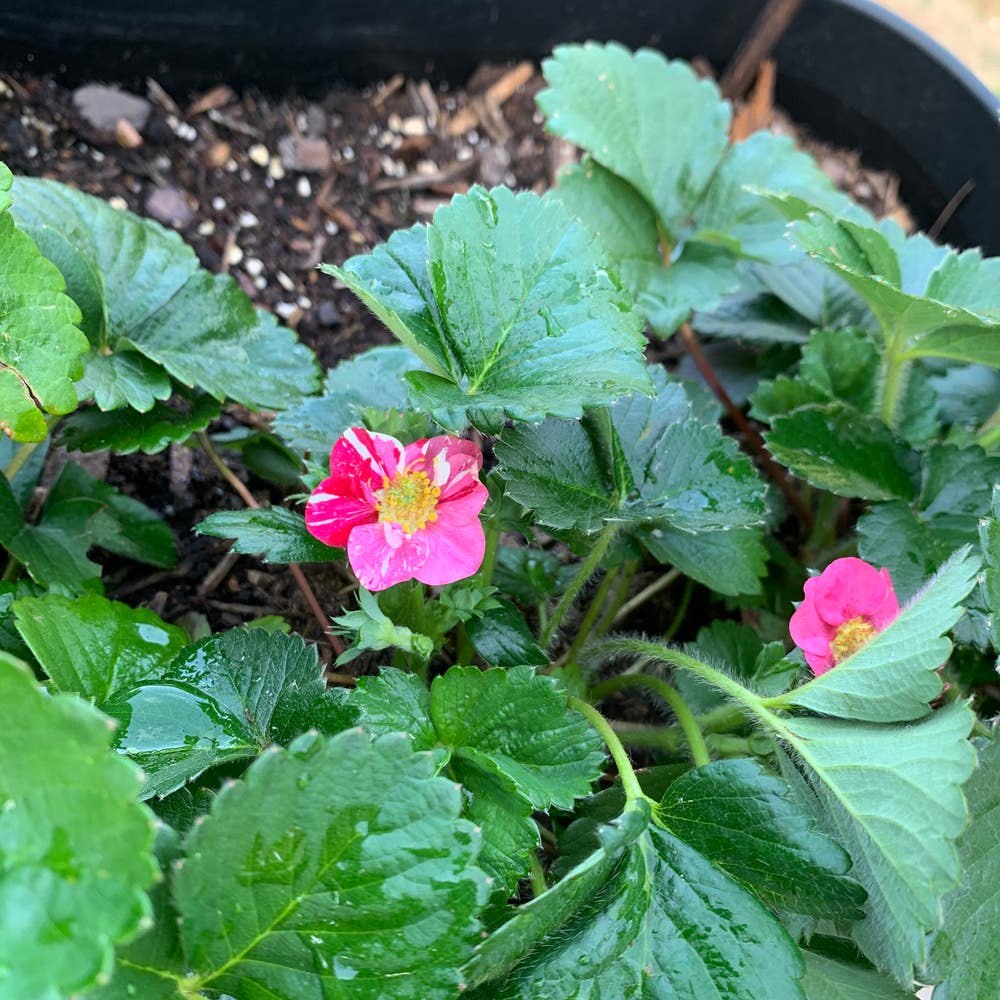
Potentilla stanjukoviczii: A Comprehensive Overview
Potentilla stanjukoviczii
By the Greg Editorial Team
Feb 27, 2025•13 min read
This article was created with the help of AI so we can cover more plants for you. May contain errors. See one? Report it here.
Elevate your garden's beauty effortlessly with the vibrant blooms of Potentilla stanjukoviczii! 🌼
- 🌞 Potentilla stanjukoviczii needs 6+ hours of sunlight for optimal growth.
- 🌱 Well-drained soil with pH 6.0-7.0 is crucial for healthy roots.
- 🐝 Attracts pollinators and is non-toxic, perfect for family gardens!
How to Grow
🌞 Choosing a Location
When selecting a location for Potentilla stanjukoviczii, aim for full sun to partial shade. This plant thrives best in areas that receive at least six hours of sunlight daily, ensuring vibrant blooms and robust growth.
Drainage is crucial; well-drained soil is essential to prevent root rot. Avoid areas where water tends to pool after heavy rains, as this can lead to unhealthy roots.
🏖️ Soil Preparation
Potentilla stanjukoviczii prefers well-drained sandy or loamy soils. These soil types provide the right balance of moisture retention and drainage, promoting healthy root development.
The optimal soil pH for this plant ranges from 6.0 to 7.0. Testing your soil before planting can help you achieve the best conditions for growth.
🌱 Planting Techniques
For optimal growth, space your plants 12 to 18 inches apart. This spacing allows for adequate air circulation and room for each plant to flourish.
When planting, ensure that seeds or transplants are placed at the appropriate depth. Generally, seeds should be sown at a depth of about 1/4 inch, while transplants should be planted at the same depth they were growing in their original containers.
💧 Watering Requirements
During the establishment phase, water Potentilla stanjukoviczii regularly. Aim for a schedule that keeps the soil consistently moist but not soggy.
For watering methods, consider using drip irrigation for efficiency. This method delivers water directly to the roots, minimizing evaporation and reducing the risk of fungal diseases associated with overhead watering.
🌿 Fertilizing
A balanced NPK fertilizer is recommended for Potentilla stanjukoviczii. Look for a fertilizer with equal parts nitrogen, phosphorus, and potassium to support overall plant health.
Fertilize during the growing season, typically every 4 to 6 weeks. This regular feeding helps maintain vibrant foliage and abundant blooms.
✂️ Pruning
Timing is key when it comes to pruning. Deadheading spent flowers encourages more blooms, while shaping the plant can enhance its overall appearance.
Use clean, sharp tools to prune. This technique not only maintains plant aesthetics but also promotes healthy growth by preventing disease transmission.
🔍 Ongoing Care
Monitoring growth is essential for identifying signs of healthy development versus stress. Look for vibrant leaves and abundant flowers as indicators of a thriving plant.
Adjust care based on the seasons. For example, reduce watering in the winter months when the plant is dormant, and increase it during the hot summer to support growth.
By following these guidelines, you'll create an ideal environment for Potentilla stanjukoviczii to thrive, ensuring a beautiful addition to your garden. Next, let’s explore the various propagation methods to expand your collection of this stunning plant.
Propagation
🌱 Seed Propagation
Germinating seeds of Potentilla stanjukoviczii is straightforward and rewarding. Start by soaking the seeds in water for 24 hours to enhance germination rates.
Next, plant the seeds in a well-draining seed-starting mix. Keep the soil consistently moist but not soggy, and place the trays in a warm location with indirect sunlight. Germination typically occurs within 2-3 weeks under optimal conditions.
✂️ Division of Established Plants
Dividing established plants is an effective way to propagate Potentilla stanjukoviczii. The best time for division is in early spring or fall when the plant is not actively growing.
To divide, carefully dig up the clump and use a sharp spade to separate it into smaller sections, ensuring each division has roots and shoots. Replant the divisions immediately in well-prepared soil to minimize stress.
🌿 Cuttings
Taking cuttings is another viable propagation method for Potentilla stanjukoviczii. Select healthy, non-flowering stems in late spring or early summer for the best results.
Cut a 4-6 inch section just below a leaf node and remove the lower leaves. Dip the cut end in rooting hormone and plant it in a moist potting mix. Keep the cuttings in a warm, humid environment, and roots should develop within a few weeks.
With these propagation techniques, you can easily expand your garden with beautiful Potentilla stanjukoviczii plants. Next, let’s explore the lifecycle of this resilient perennial.
Lifecycle
Stages of Growth 🌱
Potentilla stanjukoviczii goes through several distinct stages during its lifecycle. These include seed, seedling, vegetative growth, flowering, and seed production.
The typical lifespan of this plant can vary, but it generally thrives for several years, providing beauty and resilience in your garden.
Growth Timeline ⏳
Understanding the growth timeline is essential for successful cultivation. From seed to maturity, Potentilla stanjukoviczii usually takes about two to three years to reach its full height and spread.
Under optimal conditions, you can expect an average growth rate that allows for steady development, ensuring that your plant flourishes beautifully in its environment.
This knowledge will help you plan your garden effectively and appreciate the journey of your Potentilla stanjukoviczii as it matures.
Size
Mature Dimensions 🌱
Potentilla stanjukoviczii typically reaches a mature height of 12 to 18 inches, with a spread of 18 to 24 inches. This compact size makes it an excellent choice for borders or as a ground cover in your garden.
Growth Rate and Variability 📈
The growth rate of Potentilla stanjukoviczii can vary significantly based on several factors. Soil quality, sunlight exposure, and water availability all play crucial roles in determining how quickly this plant thrives.
Different environments can lead to noticeable size variability. For instance, a well-drained, sunny spot will generally produce a more robust plant compared to one in shaded or poorly drained conditions.
Understanding these factors can help you create the ideal conditions for your Potentilla, ensuring it reaches its full potential.
As we explore the next section, we'll delve into the fascinating lifecycle of this resilient plant.
Roots
🌱 Root System Characteristics
Potentilla stanjukoviczii features a fibrous root system that is essential for its stability and nutrient uptake. This type of root structure allows the plant to efficiently absorb water and minerals from the soil.
📏 Depth and Spread
Typically, the root depth of Potentilla stanjukoviczii reaches about 12 to 18 inches, while the spread can extend up to 24 inches. This expansive root system supports healthy growth and resilience against environmental stressors.
⚠️ Common Issues
Root Rot
Root rot is a common issue that can affect Potentilla stanjukoviczii, often caused by overwatering or poorly drained soil. Symptoms include wilting, yellowing leaves, and a foul smell from the roots.
To prevent root rot, ensure that the soil is well-drained and avoid excessive watering. Regularly check the moisture level before watering to maintain a healthy balance.
🌿 Rootbound
Another concern is becoming rootbound, which occurs when the roots grow too densely within the pot or planting area. Signs of a rootbound plant include stunted growth and roots emerging from the drainage holes.
To remedy this, gently remove the plant from its container and untangle the roots. If necessary, you can divide the plant and replant it in a larger space to encourage healthy growth.
As you care for Potentilla stanjukoviczii, keeping an eye on its roots will help ensure a thriving, vibrant plant. Next, let's explore the benefits this stunning perennial brings to your garden!
Benefits
Aesthetic Appeal 🌼
Potentilla stanjukoviczii is a visual delight, boasting bright yellow flowers that can light up any garden. Its lush foliage adds texture and vibrancy, making it a standout choice for landscape design.
Drought Resistance 💧
Once established, this plant showcases impressive drought tolerance. This resilience not only conserves water but also reduces maintenance, making it ideal for low-water gardens.
Pollinator Attraction 🐝
This species plays a crucial role in supporting local ecosystems by attracting pollinators. Bees and butterflies are drawn to its flowers, enhancing biodiversity in your garden.
Erosion Control 🌍
Potentilla stanjukoviczii helps prevent soil erosion, thanks to its fibrous root system. This makes it a practical choice for sloped areas or gardens prone to runoff.
Cultural Significance 📜
Historically, Potentilla species have held various cultural meanings across different regions. This plant's presence can evoke a sense of connection to nature and tradition, enriching your gardening experience.
As you explore the benefits of Potentilla stanjukoviczii, consider how it can enhance not just your garden's beauty but also its ecological health. Next, let's delve into the best companion plants that thrive alongside this vibrant perennial.
Companion Plants
🌱 Companion Planting Benefits
Companion planting is a fantastic way to enhance your garden's ecosystem. By strategically placing plants together, you can boost growth, manage pests, and increase overall garden diversity.
🌼 Recommended Companions
When growing Potentilla stanjukoviczii, consider these compatible plants:
- Lavender: Attracts pollinators and repels pests.
- Catmint: Offers a beautiful contrast and attracts beneficial insects.
- Echinacea: Provides vibrant blooms and supports local wildlife.
These companions not only thrive alongside Potentilla but also contribute to a healthier garden environment.
🚫 Plants to Avoid
While many plants can coexist peacefully, some may hinder the growth of Potentilla. Avoid planting:
- Heavy feeders: Such as corn or tomatoes, which compete for nutrients.
- Plants with similar water needs: Like ferns, which may lead to overwatering issues.
Choosing the right companions can make all the difference in your garden's success. By fostering a harmonious plant community, you’ll create a thriving space that benefits both your plants and the local ecosystem.
As you plan your garden, keep these tips in mind to ensure a flourishing environment for Potentilla stanjukoviczii and its companions. Next, let’s explore the potential problems that can arise in your gardening journey.
Toxicity to Humans
Potentilla stanjukoviczii is considered non-toxic and is not listed as harmful by major health organizations. This makes it a safe choice for gardens, especially if you have children or pets around.
While the plant is generally safe, some individuals may experience mild reactions from contact or ingestion. It's always wise to keep an eye out for any unusual symptoms, especially if you're introducing this plant to your home for the first time.
Monitoring is key. If you notice any signs of irritation or discomfort after handling the plant, it’s best to consult a healthcare professional.
In summary, Potentilla stanjukoviczii offers a beautiful addition to your garden without the worry of toxicity. Just remember to stay observant and enjoy the vibrant blooms!
Next, let’s explore how this plant interacts with our furry friends, focusing on its toxicity to dogs.
Toxicity to Dogs
Non-Toxic Status 🌿
Potentilla stanjukoviczii is considered non-toxic to dogs, according to major pet poison control centers. This means you can enjoy this beautiful plant without worrying about your furry friends getting sick.
Potential Minor Issues 🐾
While generally safe, excessive consumption of the plant may lead to mild gastrointestinal upset in dogs. It's always best to monitor your pet's behavior around new plants to ensure their well-being.
Tips for Introducing to Homes 🏡
When introducing Potentilla stanjukoviczii into your home or garden, consider its placement carefully. Keeping it in areas where your dog doesn’t frequently roam can help minimize any potential nibbling.
Additionally, observe your dog’s interactions with the plant. If you notice any unusual behavior or symptoms, consult your veterinarian for guidance.
This plant can be a lovely addition to your garden, providing vibrant blooms while keeping your canine companions safe. With a little attention, you can enjoy the beauty of Potentilla stanjukoviczii without any worries.
Toxicity to Cats
Potentilla stanjukoviczii is considered non-toxic to cats, meaning it won't pose a serious threat to your feline friends. This plant is not listed as toxic by major pet poison control centers, making it a safe choice for pet owners.
However, it's important to note that excessive consumption of any plant can lead to mild gastrointestinal upset in cats. Keeping an eye on your pet's behavior after introducing new plants is always a good practice.
🐾 Tips for Introducing to Homes
When bringing Potentilla stanjukoviczii into your home, consider its placement carefully. Position it in areas that are less accessible to your curious cats, especially if they tend to nibble on plants.
Monitoring your cats around the plant is crucial. Watch for any signs of unusual behavior or discomfort, and adjust the plant's location if necessary. This proactive approach ensures a harmonious environment for both your plants and pets.
As you enjoy the beauty of this plant, rest assured that it can coexist peacefully with your feline companions.
Problems
Common Problems 🌱
Growing Potentilla stanjukoviczii can be rewarding, but it’s essential to be aware of common issues that may arise. Addressing these problems promptly can ensure your plants thrive.
Overwatering 💧
Overwatering is one of the most frequent pitfalls for gardeners. Symptoms include yellowing leaves, wilting, and a soggy root system.
To prevent overwatering, ensure your soil is well-drained and only water when the top inch of soil feels dry.
Light Issues ☀️
Insufficient light can stunt growth and lead to leggy plants. If your Potentilla isn’t flowering or appears weak, it might not be getting enough sunlight.
To resolve this, assess the light conditions and consider relocating your plants to a sunnier spot, ideally where they receive full sun to partial shade.
Diseases 🦠
Fungal diseases like powdery mildew and rust can affect your plants, especially in humid conditions. Look for white powdery spots on leaves or orange-brown pustules.
To combat these issues, ensure good air circulation around your plants and apply fungicides if necessary.
Root Problems 🥴
Root rot is a serious concern, often caused by overwatering or poorly drained soil. Symptoms include a foul smell and mushy roots.
To recognize root rot, gently remove the plant from the soil and inspect the roots. If they are brown and mushy, it’s time to trim away the affected areas and repot in fresh, dry soil.
Leaf Issues 🍃
Scorching and yellowing leaves can indicate stress from environmental factors. Scorched leaves often result from too much direct sunlight, while yellowing may signal nutrient deficiencies or overwatering.
Adjust your watering schedule and consider providing some shade during the hottest parts of the day to help your plants recover.
By staying vigilant and addressing these common problems, you can enjoy a flourishing Potentilla stanjukoviczii garden. Next, let’s explore the various pests that might threaten your plants.
Bugs
Common Pests 🐜
Identifying pests early is crucial for maintaining the health of Potentilla stanjukoviczii. Look for signs such as discolored leaves, holes, or webbing, which can indicate an infestation.
Common pests include aphids, spider mites, and whiteflies. Each of these can cause significant damage, leading to stunted growth and reduced flowering.
Treatment Options 💊
When it comes to treatment, you have several effective methods at your disposal. Organic options like neem oil or insecticidal soap can help control pests without harming beneficial insects.
For more severe infestations, chemical pesticides may be necessary. Always follow the manufacturer's instructions to ensure safe and effective use.
Regular monitoring and prompt action can keep your plants thriving and pest-free. With the right care, you can enjoy the beauty of Potentilla stanjukoviczii without the worry of unwanted visitors.
As we move forward, let's explore the fascinating world of what eats this resilient plant.
What Eats
Common Animals 🦌
Potentilla stanjukoviczii can attract a variety of hungry critters. Common visitors include deer, rabbits, squirrels, and rodents, all of which may find the plant's foliage and flowers appealing.
Signs of Damage 🐾
Identifying damage from these animals is crucial for timely intervention. Look for bite marks on leaves, trampled plants, or even missing flowers as clear indicators that your Potentilla is being feasted upon.
Deterrent Methods 🚫
To protect your plants, consider a mix of chemical and organic deterrent methods. Options like fencing, repellents, or even companion planting can help keep these pests at bay, ensuring your Potentilla thrives without unwanted nibbling.
By being proactive and observant, you can enjoy the beauty of your Potentilla while minimizing damage from local wildlife. Next, let’s explore the common bugs that may also pose a threat to your plant's health.
⚠️ Safety First
This content is for general information and may contain errors, omissions, or outdated details. It is not medical, veterinary advice, or an endorsement of therapeutic claims.
Always consult a qualified healthcare professional before using any plant as food, medicine, or supplement.
Never eat any plant (or feed one to pets) without confirming its identity with at least two trusted sources.
If you suspect poisoning, call Poison Control (800) 222-1222, the Pet Poison Helpline (800) 213-6680, or your local emergency service immediately.
Spotted an error? Please report it here.
Unlock the full potential of your Potentilla stanjukoviczii 🌼 with Greg's tailored care tips and reminders, ensuring your garden thrives while attracting pollinators and adding vibrant beauty!