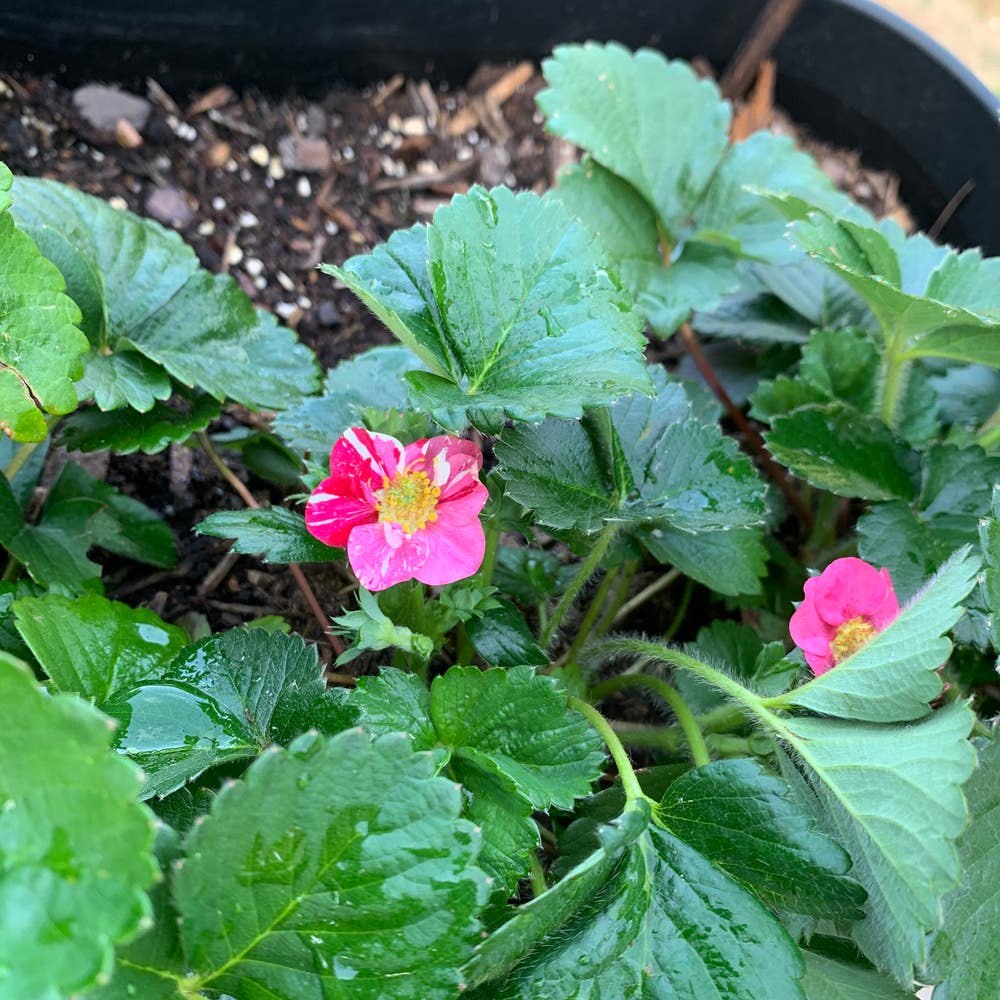
🌼 Ultimate Guide to Potentilla sphenophylla
Potentilla sphenophylla
By the Greg Editorial Team
Feb 27, 2025•10 min read
This article was created with the help of AI so we can cover more plants for you. May contain errors. See one? Report it here.
Elevate your garden effortlessly with Potentilla sphenophylla, a stunning and low-maintenance perennial! 🌼
- 🌞 Potentilla sphenophylla thrives in 6-8 hours of sunlight; ensure proper light exposure.
- 🌱 Well-draining soil with pH 6.0-7.5 is essential for healthy growth.
- 🐝 Attracts pollinators like bees and butterflies, enhancing garden biodiversity.
How to Grow
Choosing a Location 🌞
To thrive, Potentilla sphenophylla needs full sun to partial shade, ideally receiving 6-8 hours of sunlight daily. When selecting a spot, steer clear of areas prone to excessive moisture or strong winds, as these conditions can hinder growth.
Soil Preparation 🌱
This plant flourishes in well-draining soil with a pH between 6.0 and 7.5. To enhance soil fertility and drainage, mix in organic matter like compost or well-rotted manure.
Planting Techniques 🌿
When planting, dig a hole that is twice the width of the root ball and the same depth. Space your plants 12-18 inches apart to give them room to grow and spread.
Watering Requirements 💧
After planting, give your Potentilla a thorough watering to help establish its roots. During dry spells, water once a week, but once the plant is established, you can reduce the frequency.
Fertilizing Schedule 🌼
In early spring, apply a balanced, slow-release fertilizer to kickstart growth. Continue to fertilize every 4-6 weeks throughout the growing season for optimal health.
Pruning Methods ✂️
Prune your Potentilla in early spring before new growth begins. Focus on removing dead or damaged stems and spent flowers to encourage fresh blooms.
Ongoing Care 🪴
If you're growing Potentilla in containers, ensure your pots have drainage holes and use a quality potting mix. Regularly check for pests and diseases, adjusting your watering schedule based on the weather to keep your plants thriving.
With these tips, you'll be well on your way to cultivating a healthy and vibrant Potentilla sphenophylla. Next, let’s explore how to propagate this resilient plant!
Propagation
🌱 Seed Propagation
To start your journey with Potentilla sphenophylla, sow seeds in late winter or early spring. Keep the seeds moist and maintain a temperature between 65-70°F (18-21°C) for optimal germination.
✂️ Cutting Propagation
If you prefer cuttings, select 4-6 inch pieces from healthy plants during early summer. For the best results, use a rooting medium that combines perlite and peat moss to encourage strong root development.
Propagation can be a rewarding experience, allowing you to expand your garden with these resilient plants. Whether you choose seeds or cuttings, both methods offer a chance to witness the beauty of Potentilla sphenophylla flourish in your space.
Next, let’s explore the lifecycle of this remarkable perennial and understand its growth stages.
Lifecycle
🌱 Lifecycle Stages
Potentilla sphenophylla is a resilient perennial plant that goes through several distinct stages: germination, seedling, vegetative growth, flowering, and seed production. Each stage plays a crucial role in the plant's development and overall health.
⏳ Germination Time
Under optimal conditions, germination typically takes about 2-3 weeks. This is the exciting phase where potential begins to unfold.
🌿 Seedling Stage Duration
The seedling stage lasts approximately 4-6 weeks. During this time, the plant establishes its roots and prepares for more vigorous growth.
🌼 Growth Period
The growth period extends throughout the growing season, allowing Potentilla sphenophylla to flourish. It usually takes 1-2 years for the plants to reach full maturity, showcasing their vibrant blooms and robust structure.
Understanding these lifecycle stages is essential for successful cultivation. By recognizing the timing and needs of each phase, you can better support the growth of this beautiful plant.
Next, we will explore the size characteristics of Potentilla sphenophylla, including its mature height and spread.
Size
Mature Height and Spread 🌱
Potentilla sphenophylla typically reaches a mature height of 12 to 18 inches. With a spread of up to 24 inches wide, this plant can create a lovely, bushy appearance in your garden.
Growth Rate and Size Variability 📈
The growth rate of Potentilla sphenophylla is moderate, influenced by various environmental conditions. Factors such as soil quality, sunlight, and water availability can lead to size variability, making each plant unique in its growth journey.
Understanding these characteristics helps you plan your garden layout effectively. By considering the mature size and growth patterns, you can ensure that each plant has enough space to thrive and contribute to a vibrant landscape.
Roots
🌱 Root System Characteristics
Potentilla sphenophylla features a fibrous root system that is essential for its stability and nutrient uptake. These roots typically extend 12-18 inches deep, allowing the plant to access moisture and nutrients effectively.
⚠️ Common Root-Related Issues
One of the most common issues with Potentilla sphenophylla is root rot, which occurs due to overwatering. To prevent this, ensure proper drainage in the soil; healthy roots should be firm and white, while dark, mushy roots indicate rot.
Maintaining a vigilant eye on your plant's roots can save you from potential problems. If you notice any signs of unhealthy roots, it's crucial to act quickly to restore your plant's health.
With a solid understanding of the root system and potential issues, you can ensure your Potentilla sphenophylla thrives. Next, let's explore the numerous benefits this resilient plant brings to your garden.
Benefits
Top 5 Benefits 🌟
Potentilla sphenophylla offers a range of benefits that make it a fantastic addition to any garden. Here are the top five reasons to consider this resilient perennial.
Attracts Pollinators
The bright flowers of Potentilla sphenophylla are a magnet for pollinators. Bees and butterflies flock to its blooms, enhancing the biodiversity of your garden.
Drought-Resistant
This plant thrives in poor soil and requires minimal water. Its drought-resistant nature makes it an excellent choice for low-maintenance landscaping.
Erosion Control
Potentilla sphenophylla serves as an effective ground cover. Its dense growth helps stabilize soil, making it a practical option for preventing erosion.
Low Maintenance
Once established, this plant requires little care. Its hardy nature means you can enjoy its beauty without constant attention.
Aesthetic Appeal
With its vibrant colors, Potentilla sphenophylla adds visual interest to any landscape. It’s not just a plant; it’s a statement piece that brightens up your garden.
Incorporating Potentilla sphenophylla into your garden not only enhances its beauty but also supports the environment. Next, let’s explore the best companion plants that thrive alongside this versatile perennial.
Companion Plants
Best Companion Plants 🌱
When choosing companion plants for Potentilla sphenophylla, consider drought-tolerant options like sedums and thyme. These plants not only share similar care requirements but also help repel pests, creating a harmonious garden environment.
Benefits of Companion Planting 🌼
Companion planting offers several advantages. By grouping Potentilla sphenophylla with compatible plants, you can enhance growth, improve soil health, and reduce the likelihood of pest infestations.
Additional Companion Suggestions 🌿
Other suitable companions include:
- Lavender: Attracts pollinators and provides a fragrant addition.
- Yarrow: Known for its medicinal properties and pest-repelling abilities.
These combinations not only create a visually appealing landscape but also promote a thriving ecosystem in your garden.
Final Thoughts on Companion Planting 🌸
Selecting the right companions can elevate your gardening experience. Embrace the synergy of these plants to cultivate a vibrant, low-maintenance garden that flourishes with minimal effort.
As you plan your garden, consider how these companions can work together with Potentilla sphenophylla to create a resilient and beautiful space. Next, let’s explore the fascinating topic of toxicity and safety regarding this plant.
Toxicity to Humans
Potentilla sphenophylla is considered safe and is not listed as toxic by major poison control centers. You can handle and even ingest it in small amounts without worry, although excessive consumption might lead to mild skin irritation or digestive discomfort.
It's always good to be cautious, though. While this plant is generally harmless, it's best to enjoy it in moderation to avoid any potential issues.
Toxicity to Dogs
Potentilla sphenophylla is considered safe for dogs, according to veterinary organizations. This means you can enjoy your garden without worrying about your furry friends getting into trouble.
While generally non-toxic, it's worth noting that excessive consumption may lead to mild gastrointestinal upset. So, if your dog decides to snack on a few leaves, keep an eye out for any signs of discomfort.
In summary, Potentilla sphenophylla poses no significant risk to dogs, making it a great addition to pet-friendly gardens. Now that you know about its safety, let's explore how this plant interacts with other animals in your garden.
Toxicity to Cats
Potentilla sphenophylla is considered safe for cats, as it is not listed as toxic by major pet poison control centers.
While your feline friends can enjoy the presence of this plant without worry, it's worth noting that excessive consumption may lead to mild gastrointestinal upset.
Problems
Common Problems 🌱
Growing Potentilla sphenophylla can be rewarding, but it’s essential to watch for common issues that may arise.
Incorrect Watering
Watering is crucial for plant health. If your plant is wilting, it may be underwatered, while yellowing leaves often indicate overwatering.
Incorrect Light Conditions
Light conditions can also affect growth. Leaf scorch is a sign of too much sun, whereas leggy growth suggests your plant isn’t getting enough light.
Diseases
Diseases can pose a threat to your Potentilla sphenophylla. Keep an eye out for powdery mildew and rust; these can be treated with fungicides or by improving air circulation around the plant.
By staying vigilant and addressing these issues promptly, you can ensure your Potentilla thrives beautifully. Next, let’s explore potential pest issues that could affect your plant.
Bugs
Potential Pest Issues 🐜
While Potentilla sphenophylla is generally pest-resistant, it can still face challenges from a few common nuisances. Keeping an eye out for these pests can help maintain the health of your plants.
Spider Mites 🕷️
Spider mites are tiny pests that can wreak havoc on your Potentilla. Look for fine webbing and stippled leaves as telltale signs of their presence. If you spot them, act quickly to prevent further damage.
Aphids 🐞
Aphids are another potential threat, often appearing as small green insects on new growth. They can weaken your plants by sucking sap, so it's essential to monitor for these pests regularly.
Prevention and Control 🚫
To keep your Potentilla thriving, consider these preventive measures:
- Regular Inspections: Check your plants frequently for any signs of pests.
- Natural Predators: Encourage beneficial insects like ladybugs that feed on aphids.
- Neem Oil: Use neem oil or insecticidal soap to treat infestations effectively.
By staying vigilant and taking proactive steps, you can protect your Potentilla sphenophylla from these pesky bugs. This will ensure your garden remains vibrant and healthy.
Transition to Next Section 🌱
With pest management under control, let’s explore the fascinating world of companion plants that can enhance the growth and beauty of your Potentilla sphenophylla.
What Eats
Common Animals 🦌
Potentilla sphenophylla can attract a variety of wildlife, which may pose a challenge for gardeners.
Deer are one of the most common culprits. Look for signs like chewed leaves and broken stems, indicating their presence.
Rabbits also enjoy munching on this plant. You might notice evidence of nibbling on the lower leaves, which can be frustrating for those hoping to maintain a pristine garden.
Squirrels and rodents may dig around the base of the plant. Their activity can disturb the roots and affect overall plant health.
Understanding these potential threats can help you take proactive measures to protect your Potentilla sphenophylla. Keep an eye out for these animals and consider using protective barriers or deterrents to safeguard your plants.
Next, let’s explore the companion plants that thrive alongside Potentilla sphenophylla, enhancing both beauty and resilience in your garden.
⚠️ Safety First
This content is for general information and may contain errors, omissions, or outdated details. It is not medical, veterinary advice, or an endorsement of therapeutic claims.
Always consult a qualified healthcare professional before using any plant as food, medicine, or supplement.
Never eat any plant (or feed one to pets) without confirming its identity with at least two trusted sources.
If you suspect poisoning, call Poison Control (800) 222-1222, the Pet Poison Helpline (800) 213-6680, or your local emergency service immediately.
Spotted an error? Please report it here.
Cultivate a vibrant garden 🌼 with Potentilla sphenophylla by using Greg's personalized care reminders to ensure your plants thrive and attract pollinators!