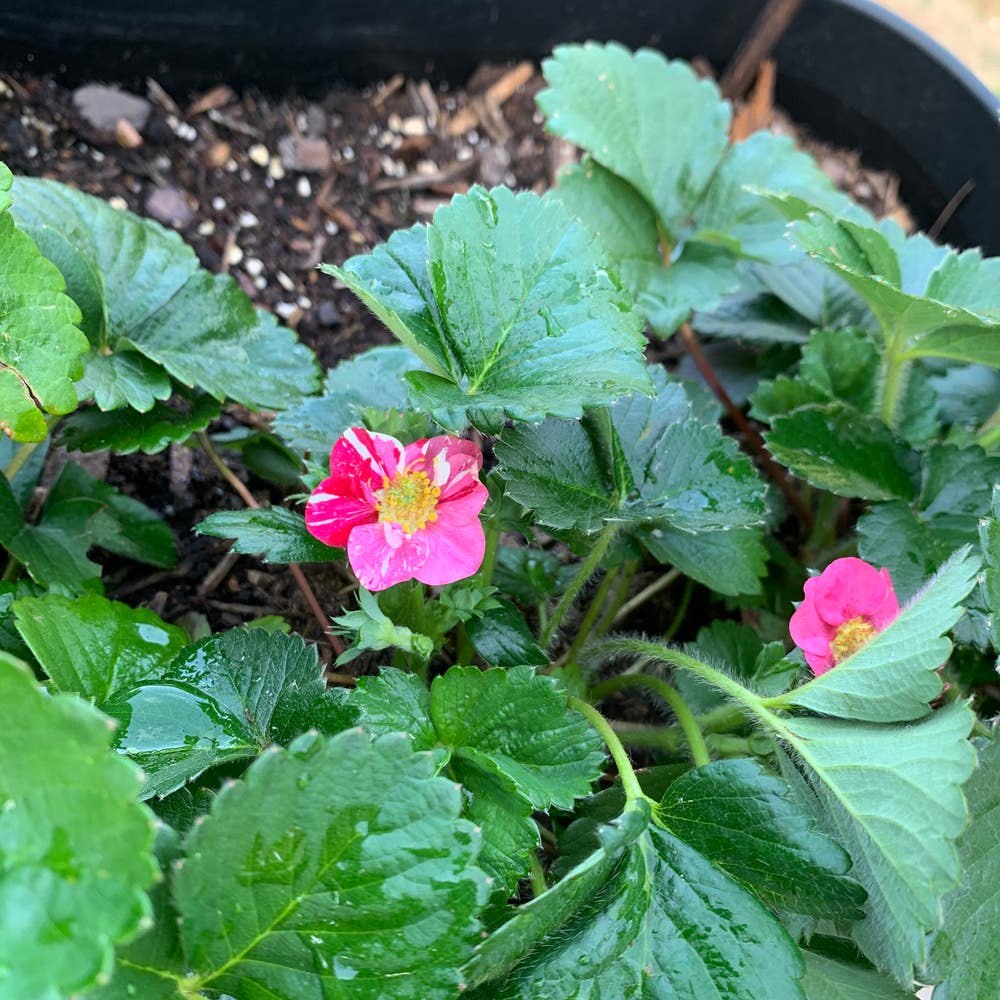
What You Should Know About Potentilla sommerfeltii
Potentilla sommerfeltii
By the Greg Editorial Team
Feb 27, 2025•10 min read
This article was created with the help of AI so we can cover more plants for you. May contain errors. See one? Report it here.
Elevate your garden's beauty with resilient Potentilla sommerfeltii, perfect for any sunny spot! 🌞🌱
- 🌞 Potentilla sommerfeltii thrives in full sun and well-drained, sandy or rocky soils.
- 🌱 Space plants 12-18 inches apart for optimal air circulation and growth.
- 🐝 Attracts pollinators like bees and butterflies, enhancing your garden's ecosystem.
How to Grow
Choosing a Location 🌞
To ensure your Potentilla sommerfeltii thrives, select a spot that receives full sun. This plant flourishes in well-drained, sandy, or rocky soils, making it perfect for sunny garden beds.
Soil Preparation 🧪
Aim for a soil pH between 6.0 and 7.0 for optimal growth. Good drainage is crucial; it prevents root rot and keeps your plants healthy.
Planting Techniques 🌱
When planting, space your Potentilla plants 12-18 inches apart to allow for proper air circulation. For seeds or transplants, a planting depth of 1-2 inches is ideal.
Watering Requirements 💧
Water your plants based on soil moisture, ensuring you avoid waterlogging. Drip irrigation or soaker hoses work best for maintaining consistent moisture levels.
Fertilizing 🌿
Use a balanced NPK fertilizer to give your plants the nutrients they need. Fertilize in early spring and again in mid-summer for the best results.
Pruning ✂️
Prune your Potentilla in late winter or early spring, just before new growth begins. Focus on removing dead or damaged stems to encourage fresh, vigorous growth.
Ongoing Care 🔍
Regularly monitor your plants for health and vigor. Be prepared to adjust your care routine based on seasonal changes to keep your Potentilla flourishing.
With these tips, you’ll be well on your way to cultivating a vibrant display of Potentilla sommerfeltii in your garden. Next, let’s explore how to propagate this resilient plant for even more beauty!
Propagation
🌱 Seed Propagation
To propagate Potentilla sommerfeltii from seeds, sow them in early spring. It's crucial to maintain moisture and warmth during germination for the best results.
✂️ Division of Established Plants
Dividing established plants is best done in early spring or fall. Carefully separate the clumps and replant them immediately to ensure they thrive.
🌿 Cuttings
Taking cuttings is another effective propagation method. Select healthy stems that are 4-6 inches long and use a well-draining medium while maintaining humidity for successful rooting.
This propagation knowledge will help you expand your garden with Potentilla sommerfeltii, ensuring a vibrant display of its beautiful flowers. Next, let's explore the lifecycle of this resilient plant.
Lifecycle
Stages of Growth 🌱
Potentilla sommerfeltii goes through several distinct stages during its lifecycle. These include seed, seedling, vegetative growth, flowering, and seed production.
Timeframe for Growth ⏳
Typically, this plant takes about 2-3 years to reach full maturity. Patience is key, as the journey from seed to a flourishing plant is a gradual process that rewards careful nurturing.
Size
Mature Dimensions 🌱
Potentilla sommerfeltii typically reaches a mature height of 12-18 inches and spreads 18-24 inches wide. This compact size makes it an excellent choice for borders or rock gardens.
Growth Rate ⏳
Expect moderate growth from this plant, as it takes about 2-3 years to reach its full size. Patience is key, but the wait is worth it for the vibrant blooms it will produce.
Size Variability 📏
Several factors can influence the size of Potentilla sommerfeltii. Sunlight exposure, soil quality, and water availability all play crucial roles in determining how robust your plants will grow.
Understanding these aspects can help you create the ideal environment for your Potentilla. With the right care, you’ll enjoy a flourishing display that enhances your garden's beauty.
Roots
Characteristics 🌱
Potentilla sommerfeltii features a fibrous root system that is essential for its stability and nutrient uptake. These roots can extend 12-18 inches deep, allowing the plant to access moisture and nutrients from a wide area.
Common Issues ⚠️
One of the most common problems with this plant is root rot, which occurs due to overwatering. Signs of root rot include wilting and discoloration of the leaves, indicating that the roots are struggling to function properly.
Management Tips 🛠️
To prevent root rot, ensure your soil has good drainage and avoid overwatering. It's also important to recognize rootbound plants, which can be identified by circling roots and stunted growth; check the pot size to determine if it's time to repot.
By keeping an eye on these root characteristics and potential issues, you can help your Potentilla sommerfeltii thrive. Next, let’s explore the benefits this resilient plant brings to your garden.
Benefits
Top 5 Benefits 🌟
Potentilla sommerfeltii offers a range of advantages that make it a fantastic addition to any garden.
Aesthetic Appeal
With its bright yellow flowers, this plant adds a vibrant splash of color to your landscape. Its cheerful blooms can elevate the visual appeal of any garden setting.
Drought Tolerance
One of the standout features of Potentilla sommerfeltii is its low water requirements. This makes it an excellent choice for xeriscaping, allowing you to conserve water while maintaining a beautiful garden.
Erosion Control
The dense mats formed by this plant help stabilize soil in challenging areas. This natural erosion control is particularly beneficial on slopes or in regions prone to soil degradation.
Pollinator Attraction
The flowers of Potentilla sommerfeltii are a magnet for bees and butterflies. By planting this species, you can support local pollinator populations, contributing to a healthier ecosystem.
Cultural Significance
Beyond its physical attributes, this plant symbolizes resilience and adaptability. It thrives in harsh environments, reflecting a spirit of perseverance that resonates with many gardeners.
These benefits make Potentilla sommerfeltii not just a pretty face in the garden, but a valuable asset for both aesthetics and ecology. As you consider your planting options, think about how this resilient plant can enhance your outdoor space.
Next, let’s explore how to propagate this remarkable plant to share its beauty with others.
Companion Plants
Companion Planting 🌱
Companion planting is a fantastic way to enhance your garden's diversity and improve pest management. By strategically placing plants together, you can create a thriving ecosystem that benefits all its inhabitants.
Compatible Plants 🌼
When it comes to Potentilla sommerfeltii, consider pairing it with drought-tolerant species like lavender and Salvia. These plants share similar care requirements and can help repel pests, making them ideal companions.
Incompatible Plants 🚫
On the flip side, steer clear of heavy feeders that compete for nutrients. These plants can hinder the growth of Potentilla, leading to a less vibrant garden overall.
By choosing the right companions, you can cultivate a flourishing garden that not only looks beautiful but also thrives in harmony. Next, let’s explore the fascinating topic of toxicity and safety concerning Potentilla sommerfeltii.
Toxicity to Humans
Safety Overview 🌿
Potentilla sommerfeltii is not listed as toxic, which is great news for gardeners and nature enthusiasts alike. According to poison control centers, there are no significant health issues associated with this plant.
Minor Issues ⚠️
While serious toxicity is not a concern, mild skin irritation or digestive discomfort can occur if large quantities are ingested. It's always wise to exercise caution and seek medical advice if you experience any unusual symptoms.
Final Thoughts 🌼
Enjoy the beauty of Potentilla sommerfeltii without fear! Just remember to keep an eye on your interactions with the plant, especially if you have sensitive skin or a curious pet.
Toxicity to Dogs
Safety Overview 🐶
Potentilla sommerfeltii is not toxic to dogs, making it a safe addition to your garden. Veterinary organizations have reported no toxicity, so you can relax knowing your furry friends can roam freely around these plants.
Minor Issues 🩹
While generally safe, excessive consumption may lead to mild gastrointestinal upset in dogs. It's always wise to keep an eye on your pets and monitor their behavior around the garden.
Tips for Care 🛡️
To ensure your dog's safety, consider positioning Potentilla sommerfeltii out of their reach. Regularly check for any unusual symptoms, and consult a vet if you notice anything concerning.
This plant can be a delightful part of your landscape without posing a risk to your canine companions. Now, let’s explore how to manage common issues that may arise in your garden.
Toxicity to Cats
Safety Overview 🐱
Potentilla sommerfeltii is not toxic to cats, making it a safe addition to your garden. Major pet poison control centers have reported no toxicity associated with this plant.
Minor Issues 🚨
While generally safe, excessive consumption may lead to mild gastrointestinal upset in cats. It's always wise to monitor your furry friends after they've been near any plants.
Tips for Care 🛡️
To keep your cats safe, position Potentilla sommerfeltii where they cannot easily access it. Regularly check their behavior around the plant to ensure they aren't nibbling on it.
In summary, Potentilla sommerfeltii poses no significant threat to cats, allowing you to enjoy its beauty without worry. Next, let’s explore the potential problems that can arise when growing this resilient plant.
Problems
Common Issues 🌱
Growing Potentilla sommerfeltii can be rewarding, but it’s not without its challenges. Here are some common issues to watch out for:
- Incorrect Watering: Overwatering can lead to wilting and yellowing leaves, signaling distress in your plant.
- Incorrect Light Conditions: If your plant experiences leaf scorch, it’s likely getting too much sun exposure.
- Diseases: Fungal problems like powdery mildew and rust can plague your plants if not managed properly.
- Root Problems: Poor drainage can cause root rot, which is detrimental to the plant's health.
- Leaf Issues: Yellowing leaves may indicate nutrient deficiencies that need addressing.
Identification and Solutions 🔍
Recognizing unhealthy plants early can save you a lot of trouble. Here’s how to identify and address these issues:
- Recognizing Unhealthy Plants: Look for signs like stunted growth and discoloration to catch problems early.
- Overwatering: If you suspect overwatering, adjust your watering schedule and improve drainage to help your plant recover.
- Light Issues: If leaf scorch is evident, consider relocating your plant to a more suitable light condition.
- Disease Management: For fungal diseases, using fungicides and improving air circulation can help keep your plants healthy.
By staying vigilant and proactive, you can ensure that your Potentilla sommerfeltii thrives in your garden. Next, let’s explore the fascinating world of pests that might affect your plants.
Bugs
Potential Pest Issues 🐛
Potentilla sommerfeltii is generally pest-resistant, making it a resilient choice for your garden. However, it can still be affected by certain pests that may pose a threat to its health.
Identification of Pests 🔍
Two common pests to watch for are spider mites and aphids. Spider mites leave fine webbing and cause stippled leaves, while aphids appear as small green insects on new growth.
Damage and Treatment 🧴
If you notice these pests, don't panic! Treat them effectively with insecticidal soap or neem oil. These solutions are gentle yet effective, helping to keep your plants healthy and thriving.
By staying vigilant and addressing pest issues promptly, you can ensure your Potentilla sommerfeltii remains a vibrant addition to your garden. Next, let's explore what animals might be tempted to munch on your beautiful plants.
What Eats
🦌 Common Animals
When it comes to Potentilla sommerfeltii, deer and rabbits are the primary culprits that may munch on your plants. Look for signs like chewed leaves and broken stems from deer, while rabbits tend to nibble on the lower foliage.
🔍 Signs of Damage
Damage from these animals can manifest in various ways. You might notice missing leaves or flattened plants, indicating that your garden has become a buffet for local wildlife.
🚫 Deterrent Methods
To protect your plants, consider using both chemical and organic deterrent methods. Commercial repellents can be effective, but you can also plant deterrent species like marigolds to naturally keep these hungry visitors at bay.
By taking these precautions, you can enjoy the beauty of Potentilla sommerfeltii without the worry of it becoming a snack for local fauna.
⚠️ Safety First
This content is for general information and may contain errors, omissions, or outdated details. It is not medical, veterinary advice, or an endorsement of therapeutic claims.
Always consult a qualified healthcare professional before using any plant as food, medicine, or supplement.
Never eat any plant (or feed one to pets) without confirming its identity with at least two trusted sources.
If you suspect poisoning, call Poison Control (800) 222-1222, the Pet Poison Helpline (800) 213-6680, or your local emergency service immediately.
Spotted an error? Please report it here.
Cultivate a thriving garden 🌼 with Potentilla sommerfeltii by using Greg's tailored care reminders to keep your plants healthy and support local ecosystems!