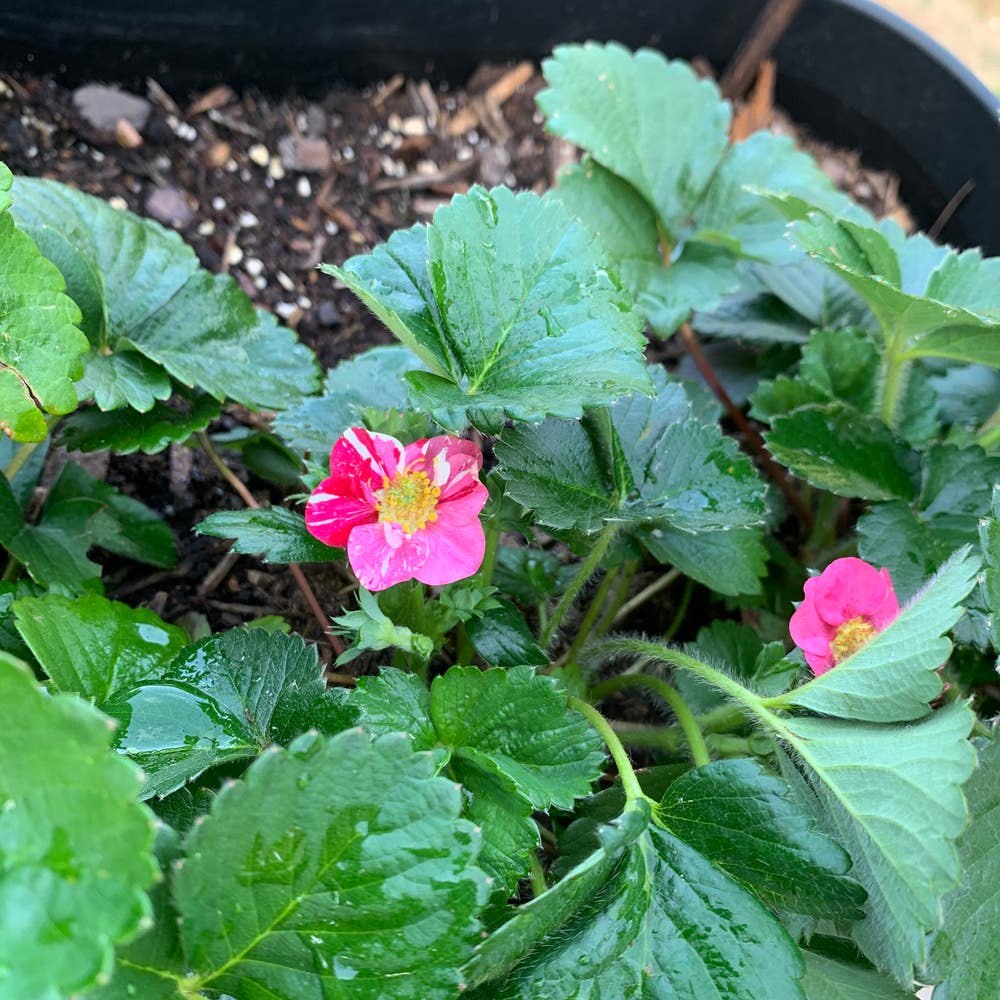
Introduction to Potentilla seidlitziana
Potentilla seidlitziana
By the Greg Editorial Team
Feb 27, 2025•10 min read
This article was created with the help of AI so we can cover more plants for you. May contain errors. See one? Report it here.
Elevate your garden effortlessly with Potentilla seidlitziana, a stunning, low-maintenance perennial that thrives in any landscape! 🌿
- 🌞 Potentilla seidlitziana needs 6+ hours of sunlight for optimal growth.
- 🌱 Well-drained sandy soil prevents root rot; essential for plant health.
- 🐝 Attracts pollinators and enhances garden beauty while being low-maintenance.
How to Grow
Choosing a Location 🌞
To thrive, Potentilla seidlitziana needs full sun exposure, requiring at least 6 hours of direct sunlight daily. Additionally, well-drained soil is crucial to prevent root rot, which can be detrimental to the plant's health.
Soil Preparation 🏜️
This plant prefers sandy or rocky soils, which provide the drainage it craves. To enhance soil quality, consider adding compost or sand, improving drainage and nutrient availability.
Planting Techniques 🌱
When planting, ensure the depth is between 1-2 inches to support healthy growth. Space the plants 12-18 inches apart to allow for optimal air circulation and growth.
Watering Requirements 🚰
Initially, regular watering is essential until the plant is established. Once settled, Potentilla seidlitziana exhibits impressive drought tolerance, requiring minimal water.
Fertilizing Schedule 🍽️
Light feeding in early spring will help kickstart growth. A balanced NPK fertilizer is recommended to provide the necessary nutrients for robust development.
Pruning Methods ✂️
Pruning should be done in late winter or early spring to prepare for new growth. Focus on removing dead or damaged stems, which encourages healthier, more vigorous growth.
Ongoing Care Tips 🌿
Using organic mulch can help retain moisture and suppress weeds, making maintenance easier. Regularly monitor your plants for pests and diseases to catch any issues early.
Outdoor vs. Container Growing 🏡
For container growing, ensure pots have drainage holes and use an appropriate potting mix to support healthy roots. Outdoor growing is ideal in garden beds that offer good sunlight and drainage, allowing the plant to flourish.
With these guidelines, you’re well on your way to cultivating a thriving Potentilla seidlitziana in your garden or containers! Next, let’s explore how to propagate this resilient plant.
Propagation
🌱 Seed Propagation
To propagate Potentilla seidlitziana from seeds, start by collecting seeds from mature flowers. Once you have your seeds, sow them about 1/4 inch deep in well-drained soil.
✂️ Cutting Propagation
Another effective method is cutting propagation. Select healthy stems that are 4-6 inches long and place them in a rooting medium made of peat and perlite for optimal growth.
🌿 Division Propagation
Division propagation is best done in early spring or fall. Carefully divide the clumps of the plant and replant them in suitable locations to encourage new growth.
This variety of propagation methods allows you to expand your garden with Potentilla seidlitziana easily. Whether you choose seeds, cuttings, or division, each method has its unique benefits and can lead to a thriving display of these beautiful plants.
Next, let’s explore the lifecycle of Potentilla seidlitziana and understand its growth stages.
Lifecycle
🌱 Lifecycle Stages
Potentilla seidlitziana is a perennial plant, meaning it can thrive for multiple years. Under optimal conditions, seeds germinate within 14 to 30 days, leading to rapid growth during spring and summer, with blooming typically occurring from late spring to early summer.
⏳ Growth Timeline and Speed
This plant takes about 2 to 3 years to reach its full size. Its growth rate is moderate, with noticeable increases in size each year, making it a rewarding addition to any garden.
As you nurture your Potentilla seidlitziana, you'll witness its transformation, adding beauty and resilience to your landscape. Next, let’s explore how to maximize its growth potential through proper care and maintenance.
Size
Mature Height and Spread 🌱
Potentilla seidlitziana typically reaches an average height of 12 to 24 inches. Its spread ranges from 18 to 24 inches, making it a compact yet impactful addition to any garden.
Growth Rate 📈
This plant exhibits a moderate growth rate, steadily increasing in size each year. With proper care, you can expect it to fill out beautifully over time.
Size Variability Based on Conditions 🌦️
The size of Potentilla seidlitziana can vary significantly based on environmental conditions. Factors like soil quality and sunlight exposure play crucial roles in determining how large and lush your plants will grow.
Understanding these size characteristics helps you plan your garden layout effectively. With the right conditions, this perennial can thrive and become a stunning focal point in your landscape.
Roots
🌱 Root System Characteristics
Potentilla seidlitziana features a fibrous root system that plays a crucial role in its growth and stability. This type of root system is typically shallow, allowing the plant to spread horizontally rather than delving deep into the soil.
📏 Depth and Spread of Roots
The roots of Potentilla seidlitziana can extend 12-18 inches from the base of the plant. This spread helps the plant efficiently absorb nutrients and water from the surrounding soil.
⚠️ Common Root-Related Issues
One of the most common problems faced by Potentilla seidlitziana is root rot, which is primarily caused by overwatering. Signs of root rot include wilting and yellowing leaves, indicating that the roots are struggling.
Healthy roots should be firm and white, while unhealthy roots will appear brown and mushy. Regular monitoring of root health can prevent these issues and ensure your plant thrives.
As you care for your Potentilla seidlitziana, keep an eye on the roots to maintain their health. This vigilance will help you enjoy a vibrant and flourishing plant for years to come.
Next, let’s explore the numerous benefits that Potentilla seidlitziana brings to your garden.
Benefits
Top 5 Benefits 🌟
Potentilla seidlitziana offers a range of advantages that make it a standout choice for gardeners. Here are the top five benefits:
Drought Tolerance: Once established, this plant requires minimal water, making it perfect for low-maintenance gardens. Its resilience helps conserve water resources.
Ornamental Value: The bright yellow flowers of Potentilla seidlitziana add a vibrant touch to any garden. They not only catch the eye but also create a cheerful atmosphere.
Erosion Control: This plant plays a crucial role in stabilizing soil, especially in rocky areas. Its root system helps prevent erosion, making it a practical choice for challenging landscapes.
Attracts Pollinators: By planting Potentilla seidlitziana, you contribute to local ecosystems. Its flowers attract bees and butterflies, supporting biodiversity in your garden.
Low Maintenance: Ideal for busy gardeners, this plant thrives with minimal care. Its hardy nature means you can enjoy a beautiful garden without constant attention.
Incorporating Potentilla seidlitziana into your landscape not only enhances its beauty but also promotes environmental health. With these benefits, it's clear why this plant deserves a spot in your garden.
Companion Plants
Best Companion Plants 🌿
When growing Potentilla seidlitziana, consider pairing it with drought-tolerant companions like sedums and lavender. These plants not only thrive in similar conditions but also enhance the overall aesthetic of your garden.
Plants to Avoid 🚫
It's best to steer clear of heavy feeders that require more water, such as ferns. These plants can compete for moisture and nutrients, potentially stressing your Potentilla.
Creating a Balanced Garden ⚖️
Choosing the right companions can create a harmonious garden environment. By selecting plants that share similar water and sunlight needs, you’ll foster a thriving ecosystem that benefits all your plants.
Benefits of Companion Planting 🌱
Companion planting can also help deter pests and improve soil health. The right combinations can lead to a more resilient garden, making your gardening experience even more rewarding.
Final Thoughts 💭
Incorporating the right companion plants with Potentilla seidlitziana not only boosts its growth but also elevates your garden's beauty. Keep experimenting with different combinations to discover what works best in your unique space.
Next, let’s explore the fascinating world of toxicity and safety regarding Potentilla seidlitziana for humans and pets.
Toxicity to Humans
Potentilla seidlitziana is not listed as toxic and is considered safe by major health organizations. This means you can enjoy its beauty without worrying about harmful effects.
However, there are potential minor issues to keep in mind. Consuming large quantities may lead to mild skin irritation or digestive discomfort.
It's always wise to exercise caution. If you experience any unusual symptoms after contact or consumption, seek medical advice promptly.
In summary, while Potentilla seidlitziana is generally safe, being informed helps ensure a positive experience with this lovely plant.
Next, let’s explore how this plant interacts with our furry friends, starting with its toxicity to dogs.
Toxicity to Dogs
Potentilla seidlitziana is not toxic to dogs, making it a safe choice for pet-friendly gardens. According to pet poison control centers, you can rest easy knowing your furry friends can roam around these plants without worry.
However, if a dog consumes too much of the plant, it may experience mild gastrointestinal upset. To prevent any issues, it's wise to keep the plant out of reach and monitor your dog's behavior around it.
In summary, Potentilla seidlitziana is a great addition to your garden, providing beauty without the risk of toxicity to your canine companions. Next, let’s explore how to keep your garden thriving by addressing common problems that may arise with this resilient plant.
Toxicity to Cats
Potentilla seidlitziana is considered safe for cats, according to pet poison control centers. This means you can enjoy this beautiful plant without worrying about your feline friends getting harmed.
However, if a cat consumes too much of the plant, it may experience mild gastrointestinal upset. It's always a good idea to monitor your cat's behavior and discourage excessive nibbling on any plants.
To keep your curious kitty safe, consider placing the plant out of reach or providing alternative safe plants for them to enjoy. This way, you can maintain a vibrant garden while ensuring your pet stays healthy and happy.
Problems
Common Problems 🌱
Growing Potentilla seidlitziana can be rewarding, but it's essential to be aware of common issues that may arise.
Incorrect Watering
Watering is crucial for plant health. Overwatering often leads to yellowing leaves, while underwatering can cause wilting.
Incorrect Light Conditions
Light conditions play a significant role in growth. Insufficient light can result in leggy plants that struggle to thrive.
Diseases
Fungal diseases can be a concern. Watch for signs of powdery mildew and rust, which can affect the overall health of your plants.
Leaf Issues
Leaf problems can manifest in various ways. Scorching from excessive sun exposure or yellowing due to nutrient deficiencies are common issues to monitor.
By staying vigilant and addressing these problems early, you can ensure your Potentilla seidlitziana remains healthy and vibrant. Next, let’s explore potential pest issues that could affect your plants.
Bugs
🐜 Potential Pest Issues
While Potentilla seidlitziana is generally pest-resistant, it can occasionally attract some unwelcome visitors. Keeping an eye out for spider mites, which leave fine webbing, and aphids, recognizable by their small green bodies, is essential for maintaining plant health.
🔍 Identification
Identifying these pests early can save your plants from significant damage. Look for the telltale signs: spider mites create a web-like structure, while aphids cluster on new growth and stems.
🧴 Treatment Options
If you spot these pests, don’t fret! Treatment options are straightforward. Neem oil and insecticidal soap are effective solutions that can help you manage these issues without harming your plant.
🚫 Prevention Tips
To minimize pest problems, ensure your plants are healthy and well-cared for. Healthy plants are less susceptible to infestations, so focus on proper watering and nutrition.
👀 Regular Monitoring
Regular checks can help you catch any pest issues early. Make it a habit to inspect your Potentilla seidlitziana for any signs of trouble, and you’ll keep your garden thriving.
With these tips, you can enjoy the beauty of Potentilla seidlitziana without worrying too much about bugs. Next, let’s explore what animals might be tempted to nibble on this resilient plant.
What Eats Potentilla seidlitziana
🦌 Common Animals
Potentilla seidlitziana can attract a variety of wildlife, including deer, rabbits, and squirrels. These animals may nibble on the foliage, which can lead to noticeable damage in your garden.
👀 Signs of Presence
Keep an eye out for tracks, droppings, and chewed leaves as indicators of these critters. If you notice these signs, it’s a good idea to take action to protect your plants.
🚫 Deterrent Methods
To keep these hungry visitors at bay, consider implementing a few deterrent methods. Fencing around your garden can be effective, as well as using repellents that are safe for plants.
Additionally, planting deterrent species nearby can help divert their attention. By taking these steps, you can enjoy your Potentilla seidlitziana without the worry of it becoming a snack for local wildlife.
As we move on, let’s explore the potential pest issues that may affect your plants.
⚠️ Safety First
This content is for general information and may contain errors, omissions, or outdated details. It is not medical, veterinary advice, or an endorsement of therapeutic claims.
Always consult a qualified healthcare professional before using any plant as food, medicine, or supplement.
Never eat any plant (or feed one to pets) without confirming its identity with at least two trusted sources.
If you suspect poisoning, call Poison Control (800) 222-1222, the Pet Poison Helpline (800) 213-6680, or your local emergency service immediately.
Spotted an error? Please report it here.
Unlock the beauty of your garden 🌼 with Potentilla seidlitziana by using Greg's tailored care reminders to keep your plants thriving effortlessly!