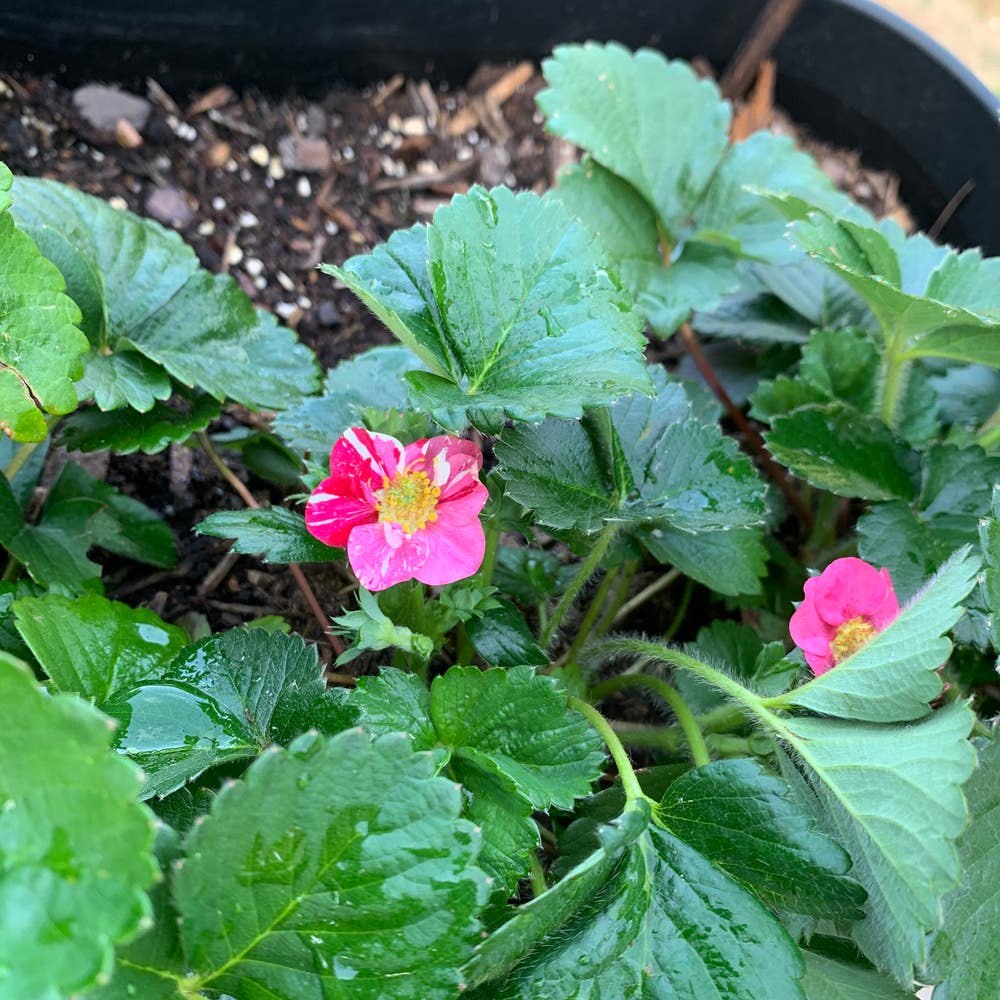
Introduction to Potentilla riparia
Potentilla riparia
By the Greg Editorial Team
Feb 27, 2025•11 min read
This article was created with the help of AI so we can cover more plants for you. May contain errors. See one? Report it here.
Elevate your garden with Potentilla riparia, a vibrant plant that enhances beauty and supports local ecosystems! 🌼🌱
- 🌞💧 Potentilla riparia thrives near water in sunny to partially shaded areas.
- 🌱 Optimal growth requires well-drained, moist soil enriched with organic matter.
- ✂️ Prune in late winter to encourage new growth and remove damaged stems.
How to Grow
Choosing a Location 🌞
Potentilla riparia thrives in sunny to partially shaded areas. It's crucial to plant it near water sources to help retain moisture, ensuring healthy growth.
Soil Preparation 🌱
This plant prefers well-drained, moist soil conditions. Incorporating organic matter will significantly improve soil fertility, giving your Potentilla the best start.
Planting Techniques 🌼
The ideal time to plant is in spring or fall. Space your plants 12-18 inches apart to allow for optimal growth and airflow.
Watering Requirements 💧
Regular watering is essential to maintain consistent moisture levels. Watch for signs of overwatering, like yellowing leaves, or underwatering, which causes wilting.
Fertilizing Guidelines 🌿
Light feeding in early spring is recommended to kickstart growth. A balanced NPK fertilizer will provide the necessary nutrients for robust development.
Pruning Methods ✂️
Prune in late winter or early spring, just before new growth begins. Focus on removing dead or damaged stems to promote fresh, healthy growth.
Ongoing Care 🪴
For container care, ensure adequate drainage and moisture levels. In outdoor settings, mulching helps retain soil moisture and suppress weeds, keeping your Potentilla healthy and vibrant.
With these guidelines, you’re well on your way to cultivating a thriving Potentilla riparia. Next, let’s explore how to propagate this resilient plant for even more beauty in your garden.
Propagation
🌱 Seed Propagation Steps
To propagate Potentilla riparia from seeds, start by collecting seeds from mature flowers. This ensures you have viable seeds ready for planting.
Next, plant the seeds at a sowing depth of 1/4 inch in well-draining soil. Under optimal conditions, expect germination within 14-30 days.
✂️ Vegetative Propagation Methods
Cuttings
For vegetative propagation, select healthy stems that are 4-6 inches long. This will give you the best chance for successful rooting.
Use a moist potting mix as your rooting medium to encourage growth. Typically, you can expect rooting to occur within 2-4 weeks.
Division
Another effective method is division, best performed in early spring or fall. This technique involves carefully separating clumps of the plant.
Once separated, simply replant the divisions in suitable locations. This not only propagates the plant but also helps maintain its health and vigor.
With these propagation methods, you can easily expand your Potentilla riparia collection, ensuring a vibrant garden filled with these beautiful plants. Next, let’s explore the lifecycle of Potentilla riparia and understand its growth stages.
Lifecycle
Lifecycle Stages 🌱
The lifecycle of Potentilla riparia begins with germination, which takes about 14 to 30 days from seed. Once germinated, the plant enters the seedling stage, where it develops its first leaves and establishes its foundation.
Following the seedling phase, Potentilla riparia experiences rapid vegetative growth. This stage is crucial as the plant focuses on establishing a robust root system.
In late spring to early summer, flowering occurs, showcasing bright yellow blooms. After this vibrant display, the plant shifts to seed production, maturing its seeds by late summer.
Lifespan and Growth Timeline ⏳
Under optimal conditions, Potentilla riparia has an overall lifespan of 3 to 5 years. It typically reaches maturity in about 2 years, making it a relatively quick-growing option for gardeners.
Growth Rate 📈
The growth rate of Potentilla riparia is moderate, with the plant achieving its full size within 2 to 3 years. This steady growth allows it to adapt well to its environment, making it a resilient choice for various landscapes.
As you consider adding Potentilla riparia to your garden, keep in mind its lifecycle and growth characteristics. Understanding these aspects will help you provide the best care and ensure a thriving plant. Next, let's explore the size of this beautiful perennial.
Size
Mature Height and Spread 🌱
Potentilla riparia typically reaches a height of 12 to 24 inches, making it a manageable addition to any garden. Its spread can range from 18 to 36 inches, allowing it to fill space effectively while still leaving room for other plants.
Growth Rate and Size Variability 📈
Several factors influence the size of Potentilla riparia. Soil quality, moisture levels, and sunlight exposure all play crucial roles in determining how robust and expansive your plants will become. Ensuring optimal conditions can lead to healthier, more vibrant growth.
Understanding these variables can help you tailor your gardening approach for the best results. By monitoring these aspects, you can enjoy a flourishing display of Potentilla riparia in your landscape.
As we explore the next section, we'll delve into the fascinating lifecycle of this resilient plant.
Roots
Root System Characteristics 🌱
Potentilla riparia features a fibrous root system that is essential for its growth. These shallow, spreading roots are designed for efficient moisture absorption, making them ideal for thriving in various soil conditions.
Common Root-Related Issues ⚠️
One of the most common problems with Potentilla riparia is root rot, which occurs due to overwatering. Symptoms include wilting and yellowing leaves, signaling that the roots are struggling.
Identifying healthy roots is crucial for plant care. Healthy roots are firm and white, while unhealthy roots appear brown and mushy, indicating decay.
Recognizing Rootbound Plants 🔗
If you notice roots growing out of the drainage holes of your pot, your plant may be rootbound. This condition can hinder growth and nutrient absorption.
To remedy rootbound plants, consider repotting them into a larger container or dividing the plant. Both methods will help restore health and vigor, allowing your Potentilla riparia to flourish.
With proper attention to its roots, you can ensure your plant remains vibrant and healthy, setting the stage for the next section on its many benefits.
Benefits
🌊 Erosion Control
Potentilla riparia plays a crucial role in stabilizing soil along riverbanks. Its robust root system helps prevent erosion, making it an excellent choice for areas prone to soil loss.
🌱 Ground Cover
This plant is effective in suppressing weeds, providing a natural ground cover. Its dense foliage creates a barrier that limits weed growth, allowing your garden to thrive.
🐝 Attracts Pollinators
The bright yellow flowers of Potentilla riparia are a magnet for pollinators. By planting this species, you support local ecosystems and contribute to the health of your garden.
🌼 Aesthetic Appeal
With its vibrant blooms, Potentilla riparia enhances the beauty of any garden. Its cheerful flowers add a splash of color, making it a delightful addition to your landscape.
🌵 Drought Tolerance
This plant is resilient in varying moisture conditions, showcasing its drought tolerance. It can thrive even in less-than-ideal watering situations, making it a low-maintenance choice for gardeners.
Incorporating Potentilla riparia into your garden not only beautifies your space but also provides numerous ecological benefits. Next, let’s explore the best companion plants to pair with this versatile species.
Companion Plants
🌱 Explanation of Companion Planting
Companion planting is a gardening strategy that enhances biodiversity and promotes healthier plants. By pairing compatible species, you can improve pest management and create a more resilient garden ecosystem.
🌼 List of Beneficial Companion Plants
When considering companions for Potentilla riparia, think about native grasses and other flowering perennials. These plants share similar care requirements and can help deter pests, creating a harmonious growing environment.
🚫 Plants to Avoid
It's wise to steer clear of heavy feeders when selecting companion plants. These plants can compete for nutrients, potentially stunting the growth of Potentilla riparia and diminishing its health.
By choosing the right companions, you can cultivate a thriving garden that not only looks beautiful but also supports local wildlife. This thoughtful approach to planting can lead to a more sustainable and enjoyable gardening experience.
Toxicity to Humans
Potentilla riparia is generally considered safe and is not listed as toxic by major poison control centers. However, if consumed in large quantities, it may cause mild skin irritation or digestive discomfort.
It's always wise to exercise caution when handling or consuming any plant. If you experience unusual symptoms after contact or ingestion, seeking medical advice is the best course of action.
Toxicity to Dogs
Potentilla riparia is not considered toxic by major pet poison control centers. This means your furry friends can safely roam around these plants without the risk of severe poisoning.
However, if dogs consume large quantities, they may experience mild gastrointestinal upset. It's always a good idea to keep an eye on your pet's behavior after they've been near the plant.
🐶 Proper Placement
To ensure your dog's safety, place Potentilla riparia out of reach of curious noses. This simple precaution can prevent any accidental munching.
👀 Monitoring Behavior
Always observe your dog's interactions with the plant. If you notice any unusual behavior, such as vomiting or lethargy, consult your veterinarian for advice.
By taking these steps, you can enjoy the beauty of Potentilla riparia while keeping your canine companions safe. Next, let’s explore how to manage common problems that may arise with this plant.
Toxicity to Cats
Potentilla riparia is not considered toxic by major pet poison control centers. This means your feline friends can safely roam around these plants without the risk of severe poisoning.
However, if a cat consumes large quantities, it may experience mild gastrointestinal upset. It's always a good idea to monitor your pet's behavior after exposure to any new plant.
🐱 Proper Placement
To ensure safety, place Potentilla riparia out of reach of curious cats. This simple precaution can prevent any accidental nibbling.
👀 Monitoring Behavior
Keep an eye on your cat for any unusual reactions after they’ve been near the plant. If you notice any signs of distress, consult your veterinarian for guidance.
With these tips, you can enjoy the beauty of Potentilla riparia while keeping your furry companions safe. Now, let’s explore the common problems that can arise when growing this plant.
Problems
🐛 Common Problems
Growing Potentilla riparia can be rewarding, but it's not without its challenges. Understanding common problems can help you maintain a healthy plant.
💧 Incorrect Watering
Watering is crucial for your plant's health. Overwatering often leads to yellowing leaves, while underwatering results in wilting.
💡 Incorrect Light Conditions
Light plays a significant role in growth. Insufficient light can cause leggy growth, making the plant weak and spindly.
🦠 Diseases
Fungal diseases can be a concern. Watch for powdery mildew and rust, which can hinder your plant's vitality.
🌱 Root Problems
Root health is essential for overall growth. Root rot can occur with excessive moisture, leading to squishy roots that signal trouble.
🍃 Leaf Issues
Leaf problems are often the first signs of distress. Scorching and yellowing leaves can indicate environmental stress or nutrient deficiencies.
By keeping an eye on these common issues, you can ensure your Potentilla riparia thrives. Next, let’s explore potential pest problems that could affect your plant's health.
Bugs
🐜 Potential Pest Issues
Potentilla riparia is generally resilient against pests, but it can still face some challenges. Understanding its susceptibility helps in proactive management.
🔍 Identification and Treatment of Specific Pests
Spider Mites
Spider mites are tiny pests that can wreak havoc on your plants. Look for signs like webbing and stippled leaves, which indicate their presence.
Scale Insects
Scale insects can be tricky to spot. You might notice sticky residue on leaves or even leaf drop, signaling an infestation.
Aphids
Aphids are notorious for curling leaves and leaving behind a sticky substance known as honeydew. Their rapid reproduction can quickly lead to larger problems.
💧 Treatment Options
For spider mites, consider using a strong stream of water to dislodge them or applying insecticidal soap. Scale insects can often be treated with horticultural oil to suffocate them.
Aphids can be managed with neem oil or insecticidal soap, both of which are effective and less harmful to beneficial insects. Always monitor your plants regularly to catch these pests early and keep your Potentilla riparia thriving.
With the right care and attention, you can protect your plants from these common pests and enjoy their beauty for years to come.
What Eats
🦌 Common Animal Threats
Potentilla riparia faces threats from a variety of animals that may find its foliage and flowers irresistible. Common culprits include deer, rabbits, squirrels, birds, rodents, and groundhogs.
👀 Signs of Their Presence
Identifying these animal visitors can be straightforward. Look for signs such as:
- Deer: Grazing marks on leaves and broken branches.
- Rabbits: Cleanly cut stems and missing lower leaves.
- Squirrels: Chewed bark and scattered debris.
- Birds: Peck marks on flowers and seeds.
- Rodents: Gnaw marks and burrows near the base of plants.
- Groundhogs: Large, round holes and flattened vegetation.
🚫 Methods for Deterring or Managing Them
Managing these animal threats can be a challenge, but several strategies can help protect your Potentilla riparia. Consider these methods:
Physical Barriers: Fencing can be effective, especially for larger animals like deer and groundhogs. Use chicken wire or garden netting to shield vulnerable plants.
Repellents: Commercial repellents or homemade solutions, such as garlic or hot pepper sprays, can deter many animals. Apply these regularly for the best results.
Companion Planting: Surrounding your Potentilla with strong-smelling herbs or flowers can confuse or repel pests.
Traps: For smaller animals like squirrels and rodents, traps can be a humane way to manage populations.
Regular Monitoring: Keep an eye on your garden for signs of animal activity. Early detection can help you take action before significant damage occurs.
By employing these strategies, you can enjoy the beauty of Potentilla riparia while minimizing the impact of hungry visitors. Next, let’s explore the common problems that can arise in your garden.
⚠️ Safety First
This content is for general information and may contain errors, omissions, or outdated details. It is not medical, veterinary advice, or an endorsement of therapeutic claims.
Always consult a qualified healthcare professional before using any plant as food, medicine, or supplement.
Never eat any plant (or feed one to pets) without confirming its identity with at least two trusted sources.
If you suspect poisoning, call Poison Control (800) 222-1222, the Pet Poison Helpline (800) 213-6680, or your local emergency service immediately.
Spotted an error? Please report it here.
Cultivate a thriving Potentilla riparia garden 🌱 with Greg's tailored watering reminders and care tips, ensuring your plants receive the perfect balance of moisture and nutrients for optimal growth!