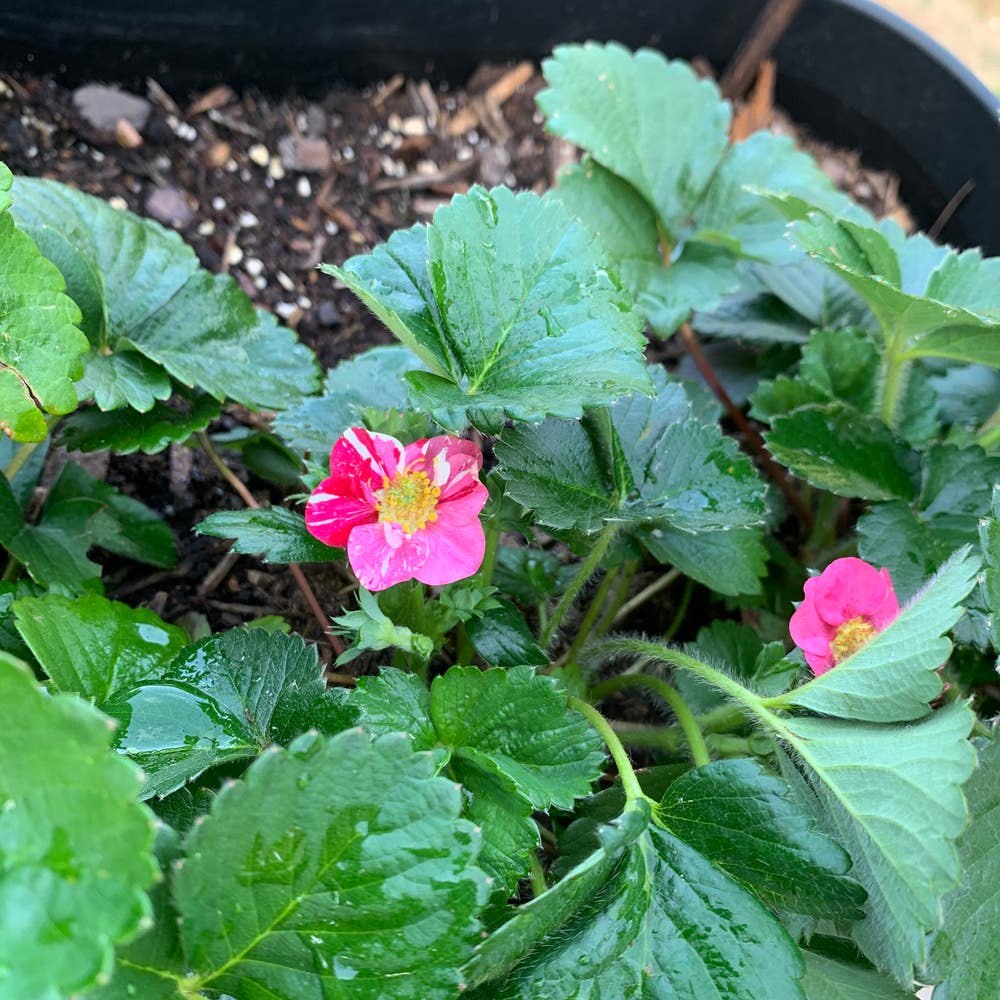
🔍 Introduction to Potentilla recta subsp. obscura
Potentilla recta subsp. obscura
By the Greg Editorial Team
Feb 27, 2025•12 min read
This article was created with the help of AI so we can cover more plants for you. May contain errors. See one? Report it here.
- 🌞 Potentilla recta subsp. obscura needs 6-8 hours of sunlight for optimal growth.
- 🌱 Well-drained, fertile soil with pH 6.0-7.0 is essential for planting success.
- 🐝 This plant attracts pollinators, enhancing biodiversity in your garden.
How to Grow
Choosing a Location 🌞
To thrive, Potentilla recta subsp. obscura needs full sun, ideally receiving 6-8 hours of sunlight daily. It prefers well-drained, fertile soil, making it essential to consider whether you're planting outdoors or in containers.
Soil Preparation 🏗️
Enhancing your soil with organic matter and compost will set a solid foundation for your plants. Aim for a soil pH between slightly acidic to neutral, ideally in the range of 6.0 to 7.0.
Planting Techniques 🌱
When planting, ensure you dig a hole that is 1-2 inches deep. For outdoor planting, space your plants 12-18 inches apart to allow for healthy growth.
Watering Requirements 💧
Initially, keep the soil consistently moist until your plants are established. After that, allow the soil to dry slightly between waterings to prevent overwatering.
Fertilizing Guidelines 🌿
Fertilize your Potentilla recta subsp. obscura once in early spring using a balanced fertilizer. You can choose between organic options or synthetic fertilizers based on your gardening preferences.
Pruning Methods ✂️
Prune your plants in late winter or early spring, just before new growth begins. Deadheading spent flowers will encourage more blooms and keep your garden looking vibrant.
Ongoing Care 🔍
Regularly monitor your plants for pests and diseases to catch any issues early. Adjust your watering and fertilization based on the growth conditions to ensure your plants remain healthy and robust.
With these guidelines, you’ll be well on your way to cultivating a flourishing Potentilla recta subsp. obscura. Next, let’s explore how to propagate this resilient plant for even more garden beauty!
Propagation
🌱 Seed Propagation
To propagate Potentilla recta subsp. obscura from seeds, sow them at a depth of about 1/4 inch. Under optimal conditions, you can expect germination within 14 to 30 days, so patience is key!
🌿 Division of Established Plants
Dividing established plants is best done in early spring or fall. This involves carefully separating the roots and replanting them, ensuring each division has enough root mass to thrive.
✂️ Cuttings Method
For propagation via cuttings, select healthy stems that are 4-6 inches long. Use a well-draining medium like soil or perlite to encourage rooting, and keep the environment moist for the best results.
This propagation guide will help you expand your garden with Potentilla recta subsp. obscura. Next, let's explore its lifecycle and growth stages!
Lifecycle
Lifecycle Stages 🌱
Potentilla recta subsp. obscura is a perennial plant, meaning it lives for multiple years. This characteristic allows it to thrive and adapt to various environments over time.
Germination Process 🌡️
For optimal germination, maintain a temperature between 65-75°F (18-24°C). Under these conditions, seeds typically germinate within 14 to 30 days.
Seedling Development 🌿
Once germinated, seedlings take about 4-6 weeks to develop true leaves. This stage is crucial as it sets the foundation for healthy growth.
Vegetative Growth Phase 🌳
Following seedling development, the vegetative growth phase lasts approximately 2-3 months. During this time, the plant focuses on building a robust structure before it begins to flower.
Flowering and Seed Production 🌼
Potentilla recta subsp. obscura blooms from late spring to early summer. This flowering period is not only beautiful but also essential for seed production, ensuring the plant's continuation.
Lifespan and Growth Rate ⏳
The lifespan of this plant ranges from 3 to 5 years, with full maturity reached in about 2 years. Its moderate growth rate means that while it may take some time to establish, the rewards are well worth the wait.
Understanding the lifecycle of Potentilla recta subsp. obscura helps gardeners provide the right care at each stage. This knowledge ensures a thriving plant that contributes beauty and biodiversity to any garden.
Next, we will explore the size of this remarkable plant, focusing on its mature height and spread.
Size
Mature Height and Spread 🌱
Potentilla recta subsp. obscura typically reaches a height of 12 to 24 inches. Its spread usually ranges from 12 to 18 inches, making it a versatile choice for various garden layouts.
Growth Rate and Size Variability 📈
The growth rate of this plant is moderate, allowing it to achieve full size in about two years. Several factors influence its size, including soil quality, sunlight exposure, and water availability, so consider these elements when planning your garden.
Understanding these growth characteristics can help you create a thriving environment for Potentilla recta subsp. obscura. With the right conditions, you'll enjoy its beauty and benefits in no time.
Roots
Characteristics of the Root System 🌱
Potentilla recta subsp. obscura features a fibrous root system that is essential for its stability and growth. Typically, these roots extend 12-18 inches deep, spreading extensively to help anchor the plant and improve soil structure.
Common Root-Related Issues ⚠️
One of the most common problems gardeners face is root rot, which occurs due to overwatering. Healthy roots are firm and white, while unhealthy roots appear mushy and brown.
Recognizing rootbound plants is crucial for their health. Signs include roots growing out of drainage holes or circling the pot. The solution is simple: repot the plant into a larger container to give it room to thrive.
Understanding these root characteristics and issues will help you maintain a healthy Potentilla recta subsp. obscura, ensuring it flourishes in your garden. Next, let’s explore the benefits this plant brings to your landscape.
Benefits
Top 5 Benefits 🌼
Potentilla recta subsp. obscura offers a range of benefits that make it a fantastic addition to any garden.
Attracts Pollinators: This plant is a magnet for bees and butterflies, enhancing garden biodiversity and supporting local ecosystems.
Drought-Tolerant: Its ability to thrive with minimal water makes it an excellent choice for sustainable gardening, helping to reduce overall water usage.
Low Maintenance: Perfect for beginner gardeners, this hardy perennial requires little care once established, allowing you to enjoy your garden without constant upkeep.
Provides Ground Cover: Its spreading nature helps prevent soil erosion, making it a practical choice for sloped areas or as a filler in garden beds.
Edible Flowers: The vibrant blooms are not just pretty; they can also be used to add a pop of color to dishes, making them both decorative and functional.
Symbolism and Cultural Significance 🌍
Beyond its practical benefits, Potentilla recta subsp. obscura carries historical significance. Traditionally, it has been used in various folk remedies, showcasing its role in herbal medicine.
This plant symbolizes resilience and adaptability, reflecting its ability to thrive in diverse conditions. Whether you're drawn to its beauty or its rich history, this perennial is sure to enrich your gardening experience.
As you consider adding this plant to your garden, remember its multifaceted benefits and the stories it carries. With the right care, it can flourish and bring joy for years to come.
Next, let’s explore how to propagate this resilient beauty, ensuring you can share its benefits with friends and family.
Companion Plants
🌱 Concept of Companion Planting
Companion planting is all about creating a harmonious garden ecosystem. By pairing plants that benefit each other, you can enhance garden diversity and improve pest management.
🌼 Best Companion Plants
When it comes to Potentilla recta subsp. obscura, consider planting it alongside lavender and salvia. These drought-tolerant plants share similar care needs and can help repel pests, making them ideal companions.
🚫 Plants to Avoid
On the flip side, steer clear of heavy feeders like tomatoes or cabbage. These plants can compete for nutrients, potentially stunting the growth of your Potentilla.
By thoughtfully selecting companion plants, you can create a thriving garden that supports both your Potentilla and its neighbors. This approach not only boosts plant health but also adds layers of beauty and resilience to your outdoor space.
Toxicity to Humans
Potentilla recta subsp. obscura is generally considered safe, as it is not listed as toxic by major poison control centers. However, it's important to be aware of potential minor issues, such as mild skin irritation or digestive discomfort if consumed in large quantities.
If you experience any unusual symptoms after contact or ingestion, it's wise to seek medical advice. Being informed can help you enjoy this plant without worry, allowing you to appreciate its beauty and benefits in your garden.
Toxicity to Dogs
When it comes to Potentilla recta subsp. obscura, good news for dog owners: this plant is not listed as toxic by major pet poison control centers. Your furry friends can roam around without the worry of serious health risks.
However, it's important to note that if dogs consume large quantities, they may experience mild gastrointestinal upset. Keep an eye on your pup, especially if they have a tendency to munch on plants.
🐶 Tips for Introducing to Homes with Dogs
To ensure a harmonious coexistence, consider these tips:
Proper Placement: Position the plant in areas that are less accessible to your dog. Elevated pots or hanging baskets can deter curious noses.
Monitoring Behavior: Observe your dog's interactions with the plant. If they show excessive interest, it might be wise to relocate it.
By taking these precautions, you can enjoy the beauty of Potentilla recta subsp. obscura while keeping your canine companions safe and sound.
As we move forward, let's explore how this plant interacts with our feline friends.
Toxicity to Cats
Potentilla recta subsp. obscura is not listed as toxic by major pet poison control centers. This means your feline friends can safely roam around these plants without the risk of serious harm.
However, if a cat consumes large quantities, it may experience mild gastrointestinal upset. It's always best to keep an eye on your pets and their interactions with any plants.
🐱 Tips for Introducing to Homes with Cats
When introducing Potentilla recta subsp. obscura to your home, consider proper placement. Position the plants in areas that are less accessible to your curious cats.
Monitoring your cat's behavior around the plants is also crucial. If you notice any unusual reactions, it’s wise to consult with a veterinarian for peace of mind.
With these precautions, you can enjoy the beauty of this plant while keeping your furry companions safe.
As we move forward, let's explore the common problems that can arise when growing Potentilla recta subsp. obscura.
Problems
Common Problems 🌱
Growing Potentilla recta subsp. obscura can be rewarding, but it's essential to recognize and address common issues that may arise.
Incorrect Watering
Watering can make or break your plant's health. Overwatering leads to soggy soil and root rot, while underwatering causes wilting and stress.
Incorrect Light Conditions
Light is crucial for growth. If your plant is leggy, it’s likely not getting enough light, while scorched leaves indicate too much direct sun exposure.
Diseases
Fungal diseases can plague your Potentilla. Watch for powdery mildew, which appears as a white coating, and rust, characterized by orange spots on leaves.
Root Problems
Healthy roots are vital for a thriving plant. Root rot manifests as mushy, brown roots, while healthy roots are firm and white.
Leaf Issues
Leaf health reflects overall plant vitality. Yellowing leaves often signal nutrient deficiencies, while fuzzy growth may indicate pest infestations.
By staying vigilant and addressing these common problems, you can ensure your Potentilla thrives in your garden. Next, let’s explore the potential pest issues that could affect your plant's health.
Bugs
🐜 Potential Pest Issues
When growing Potentilla recta subsp. obscura, it's essential to be aware of potential pest issues that can impact your plants. While this species exhibits some resistance to pests, it can still attract a few common culprits.
🐞 Common Pests
Spider Mites: These tiny pests thrive in dry conditions and can cause significant damage by sucking the sap from leaves. Look for fine webbing and stippled leaves as signs of their presence.
Aphids: These small, soft-bodied insects often cluster on new growth. They can stunt plant growth and transmit diseases, so keep an eye out for their telltale sticky residue, known as honeydew.
Whiteflies: Similar to aphids, whiteflies feed on plant sap and can lead to yellowing leaves. They also produce honeydew, attracting ants and fostering sooty mold.
🧪 Effective Treatment Options
To combat these pests, you have several effective treatment options at your disposal.
Organic Methods: Introduce beneficial insects like ladybugs or use insecticidal soap to manage infestations naturally. Neem oil is another great option, disrupting the life cycle of pests without harming beneficial insects.
Chemical Control: If the infestation is severe, consider using chemical pesticides. Always follow the manufacturer's instructions and apply them in the evening to minimize harm to pollinators.
🔍 Monitoring and Prevention
Regularly inspect your plants for signs of pests, especially during warm weather. Maintaining healthy plants through proper watering and fertilization can also enhance their resilience against pests.
By staying vigilant and employing these strategies, you can protect your Potentilla recta subsp. obscura and enjoy a thriving garden. Next, let’s explore what animals might be interested in munching on your plants.
What Eats
🦌 Common Animals
When it comes to Potentilla recta subsp. obscura, several common animals may find it quite appetizing. Deer, rabbits, and groundhogs are notorious for munching on this plant, which can lead to significant damage in your garden.
🔍 Signs of Animal Presence and Damage
Identifying animal activity is crucial for protecting your plants. Look for signs such as:
- Nibbling on leaves: Clean cuts or missing foliage indicate hungry visitors.
- Tracks or droppings: These can help you pinpoint which animal is causing the trouble.
- Damaged stems: Broken or chewed stems often signal a larger animal's presence.
🚫 Deterrent Methods for Managing Animal Interactions
To keep these critters at bay, consider implementing a few effective deterrent strategies:
- Fencing: A sturdy fence can be a great first line of defense against larger animals like deer.
- Repellents: Use commercial or homemade repellents that emit scents unpleasant to these animals.
- Companion planting: Surround your Potentilla with plants that deter pests, such as lavender or marigolds.
By being proactive and observant, you can enjoy the beauty of Potentilla recta subsp. obscura while minimizing the impact of hungry wildlife. Next, let’s explore the potential pest issues that can affect your plant's health.
⚠️ Safety First
This content is for general information and may contain errors, omissions, or outdated details. It is not medical, veterinary advice, or an endorsement of therapeutic claims.
Always consult a qualified healthcare professional before using any plant as food, medicine, or supplement.
Never eat any plant (or feed one to pets) without confirming its identity with at least two trusted sources.
If you suspect poisoning, call Poison Control (800) 222-1222, the Pet Poison Helpline (800) 213-6680, or your local emergency service immediately.
Spotted an error? Please report it here.
Cultivate a vibrant garden with Potentilla recta subsp. obscura by using Greg's tailored care reminders to ensure your plants thrive and attract pollinators! 🌼