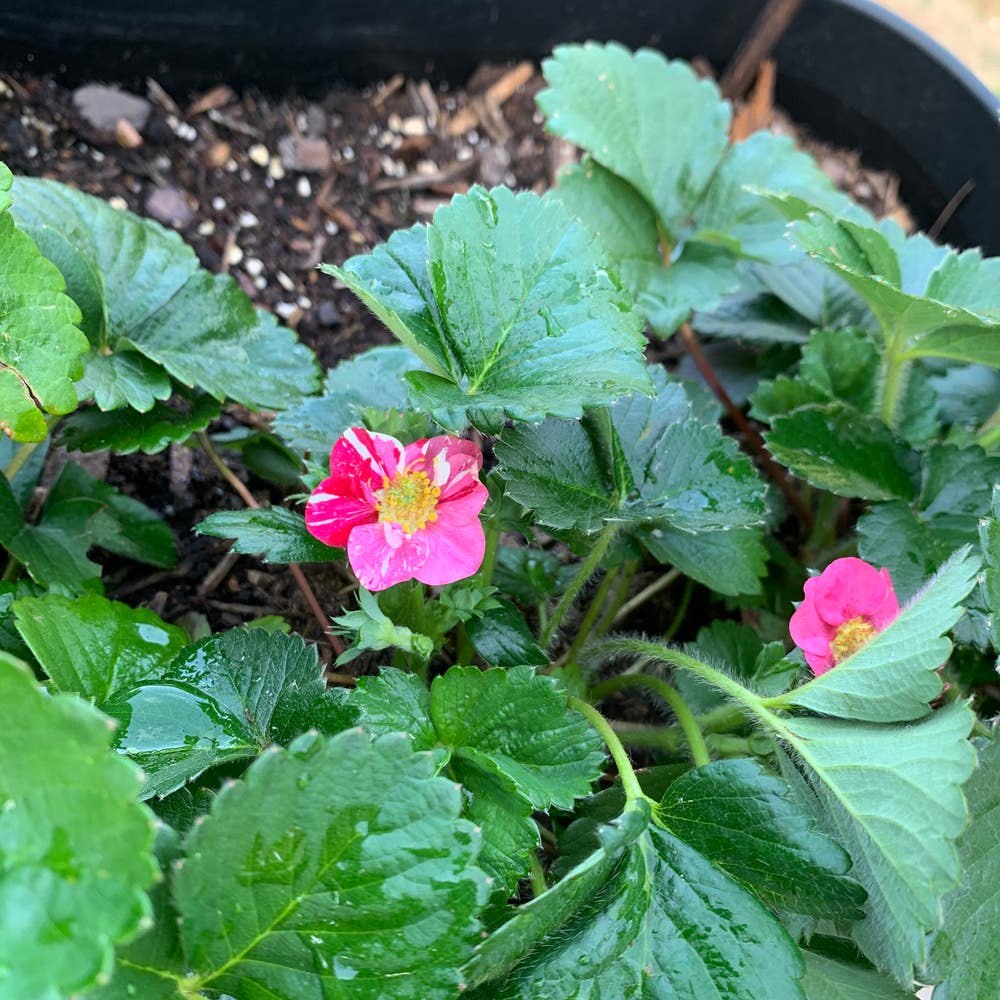
🌼 Overview of Potentilla queretarensis
Potentilla queretarensis
By the Greg Editorial Team
Feb 27, 2025•12 min read
This article was created with the help of AI so we can cover more plants for you. May contain errors. See one? Report it here.
Elevate your garden effortlessly with Potentilla queretarensis, a stunning, low-maintenance perennial! 🌱
- 🌞 Potentilla queretarensis thrives in full sun to partial shade, perfect for diverse gardens.
- 🌱 Well-drained sandy or loamy soil with pH 6.0-7.0 ensures optimal growth.
- 🐝 Drought-tolerant and pollinator-friendly, this plant requires minimal maintenance for vibrant blooms.
How to Grow
Choosing a Location 🌞
Potentilla queretarensis thrives in full sun to partial shade. When deciding between outdoor or container growing, consider the space and light availability to ensure optimal growth.
Soil Preparation 🏜️
This plant prefers well-drained sandy or loamy soil. Aim for a soil pH between 6.0 and 7.0, which is slightly acidic to neutral for the best results.
Planting Techniques 🌱
The ideal planting time is early spring or fall. Space your plants 12-18 inches apart to allow for healthy growth and airflow.
Watering Requirements 🚰
Initially, keep the soil consistently moist until the plants are established. Once settled, Potentilla queretarensis can tolerate dry conditions, making it a resilient choice for gardens.
Fertilizing Schedule 🍽️
Light feeding in early spring is recommended to kickstart growth. Use a balanced, slow-release fertilizer to provide essential nutrients throughout the growing season.
Pruning Methods ✂️
Prune in late winter or early spring before new growth begins. Deadheading spent flowers encourages blooming and keeps your plant looking tidy.
Ongoing Care Tips 🔍
Regularly monitor for pests and diseases to catch any issues early. Mulching helps retain moisture and suppress weeds, making maintenance easier.
Outdoor vs. Container Growing 🌳
For container growing, ensure adequate drainage and choose a pot size that allows for growth. Outdoors, Potentilla queretarensis is perfect for rock gardens and borders, adding vibrant color to your landscape.
This guide sets you up for success in growing Potentilla queretarensis. Next, let’s explore how to propagate this beautiful plant effectively.
Propagation
Seed Propagation 🌱
To propagate Potentilla queretarensis from seeds, start by harvesting seeds from mature flowers. Sow them at a depth of 1/4 inch in well-draining soil to ensure optimal germination.
Cutting Propagation ✂️
For cutting propagation, select healthy stems that are 4-6 inches long. Use a rooting medium made of equal parts peat and perlite to encourage strong root development.
Division Propagation 🌿
The best time for division propagation is early spring or fall. Carefully separate clumps of the plant and replant them to promote new growth and maintain healthy populations.
This propagation guide provides you with various methods to expand your Potentilla queretarensis collection. Whether you prefer seeds, cuttings, or division, each technique offers a unique way to enjoy this resilient perennial. Next, let’s explore the lifecycle of this fascinating plant.
Lifecycle
Lifecycle Stages 🌱
Potentilla queretarensis is a perennial plant, meaning it thrives for multiple years. This longevity allows it to establish a robust growth cycle that unfolds over time.
Germination Process 🌱
The germination process typically takes between 14 to 30 days under optimal conditions. Providing the right environment is crucial for successful seed sprouting.
Seedling Stage 🌱
Once germinated, the seedling stage lasts about 4 to 6 weeks before the young plants are ready for transplanting. During this time, they develop the foundational structures necessary for growth.
Vegetative Growth 🌿
The vegetative growth phase occurs from late spring to early summer. This is when the plant focuses on growing leaves and stems, setting the stage for future blooms.
Flowering Phase 🌸
Expect the flowering phase to begin in late spring and continue through early fall. The vibrant flowers not only enhance the garden's beauty but also attract pollinators.
Seed Production 🌾
After the flowering phase, seeds mature in late summer. This is a critical time for the plant, as it ensures the continuation of its lifecycle.
Growth Timeline ⏳
Full maturity is typically reached in approximately 2 to 3 years. Patience is key, as this timeline allows the plant to develop its full potential.
Understanding the lifecycle of Potentilla queretarensis helps gardeners appreciate its growth patterns and plan for optimal care. With this knowledge, you can ensure your plants thrive beautifully.
Next, let’s explore the size of this remarkable plant and what to expect as it matures.
Size
Mature Dimensions 🌱
Potentilla queretarensis typically reaches a height of 12 to 24 inches, making it a versatile choice for various garden settings. Its spread ranges from 18 to 24 inches, allowing it to fill spaces beautifully without overwhelming neighboring plants.
Growth Rate 📈
This perennial exhibits a moderate growth rate, which can vary based on environmental conditions. Factors such as sunlight, soil quality, and water availability play a significant role in how quickly it establishes and flourishes.
Size Variability 📏
Several elements influence the size of Potentilla queretarensis. Optimal soil conditions, adequate sunlight, and consistent watering can lead to more robust growth, while neglect in any of these areas may result in smaller plants.
As you consider adding this lovely perennial to your garden, keep in mind how these size factors can affect its placement and overall impact. Next, let’s explore the fascinating lifecycle of Potentilla queretarensis and how it evolves over time.
Roots
🌱 Root System Characteristics
Potentilla queretarensis features a fibrous root system that is essential for its growth. These roots are typically shallow but spread extensively, allowing the plant to efficiently absorb nutrients and water.
📈 Growth Patterns
The horizontal spread of the roots plays a crucial role in drought resistance. This adaptation helps the plant access moisture from a wider area, making it resilient in dry conditions.
⚠️ Common Issues
One of the most common problems faced by Potentilla queretarensis is root rot, which occurs due to overwatering. Signs of root rot include wilting and yellowing leaves, indicating that the roots are struggling.
Healthy roots should be firm, white, and spread evenly throughout the soil. In contrast, unhealthy roots appear dark, mushy, or may emit a foul smell, signaling that something is wrong.
Recognizing rootbound plants is also important for their health. Signs include stunted growth and roots growing out of drainage holes, which indicate that the plant needs more space to thrive.
Understanding these root characteristics and potential issues can significantly enhance your gardening experience with Potentilla queretarensis. Proper care and attention to the roots will lead to a vibrant and flourishing plant.
Benefits
Top 5 Benefits 🌟
Drought Tolerance
Potentilla queretarensis is a champion when it comes to drought resistance. Once established, it requires minimal water, making it perfect for low-maintenance gardens.Attracts Pollinators
The bright flowers of this plant are a magnet for bees and butterflies. By planting it, you contribute to the health of local ecosystems.Low Maintenance
Ideal for busy gardeners, this plant thrives with little intervention. Its resilience means you can enjoy a beautiful garden without constant upkeep.Ornamental Value
With its vibrant blooms, Potentilla queretarensis adds a splash of color to any garden. It enhances visual appeal, making your outdoor space more inviting.Soil Improvement
The fibrous roots of this plant help enhance soil structure. This not only benefits the plant itself but also improves the overall health of your garden soil.
Symbolism 🌼
Potentilla queretarensis symbolizes resilience and beauty, thriving even in harsh environments. This makes it a powerful addition to any garden, representing the strength of nature.
With these benefits in mind, you can see why Potentilla queretarensis is a fantastic choice for both novice and experienced gardeners. Its ease of care and ecological contributions make it a standout plant. Next, let’s explore how to propagate this versatile species effectively.
Companion Plants
🌱 Companion Planting
Companion planting is a fantastic way to enhance your garden's diversity and improve pest management. By strategically pairing plants, you can create a thriving ecosystem that benefits all your plants.
🌼 Best Companions
When it comes to Potentilla queretarensis, consider planting it alongside lavender, Salvia, and other drought-tolerant species. These companions share similar care requirements and can help repel pests, making your garden healthier and more vibrant.
🚫 Plants to Avoid
On the flip side, steer clear of heavy feeders or plants that need constant moisture. These can compete for resources and create an imbalance in your garden, potentially harming your Potentilla.
By choosing the right companions, you can cultivate a flourishing garden that not only looks beautiful but also thrives with minimal effort. Next, let’s explore the potential toxicity of Potentilla queretarensis to pets and humans.
Toxicity to Humans
Potentilla queretarensis is not listed as toxic by major poison control centers, making it a safe choice for gardens. However, it's always wise to exercise caution with any plant.
While the plant is generally harmless, consuming it in large quantities may lead to mild skin irritation or digestive discomfort. If you experience any unusual symptoms after contact, seeking medical advice is a prudent step.
Remember, even non-toxic plants can cause reactions in sensitive individuals. Always be mindful of how you interact with your garden companions.
Toxicity to Dogs
When it comes to Potentilla queretarensis, good news for dog owners: this plant is not listed as toxic by major pet poison control centers. Your furry friends can enjoy the garden without the worry of serious health risks.
However, it's important to note that if dogs consume large quantities, they may experience mild gastrointestinal upset. Keeping an eye on your pet's behavior around new plants is a smart move.
🌱 Tips for Safe Gardening
Proper Placement: Position Potentilla queretarensis in areas where your dog doesn’t typically roam. This reduces the chance of them nibbling on the leaves.
Monitoring Behavior: Watch for any unusual interest your dog shows in the plant. If they seem overly curious, consider using barriers to protect your garden.
By taking these simple precautions, you can enjoy the beauty of Potentilla queretarensis while ensuring your dog's safety. Now, let’s explore how this plant interacts with other pets, particularly cats.
Toxicity to Cats
Potentilla queretarensis is not listed as toxic by major pet poison control centers, making it a relatively safe choice for cat owners. However, if your feline friend decides to nibble on the leaves, it could lead to mild gastrointestinal upset if consumed in large quantities.
🐱 Monitoring Your Cat
To ensure your cat stays safe, consider the placement of your Potentilla plants. Keep them out of reach or in areas where your cat doesn’t typically roam.
👀 Observing Behavior
Always monitor your cat's behavior around new plants. If you notice any unusual symptoms, such as vomiting or lethargy, consult your veterinarian for guidance.
With a little care and attention, you can enjoy the beauty of Potentilla queretarensis while keeping your furry companions safe.
Problems
Common Problems 🌱
1. Incorrect Watering
Watering issues are among the most common problems for Potentilla queretarensis. Overwatering can lead to wilting, while underwatering results in crispy leaves.
To remedy this, adjust your watering frequency based on the soil's moisture level. Regularly check the soil to ensure it remains consistently moist but not soggy.
2. Incorrect Light Conditions
Light conditions significantly impact plant health. If your Potentilla is leggy or fails to flower, it may not be receiving enough sunlight.
Ensure your plant gets adequate sunlight exposure, ideally full sun to partial shade, to promote robust growth and vibrant blooms.
3. Diseases
Diseases like powdery mildew and rust can affect your plant's vitality. These issues often arise from poor air circulation or high humidity.
To combat these diseases, improve air circulation around your plants and consider applying fungicides if necessary. Keeping an eye on your plants can help catch these problems early.
4. Root Problems
Root issues, particularly root rot, can be detrimental to your Potentilla. Signs of root rot include mushy roots and overall plant decline.
Ensure you have well-draining soil and adjust your watering practices to prevent this issue. Healthy roots are crucial for a thriving plant.
5. Leaf Issues
Leaf problems can manifest as yellowing or scorching leaves. These symptoms often indicate incorrect watering or light conditions.
Assess your watering routine and light exposure to address these leaf issues. A little attention can go a long way in keeping your Potentilla healthy.
Conclusion 🌼
By being vigilant about these common problems, you can ensure your Potentilla queretarensis thrives. Next, let’s explore potential pest issues that might arise in your garden.
Bugs
🐛 Potential Pest Issues
While Potentilla queretarensis is generally pest-resistant, it can still encounter a few unwelcome visitors. Keeping an eye out for these pests will help maintain the health of your plants.
🔍 Identification of Pests
Common pests that may target your Potentilla include spider mites, aphids, and mealybugs. Identifying these pests early is crucial to preventing significant damage.
⚠️ Damage Caused by Pests
Symptoms of pest infestations often manifest as wilting, discoloration, or stunted growth. If you notice these signs, it’s time to investigate further.
🧪 Treatment Options
For effective pest control, consider organic methods such as neem oil, insecticidal soap, or introducing beneficial insects. These options can help manage pests without harming your garden's ecosystem.
By staying vigilant and employing these treatment strategies, you can ensure your Potentilla remains vibrant and healthy. Next, let’s explore what animals might be lurking around your garden and how to deter them.
What Eats
Common Animals 🦌
Potentilla queretarensis can attract a variety of hungry critters. The most common culprits include deer, rabbits, and squirrels, all of which may find your vibrant flowers and lush foliage irresistible.
Signs of Animal Presence 🐾
Keep an eye out for signs that these animals have paid a visit. Look for chewed leaves, tracks in the soil, or droppings around your plants, which can indicate their presence.
Types of Damage 🥴
The damage caused by these animals can be quite noticeable. They often browse on foliage and flowers, leading to unsightly nibbled edges and a less-than-healthy appearance for your plants.
Deterrent Methods 🚫
To protect your Potentilla queretarensis, consider using various deterrent methods.
- Chemical Options: Commercial repellents can be effective in keeping these animals at bay.
- Organic Solutions: Planting deterrent species or using physical barriers, like fencing, can also help safeguard your garden.
By implementing these strategies, you can enjoy the beauty of your plants without the worry of them becoming a snack for local wildlife.
⚠️ Safety First
This content is for general information and may contain errors, omissions, or outdated details. It is not medical, veterinary advice, or an endorsement of therapeutic claims.
Always consult a qualified healthcare professional before using any plant as food, medicine, or supplement.
Never eat any plant (or feed one to pets) without confirming its identity with at least two trusted sources.
If you suspect poisoning, call Poison Control (800) 222-1222, the Pet Poison Helpline (800) 213-6680, or your local emergency service immediately.
Spotted an error? Please report it here.
Transform your garden with Potentilla queretarensis 🌼 and let Greg guide you with tailored care tips and reminders to help your plants thrive effortlessly!