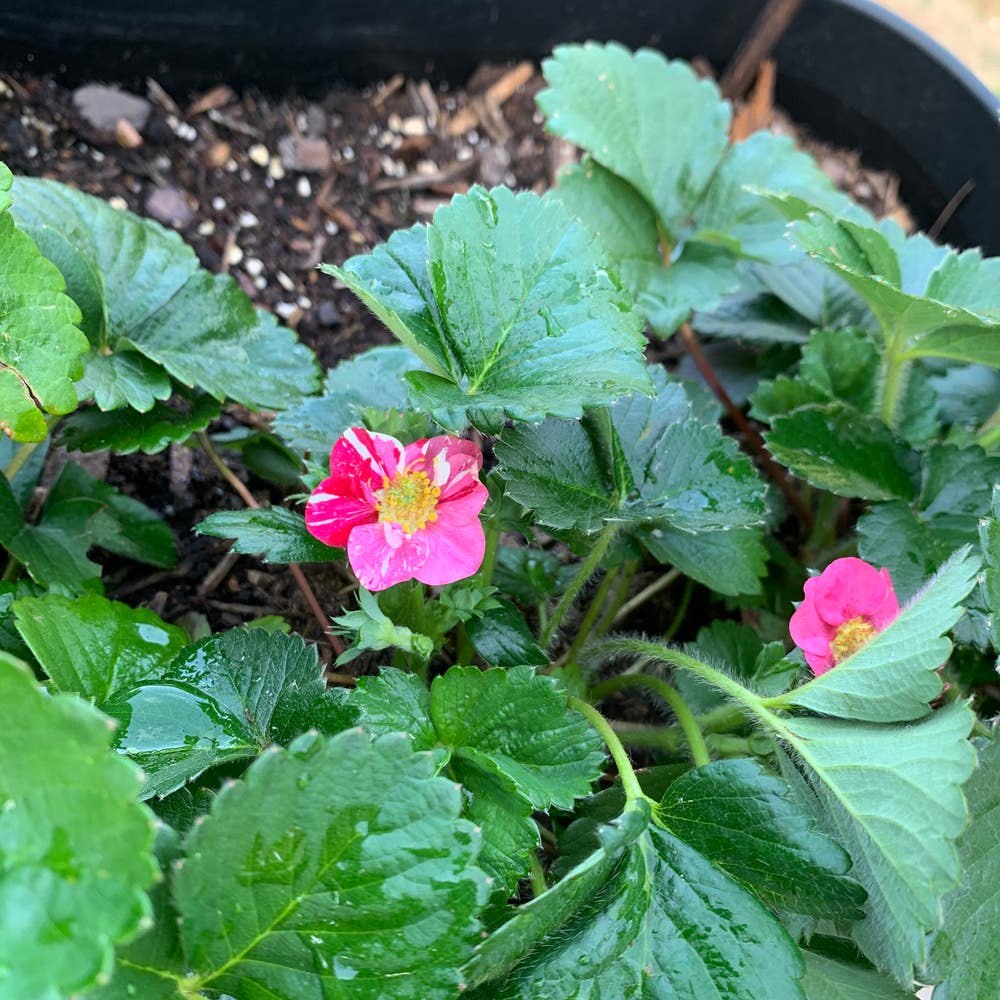
Introduction to Potentilla potaninii var. potaninii 🪴
Potentilla potaninii var. potaninii
By the Greg Editorial Team
Feb 27, 2025•11 min read
This article was created with the help of AI so we can cover more plants for you. May contain errors. See one? Report it here.
Elevate your garden effortlessly with Potentilla potaninii, a stunning, low-maintenance perennial! 🌱
- 🌞 Potentilla potaninii thrives in full sun; protect from strong winds and heavy rain.
- 🌱 Well-drained, rocky soils with pH 6.0-7.0 are ideal for growth.
- 🌼 Drought-resistant once established, but needs consistent moisture initially for healthy growth.
How to Grow
Choosing a Location 🌞
To thrive, Potentilla potaninii var. potaninii prefers full sun to partial shade. It's essential to protect these plants from strong winds and heavy rainfall, ensuring they have a stable environment for growth.
Soil Preparation 🏜️
This variety flourishes in well-drained, rocky or sandy soils. Aim for a pH level between 6.0 and 7.0, and enhance your soil by incorporating organic matter to improve drainage.
Planting Techniques 🌱
When planting, ensure the depth is between 1-2 inches. Space your plants 12-18 inches apart for optimal growth, and the best times to plant are early spring or fall.
Watering Requirements 🚰
Initially, keep the soil consistently moist until the plants are established. Once established, they are drought-resistant but will benefit from watering during prolonged dry spells.
Fertilizing Schedule 🍽️
Use a balanced NPK fertilizer for feeding. Fertilize once in early spring and again in mid-summer to support healthy growth.
Pruning Methods ✂️
Prune in late winter or early spring before new growth begins. Focus on removing dead or damaged stems to encourage robust, healthy growth.
Ongoing Care Tips 🌿
Applying a layer of mulch helps retain moisture and suppress weeds. Regularly monitor your plants for pests and diseases to maintain their health and vitality.
With these growing tips, you'll set your Potentilla potaninii up for success, ensuring a vibrant display in your garden. Next, let's explore how to propagate this resilient plant effectively.
Propagation
🌱 Seed Propagation
To propagate Potentilla potaninii var. potaninii from seeds, start by harvesting seeds from mature flowers. Under optimal conditions, expect germination within 2-4 weeks, making this a straightforward method for expanding your garden.
✂️ Cutting Propagation
Another effective propagation technique is through cuttings. Select healthy plants and take 4-6 inch cuttings, ensuring they are robust and disease-free.
Rooting Medium
For the cuttings, use a mix of peat and perlite to create an ideal rooting medium. This combination promotes drainage and aeration, crucial for root development.
Rooting Time
Place the cuttings in a humid environment, where they should root within 3-4 weeks. This method not only multiplies your plants but also allows you to maintain the characteristics of the parent plant.
With these propagation techniques, you can easily grow more Potentilla potaninii and enjoy its beauty in your garden. Next, let’s explore the lifecycle of this resilient perennial.
Lifecycle
🌱 Perennial Growth Cycle
Potentilla potaninii var. potaninii is a perennial, meaning it lives for multiple years and returns each growing season. This resilience allows it to thrive in various environments, making it a favorite among gardeners.
🌧️ Germination Process
For successful germination, the seeds require both light and moisture. Once these conditions are met, you can expect seedlings to emerge within 2-4 weeks.
🌿 Seedling Development
After germination, seedlings develop rapidly. This stage is crucial as they establish their roots and prepare for the vegetative growth phase.
☀️ Vegetative Growth
During spring and summer, the plant experiences rapid growth. This is when it showcases its lush foliage and prepares for the upcoming flowering stage.
🌸 Flowering and Seed Production
Typically, Potentilla blooms from late spring to early summer. After flowering, seeds develop, ensuring the continuation of the species.
⏳ Growth Timeline
It takes approximately 2-3 years for Potentilla to reach its full size. This moderate growth rate allows for steady development without overwhelming the gardener.
As you nurture this plant, you'll witness its lifecycle unfold beautifully, offering both aesthetic pleasure and ecological benefits. Next, let’s explore the size characteristics of Potentilla potaninii var. potaninii.
Size
Mature Height and Spread 🌱
Potentilla potaninii var. potaninii typically reaches an average height of 12 to 24 inches. Its spread usually ranges from 18 to 24 inches, making it a compact yet visually appealing addition to any garden.
Growth Rate 📈
This plant exhibits a moderate growth rate, which can vary based on environmental conditions. Factors like sunlight, soil quality, and water availability play crucial roles in how quickly it establishes and flourishes.
Size Variability 📏
Several factors influence the size of Potentilla potaninii. Soil quality, sunlight exposure, and water availability are key determinants that can lead to variations in growth, so consider these elements when planning your garden layout.
Understanding the size characteristics of Potentilla potaninii can help you make informed decisions about its placement in your garden. With the right conditions, this plant can thrive and bring vibrant color to your landscape.
Next, let’s explore the root system of this resilient plant and how it contributes to its overall health and stability.
Roots
Root System Characteristics 🌱
Potentilla potaninii var. potaninii features a fibrous root system. This type of root structure is typically shallow, allowing it to spread horizontally.
Depth and Spread 📏
The roots can extend up to 12-18 inches from the base of the plant. This spread helps the plant access nutrients and water efficiently.
Common Root-Related Issues ⚠️
One of the most common issues is root rot, which occurs due to overwatering. To prevent this, ensure your plant has good drainage.
Healthy roots are firm and white, while unhealthy roots appear dark and mushy. Recognizing the difference is crucial for maintaining plant health.
If you notice roots growing out of drainage holes, your plant may be rootbound. The solution is simple: repot or divide the plant to give it more space to grow.
Understanding these root characteristics and potential issues will help you nurture your Potentilla potaninii effectively. With the right care, you can enjoy its beauty for years to come.
Next, let’s explore the benefits of this resilient plant and why it deserves a spot in your garden.
Benefits
Top 5 Benefits 🌟
Drought Resistance
Potentilla potaninii var. potaninii is a champion when it comes to drought resistance. Once established, it requires minimal maintenance, making it a perfect choice for busy gardeners.Attractive Flowers
This plant boasts stunning bright yellow blooms that can elevate the aesthetics of any garden. Its vibrant flowers not only catch the eye but also create a cheerful atmosphere.Soil Improvement
Beyond beauty, Potentilla helps improve soil quality. Its roots stabilize the ground, preventing erosion, especially in rocky areas where other plants might struggle.Wildlife Attraction
The nectar-rich flowers are a magnet for pollinators like bees and butterflies. By planting Potentilla, you contribute to the local ecosystem and support these essential creatures.Cultural Significance
In various cultures, Potentilla has been valued for its medicinal properties. This adds a layer of historical and cultural richness to your gardening experience.
These benefits make Potentilla potaninii var. potaninii not just a pretty face in the garden but a valuable addition to your landscape. With its resilience and ecological contributions, it’s a plant that truly gives back.
Next, let’s explore how to propagate this remarkable plant to share its benefits with others.
Companion Plants
🌱 Companion Planting
Companion planting is a fantastic way to enhance your garden's diversity and health. By strategically placing plants together, you can improve pest management and create a thriving ecosystem.
🌼 Best Companions
When it comes to Potentilla potaninii var. potaninii, consider pairing it with sedums, alpine asters, and other drought-tolerant plants. These companions share similar care needs and contribute to a visually appealing garden.
🚫 Plants to Avoid
On the flip side, steer clear of heavy feeders or plants that require constant moisture, like ferns. These plants can compete for resources and may not thrive alongside your Potentilla.
By choosing the right companions, you can create a harmonious garden that not only looks great but also supports the health of all its inhabitants. Next, let's explore the fascinating world of toxicity and safety regarding Potentilla potaninii var. potaninii.
Toxicity to Humans
Safety Overview 🌱
Potentilla potaninii var. potaninii is not listed as toxic by major poison control centers. This means it's generally safe for handling and consumption in small amounts.
Potential Reactions ⚠️
While the plant is mostly harmless, consuming it in large quantities may lead to mild skin irritation or digestive discomfort. Always exercise caution with any plant and seek medical advice if you experience unusual symptoms.
Handling Tips 🧤
When working with Potentilla, it's wise to wear gloves to avoid any potential irritation. If you're unsure about your reaction, start with a small amount and monitor how your body responds.
Conclusion 📜
In summary, Potentilla potaninii var. potaninii is a safe addition to your garden. Just remember to enjoy it responsibly and keep an eye on how you feel after handling or consuming it.
Next, let’s explore how this resilient plant can thrive in your garden with the right care and attention.
Toxicity to Dogs
Safety Overview 🐶
Potentilla potaninii var. potaninii is not considered toxic according to major pet poison control centers. This means you can enjoy your garden without worrying too much about your furry friends.
Potential Upset 🤢
While generally safe, consuming large quantities may lead to mild gastrointestinal upset in dogs. It's always a good idea to keep these plants out of reach of curious canines.
Monitoring Behavior 👀
Keep an eye on your dog’s behavior around new plants. If you notice any unusual symptoms, don’t hesitate to consult a veterinarian for peace of mind.
Final Thoughts 🌼
In summary, Potentilla potaninii var. potaninii is a safe choice for dog owners. Just remember to monitor your pets and enjoy the beauty this plant brings to your garden!
As we move forward, let’s explore its effects on cats and how to ensure a safe environment for all your pets.
Toxicity to Cats
Safety Overview 🐱
Potentilla potaninii var. potaninii is not considered toxic according to major pet poison control centers. While generally safe, consuming large quantities may lead to mild gastrointestinal upset in cats.
Practical Tips 🛡️
To keep your feline friends safe, position these plants where they can't easily access them. It's also wise to monitor their behavior around new plants, ensuring they don't nibble too much.
When to Consult a Veterinarian 🩺
Although this plant is safe, it's always best to consult a veterinarian if you notice any unusual symptoms in your cat. Being proactive can help ensure their health and well-being.
This information should ease any concerns about having Potentilla in your garden while keeping your cats safe. Now, let’s explore some common problems that might arise when growing this resilient plant.
Problems
Common Problems 🌱
Growing Potentilla potaninii var. potaninii can come with its share of challenges. One of the most common issues is incorrect watering; overwatering often leads to yellowing leaves, while underwatering can cause wilting.
Another frequent problem arises from incorrect light conditions. If your plant isn't getting enough sunlight, it may exhibit leggy growth as it stretches toward the light.
Diseases can also affect your Potentilla. Fungal issues, such as powdery mildew, can be identified by the white spots that appear on leaves.
Lastly, leaf issues like scorching or yellowing can indicate environmental stress, signaling that your plant needs some attention.
Identifying Symptoms and Solutions 🔍
To keep your Potentilla thriving, it's crucial to adjust your watering practices based on soil moisture. Regularly check the soil; it should be moist but not soggy.
Ensure your plant receives adequate sunlight exposure. If you notice leggy growth, consider relocating it to a sunnier spot.
For fungal diseases, treat them promptly with appropriate fungicides. This proactive approach can save your plant from further damage and keep it healthy.
By staying vigilant and responsive to these common problems, you can enjoy a flourishing Potentilla in your garden. Next, let’s explore the potential pest issues that may arise.
Bugs
🐜 Potential Pest Issues
While Potentilla potaninii var. potaninii is generally pest-resistant, it can still fall victim to a few pesky intruders. Keeping an eye out for these pests can help maintain the health of your plants.
🔍 Identification of Pests
Identifying pests early is crucial for effective management. Here are some common culprits:
- Spider Mites: Look for fine webbing on leaves, which indicates their presence.
- Scale Insects: These pests leave behind sticky residue and small bumps on stems.
- Mealybugs: Recognizable by their cotton-like masses on leaves and stems.
⚠️ Damage and Treatment
Pest infestations can lead to noticeable damage, such as leaf discoloration and stunted growth.
To combat these issues, consider using insecticidal soap or neem oil, both of which are effective treatments. Regular monitoring and prompt action will help keep your Potentilla thriving.
By staying vigilant and addressing pest problems quickly, you can ensure your garden remains vibrant and healthy. Next, let’s explore what animals might be interested in munching on your Potentilla.
What Eats Potentilla
🦌 Common Animals
Potentilla potaninii var. potaninii can attract a variety of wildlife, which may pose a threat to its growth.
- Deer are notorious for munching on the leaves, leaving behind clear signs of their feasting.
- Rabbits also enjoy nibbling on the lower foliage, which can lead to uneven growth.
- Squirrels might dig around the base of the plant, disrupting its root system.
🚫 Damage and Deterrent Methods
The browsing habits of these animals can result in stunted growth and overall plant health decline.
To protect your Potentilla, consider these deterrent methods:
- Chemical repellents can be effective in keeping these critters at bay.
- Planting strong-smelling herbs nearby may also help, as many animals dislike the scent.
By implementing these strategies, you can help ensure your Potentilla thrives despite the local wildlife.
Next, let’s explore the common problems that can affect this resilient plant.
⚠️ Safety First
This content is for general information and may contain errors, omissions, or outdated details. It is not medical, veterinary advice, or an endorsement of therapeutic claims.
Always consult a qualified healthcare professional before using any plant as food, medicine, or supplement.
Never eat any plant (or feed one to pets) without confirming its identity with at least two trusted sources.
If you suspect poisoning, call Poison Control (800) 222-1222, the Pet Poison Helpline (800) 213-6680, or your local emergency service immediately.
Spotted an error? Please report it here.
Unlock the beauty of Potentilla potaninii 🌼 in your garden with Greg's tailored care tips and reminders, ensuring your plants thrive with minimal effort!