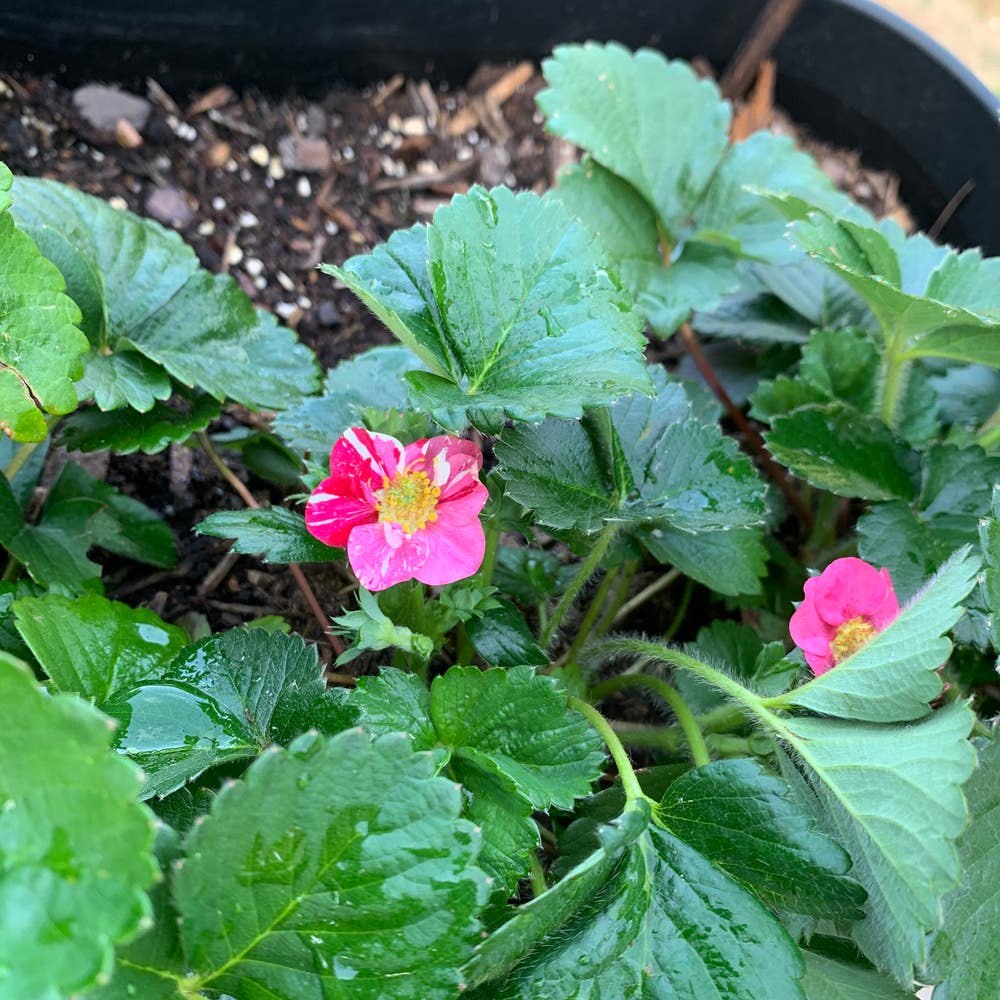
Overview of Potentilla potaninii
Potentilla potaninii
By the Greg Editorial Team
Feb 27, 2025•10 min read
This article was created with the help of AI so we can cover more plants for you. May contain errors. See one? Report it here.
Cultivate vibrant Potentilla potaninii blooms 🌼 effortlessly and transform your garden into a stunning oasis!
- 🌞 Potentilla potaninii needs 6-8 hours of sunlight for optimal growth.
- 🌱 Well-drained soil with pH 6.0-7.0 is ideal for this plant.
- 🐝 Attracts pollinators while providing erosion control with its dense growth habit.
How to Grow
Choosing a Location 🌞
To thrive, Potentilla potaninii needs full sun exposure, ideally receiving 6-8 hours of sunlight daily. When selecting a spot, steer clear of areas with excessive shade or waterlogging to ensure healthy growth.
Soil Preparation 🌱
This plant prefers well-drained sandy or loamy soil. Aim for a soil pH between 6.0 and 7.0, and consider incorporating organic matter to enhance drainage and fertility.
Planting Techniques 🌿
When planting, dig a hole 1-2 inches deep and space your plants 12-18 inches apart to promote optimal air circulation. The best times for planting are in spring or early fall, allowing the roots to establish before extreme weather sets in.
Watering Requirements 💧
Initially, keep the soil consistently moist until the plants are established. Afterward, water deeply but infrequently, allowing the soil to dry out between waterings to prevent root rot.
Fertilizing Schedule 🌼
Feed your Potentilla potaninii lightly in early spring with a balanced fertilizer. Slow-release or organic options are recommended to support steady growth throughout the season.
Pruning Methods ✂️
Prune your plants in late winter or early spring, just before new growth begins. Focus on removing dead or damaged stems and shaping the plant to encourage a fuller appearance.
Ongoing Care Tips 🛡️
Apply a layer of mulch around your plants to help retain moisture and suppress weeds. Regularly monitor for signs of pests or diseases to catch any issues early and keep your plants healthy.
With these guidelines, you'll set your Potentilla potaninii up for success, ensuring vibrant blooms and robust growth. Next, let's explore how to propagate this resilient perennial!
Propagation
🌱 Seed Propagation
Seed propagation is a straightforward way to expand your Potentilla potaninii collection. Start by collecting seeds from mature plants after they have flowered.
Next, stratify the seeds. This involves placing them in a moist medium and refrigerating them for 4-6 weeks to mimic winter conditions.
Once stratification is complete, sow the seeds in well-draining soil, covering them lightly. Under optimal conditions, expect germination within 2-4 weeks.
✂️ Cutting Propagation
Cutting propagation is another effective method to grow Potentilla potaninii. In early summer, select healthy stems that are 4-6 inches long.
Remove the lower leaves and dip the cut ends in rooting hormone to encourage root development.
Plant the cuttings in a mixture of peat and perlite, ensuring the medium remains moist. You can expect rooting to occur in about 3-4 weeks, especially in a warm, humid environment.
This method not only allows you to propagate your plants but also ensures you maintain the unique characteristics of the parent plant.
With these propagation techniques, you can easily multiply your Potentilla potaninii and enjoy its beauty in various spots around your garden.
Next, let’s explore the lifecycle of this fascinating perennial plant.
Lifecycle
Lifecycle Stages 🌱
Potentilla potaninii is a resilient perennial that undergoes a fascinating lifecycle, transitioning from seed to maturity. This journey typically spans about 2-3 years, culminating in full size and vibrant flowering.
Growth Rate 📈
The growth rate of Potentilla potaninii is moderate, meaning it won't rush to impress but will steadily establish itself. With optimal conditions—think good sunlight and proper care—this plant can flourish more quickly, rewarding your patience with lush growth and beautiful blooms.
Understanding its lifecycle helps you appreciate the time and care needed to nurture this lovely plant. As you embark on this gardening adventure, remember that every stage is a step toward creating a stunning display in your garden.
Next, let’s explore the mature dimensions of Potentilla potaninii and what to expect as it grows.
Size
Mature Dimensions 🌱
Potentilla potaninii reaches a mature height of 12 to 24 inches, making it a versatile choice for various garden settings. Its spread typically ranges from 18 to 24 inches, allowing it to fill space without overwhelming neighboring plants.
Growth Rate and Size Variability 📈
This perennial exhibits a moderate growth rate, which can fluctuate based on soil quality and sunlight exposure. Factors like environmental conditions and care practices also play a significant role in determining its ultimate size, so keep an eye on those elements for the best results.
As you plan your garden, consider how the size of Potentilla potaninii can complement your landscape. Its manageable dimensions make it an excellent option for borders or mixed plantings, enhancing both beauty and biodiversity.
In the next section, we’ll explore the fascinating root system of Potentilla potaninii and its implications for plant health and growth.
Roots
Root System Characteristics 🌱
Potentilla potaninii features a fibrous root system that is typically shallow but spreads widely. This structure allows the plant to efficiently absorb moisture and nutrients from the upper layers of the soil.
Common Root-Related Issues ⚠️
One of the most common issues with Potentilla potaninii is root rot, which occurs due to overwatering. Symptoms include wilting and yellowing leaves, signaling that the roots are struggling.
Healthy roots should be firm, white, and evenly spread throughout the soil. In contrast, unhealthy roots may appear dark, mushy, or emit a foul smell, indicating a serious problem that needs addressing.
Understanding these root characteristics and potential issues is crucial for maintaining the health of your Potentilla potaninii. With proper care, you can ensure that your plant thrives and contributes to your garden's beauty.
As we move forward, let’s explore the numerous benefits this resilient plant brings to your garden.
Benefits
Aesthetic Appeal 🌼
Potentilla potaninii boasts bright yellow flowers that not only beautify your garden but also attract a variety of pollinators. This vibrant display can elevate the overall look of your landscape, making it a favorite among gardeners.
Erosion Control 🌱
With its dense growth habit, this plant is excellent for erosion control. Its fibrous roots help stabilize soil, making it a practical choice for sloped areas or gardens prone to runoff.
Enhancing Biodiversity 🐝
By attracting bees and butterflies, Potentilla potaninii plays a vital role in enhancing garden biodiversity. This not only supports local ecosystems but also contributes to the health of your garden.
Cultural Significance 📜
Historically, Potentilla potaninii has held cultural significance in traditional medicine and ornamental practices. Its uses in various cultures highlight its value beyond mere aesthetics.
Medicinal Properties 💊
This plant is recognized for its anti-inflammatory and astringent properties. While it’s essential to consult with a healthcare professional before using any plant medicinally, Potentilla potaninii has a rich history of therapeutic applications.
These benefits make Potentilla potaninii a versatile addition to any garden, offering both beauty and functionality. As we explore further, we'll delve into companion plants that can enhance its growth and overall garden health.
Companion Plants
Best Companions 🌼
When selecting companion plants for Potentilla potaninii, consider drought-tolerant perennials like lavender and Salvia. These plants not only share similar care requirements but also enhance the overall health of your garden.
Benefits of Companion Planting 🌱
Companion planting offers several advantages. For instance, these plants can help repel pests, reducing the need for chemical treatments. Additionally, they create a visually appealing landscape, with vibrant colors and textures complementing the bright yellow flowers of Potentilla potaninii.
Creating a Thriving Garden 🌿
By grouping Potentilla potaninii with compatible companions, you foster a thriving ecosystem. This approach encourages beneficial insects while minimizing competition for resources.
Final Thoughts 💭
Choosing the right companions can elevate your gardening experience. Embrace the synergy of these plants to create a flourishing, low-maintenance garden that delights the senses.
Next, let’s explore the potential toxicity of Potentilla potaninii to humans, dogs, and cats.
Toxicity to Humans
Potentilla potaninii is generally considered safe and is not listed as toxic by major poison control centers. However, it's important to note that minor issues can arise from excessive contact or ingestion, such as mild skin irritation or digestive discomfort.
⚠️ Exercise Caution
Always exercise caution with any plant, including Potentilla potaninii. If you experience unusual symptoms after contact or consumption, seeking medical advice is a wise choice. Staying informed helps ensure a safe and enjoyable gardening experience.
Toxicity to Dogs
Potentilla potaninii is generally safe for dogs, as it is not listed as toxic by major pet poison control centers. However, if your furry friend decides to munch on a large quantity, you might notice some minor gastrointestinal upset.
🐶 Keeping Your Pup Safe
To keep your dog safe, it's wise to place the plant in an area that's not easily accessible. Regularly monitor your dog's behavior around the plant to prevent any unwanted snacking.
With a little care, you can enjoy the beauty of Potentilla potaninii without worrying about your pet's health. Now, let's explore how this plant interacts with our feline friends.
Toxicity to Cats
Potentilla potaninii is considered safe for cats, as it is not listed as toxic by major pet poison control centers. This means you can enjoy its beauty without worrying about your feline friends getting harmed.
However, it's worth noting that if large quantities are consumed, mild gastrointestinal upset may occur. To keep your curious cats safe, ensure proper placement of the plant and monitor their behavior around it.
By taking these simple precautions, you can create a harmonious environment where both your plants and pets thrive.
Problems
Common Problems 🌱
Growing Potentilla potaninii can be rewarding, but it's not without its challenges. Understanding these common problems can help you maintain a healthy plant.
Incorrect Watering 🚰
Watering is crucial for your plant's health. Overwatering can lead to root rot, while underwatering may cause wilting and stress.
Incorrect Light Conditions 💡
Light conditions play a significant role in growth. Insufficient sunlight can result in leggy growth, making your plant look weak and unappealing.
Diseases 🦠
Fungal diseases can be a concern for Potentilla potaninii. Watch out for issues like powdery mildew and rust, which can affect the overall vitality of your plant.
Leaf Issues 🍃
Environmental stress can manifest in leaf problems. Yellowing or scorching leaves are signs that your plant may be struggling with its surroundings.
By keeping an eye on these potential issues, you can ensure that your Potentilla potaninii thrives in your garden. Next, let’s explore the pests that might disrupt your plant’s growth.
Bugs
🐜 Potential Pest Issues
While Potentilla potaninii is generally pest-resistant, it can occasionally attract unwelcome guests like spider mites and aphids. These pests can disrupt your plant's health, so it's essential to keep an eye out for their telltale signs.
🔍 Identifying Spider Mites and Aphids
Spider mites are sneaky little critters that leave fine webbing on the leaves. If you notice this webbing, it's a clear indicator that these pests have taken up residence.
Aphids, on the other hand, are more straightforward to spot. They leave a sticky residue on the leaves, often accompanied by a noticeable presence of the tiny insects themselves.
🚫 Prevention and Control
To keep your Potentilla potaninii thriving, regularly inspect your plants for these pests. If you spot spider mites or aphids, consider using insecticidal soap or neem oil as a natural remedy.
Maintaining healthy plants through proper care will also help deter these pests. Strong, well-cared-for plants are less likely to fall victim to infestations.
✅ Conclusion
By staying vigilant and addressing any pest issues promptly, you can ensure your Potentilla potaninii remains healthy and vibrant. Next, let’s explore what animals might be interested in munching on your beautiful plant.
What Eats Potentilla potaninii
🦌 Common Animals
Potentilla potaninii can attract a variety of hungry critters. Deer, rabbits, and squirrels are known to nibble on its foliage, potentially causing significant damage.
👀 Signs of Presence
Keep an eye out for signs of these animals in your garden. Look for tracks, droppings, and damaged leaves, which can indicate that your plants are being feasted upon.
🚫 Deterrent Methods
To protect your precious Potentilla, consider using deterrent methods. Chemical repellents can be effective, but physical barriers like fencing can provide a more permanent solution to keep these pests at bay.
By being proactive, you can enjoy the beauty of Potentilla potaninii without the worry of unwanted visitors. Now, let’s explore how to ensure your plants thrive despite these challenges.
⚠️ Safety First
This content is for general information and may contain errors, omissions, or outdated details. It is not medical, veterinary advice, or an endorsement of therapeutic claims.
Always consult a qualified healthcare professional before using any plant as food, medicine, or supplement.
Never eat any plant (or feed one to pets) without confirming its identity with at least two trusted sources.
If you suspect poisoning, call Poison Control (800) 222-1222, the Pet Poison Helpline (800) 213-6680, or your local emergency service immediately.
Spotted an error? Please report it here.
Unlock the vibrancy of your garden with Potentilla potaninii 🌼 by using Greg's tailored care reminders to ensure your plants flourish and attract pollinators effortlessly!