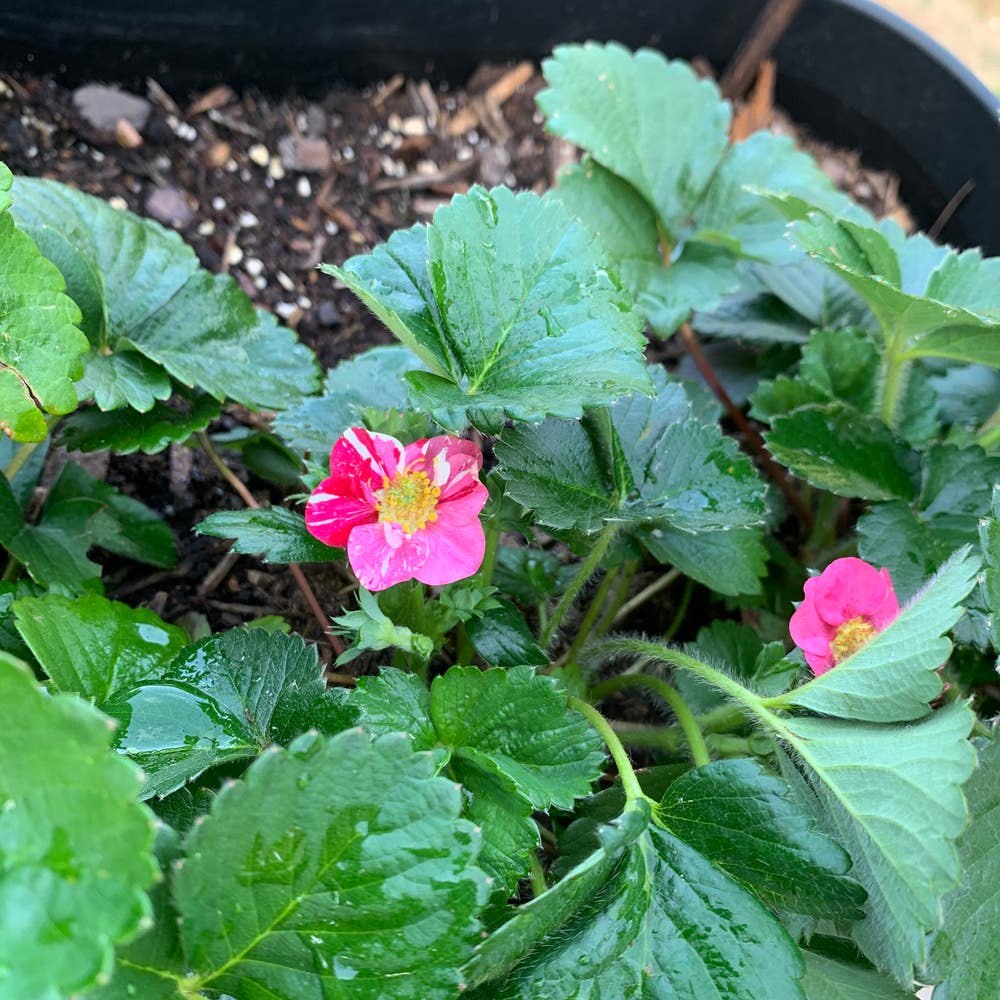
🌼 Understanding Potentilla nurensis: The Basics
Potentilla nurensis
By the Greg Editorial Team
Feb 27, 2025•11 min read
This article was created with the help of AI so we can cover more plants for you. May contain errors. See one? Report it here.
Elevate your garden with resilient Potentilla nurensis, thriving effortlessly while adding vibrant color! 🌼
- 🌞 Potentilla nurensis needs 6-8 hours of sunlight daily for optimal growth.
- 🌱 Well-drained, sandy soil prevents root rot; ideal pH is 6.0 to 7.5.
- 🐝 Attracts pollinators and is drought-resistant, perfect for low-maintenance gardens!
How to Grow
🌞 Choosing a Location
To thrive, Potentilla nurensis needs full sun, ideally receiving 6 to 8 hours of sunlight daily. Additionally, ensure the soil is well-drained to prevent root rot, which can be detrimental to the plant's health.
🌱 Soil Preparation
The ideal soil pH for Potentilla nurensis ranges from 6.0 to 7.5. Sandy or rocky soils are preferred, as they enhance drought tolerance and promote healthy growth.
🌿 Planting Techniques
When planting, space your Potentilla nurensis plants 12 to 18 inches apart to allow for optimal growth. Plant them at a depth of 1 to 2 inches to ensure they establish well.
💧 Watering Requirements
Initially, water your plants regularly until they are established, then reduce the frequency. Always water at the base to avoid wetting the foliage, which can lead to fungal issues.
🌼 Fertilizing
Use a balanced NPK fertilizer to provide essential nutrients. Apply it in early spring and again in mid-summer for the best results.
✂️ Pruning
Prune your Potentilla nurensis in late winter or early spring, just before new growth begins. Focus on removing dead or damaged stems to encourage fresh growth.
🛡️ Ongoing Care
Regularly monitor your plants for pests and diseases to catch any issues early. In winter, consider mulching around the base for added protection against harsh conditions.
With these tips, you'll be well on your way to cultivating a vibrant and resilient Potentilla nurensis garden. Next, let’s explore how to propagate this hardy perennial for even more gardening success!
Propagation
🌱 Seed Propagation
To propagate Potentilla nurensis from seeds, sow them in the spring and keep the soil consistently moist. Under optimal conditions, expect germination to take between 14 to 30 days.
🌿 Division of Established Plants
Dividing established plants is best done in early spring or fall. Carefully separate the clumps and replant them to encourage new growth.
✂️ Cuttings
Taking cuttings is another effective propagation method. Select healthy stems that are 4-6 inches long and place them in a moist potting mix until roots develop.
With these propagation techniques, you can easily expand your Potentilla nurensis collection and enjoy its vibrant blooms in various areas of your garden. Next, let’s explore the lifecycle of this resilient perennial.
Lifecycle
Stages of Growth 🌱
Potentilla nurensis is a perennial plant, meaning it lives for several years and returns each growing season. Its lifecycle includes distinct stages: seed, seedling, vegetative growth, flowering, and seed production.
Lifespan and Growth Rate ⏳
This resilient plant typically has a lifespan of 3 to 5 years. It grows at a moderate pace, reaching maturity in just 1 to 2 years, making it a rewarding addition to any garden.
Understanding Each Stage 📚
- Seed Stage: The journey begins with seeds that require proper conditions to germinate.
- Seedling Stage: Once sprouted, seedlings need care to establish strong roots.
- Vegetative Growth: During this phase, the plant focuses on leaf and stem development, preparing for future blooms.
- Flowering: Potentilla nurensis showcases its vibrant yellow flowers, attracting pollinators.
- Seed Production: After flowering, the plant produces seeds, ensuring its legacy continues.
This lifecycle not only highlights the plant's resilience but also its role in supporting local ecosystems. Understanding these stages helps gardeners provide the right care at each point in the plant's development.
Transition to Next Section 🔄
With a solid grasp of Potentilla nurensis's lifecycle, let's explore its size and growth characteristics to better understand how to accommodate this beautiful plant in your garden.
Size
Mature Dimensions 🌱
Potentilla nurensis typically reaches a height of 6 to 12 inches, making it a compact choice for various garden settings. Its spread ranges from 12 to 24 inches, allowing it to fill spaces without overwhelming neighboring plants.
Growth Rate and Variability 📈
This perennial exhibits a moderate growth rate, which can be influenced by factors like soil quality and sunlight exposure. In drought conditions, growth may be stunted, while rich, well-drained soil can promote larger, healthier plants.
Understanding these size characteristics helps you plan your garden layout effectively. With the right conditions, Potentilla nurensis can thrive, adding vibrant color and resilience to your landscape.
Next, let’s explore the root system of this fascinating plant and how it contributes to its overall health and stability.
Roots
🌱 Root System Characteristics
Potentilla nurensis features a fibrous root system that is essential for its stability and nutrient uptake. Typically, the roots are shallow, extending only 6-12 inches deep, but they can spread out to 24 inches wide.
⚠️ Common Issues
One of the most common problems with Potentilla nurensis is root rot, which occurs due to overwatering. Symptoms include wilting leaves and a mushy root structure, signaling that the plant is struggling.
Another issue is becoming rootbound, where the roots grow in circles within the pot or garden bed. Signs of this condition include stunted growth and roots visibly growing out of drainage holes.
🛠️ Tips for Managing Root Health
To prevent root rot, ensure that your Potentilla nurensis has well-drained soil and avoid overwatering. Regularly check the moisture level to maintain a healthy balance.
Recognizing rootbound plants is crucial for their health. If you see roots growing out of the drainage holes, it may be time to repot or divide the plant to encourage better growth.
By keeping an eye on these root health indicators, you can help your Potentilla nurensis thrive and flourish in your garden.
Next, let’s explore the benefits of this resilient plant and how it can enhance your garden's ecosystem.
Benefits
🌍 Ecological Benefits
Potentilla nurensis is a fantastic addition to any garden, primarily because it attracts pollinators like bees and butterflies. These creatures play a crucial role in our ecosystem, helping to pollinate not just this plant but many others as well.
🌼 Aesthetic Appeal
The bright yellow flowers of Potentilla nurensis add a vibrant splash of color to your landscape. Their cheerful blooms can brighten up any garden space, making them a favorite among gardeners looking to enhance visual appeal.
💧 Drought Resistance
Once established, this plant is remarkably drought-resistant. It thrives with minimal care, making it an excellent choice for low-maintenance gardens or areas with limited water supply.
🌱 Cultural Significance
Potentilla nurensis embodies resilience and adaptability, traits that resonate deeply in various cultures. Its ability to flourish in tough conditions makes it a symbol of strength and perseverance.
🌿 Traditional Uses
Historically, Potentilla nurensis has been utilized for various medicinal purposes. While modern applications may vary, its traditional uses highlight the plant's versatility and importance in herbal practices.
Incorporating Potentilla nurensis into your garden not only enhances its beauty but also contributes positively to the environment. With its low maintenance needs and rich cultural history, this plant is a true gem for any gardener.
Companion Plants
Benefits of Companion Planting 🌱
Companion planting is a fantastic way to enhance your garden's diversity while managing pests naturally. By pairing Potentilla nurensis with the right companions, you can create a thriving ecosystem that supports plant health and reduces the need for chemical interventions.
Recommended Companions 🌼
When selecting companion plants, look for those with similar care needs. Drought-tolerant species like sedums and thyme work well alongside Potentilla nurensis, as they thrive in similar conditions.
Additionally, consider planting marigolds. These vibrant flowers not only add color but also deter pests, making them an excellent choice for your garden.
Plants to Avoid 🚫
While many plants can complement Potentilla nurensis, some should be avoided. Heavy feeders, such as certain vegetables, compete for nutrients and can hinder the growth of your Potentilla.
By carefully choosing companion plants, you can create a harmonious garden that flourishes together. This thoughtful approach not only boosts plant health but also enhances the overall beauty of your outdoor space.
With the right companions in place, your Potentilla nurensis will thrive, leading to a vibrant and resilient garden. Next, let’s explore the fascinating topic of toxicity and safety regarding Potentilla nurensis for pets and humans.
Toxicity to Humans
When it comes to Potentilla nurensis, you can breathe easy. This plant is not listed as toxic by major poison control centers, making it a safe choice for gardens and landscapes.
However, it's worth noting that consuming large quantities may lead to mild skin irritation or digestive discomfort. If you experience any unusual symptoms after contact, it's wise to seek medical advice just to be safe.
In summary, while Potentilla nurensis is generally harmless, a little caution goes a long way in ensuring a pleasant gardening experience. Now that you know about its safety profile, let’s explore how it interacts with our furry friends!
Toxicity to Dogs
When it comes to Potentilla nurensis, dog owners can breathe easy. This plant is not listed as toxic by major pet poison control centers, making it a safe choice for gardens shared with furry friends.
However, it's worth noting that if your dog consumes large quantities, they might experience mild gastrointestinal upset. To keep your pup safe, consider the plant's placement in your garden and monitor their behavior around it.
🐶 Tips for Safe Gardening with Dogs
Placement: Position Potentilla nurensis in areas that are less accessible to your dog. This reduces the chance of them munching on the leaves.
Monitoring: Keep an eye on your dog's interactions with the garden. If they show interest in the plant, gently redirect them to more appropriate chew toys.
By taking these simple precautions, you can enjoy the beauty of Potentilla nurensis without worrying about your dog's health. Next, let’s explore how this plant interacts with our feline friends.
Toxicity to Cats
When it comes to Potentilla nurensis, cat owners can breathe a sigh of relief. This plant is not listed as toxic by major pet poison control centers, making it a safe choice for homes with feline friends.
However, moderation is key. While it's generally safe, consuming large quantities may lead to mild gastrointestinal upset in cats.
🐱 Tips for Safety
To ensure your cat stays healthy, consider these simple tips:
- Proper Placement: Keep Potentilla nurensis out of reach of curious cats.
- Monitoring Behavior: Observe your cat's interactions with the plant. If they show unusual interest, it might be best to relocate it.
By following these guidelines, you can enjoy the beauty of Potentilla nurensis without worrying about your cat's health.
As we move forward, let's explore the potential problems that can arise when growing this resilient plant.
Problems
Common Issues 🌱
Growing Potentilla nurensis can be rewarding, but it's essential to watch for common problems. Incorrect watering is a major concern; overwatering can lead to root rot, while underwatering results in wilting.
Another issue arises from incorrect light conditions. If your plant doesn't receive enough sunlight, it may grow leggy and weak, compromising its overall health.
Symptoms and Solutions 🩺
If you notice yellowing leaves and mushy roots, your plant is likely overwatered. To remedy this, simply reduce your watering frequency and ensure proper drainage.
On the flip side, underwatered plants will exhibit wilting and dry leaves. In this case, increase your watering frequency to help revive your Potentilla nurensis.
By staying vigilant and adjusting your care routine, you can keep your plant thriving and vibrant.
Bugs
🐜 Common Pests
When it comes to Potentilla nurensis, keeping an eye out for pests is essential. Two of the most common culprits are spider mites and aphids.
- Spider mites: These tiny pests create fine webbing on leaves, which can lead to yellowing and overall plant decline.
- Aphids: Small green insects often found on new growth, aphids can stunt the plant's growth if left unchecked.
🔍 Identification and Treatment
Identifying these pests early can save your Potentilla from serious damage.
- Spider mites: Look for webbing and stippled leaves. If you spot them, treat your plant with insecticidal soap to eliminate the infestation.
- Aphids: Signs include curled leaves and a sticky residue on the plant. Again, insecticidal soap works wonders for controlling these pests.
Regular monitoring and prompt action can keep your Potentilla nurensis thriving and pest-free. With a little diligence, you can enjoy the beauty of these resilient plants without the worry of unwanted guests.
What Eats Potentilla nurensis
🦌 Common Animals
Potentilla nurensis, while resilient, can attract a few hungry visitors.
Deer are notorious for munching on these plants, leaving behind chewed leaves and broken stems as evidence of their feast.
Rabbits also enjoy a snack, often resulting in clipped stems and missing foliage.
🚫 Deterrent Methods
To protect your Potentilla nurensis from these nibblers, consider using deterrent methods.
Chemical repellents can be effective, creating an unpleasant taste or smell that keeps animals at bay.
For a more natural approach, try planting deterrent species like garlic or using physical barriers such as fencing to safeguard your plants.
By implementing these strategies, you can enjoy the beauty of Potentilla nurensis without the worry of it becoming a buffet for local wildlife.
Next, let’s explore the potential problems that can arise when caring for this hardy perennial.
⚠️ Safety First
This content is for general information and may contain errors, omissions, or outdated details. It is not medical, veterinary advice, or an endorsement of therapeutic claims.
Always consult a qualified healthcare professional before using any plant as food, medicine, or supplement.
Never eat any plant (or feed one to pets) without confirming its identity with at least two trusted sources.
If you suspect poisoning, call Poison Control (800) 222-1222, the Pet Poison Helpline (800) 213-6680, or your local emergency service immediately.
Spotted an error? Please report it here.
Grow your Potentilla nurensis effortlessly 🌼 with Greg's custom care tips and watering reminders, ensuring your garden thrives while attracting pollinators!