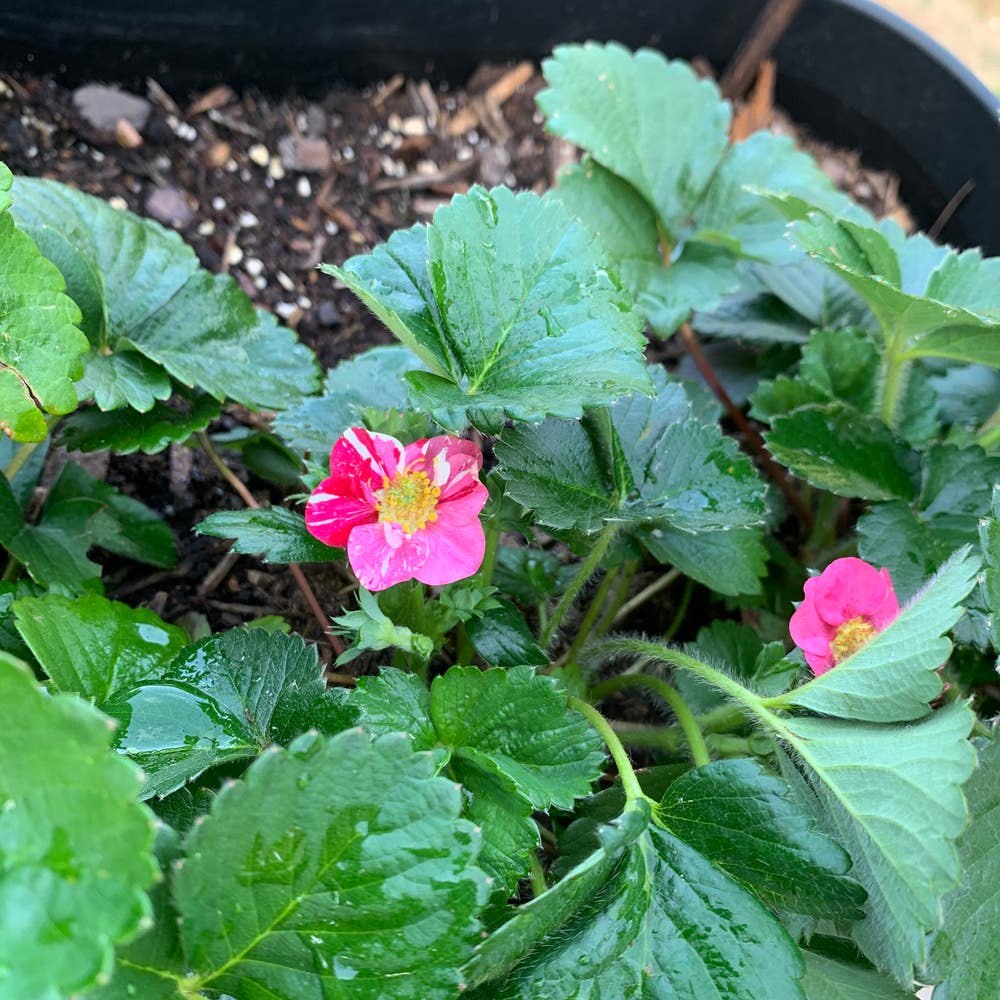
Overview of Potentilla niponica 🌸
Potentilla niponica
By the Greg Editorial Team
Feb 27, 2025•11 min read
This article was created with the help of AI so we can cover more plants for you. May contain errors. See one? Report it here.
Elevate your garden's charm effortlessly with Potentilla niponica's stunning blooms and low-maintenance care! 🌼
- 🌞 Potentilla niponica thrives in full sun to partial shade with well-drained soil.
- 🌱 Regular watering and balanced fertilization are key for optimal growth and health.
- 🐾 Generally safe for pets, but large amounts may cause mild gastrointestinal upset.
How to Grow
🌞 Choosing a Location
Potentilla niponica thrives in full sun to partial shade. For the best results, select a temperate climate with well-drained soil.
🌱 Soil Preparation
This plant prefers well-drained, fertile loam. Aim for a pH level between 6.0 and 7.5 to create optimal growing conditions.
🌿 Planting Techniques
When planting, dig a hole that is 1-2 inches deep. Space the plants 12-18 inches apart to allow for healthy growth.
💧 Watering Requirements
Regular watering is essential to maintain consistent moisture, especially during dry spells. Be cautious to avoid waterlogging, which can lead to root rot.
🌼 Fertilizing Schedule
Apply a balanced fertilizer in early spring and again in mid-summer. Organic options like compost or well-rotted manure can also provide excellent nourishment.
✂️ Pruning Methods
Prune your Potentilla niponica in late winter or early spring, just before new growth begins. Focus on removing dead or damaged stems and shaping the plant as needed.
🌍 Ongoing Care for Outdoor and Container Growth
For container growth, ensure pots have drainage holes and keep an eye on moisture levels. In outdoor settings, apply mulch to retain moisture and suppress weeds.
With these guidelines, you’ll be well on your way to cultivating a thriving Potentilla niponica. Next, let’s explore how to propagate this beautiful plant effectively.
Propagation
🌱 Seed Propagation Steps
To propagate Potentilla niponica from seeds, start by collecting them in late summer after the flowering period. Next, sow the seeds in a seed tray filled with well-draining soil and keep the soil moist until germination occurs, which typically takes 2-4 weeks.
✂️ Division of Established Plants
Dividing established plants is another effective propagation method. In early spring or fall, dig up the plant and carefully divide the root ball into sections, ensuring each section has at least one growing point. Replant these sections immediately in prepared soil for best results.
🌿 Cuttings Method
Taking cuttings is a quick way to expand your garden. In late spring, cut 4-6 inch sections from healthy stems, dip the cut ends in rooting hormone, and plant them in a moist, well-draining medium. Cover the cuttings with plastic to maintain humidity until they establish roots.
This propagation knowledge opens up exciting possibilities for expanding your Potentilla niponica collection. Whether you choose seeds, divisions, or cuttings, each method offers a rewarding experience that enhances your gardening journey. Next, let’s explore the lifecycle of this beautiful plant and understand its growth stages.
Lifecycle
Lifecycle Stages 🌱
The lifecycle of Potentilla niponica unfolds in distinct stages. It begins with germination, which takes about 7-14 days under optimal conditions.
Next comes the seedling stage, lasting 2-4 weeks until the plant develops true leaves. Following this, the vegetative growth phase kicks in, characterized by rapid growth that can last several months.
Flowering typically starts in late spring and continues into early summer, leading to seed production, which occurs after flowering, usually in late summer.
Duration Until Maturity ⏳
Potentilla niponica generally reaches maturity within 1-2 years. This relatively quick maturation allows gardeners to enjoy its beauty sooner than many other perennials.
Growth Rate and Lifespan 📈
The growth rate of this plant is moderate, averaging 12-24 inches per year. In optimal conditions, it can live for 3-5 years, providing a reliable and attractive addition to your garden.
Understanding these lifecycle stages helps you provide the right care at each phase, ensuring your Potentilla niponica thrives. Now, let’s explore how to propagate this resilient plant for even more garden beauty.
Size
Mature Height and Spread 🌱
Potentilla niponica typically reaches a mature height of 12 to 24 inches. Its spread can range from 18 to 24 inches, making it a lovely addition to any garden space.
Growth Rate and Size Variability 📈
This plant has a moderate growth rate, which can be influenced by factors like soil quality and sunlight exposure. Depending on these conditions, you may notice variability in size, with some plants thriving while others may lag behind.
Impact of Growing Conditions on Size 🌍
To achieve optimal growth, ensure your Potentilla niponica is planted in well-drained soil and receives full sun. Conversely, poor soil quality or inadequate light can stunt growth, resulting in smaller, less vibrant plants.
In summary, the size of Potentilla niponica is closely tied to its growing conditions. By providing the right environment, you can enjoy a flourishing plant that enhances your garden's beauty. Next, let’s explore the fascinating root system of this resilient species.
Roots
Characteristics of the Root System 🌱
Potentilla niponica features a fibrous root system that is typically shallow, spreading horizontally. This structure allows the plant to efficiently absorb nutrients and water from the top layers of soil.
Common Root-Related Issues 🚫
One common issue is root rot, which occurs due to overwatering. To prevent this, ensure proper drainage in the soil and avoid waterlogging.
Another problem is rootbound conditions, especially in container growth. This happens when the roots fill the pot, restricting their growth and nutrient uptake.
Visual Cues for Healthy vs. Unhealthy Roots 👀
Healthy roots are firm, white, and spread throughout the soil, indicating a thriving plant. In contrast, unhealthy roots may appear dark, mushy, or emit a foul smell, signaling potential problems.
Recognizing and Addressing Rootbound Conditions 🔄
Signs of rootbound conditions include roots growing out of drainage holes or circling the pot's interior. If you notice these signs, the solution is to repot the plant into a larger container or divide it to promote healthier growth.
By keeping an eye on the root system, you can ensure your Potentilla niponica remains vibrant and healthy. Next, let’s explore the benefits this plant brings to your garden.
Benefits
Ornamental Appeal 🌼
Potentilla niponica boasts stunning yellow flowers that can brighten any garden. Their vibrant hue adds a cheerful touch, making them a favorite among gardeners looking to enhance their outdoor aesthetics.
Attracts Beneficial Pollinators 🐝
These flowers are not just pretty; they also serve a purpose. By providing nectar for bees and butterflies, Potentilla niponica plays a vital role in supporting local ecosystems.
Erosion Control 🌍
This hardy plant is excellent for stabilizing soil in garden beds and on slopes. Its root system helps prevent erosion, making it a practical choice for gardeners concerned about soil health.
Cultural Significance 🎎
In traditional Japanese landscaping, Potentilla niponica is often celebrated for its beauty. Its presence can evoke a sense of tranquility and harmony in garden designs.
Low Maintenance 🧑🌾
Once established, this plant requires minimal care, making it perfect for busy gardeners. Its resilience means you can enjoy its beauty without constant attention, allowing you to focus on other gardening pursuits.
As you consider adding Potentilla niponica to your garden, think about how its benefits can enhance your outdoor space. Next, let’s explore the best companion plants that thrive alongside this lovely perennial.
Companion Plants
🌱 Companion Planting Benefits
Companion planting is a fantastic way to enhance garden diversity and promote healthy growth. By pairing compatible plants, you can create a thriving ecosystem that benefits all involved.
🌼 Recommended Companion Plants
- Daylilies: These vibrant flowers share similar care needs and add visual appeal to your garden.
- Sedums: Known for their drought tolerance, sedums provide attractive foliage that complements Potentilla niponica beautifully.
🚫 Plants to Avoid
Be cautious with heavy feeders like tomatoes. They can compete for nutrients, potentially stunting the growth of your Potentilla niponica.
By choosing the right companions, you can create a harmonious garden that flourishes together. This thoughtful approach not only enhances aesthetics but also supports the overall health of your plants. Ready to explore more about caring for your Potentilla niponica? Let's dive into the next section!
Toxicity to Humans
Toxicity to Dogs
Potentilla niponica is generally considered safe for dogs, as it is not listed as toxic by major pet poison control centers. However, if consumed in large quantities, it may cause mild gastrointestinal upset.
To ensure your furry friends stay safe, it's wise to place the plant out of their reach. Keep an eye on your dog's behavior around it, just to be cautious.
By taking these simple precautions, you can enjoy the beauty of Potentilla niponica without worrying about your pet's health. This plant can be a lovely addition to your garden, providing both aesthetic appeal and peace of mind.
Toxicity to Cats
Potentilla niponica is generally considered safe for cats, as it is not listed as toxic by major pet poison control centers. However, if ingested in large quantities, it may cause mild gastrointestinal upset.
🐱 Keeping Your Cats Safe
To keep your feline friends safe, position the plant in a secure area where they can't easily access it. It's also wise to observe how your cat interacts with the plant, ensuring they don't nibble on it excessively.
By taking these precautions, you can enjoy the beauty of Potentilla niponica in your garden without worrying about your cat's health.
Problems
🌱 Common Problems
Growing Potentilla niponica can come with its share of challenges.
Incorrect Watering: Overwatering often shows up as yellowing leaves, while underwatering leads to wilting.
Incorrect Light Conditions: If your plant isn’t getting enough light, it may develop leggy growth, stretching toward the sun.
Diseases: Fungal issues like powdery mildew and rust can plague the foliage, impacting overall health.
Root Problems: Root rot is a serious concern, manifesting as mushy roots and stunted growth.
Leaf Issues: Scorching or yellowing leaves are signs of environmental stress that need addressing.
🔍 Identification and Resolution
Identifying the problem is the first step to a healthy plant.
Overwatering: If you notice yellowing leaves, reduce your watering frequency and improve drainage.
Light Issues: Move your plant to a brighter location or adjust shading to ensure it gets enough sunlight.
Fungal Diseases: For fungal problems, apply fungicides and improve air circulation around the plant.
Root Problems: If root rot occurs, repot your plant into fresh soil and ensure proper watering practices.
Leaf Issues: Adjust your care based on the symptoms observed, whether it’s changing watering habits or light exposure.
By staying vigilant and proactive, you can keep your Potentilla niponica thriving and beautiful. Next, let’s explore the potential pest issues that can affect your plant.
Bugs
Potential Pest Issues 🐜
When growing Potentilla niponica, be on the lookout for common pests that can affect its health.
Spider Mites: These tiny pests leave fine webbing on leaves. Treat them promptly with insecticidal soap to prevent damage.
Scale Insects: Look for a sticky residue on leaves, which indicates their presence. You can remove them manually or apply horticultural oil for effective control.
Mealybugs: Identified by their white, cotton-like masses, these pests can be treated with alcohol-soaked cotton swabs to eliminate them.
Aphids: These small green or black insects can quickly multiply. Control them using neem oil or insecticidal soap to keep your plants healthy.
Identification and Damage 🔍
Pest infestations can lead to noticeable damage in your Potentilla niponica.
Signs of trouble include stunted growth, yellowing leaves, and an overall decline in plant health. Regular monitoring can help catch these issues early.
Treatment Options 💊
Managing pest populations effectively requires vigilance and timely action.
Regular inspection of your plants is crucial for early detection. If you spot any pests, take immediate steps to treat the infestation, ensuring your plants remain vibrant and healthy.
By staying proactive, you can enjoy the beauty of Potentilla niponica without the worry of pest-related problems.
What Eats
Common Animals 🦌
Potentilla niponica can attract a variety of hungry critters.
- Deer: Look for signs like chewed leaves and stems.
- Rabbits: They leave behind cleanly cut stems and missing foliage.
- Squirrels: These little diggers may disturb the base or nibble on the flowers.
- Birds: They can peck at the flowers and seeds.
- Rodents: Signs include burrowing and gnaw marks on the stems.
Signs of Damage 🐾
Damage from these animals can be quite noticeable.
You might see chewed leaves, missing flowers, and disturbed soil around your plants.
Deterrent Methods 🚫
To protect your Potentilla niponica, consider a few deterrent strategies.
- Chemical repellents: Commercial deer and rabbit deterrents can be effective.
- Organic methods: Planting strong-smelling herbs nearby or using physical barriers like fencing can also help keep these pests at bay.
By being proactive, you can enjoy the beauty of your garden without the worry of unwanted visitors.
⚠️ Safety First
This content is for general information and may contain errors, omissions, or outdated details. It is not medical, veterinary advice, or an endorsement of therapeutic claims.
Always consult a qualified healthcare professional before using any plant as food, medicine, or supplement.
Never eat any plant (or feed one to pets) without confirming its identity with at least two trusted sources.
If you suspect poisoning, call Poison Control (800) 222-1222, the Pet Poison Helpline (800) 213-6680, or your local emergency service immediately.
Spotted an error? Please report it here.
Cultivate a thriving Potentilla niponica garden 🌼 with Greg's tailored care reminders and expert tips to ensure your plants flourish and attract beautiful pollinators!