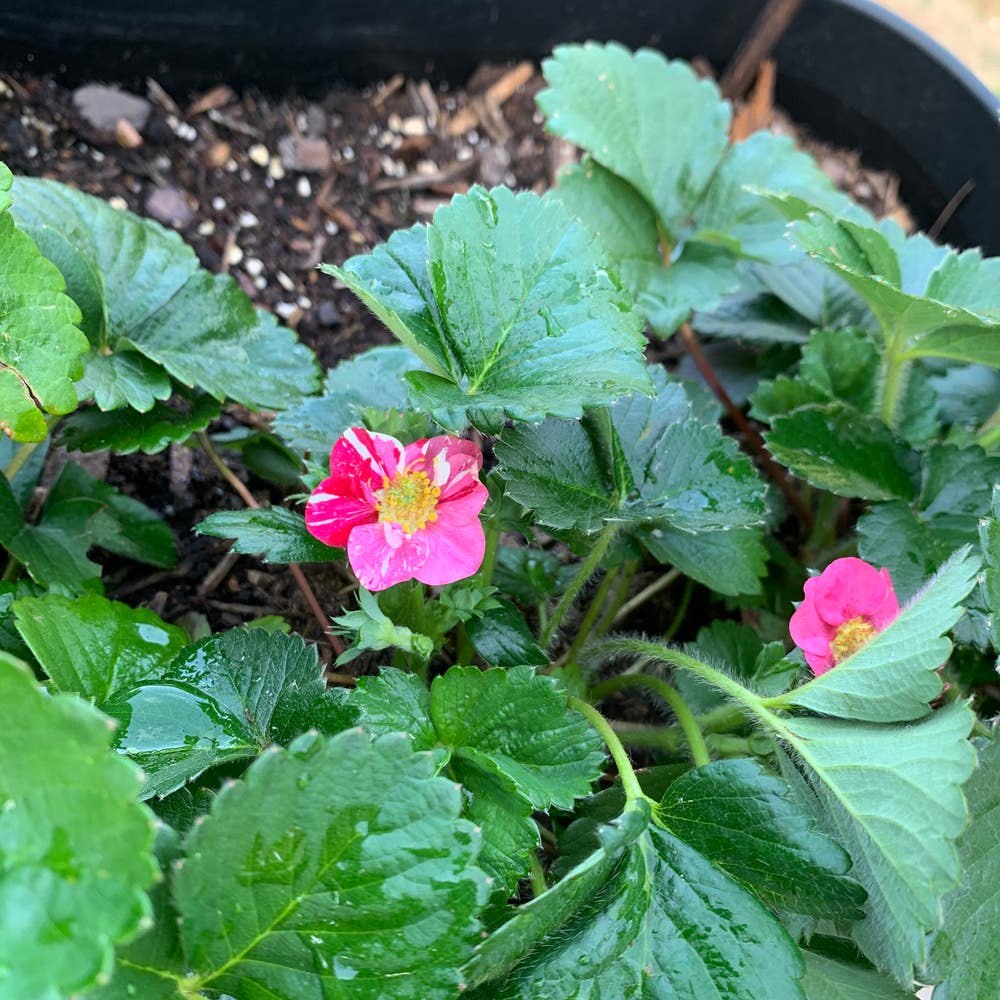
🌼 Overview of Potentilla martjanowii
Potentilla martjanowii
By the Greg Editorial Team
Feb 27, 2025•10 min read
This article was created with the help of AI so we can cover more plants for you. May contain errors. See one? Report it here.
Elevate your garden with vibrant Potentilla martjanowii, a resilient beauty that thrives with minimal care! 🌼
- 🌞 Potentilla martjanowii needs 6-8 hours of sunlight for optimal growth.
- 🌱 Well-drained, slightly acidic soil is essential for healthy development.
- 🐝 Bright yellow flowers attract pollinators, enhancing your garden's ecosystem.
How to Grow
Choosing a Location 🌞
To thrive, Potentilla martjanowii needs full sun exposure, ideally receiving 6-8 hours of sunlight daily. When selecting a spot, steer clear of areas with excessive shade or wind, as these conditions can hinder growth.
Soil Preparation 🌱
This plant prefers well-drained sandy or loamy soil. Aim for a slightly acidic to neutral pH, ideally between 6.0 and 7.0, and enhance drainage by incorporating organic matter before planting.
Planting Techniques 🌿
When planting, dig a hole that’s 1-2 inches deep and space your plants 12-18 inches apart for optimal growth. The best times to plant are in spring or fall, allowing them to establish before extreme temperatures hit.
Watering Requirements 💧
Initially, keep the soil consistently moist until the plants are established. Once settled, Potentilla martjanowii is drought-tolerant, requiring only moderate watering.
Fertilizing Schedule 🌼
Feed your plants lightly in early spring to give them a boost. A balanced NPK fertilizer, such as 10-10-10, works well to support their growth.
Pruning Methods ✂️
Prune your Potentilla martjanowii in late winter or early spring. Focus on removing dead or damaged stems to encourage fresh growth and maintain a tidy appearance.
Ongoing Care Tips 🪴
If you're growing Potentilla martjanowii in containers, ensure that your pots have drainage holes to prevent waterlogging. Additionally, applying mulch can help retain moisture and suppress weeds, making your gardening efforts more efficient.
With these tips, you'll be well on your way to cultivating a vibrant display of Potentilla martjanowii in your garden. Next, let’s explore how to propagate this resilient plant for even more beauty in your landscape.
Propagation
🌱 Seed Propagation Steps
To propagate Potentilla martjanowii from seeds, start by collecting seeds from mature plants in late summer. Next, sow these seeds in a seed tray filled with well-draining soil, covering them lightly and keeping the soil moist until germination occurs, which typically takes 2-3 weeks.
✂️ Division Method
Dividing the plant is another effective propagation method. The best time for this is early spring or fall; simply dig up the plant and carefully separate the root clumps, then replant the divisions immediately in prepared soil to ensure they thrive.
🌿 Tips for Successful Cuttings
For those interested in taking cuttings, select healthy stems that are 4-6 inches long. Using a rooting hormone can significantly boost root development, so apply it before placing the cuttings in a moist, well-draining medium until roots form, which usually takes about 4-6 weeks.
This propagation knowledge empowers you to expand your garden with Potentilla martjanowii, ensuring you have plenty of these vibrant plants to enjoy. Next, let’s explore the size characteristics of this beautiful perennial.
Size
Mature Height and Spread 🌱
Potentilla martjanowii typically reaches a mature height of 12 to 24 inches, making it a versatile choice for various garden settings. Its spread can range from 18 to 24 inches, allowing it to fill out spaces beautifully without overwhelming neighboring plants.
Growth Rate and Time to Full Size ⏳
This plant takes about 2 to 3 years to reach its full size. The growth rate can vary significantly based on factors like soil quality and sunlight exposure, so keep an eye on its progress as it matures.
Size Variability Based on Conditions 🌍
Several factors influence the size of Potentilla martjanowii. Soil fertility, watering practices, and the amount of sunlight it receives all play crucial roles in determining how robust and expansive your plant will become.
Understanding these elements can help you create the ideal environment for your Potentilla martjanowii to thrive. As you nurture it, you'll witness its growth and beauty unfold, enriching your garden space.
Roots
Characteristics of the Root System 🌱
Potentilla martjanowii features a fibrous root system that is typically shallow, spreading laterally. This structure allows the plant to efficiently absorb moisture and nutrients from the upper soil layers.
Common Root-Related Issues 🚫
One of the most common problems is root rot, which occurs due to overwatering. To prevent this, ensure your plant has good drainage; healthy roots should be firm and white, while unhealthy roots will appear dark and mushy.
Recognizing Rootbound Conditions 🔄
Rootbound conditions arise when roots circle the pot, limiting the plant's growth. Signs include stunted growth and water pooling on the surface, indicating that the plant needs more space.
To resolve this issue, consider repotting into a larger container or dividing the plant. This will give the roots room to expand and thrive, promoting overall health and vigor.
With proper attention to the root system, your Potentilla martjanowii can flourish beautifully. Next, let’s explore the benefits this resilient plant brings to your garden.
Benefits
🌼 Ornamental Appeal
Potentilla martjanowii boasts bright yellow flowers that can truly enhance your garden's aesthetics. These cheerful blooms add a splash of color, making them a delightful choice for any landscape.
🐝 Attracts Beneficial Pollinators
This plant is a magnet for bees and butterflies, promoting biodiversity in your garden. By attracting these beneficial pollinators, you contribute to a healthier ecosystem.
💧 Drought Resistance
Once established, Potentilla martjanowii requires minimal care, making it perfect for busy gardeners. Its drought-resistant nature means you can enjoy a vibrant garden without constant watering.
🌱 Cultural Significance
Beyond its beauty, this plant symbolizes resilience in harsh environments. It serves as a reminder of nature's ability to thrive, even under challenging conditions.
🌍 Contribution to Biodiversity
By incorporating Potentilla martjanowii into your garden, you enhance ecosystem health. This plant supports various wildlife, contributing to a balanced and thriving environment.
Incorporating Potentilla martjanowii into your garden not only beautifies your space but also supports the local ecosystem. Next, let’s explore the best companion plants that can thrive alongside this resilient beauty.
Companion Plants
Companion Planting Benefits 🌱
Companion planting is a fantastic way to enhance your garden's health and productivity. By pairing plants that support each other, you can promote healthy growth and manage pests naturally.
Best Companion Plants 🌼
When it comes to Potentilla martjanowii, consider companions like Lavender, Salvia, and Echinacea. These plants not only share similar care needs but also attract beneficial pollinators, enriching your garden's ecosystem.
Plants to Avoid 🚫
While companion planting can be beneficial, it's essential to avoid heavy feeders like tomatoes. These plants may compete for nutrients, potentially stunting the growth of your Potentilla martjanowii.
By carefully selecting companion plants, you can create a thriving garden that supports both beauty and biodiversity. Next, let’s explore the toxicity of Potentilla martjanowii to humans, dogs, and cats.
Toxicity to Humans
Potentilla martjanowii is generally safe and is not listed as toxic by major poison control centers. However, it's important to note that minor issues may arise from excessive contact or ingestion, such as mild skin irritation or digestive discomfort.
⚠️ Caution is Key
Always exercise caution with any plant. If you experience unusual symptoms after contact or ingestion, seek medical advice promptly. It's better to be safe than sorry when it comes to plant interactions!
This plant can be a delightful addition to your garden without the worry of toxicity. Now, let’s explore how Potentilla martjanowii interacts with our furry friends.
Toxicity to Dogs
Potentilla martjanowii is considered safe for dogs, as it is not toxic according to veterinary organizations.
However, if your furry friend ingests large quantities, they may experience mild gastrointestinal upset.
🐶 Monitoring Your Dog
It's always wise to keep an eye on your dog's behavior around new plants.
If you notice any unusual symptoms, consult your veterinarian for advice.
🏡 Plant Placement Tips
To ensure your dog's safety, consider placing Potentilla martjanowii out of reach.
This simple precaution can help prevent any potential mishaps while allowing you to enjoy the beauty of this resilient plant.
With proper care, both your garden and your pet can thrive harmoniously.
Next, let’s explore how Potentilla martjanowii interacts with our feline friends.
Toxicity to Cats
Potentilla martjanowii is safe for cats, as confirmed by major pet poison control centers. This means you can enjoy its beauty without worrying about your feline friends.
However, if your cat consumes a large amount, mild gastrointestinal upset may occur. It's always a good idea to monitor your cat's behavior around new plants.
To keep your curious kitty safe, consider placing the plant in less accessible areas. This way, you can enjoy the vibrant blooms while ensuring your pet stays healthy and happy.
Problems
Common Problems 🌱
Growing Potentilla martjanowii can be rewarding, but it’s essential to watch for common issues that may arise. Incorrect watering is a frequent culprit; overwatering leads to wilting, while underwatering results in dry, crispy leaves.
Light Conditions ☀️
Light conditions also play a crucial role in the plant's health. Yellowing leaves often signal insufficient light, so ensure your plant gets plenty of sun.
Fungal Diseases 🦠
Fungal diseases, such as powdery mildew, can affect your plant's vigor. If you notice this issue, treat it promptly with fungicides to keep your Potentilla thriving.
Root Problems 🌿
Root problems are another concern, particularly root rot from overwatering. To prevent this, ensure your soil has excellent drainage and avoid letting the plant sit in water.
Leaf Issues 🍃
Lastly, leaf scorching can occur if the plant receives too much direct sunlight. Providing partial shade during peak hours can help protect your plant from this stress.
By staying vigilant and addressing these common problems, you can enjoy a healthy and vibrant Potentilla martjanowii in your garden. Next, let’s explore the potential pest issues that may affect your plant.
Bugs
🐞 Potential Pest Issues
Keeping your Potentilla martjanowii healthy means being vigilant about pests. Here are some common culprits to watch for:
Spider Mites
These tiny pests create fine webbing on leaves, which can be a telltale sign of their presence. Treat them promptly with insecticidal soap to prevent damage.
Scale Insects
Look out for sticky residue on leaves, a sign of scale insects. You can remove them by hand or apply horticultural oil for effective control.
Mealybugs
These pests appear as cotton-like masses on stems. A simple treatment with alcohol-soaked cotton swabs can help eliminate them.
Aphids
Small green insects, aphids can quickly multiply and damage your plants. Control them using neem oil or insecticidal soap for a safe and effective solution.
By staying alert and addressing these pest issues early, you can ensure your Potentilla martjanowii thrives beautifully in your garden. Next, let’s explore what animals might be tempted to munch on your lovely plants.
What Eats Potentilla martjanowii
🦌 Common Animals
Potentilla martjanowii can attract a variety of hungry critters. Understanding which animals might munch on your plants can help you take preventive measures.
Deer
Deer are notorious for their appetite for garden plants. Look for signs like chewed leaves and stems, which indicate their presence.
Rabbits
Rabbits can be quite destructive, leaving behind clean cuts on stems. If you notice this type of damage, it’s likely they’ve been snacking on your Potentilla.
Squirrels
Squirrels may dig around the roots of your plants. Disturbed soil is a telltale sign that these furry friends have been exploring.
Birds
Birds are often attracted to the bright flowers of Potentilla martjanowii. To protect your blooms, consider using netting to deter them from pecking.
Rodents
Rodents can also pose a threat, leaving gnaw marks on your plants. Setting traps can be an effective way to manage their population.
Groundhogs
Groundhogs are known for their hearty appetite, often leaving large bites on stems. Installing fencing can help keep these larger animals at bay.
By being aware of these potential threats, you can better protect your Potentilla martjanowii and ensure it thrives in your garden. Next, let’s explore common problems that can affect this resilient plant.
⚠️ Safety First
This content is for general information and may contain errors, omissions, or outdated details. It is not medical, veterinary advice, or an endorsement of therapeutic claims.
Always consult a qualified healthcare professional before using any plant as food, medicine, or supplement.
Never eat any plant (or feed one to pets) without confirming its identity with at least two trusted sources.
If you suspect poisoning, call Poison Control (800) 222-1222, the Pet Poison Helpline (800) 213-6680, or your local emergency service immediately.
Spotted an error? Please report it here.
Unlock the secret to a thriving garden 🌼 with Potentilla martjanowii by using Greg's tailored care reminders to keep your plants healthy and vibrant with minimal effort!