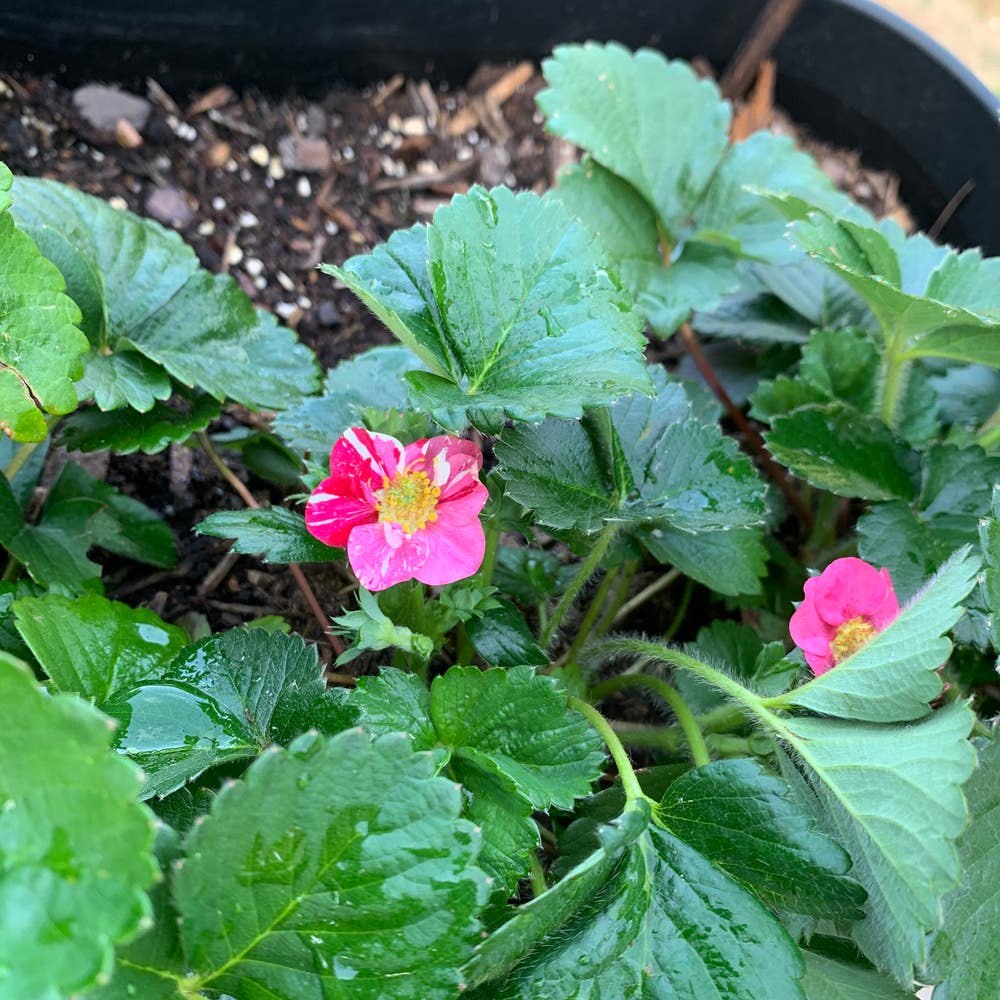
Introduction to Potentilla marinensis 🌼
Potentilla marinensis
By the Greg Editorial Team
Feb 27, 2025•11 min read
This article was created with the help of AI so we can cover more plants for you. May contain errors. See one? Report it here.
Elevate your garden effortlessly with Potentilla marinensis, a low-maintenance beauty that attracts pollinators! 🌼
- 🌞 Potentilla marinensis thrives in full sun, needing 6-8 hours daily for optimal growth.
- 🌱 Well-draining sandy soil with pH 6.0-7.0 is essential for healthy development.
- 🌼 Drought-tolerant once established, this plant supports biodiversity with its bright yellow flowers.
How to Grow
Choosing a Location 🌞
Potentilla marinensis thrives in full sun, requiring 6-8 hours of sunlight daily. It flourishes best in coastal regions with moderate temperatures, making these areas ideal for its growth.
Soil Preparation 🏜️
For optimal growth, this plant prefers well-draining sandy or rocky soil. Aim for a soil pH between slightly acidic and neutral (6.0-7.0) to create the best environment for your Potentilla.
Planting Techniques 🌱
When planting, ensure the depth is between 1-2 inches. Space your plants 12-18 inches apart to allow for healthy growth and airflow.
Watering Requirements 🚰
Initially, keep the soil consistently moist until the plant is established. Once established, water deeply but infrequently to encourage strong root development.
Fertilizing Guidelines 🍽️
Light feeding with a balanced fertilizer in early spring will support growth. Avoid over-fertilizing, as Potentilla marinensis is low-maintenance and doesn't require heavy feeding.
Pruning Methods ✂️
Prune after flowering to promote bushier growth and remove any dead or damaged stems. This simple practice helps maintain the plant's health and appearance.
Ongoing Care 🌿
For container-grown Potentilla, ensure adequate drainage and monitor moisture levels closely. In outdoor settings, apply mulch to retain moisture and suppress weeds, creating a thriving environment for your plants.
With these steps, you'll set your Potentilla marinensis up for success, ensuring it flourishes beautifully in your garden. Next, let’s explore how to propagate this resilient plant effectively.
Propagation
🌱 Seed Propagation
To propagate Potentilla marinensis from seeds, sow them at a depth of 1/4 inch. Expect germination to take between 14 to 30 days, depending on environmental conditions.
✂️ Cutting Propagation
For cutting propagation, take 4-6 inch cuttings from healthy stems. Use a rooting medium that consists of a mix of perlite and peat moss for optimal results.
🌿 Division Propagation
The best time for division propagation is in early spring or fall. Carefully separate clumps of the plant and replant them immediately to ensure they thrive in their new locations.
This propagation guide sets you up for success with Potentilla marinensis, allowing you to expand your garden with ease. Next, let’s explore the lifecycle of this resilient perennial.
Lifecycle
Lifecycle Stages 🌱
Potentilla marinensis is a perennial plant that goes through several distinct growth stages. Understanding these stages helps gardeners anticipate care needs throughout the plant's life.
Germination Process 🌡️
For optimal germination, maintain a temperature between 65-70°F (18-21°C). This warm environment encourages seeds to sprout effectively.
Seedling Stage 🌿
The seedling stage lasts about 4-6 weeks, during which the plant develops its first true leaves. This is a critical period for establishing a strong foundation.
Vegetative Growth 🌳
Late spring to early summer marks the vegetative growth phase. During this time, the plant focuses on leaf and stem development, preparing for future blooms.
Flowering and Seed Production 🌸
Expect blooming to occur in late spring to early summer. After flowering, seeds mature by late summer, ready for the next generation.
Growth Timeline and Speed ⏳
Potentilla marinensis typically reaches maturity in approximately 1-2 years. Its moderate growth rate means you’ll see full size in about two years, rewarding your patience with vibrant blooms.
This lifecycle knowledge sets the stage for effective care and management, ensuring your plant thrives. Next, let’s explore its size and growth characteristics.
Size
Mature Height and Spread 🌱
Potentilla marinensis typically reaches a height of 6 to 12 inches, making it a compact addition to any garden. Its spread can range from 12 to 24 inches, allowing it to create a lovely ground cover.
Growth Rate and Size Variability 📈
This plant exhibits a moderate growth rate, which can vary based on soil quality and water availability. With the right conditions, you can expect it to thrive and fill out nicely.
Factors Affecting Size ⚖️
Impact of Sunlight
Sunlight plays a crucial role in the growth of Potentilla marinensis. More exposure to full sun results in denser and more robust growth.
Soil Quality
The quality of the soil is equally important. Richer soils can significantly enhance the plant's growth, leading to a more vibrant display of flowers and foliage.
In summary, understanding the size characteristics of Potentilla marinensis helps you plan its placement in your garden effectively. With proper care, this plant can flourish, adding beauty and structure to your landscape. Next, let’s explore the fascinating root system that supports this resilient perennial.
Roots
Root System Characteristics 🌱
Potentilla marinensis features a fibrous root system that supports its growth and stability. This type of root structure allows the plant to efficiently absorb water and nutrients from the soil.
Depth and Spread of Roots 📏
Typically, the roots extend to a depth of 12-18 inches. They can spread laterally up to 2-3 feet, providing a robust foundation for the plant.
Common Root-Related Issues ⚠️
One common problem is root rot, which occurs due to overwatering. Symptoms include wilting and yellowing leaves, signaling that the roots are struggling.
Identifying Healthy vs. Unhealthy Roots 🧐
Healthy roots are firm, white, and spread out evenly in the soil. In contrast, unhealthy roots appear brown, mushy, or may emit a foul smell, indicating decay.
Recognizing Rootbound Plants 🔗
If you notice roots growing out of the drainage holes, your plant may be rootbound. The solution is simple: repot the plant into a larger container or divide it to encourage healthy growth.
Understanding the root system of Potentilla marinensis is crucial for its care. With proper attention to root health, you can ensure your plant thrives beautifully.
Benefits
Top 5 Benefits 🌟
Potentilla marinensis offers a range of advantages that make it a fantastic addition to any garden. Here are the top five benefits of this resilient plant:
Drought Tolerance
Once established, Potentilla marinensis requires minimal watering. This makes it an excellent choice for gardeners looking to conserve water while maintaining a vibrant landscape.Pollinator Attraction
The bright yellow flowers of Potentilla marinensis are a magnet for local bees and butterflies. By planting this species, you contribute to the health of pollinator populations in your area.Erosion Control
Its dense growth habit helps stabilize sandy soils, making it an effective choice for erosion control. This is particularly beneficial in coastal regions where soil stability is crucial.Low Maintenance
Potentilla marinensis is ideal for gardeners seeking easy-care plants. Its resilience means less time spent on upkeep and more time enjoying your garden.Aesthetic Appeal
The cheerful yellow blooms add a splash of color to any garden. Their bright appearance enhances the overall beauty of your outdoor space, making it a delightful sight throughout the growing season.
These benefits make Potentilla marinensis not just a plant, but a valuable asset to your gardening efforts. As you consider your planting options, keep in mind how this hardy perennial can enrich your garden's ecosystem and visual appeal.
Next, let's explore the concept of companion planting and how Potentilla marinensis can thrive alongside other plants.
Companion Plants
🌱 Concept of Companion Planting
Companion planting is a gardening technique that enhances biodiversity and improves pest management. By strategically placing plants together, you can create a thriving ecosystem that benefits all species involved.
🌼 Best Companion Plants
- Lavender: This fragrant herb not only attracts pollinators but also repels pests, making it a perfect partner for Potentilla marinensis.
- Yarrow: Sharing similar care needs, yarrow attracts beneficial insects and helps maintain a balanced garden environment.
🚫 Plants to Avoid
When selecting companions, steer clear of heavy feeders like corn. These plants can compete for nutrients, potentially stunting the growth of Potentilla marinensis and its companions.
By choosing the right companions, you can create a vibrant garden that flourishes together. This thoughtful approach not only enhances the beauty of your space but also supports local wildlife and promotes a healthier garden ecosystem.
Toxicity to Humans
Potentilla marinensis is considered non-toxic and is not listed as harmful by major poison control centers. This makes it a safe choice for gardens, especially if you have children or pets roaming around.
While generally safe, consuming large quantities may lead to mild skin irritation or digestive discomfort. It's always wise to exercise caution with any plant and consult a medical professional if you experience unusual symptoms after contact or consumption.
In summary, Potentilla marinensis offers a beautiful addition to your garden without the worry of toxicity. Just remember to enjoy it responsibly!
Toxicity to Dogs
Potentilla marinensis is considered non-toxic to dogs, meaning it’s not listed as harmful by major pet poison control centers. This makes it a safe addition to your garden, allowing your furry friends to roam without worry.
However, if your dog consumes large quantities of the plant, it may experience mild gastrointestinal upset. To prevent any issues, it's a good idea to keep the plant out of reach and monitor your dog's behavior around it.
By ensuring your pet doesn’t munch on too much, you can enjoy the beauty of Potentilla marinensis while keeping your canine companion safe. If you notice any unusual symptoms, consult your veterinarian for peace of mind.
Next, let's explore how this plant interacts with our feline friends.
Toxicity to Cats
Potentilla marinensis is considered non-toxic to cats, as confirmed by major pet poison control centers. This means you can enjoy this beautiful plant without worrying about your feline friends getting hurt.
However, if a cat consumes large quantities, it may experience mild gastrointestinal upset. It's always a good idea to keep any plant out of reach and monitor your cat's behavior around it.
By taking these simple precautions, you can ensure a safe and enjoyable environment for both your plants and your pets. With Potentilla marinensis in your garden, you can appreciate its beauty while keeping your curious cats safe.
🐱 Common Problems
As we move on, let’s explore the common problems that can arise when growing this resilient plant.
Problems
Common Problems 🌱
Incorrect Watering
Watering issues are among the most common problems faced by gardeners. Overwatering leads to wilting, while underwatering results in crispy leaves.
To solve this, adjust your watering frequency based on the moisture level of the soil. A simple finger test can help determine if it's time to water.
Incorrect Light Conditions
Light conditions can significantly impact the health of Potentilla marinensis. If your plants exhibit leggy growth or fail to flower, they may not be receiving enough sunlight.
Ensure your plants get full sun exposure for at least 6-8 hours daily. This will promote robust growth and vibrant blooms.
Diseases
Diseases like powdery mildew and rust can affect your plants, especially in humid conditions. These issues often arise from poor air circulation and excessive moisture.
To combat these diseases, improve air circulation around your plants and avoid overhead watering. This simple adjustment can make a big difference.
Root Problems
Root problems, particularly root rot, can be detrimental to your plants. Symptoms include mushy roots, which indicate overwatering.
To prevent this, ensure your soil is well-draining and avoid watering too frequently. A good drainage system is essential for healthy roots.
Leaf Issues
Leaf problems often manifest as yellowing or scorching leaves. These symptoms can arise from improper watering or light conditions.
Adjust your watering schedule and ensure your plants receive adequate light. This will help maintain healthy, vibrant foliage.
By addressing these common issues, you can keep your Potentilla marinensis thriving and beautiful. Next, let’s explore potential pest problems that may arise in your garden.
Bugs
Potential Pest Issues 🐜
While Potentilla marinensis is generally resilient, it can still attract a few pesky pests. Keeping an eye out for these invaders will help maintain the health of your plants.
Identification of Pests 🔍
- Spider Mites: Look for fine webbing and stippled leaves, which indicate their presence.
- Aphids: These small green or black insects often cluster on new growth, sucking the sap and weakening the plant.
Damage Caused by Pests ⚠️
Pests can cause significant damage, leading to leaf curling, stunted growth, and reduced flowering. If you notice these symptoms, it's time to investigate further.
Treatment Options 💊
To combat aphids and spider mites, consider using neem oil or insecticidal soap. These treatments are effective and can help restore your plant's vitality without harsh chemicals.
By staying vigilant and addressing pest issues promptly, you can ensure your Potentilla marinensis thrives beautifully in your garden. Next, let’s explore what animals might be interested in munching on your plants.
What Eats
Common Animals 🦌
When it comes to Potentilla marinensis, a few common garden visitors might take a liking to its foliage. Deer are notorious for munching on these plants, leaving behind chewed leaves and broken stems. Rabbits can also be a problem, often leaving cleanly cut stems and missing foliage in their wake.
Types of Damage 🐾
The damage caused by these hungry critters can be quite noticeable. They tend to browse on the leaves and stems, which can lead to stunted growth and an overall unhealthy appearance of the plant.
Deterrent Methods 🚫
To protect your Potentilla marinensis from these garden pests, consider implementing some effective deterrent methods.
- Fencing: Installing barriers can keep larger animals like deer at bay.
- Repellents: Applying commercial or homemade deterrents can help ward off rabbits and other nibblers.
By taking these precautions, you can enjoy the beauty of your Potentilla marinensis without the worry of it becoming a snack for local wildlife.
Next, let’s explore the potential pest issues that can affect this resilient plant.
⚠️ Safety First
This content is for general information and may contain errors, omissions, or outdated details. It is not medical, veterinary advice, or an endorsement of therapeutic claims.
Always consult a qualified healthcare professional before using any plant as food, medicine, or supplement.
Never eat any plant (or feed one to pets) without confirming its identity with at least two trusted sources.
If you suspect poisoning, call Poison Control (800) 222-1222, the Pet Poison Helpline (800) 213-6680, or your local emergency service immediately.
Spotted an error? Please report it here.
Grow vibrant Potentilla marinensis 🌼 effortlessly with Greg's tailored watering reminders and care tips, ensuring your garden thrives in full sun and well-draining soil!