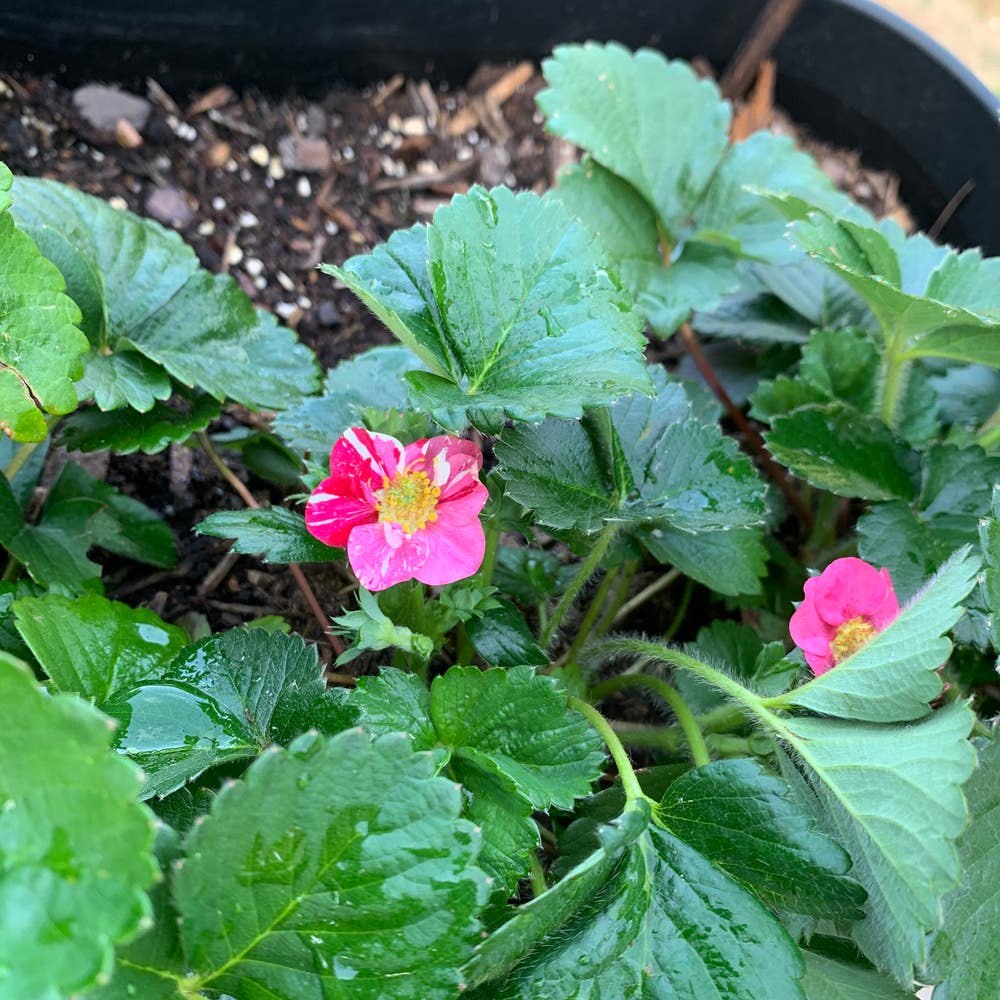
What is a Potentilla macropoda? Complete Guide 🌼
Potentilla macropoda
By the Greg Editorial Team
Feb 27, 2025•13 min read
This article was created with the help of AI so we can cover more plants for you. May contain errors. See one? Report it here.
Elevate your garden with Potentilla macropoda, a stunning, low-maintenance plant that attracts pollinators! 🌼
- 🌞🌱 Potentilla macropoda thrives in full sun and well-drained soil for optimal growth.
- 🌼 Regular watering and balanced fertilizer support healthy blooms and growth throughout the seasons.
- 🐾 Non-toxic to pets, making Potentilla macropoda a safe choice for family gardens.
How to Grow
Choosing a Location 🌞
Potentilla macropoda thrives in full sun to partial shade, making it versatile for various garden settings. Ensure you avoid areas with standing water, as good drainage is crucial for healthy growth.
Soil Preparation 🏞️
This plant prefers well-drained soil, which is vital for its overall health. To enhance fertility, consider adding organic matter like compost or well-rotted manure to improve soil texture and nutrient content.
Planting Techniques 🌱
When planting, aim for a depth of about 1 to 2 inches for seedlings or divisions. Maintain proper spacing of 12 to 18 inches between plants to allow for adequate airflow and growth.
Watering Requirements 💧
Water Potentilla macropoda regularly, adjusting based on soil moisture levels. Watch for signs of overwatering, such as yellowing leaves, or underwatering, indicated by wilting foliage.
Fertilizing Guidelines 🌿
A balanced NPK fertilizer is recommended to support robust growth. Fertilize in early spring and again in mid-summer for optimal results.
Pruning and Ongoing Care ✂️
Pruning is essential to maintain the shape and health of your Potentilla macropoda. Seasonal care adjustments, such as cutting back spent blooms, will keep your plant looking its best throughout the year.
Outdoor vs. Container Growing 🪴
If you choose to grow Potentilla macropoda in containers, select a pot that is at least 12 inches in diameter. Remember that care requirements differ slightly; container plants may need more frequent watering and fertilization compared to those in the ground.
With these guidelines, you’ll be well on your way to cultivating a thriving Potentilla macropoda in your garden or home. Next, let’s explore the various methods of propagation to expand your collection!
Propagation
🌱 Seed Propagation
To successfully propagate Potentilla macropoda from seeds, start by sowing them at a depth of about 1/4 inch. This depth ensures that the seeds have enough soil coverage to germinate effectively.
For optimal germination, maintain a temperature range of 65-70°F and keep the soil consistently moist but not soggy. These conditions create a welcoming environment for the seeds to sprout.
✂️ Division of Established Plants
Dividing established plants is best done in early spring or fall when the plant is actively growing. This timing allows for a smoother recovery and encourages new growth.
To divide, carefully dig up the plant and separate the root ball into sections, ensuring each division has healthy roots and shoots. Replant the divisions immediately to minimize stress.
🌿 Cuttings Method
When using cuttings for propagation, select healthy stems that are about 4-6 inches long. Choose stems that are not flowering, as they root better and establish more quickly.
For rooting, place the cuttings in a well-draining potting mix and keep them in a warm, humid environment. Mist them regularly to maintain moisture and encourage root development.
This propagation knowledge will help you expand your Potentilla macropoda collection, ensuring a thriving garden filled with these beautiful plants. Next, let’s explore the lifecycle of Potentilla macropoda and how it develops from seed to maturity.
Lifecycle
Lifecycle Stages 🌱
Potentilla macropoda is classified as a perennial plant, meaning it lives for more than two years. Its lifecycle progresses through distinct stages, starting from seed germination to maturity, showcasing its resilience and adaptability.
Germination Process 🌧️
Seeds of Potentilla macropoda typically germinate within 14 to 30 days, depending on environmental conditions. For successful germination, maintain a temperature range of 65-75°F and ensure consistent moisture in the soil.
Seedling Stage 🌿
During the seedling stage, expect small, tender leaves to emerge, indicating healthy growth. These seedlings require careful monitoring, as they are vulnerable to environmental stressors.
Vegetative Growth 🌳
As the plant enters the vegetative growth phase, it develops a robust structure with more leaves and stems. This stage is crucial for establishing a strong foundation before flowering begins.
Flowering and Seed Production 🌼
Potentilla macropoda typically blooms in late spring to early summer, producing vibrant yellow flowers. After flowering, the plant begins seed production, which occurs shortly after the blooms fade, ensuring the continuation of its lifecycle.
Lifespan and Growth Rate ⏳
On average, Potentilla macropoda has a lifespan of 3 to 5 years, thriving in suitable conditions. Its growth rate is moderate, with plants reaching full size in about two years, making it a reliable choice for gardeners seeking longevity.
This lifecycle overview highlights the resilience and adaptability of Potentilla macropoda, setting the stage for understanding its growth and care needs. Next, we will explore the various factors that influence its size and growth characteristics.
Size
🌱 Mature Height and Spread
Potentilla macropoda typically reaches a height of 12 to 18 inches, with a spread of about 18 to 24 inches. This compact size makes it an excellent choice for borders or as ground cover in gardens.
⏳ Growth Rate and Time to Full Size
Under optimal conditions, Potentilla macropoda can take approximately 2 to 3 years to reach its full size. Patience is key, as this plant gradually establishes itself before showcasing its full potential.
🌍 Size Variability Based on Growing Conditions
The size of Potentilla macropoda can vary significantly based on environmental factors. Adequate sunlight, soil quality, and moisture levels all play crucial roles in determining how large and robust the plant will grow.
In less-than-ideal conditions, such as poor soil or insufficient light, you may notice stunted growth. Conversely, when planted in rich, well-drained soil with plenty of sunlight, this plant can thrive and reach its maximum dimensions.
Understanding these factors can help you create the best environment for your Potentilla macropoda, ensuring it flourishes beautifully in your garden.
Roots
🌱 Root System Characteristics
Potentilla macropoda features a fibrous root system, which allows it to efficiently absorb nutrients and water from the soil. This type of root structure supports stability and helps the plant thrive in various conditions.
📏 Root Depth and Spread
Typically, the roots of Potentilla macropoda extend about 12 to 18 inches deep and can spread outwards significantly. This depth and spread enable the plant to access moisture and nutrients effectively, contributing to its overall health.
⚠️ Common Root-Related Issues
Root rot is a common problem that can affect Potentilla macropoda, often caused by overwatering or poorly drained soil. Signs of root rot include yellowing leaves, wilting, and a foul smell emanating from the soil.
👀 Identifying Healthy vs. Unhealthy Roots
Healthy roots are firm, white, and have a fresh smell, indicating good vitality. In contrast, unhealthy roots may appear brown, mushy, or have a foul odor, signaling potential issues that need addressing.
🪴 Recognizing Rootbound Plants and Solutions
A rootbound plant occurs when its roots grow too densely within the container, limiting growth and nutrient uptake. To identify a rootbound Potentilla macropoda, look for roots growing out of the drainage holes or circling tightly around the root ball.
To resolve this, gently remove the plant from its pot and trim any circling roots. Repotting into a larger container with fresh soil will give the roots room to expand and promote healthier growth.
With proper care and attention to root health, your Potentilla macropoda can flourish beautifully in your garden. Next, let’s explore the benefits this plant brings to your outdoor space.
Benefits
Ornamental Appeal 🌺
Potentilla macropoda is a stunning addition to any garden. Its vibrant flowers and lush foliage create a visually appealing landscape that can brighten up any outdoor space.
Attracts Pollinators 🐝
This plant is a magnet for pollinators, especially bees and butterflies. By planting Potentilla macropoda, you contribute to a healthier ecosystem and support these essential creatures.
Erosion Control 🌍
Potentilla macropoda plays a crucial role in preventing soil erosion. Its robust root system helps stabilize the soil, making it an excellent choice for slopes or areas prone to erosion.
Drought Resistance 💧
One of the standout features of Potentilla macropoda is its adaptability to dry conditions. This drought resistance means less worry about watering, making it a low-maintenance option for busy gardeners.
Cultural Significance and Symbolism 🎭
Historically, Potentilla macropoda has held cultural significance in various regions. Its resilience and beauty often symbolize strength and endurance, adding a layer of meaning to your garden.
Incorporating Potentilla macropoda into your landscape not only enhances its beauty but also supports the environment and carries cultural weight. With its many benefits, this plant is a fantastic choice for any garden enthusiast.
Companion Plants
🌱 Concept of Companion Planting
Companion planting is the practice of growing different plants together for mutual benefits. This method enhances garden health, promotes biodiversity, and can even improve crop yields.
🌼 Best Companion Plants
When planting Potentilla macropoda, consider companions like:
- Lavender: Attracts pollinators and repels pests.
- Thyme: Shares similar soil and water needs, promoting healthy growth.
- Salvia: Provides vibrant color while attracting beneficial insects.
These plants not only thrive alongside Potentilla macropoda but also create a visually appealing garden.
🚫 Plants to Avoid
Certain plants can negatively impact Potentilla macropoda's growth. Avoid planting it near:
- Cabbage family: They can compete for nutrients.
- Fennel: Known to inhibit the growth of nearby plants.
- Mint: Aggressive growth can overshadow Potentilla macropoda.
Keeping these plants at a distance helps ensure a thriving garden.
🌟 Benefits of Companion Planting
Companion planting offers several advantages:
- Pest Management: Certain companions can deter pests naturally, reducing the need for chemical treatments.
- Garden Diversity: Mixing plants enhances biodiversity, creating a more resilient ecosystem.
By thoughtfully selecting companion plants, you can cultivate a healthier and more vibrant garden environment. This approach not only benefits Potentilla macropoda but also enriches the entire garden landscape.
As you explore companion planting, consider how these relationships can enhance your gardening experience. Next, let's delve into the fascinating world of Potentilla macropoda's toxicity to pets.
Toxicity to Humans
Safety for Humans 🌱
Potentilla macropoda is considered non-toxic, meaning it’s not listed as harmful by major health organizations. This makes it a safe choice for gardens, allowing you to enjoy its beauty without worrying about toxicity.
Potential Minor Issues ⚠️
While generally safe, some individuals may experience mild reactions from excessive contact or ingestion. It's always wise to be cautious and monitor any unusual symptoms that may arise.
Cautionary Advice 🩺
If you notice any unusual symptoms after contact with Potentilla macropoda, it’s important to seek medical advice. Staying informed and cautious ensures a safe gardening experience for everyone involved.
Toxicity to Dogs
Safety for Dogs 🐶
Potentilla macropoda is considered non-toxic to dogs, meaning it’s not listed as harmful by major pet poison control centers. However, if your furry friend indulges in excessive munching, it might experience mild gastrointestinal upset.
Tips for Introducing to Homes with Dogs 🏡
When introducing Potentilla macropoda to your home, consider its placement carefully. Keep it in areas that are less accessible to your dog, and monitor their interactions to ensure they don’t overindulge in the plant.
By taking these precautions, you can enjoy the beauty of Potentilla macropoda while keeping your canine companion safe and healthy.
Toxicity to Cats
🐱 Safety for Cats
Potentilla macropoda is considered non-toxic to cats, meaning it’s not listed as harmful by major pet poison control centers. However, if your feline friend indulges in excessive munching, it might experience mild gastrointestinal upset.
🏡 Tips for Introducing to Homes with Cats
When bringing Potentilla macropoda into a home with cats, placement is key. Position the plant in areas that are less accessible to your curious kitty, and keep an eye on their interactions to ensure they don’t overindulge.
By following these simple guidelines, you can enjoy the beauty of Potentilla macropoda while keeping your furry companions safe.
Problems
Common Problems 🌱
Potentilla macropoda, while generally hardy, can face a few common issues. These include pests, diseases, and environmental stressors that can affect its growth and appearance.
Identifying Symptoms and Causes 🔍
Recognizing when your Potentilla macropoda is struggling is key to effective care. Look for yellowing leaves, stunted growth, or wilting, which may indicate issues like overwatering, nutrient deficiencies, or pest infestations.
Solutions for Each Problem 🛠️
Here are quick fixes for the top five common problems:
Overwatering: If you notice wilting or yellowing leaves, reduce your watering frequency and ensure proper drainage.
Pest Infestation: Check for visible pests like aphids or spider mites. Treat with insecticidal soap or neem oil to eliminate them.
Nutrient Deficiency: If growth is stunted, consider applying a balanced fertilizer to replenish nutrients in the soil.
Root Rot: If the roots appear mushy or black, remove the plant from the soil, trim affected roots, and repot in fresh, well-draining soil.
Environmental Stress: If your plant is exposed to extreme temperatures or poor light, relocate it to a more suitable environment with adequate sunlight and protection from harsh conditions.
By addressing these issues promptly, you can help your Potentilla macropoda thrive and maintain its beauty. Next, let’s explore the potential pests that may threaten your plant’s health.
Bugs
🐞 Potential Pest Issues
Potentilla macropoda is generally resilient, but it can still face pest challenges. While not overly prone to infestations, being aware of potential pests is essential for maintaining plant health.
🔍 Identification of Pests
Several pests may target Potentilla macropoda, including:
- Aphids: Small, soft-bodied insects that cluster on new growth.
- Spider Mites: Tiny arachnids that create fine webs and cause stippling on leaves.
- Whiteflies: Small, white flying insects that feed on the undersides of leaves.
Recognizing these pests early can help prevent significant damage.
⚠️ Damage Caused by Pests
Pests can cause various issues for Potentilla macropoda. Aphids may lead to leaf curling and yellowing, while spider mites can result in a dusty appearance and weakened foliage. Whiteflies can also cause leaf drop and stunted growth.
🛠️ Effective Treatment Options
Managing pests effectively involves a few straightforward strategies:
- Insecticidal Soap: A safe option for controlling aphids and whiteflies.
- Neem Oil: This natural pesticide can deter spider mites and other pests.
- Regular Monitoring: Keep an eye on your plants for early signs of infestation.
By staying vigilant and employing these treatments, you can keep your Potentilla macropoda thriving and pest-free.
Next, let’s explore what animals might be interested in snacking on your beloved plant.
What Eats Potentilla macropoda
🐇 Common Animals
Potentilla macropoda can attract a variety of animals that may munch on its foliage. Common culprits include rabbits, deer, and various insects like caterpillars.
🕵️♂️ Signs of Animal Presence
Identifying animal activity around your Potentilla macropoda is crucial for timely intervention. Look for chewed leaves, droppings near the plant, or even tracks in the soil.
⚠️ Types of Damage Caused
Damage from these animals can vary significantly. Typically, you'll notice missing leaves, nibbled stems, or even complete uprooting in severe cases.
🚫 Deterrent Methods
To protect your plants, consider both chemical and organic deterrent methods. Sprays that contain capsaicin can deter animals, while physical barriers like fencing can provide a more permanent solution.
By staying vigilant and employing these strategies, you can enjoy the beauty of Potentilla macropoda without the worry of unwanted nibblers. Next, let’s explore the common problems that may arise while caring for this resilient plant.
⚠️ Safety First
This content is for general information and may contain errors, omissions, or outdated details. It is not medical, veterinary advice, or an endorsement of therapeutic claims.
Always consult a qualified healthcare professional before using any plant as food, medicine, or supplement.
Never eat any plant (or feed one to pets) without confirming its identity with at least two trusted sources.
If you suspect poisoning, call Poison Control (800) 222-1222, the Pet Poison Helpline (800) 213-6680, or your local emergency service immediately.
Spotted an error? Please report it here.
Grow your Potentilla macropoda to its full potential 🌼 with Greg's personalized care tips and reminders, ensuring vibrant blooms and healthy growth all season long!