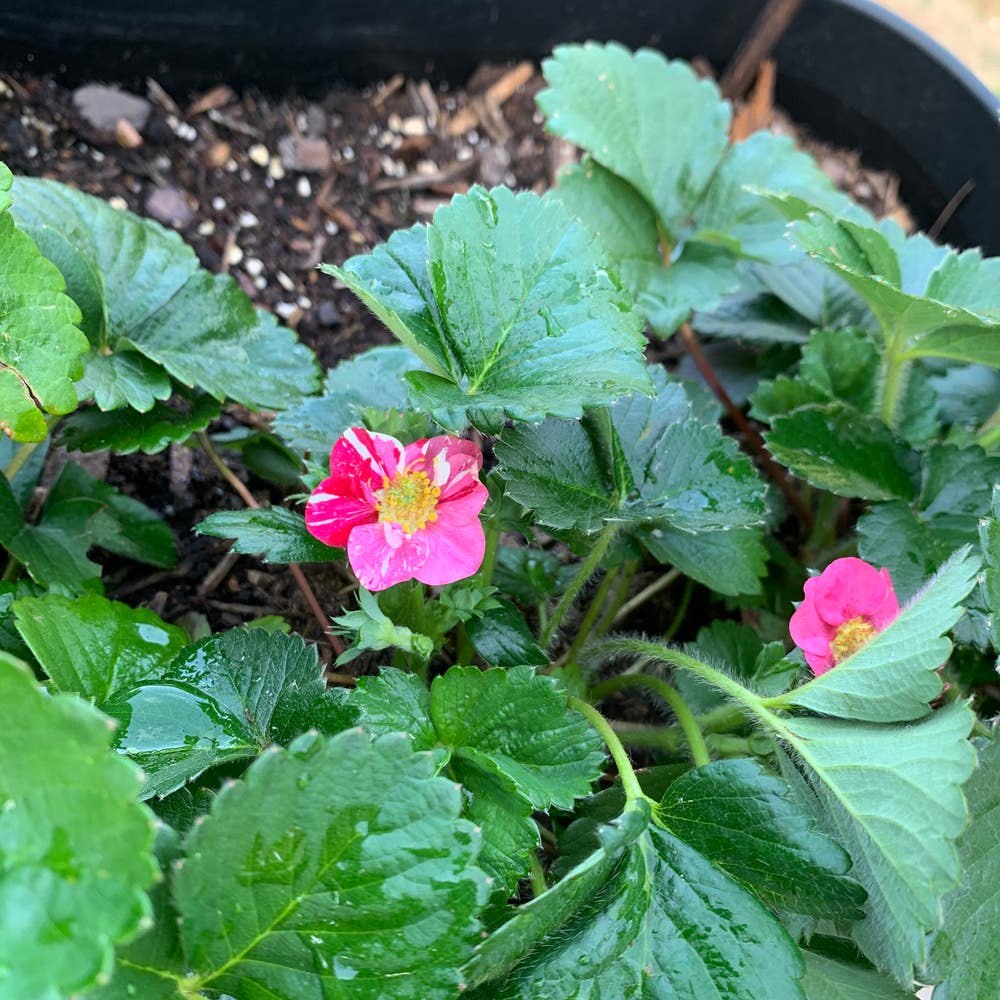
🌼 Everything You Need to Know About Potentilla lipskyana
Potentilla lipskyana
By the Greg Editorial Team
Feb 27, 2025•11 min read
This article was created with the help of AI so we can cover more plants for you. May contain errors. See one? Report it here.
- 🌞 Potentilla lipskyana thrives in full sun and well-drained soils for optimal growth.
- 🌱 Regular watering and balanced fertilizer are essential for healthy plant development.
- 🐝 Attracts pollinators while being drought-resistant, perfect for low-maintenance gardens!
How to Grow
🌞 Choosing a Location
For Potentilla lipskyana, the best light conditions are full sun to partial shade. This plant thrives in well-drained, rocky, or sandy soils, making it an easy choice for many gardeners.
🏗️ Soil Preparation
Before planting, it's essential to test your soil for pH and nutrient levels. Amending the soil with organic matter will enhance its structure, promoting healthier growth.
🌱 Planting Techniques
When planting, ensure the depth is between 1-2 inches. Space your plants 12-18 inches apart to allow for adequate air circulation, which is crucial for their development.
💧 Watering Requirements
After planting, give your Potentilla a thorough initial watering. Moving forward, water the plant when the top inch of soil feels dry to the touch.
🌼 Fertilizing Schedule
Use a balanced NPK fertilizer to nourish your plants. Fertilize once in early spring and again in mid-summer to keep them thriving.
✂️ Pruning Methods
Pruning should be done in late winter or early spring. Focus on removing dead or damaged stems to encourage robust growth and flowering.
🌿 Ongoing Care Tips
Applying mulch around your plants helps retain moisture and suppress weeds. Additionally, regularly monitor for pests and diseases to maintain plant health.
With these straightforward care tips, you'll set your Potentilla lipskyana up for success. Next, let's explore how to propagate this resilient plant!
Propagation
🌱 Seed Propagation
Collecting seeds from Potentilla lipskyana is straightforward. Wait until after flowering, then harvest the seeds for the best results.
Sow these seeds in either spring or fall, ensuring you cover them lightly with soil. This method is easy and can yield great success for new plants.
✂️ Cutting Propagation
For cutting propagation, select healthy stems that are about 4-6 inches long. This ensures you start with robust material that has a better chance of rooting.
Use a rooting medium composed of peat and perlite for optimal growth. Timing is key here; spring or early summer is the best period to take cuttings for successful propagation.
With these methods, you can easily expand your Potentilla lipskyana collection and enjoy its beauty in your garden. Next, let’s explore the lifecycle of this resilient perennial plant.
Lifecycle
🌱 Lifecycle Stages
Potentilla lipskyana is a perennial plant, showcasing a fascinating lifecycle with multiple growth stages. Understanding these stages can enhance your gardening experience and help you nurture this resilient beauty.
🌱 Germination Process
Seeds typically germinate in 14-30 days under optimal conditions. This quick start sets the stage for a robust growth cycle.
🌱 Seedling Stage
Once germinated, the seedling stage lasts about 4-6 weeks. During this time, the young plants establish their roots and begin to develop their first true leaves.
🌱 Vegetative Growth
Following the seedling stage, the vegetative growth phase kicks in. This period, lasting several months, is characterized by the development of leaves and stems, which are crucial for photosynthesis and overall plant health.
🌼 Flowering and Seed Production
Potentilla lipskyana flowers in late spring to early summer. After blooming, it quickly transitions to seed production, ensuring the continuation of its lifecycle.
📅 Growth Timeline
Typically, this plant reaches its full size in 2-3 years. With a moderate growth rate of 12-24 inches annually, it gradually transforms into a stunning addition to your garden.
Understanding the lifecycle of Potentilla lipskyana not only helps in its cultivation but also enriches your gardening journey. Next, let's explore the size of this remarkable plant and what you can expect in terms of height and spread.
Size
Mature Height and Spread 🌱
Potentilla lipskyana typically reaches a height of 12 to 24 inches, making it a versatile choice for various garden settings. Its spread can expand to 18 to 24 inches wide, providing a lovely, bushy appearance.
Growth Rate and Size Variability 📏
Several factors influence the size of Potentilla lipskyana, including soil quality, light exposure, and water availability. Optimal conditions can lead to vigorous growth, while less ideal circumstances may result in smaller plants.
Understanding these variables can help you cultivate a thriving garden filled with vibrant Potentilla lipskyana. With the right care, you can enjoy their beauty and benefits for years to come.
Roots
Root System Characteristics 🌱
Potentilla lipskyana features a fibrous root system that plays a crucial role in soil stabilization. These roots can extend 12-18 inches deep, allowing the plant to anchor itself securely while accessing moisture and nutrients.
The spread of the roots typically exceeds the plant's canopy, which helps it thrive in various soil conditions. This expansive root network not only supports the plant but also contributes to preventing soil erosion.
Common Root-Related Issues ⚠️
One of the most common problems faced by Potentilla lipskyana is root rot, often caused by overwatering. To prevent this issue, ensure good drainage in the planting area.
Identifying healthy roots is essential for maintaining plant health. Healthy roots are firm and white, while unhealthy roots appear dark and mushy, indicating potential problems.
Another issue to watch for is rootbound plants. Signs include roots growing out of drainage holes, which can hinder growth. The solution involves repotting or dividing the plant to encourage healthy development.
Understanding these root characteristics and potential issues will help you cultivate a thriving Potentilla lipskyana. With proper care, your plant will flourish and contribute to a vibrant garden.
Next, let's explore the benefits this resilient plant offers to your landscape.
Benefits
Top 5 Benefits 🌟
Potentilla lipskyana offers a range of benefits that make it a fantastic addition to any garden. Here are the top five reasons to consider this resilient perennial.
Drought Resistance
This plant thrives in dry conditions, significantly reducing your watering needs. Its adaptability makes it perfect for low-maintenance gardens.Soil Stabilization
The fibrous root system of Potentilla lipskyana plays a crucial role in preventing soil erosion. This characteristic is especially beneficial for gardens on slopes or in windy areas.Attracts Pollinators
The bright yellow flowers are not just visually appealing; they also attract bees and butterflies. This helps support local ecosystems and enhances biodiversity in your garden.Low Maintenance
Once established, Potentilla lipskyana requires minimal care. This makes it an ideal choice for busy gardeners or those new to gardening.Aesthetic Appeal
With its vibrant blooms, this plant adds a splash of color to any landscape. Its cheerful flowers can brighten up borders, rock gardens, or even containers.
Incorporating Potentilla lipskyana into your garden not only beautifies your space but also contributes to a healthier environment. With its numerous benefits, it's a plant worth considering for your next gardening project.
Next, let's explore the concept of companion planting and discover which plants pair well with Potentilla lipskyana.
Companion Plants
🌱 Concept of Companion Planting
Companion planting is a gardening technique that enhances biodiversity and improves pest management. By strategically placing plants together, you can create a healthier garden ecosystem.
🌼 Best Companion Plants
When growing Potentilla lipskyana, consider these excellent companions:
- Lavender: This fragrant herb attracts pollinators while repelling pests, making it a perfect partner.
- Sedum: With similar care requirements and drought resistance, sedum complements Potentilla beautifully.
🚫 Plants to Avoid
While some plants thrive alongside Potentilla, others can hinder its growth. Avoid plants that require excessive moisture or compete for nutrients, as they can create an imbalance in your garden.
By choosing the right companions, you can boost the health and beauty of your Potentilla lipskyana while minimizing pest issues. Next, let’s explore the potential toxicity of this plant to humans, dogs, and cats.
Toxicity to Humans
🛡️ Safety of Potentilla lipskyana for Humans
Potentilla lipskyana is considered non-toxic and is not listed as harmful by major health organizations.
However, some individuals may experience minor skin irritation from excessive contact with the plant.
If you notice any unusual symptoms after handling it, it's wise to seek medical advice.
Toxicity to Dogs
Safety of Potentilla lipskyana for Dogs 🐶
Potentilla lipskyana is considered non-toxic for dogs, according to pet poison control centers. This means you can breathe a sigh of relief if your furry friend decides to take a nibble.
However, it's worth noting that consuming large quantities may lead to mild gastrointestinal upset. To keep your dog safe, it's a good idea to keep this plant out of reach and monitor their interactions with it.
Monitoring Interactions 👀
While Potentilla lipskyana is generally safe, always be vigilant. If your dog shows any unusual symptoms after contact, consult your veterinarian for advice.
In summary, this plant can be a lovely addition to your garden without posing a significant risk to your canine companions. Now, let’s explore how Potentilla lipskyana interacts with our feline friends!
Toxicity to Cats
Safety of Potentilla lipskyana for Cats 🐱
Potentilla lipskyana is considered non-toxic to cats, meaning it won't pose a significant threat if your feline friend decides to take a nibble. Major pet poison control centers have not listed it as toxic, so you can breathe a little easier.
Minor Issues ⚠️
While it's safe, excessive consumption might lead to mild gastrointestinal upset. Keep an eye on your cat's behavior and avoid letting them access large quantities of the plant.
Tips for Cat Owners 📝
To ensure your cat stays safe, monitor their interactions with Potentilla lipskyana. If you notice any unusual behavior or symptoms, consult your veterinarian for advice.
In summary, this plant can be a lovely addition to your garden without posing a risk to your furry companions. Now, let’s explore how to effectively manage any common problems that may arise with Potentilla lipskyana.
Problems
Common Problems Faced 🌱
Growing Potentilla lipskyana can be rewarding, but it comes with its share of challenges. Understanding these common problems is key to maintaining a healthy plant.
Incorrect Watering 🚰
Watering issues are among the most frequent problems. Signs of overwatering include yellowing leaves and root rot, while underwatering leads to wilting and dry soil.
Incorrect Light Conditions 💡
Light exposure is crucial for growth. If your plant isn’t getting enough light, you may notice symptoms like leggy growth or pale leaves.
Identifying Unhealthy Plants 🧐
Recognizing unhealthy plants early can save them. Look for yellowing leaves, stunted growth, or wilting as indicators that something is wrong.
Solutions for Common Issues 🛠️
- Overwatering: Reduce watering frequency and ensure good drainage.
- Underwatering: Increase the frequency of watering to keep the soil consistently moist.
- Light Issues: If your plant is struggling, consider relocating it to a sunnier spot.
- Diseases: Treat any signs of disease with appropriate fungicides to prevent further damage.
- Leaf Issues: Adjust your watering and light conditions to promote healthier foliage.
By addressing these common problems proactively, you can enjoy a thriving Potentilla lipskyana in your garden. Next, let’s explore the fascinating world of pests and how to manage them effectively.
Bugs
🛡️ Pest Resistance
Potentilla lipskyana is celebrated for its impressive pest resistance. This hardy plant can thrive with minimal interference from common garden pests, making it a favorite among gardeners.
🐜 Common Pests
Despite its resilience, some pests may still pose a threat.
Spider Mites
Look out for spider mites, identifiable by their fine webbing and stippled leaves. These tiny pests can quickly multiply, so early detection is key.
Aphids
Aphids are another common nuisance, often leaving behind curled leaves and a sticky residue. Their presence can indicate an unhealthy plant environment.
💧 Treatment Methods
If you encounter these pests, don’t worry—there are effective treatment methods available.
- Neem Oil: A natural pesticide that disrupts the life cycle of pests.
- Insecticidal Soap: This option suffocates pests on contact, providing a quick solution.
- Beneficial Insects: Introducing ladybugs or lacewings can help keep pest populations in check.
By staying vigilant and employing these strategies, you can maintain the health and beauty of your Potentilla lipskyana. Next, let’s explore what animals might be interested in snacking on this resilient plant.
What Eats Potentilla lipskyana
🦌 Common Animals
Potentilla lipskyana can attract a few hungry visitors in the garden. Deer are particularly fond of this plant, often leaving telltale signs of their browsing on the leaves and stems.
Rabbits also enjoy munching on the young shoots, which can lead to noticeable damage if left unchecked. Keeping an eye out for these critters is essential for maintaining the health of your Potentilla.
🚫 Damage and Deterrent Methods
To protect your plants from these nibblers, consider using chemical deterrents. Commercial repellents are available, or you can whip up homemade solutions that can effectively keep animals at bay.
Physical barriers are another solid option. Installing fencing or netting around your plants can provide a protective shield, ensuring your Potentilla thrives without unwanted snacking.
By being proactive, you can enjoy the beauty of Potentilla lipskyana without the worry of it becoming a buffet for local wildlife.
⚠️ Safety First
This content is for general information and may contain errors, omissions, or outdated details. It is not medical, veterinary advice, or an endorsement of therapeutic claims.
Always consult a qualified healthcare professional before using any plant as food, medicine, or supplement.
Never eat any plant (or feed one to pets) without confirming its identity with at least two trusted sources.
If you suspect poisoning, call Poison Control (800) 222-1222, the Pet Poison Helpline (800) 213-6680, or your local emergency service immediately.
Spotted an error? Please report it here.
Nurture your Potentilla lipskyana to thrive beautifully 🌱 with Greg's tailored watering reminders and expert tips that will help attract pollinators and enhance your garden's biodiversity!