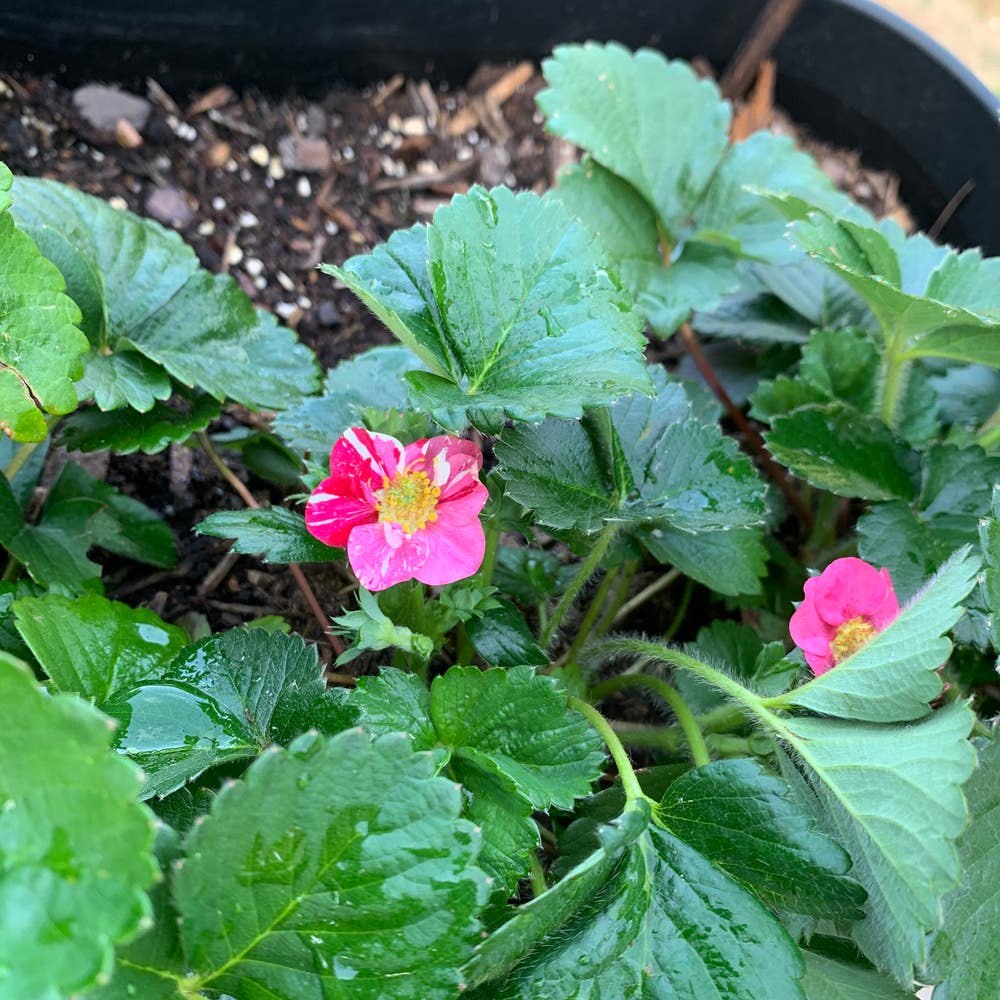
Introduction to Potentilla limprichtii 🌼
Potentilla limprichtii
By the Greg Editorial Team
Feb 27, 2025•11 min read
This article was created with the help of AI so we can cover more plants for you. May contain errors. See one? Report it here.
Elevate your garden's beauty with resilient Potentilla limprichtii, blooming vibrantly in any landscape! 🌼🌱
- 🌞 Potentilla limprichtii needs 6-8 hours of sunlight for optimal growth.
- 🌱 Well-drained, sandy soil with pH 6.0-7.0 is ideal for this plant.
- 🌼 Prune in late winter/spring to maintain shape and remove dead stems.
How to Grow
Choosing a Location 🌞
To thrive, Potentilla limprichtii needs full sun, soaking up 6 to 8 hours of sunlight daily. It prefers well-drained, sandy, or rocky soils, making it a great choice for those challenging garden spots.
Soil Preparation 🧪
Aim for a soil pH between 6.0 and 7.0 for optimal growth. Ensure the soil is loose and drains well to prevent root rot, which can be detrimental to your plant's health.
Planting Techniques 🌱
When planting, space your Potentilla limprichtii 12 to 18 inches apart to allow for optimal growth. Make sure to plant at the same depth as it was in the nursery container to encourage healthy root development.
Watering Requirements 💧
Water your plants regularly until they are established, then let the soil dry out between waterings. Using drip irrigation or soaker hoses is ideal, as these methods help avoid wetting the foliage, which can lead to disease.
Fertilizing 🌼
A balanced, slow-release fertilizer is best for Potentilla limprichtii. Fertilize in early spring and again in mid-summer to support robust growth and flowering.
Pruning ✂️
Prune your plants in late winter or early spring, just before new growth begins. Focus on removing dead or damaged stems and shaping the plant as needed to maintain its form.
Ongoing Care 🔍
Regularly monitor your plants for signs of pests or diseases to catch any issues early. Adjust your watering and fertilizing routines based on seasonal changes to keep your Potentilla limprichtii healthy and vibrant.
With these guidelines, you'll be well on your way to cultivating a thriving Potentilla limprichtii in your garden. Next, let’s explore how to propagate this resilient perennial for even more beauty in your landscape.
Propagation
🌱 Seed Propagation
To propagate Potentilla limprichtii from seeds, start by sowing them in spring. Lightly cover the seeds with soil, ensuring they have enough warmth and moisture to thrive.
Germination typically takes about 2-3 weeks under optimal conditions. Keep the soil consistently moist but not soggy to encourage healthy growth.
✂️ Division of Established Plants
Dividing established plants is a great way to propagate Potentilla limprichtii. The best time to do this is in early spring or fall when the plant is not actively growing.
To divide, carefully dig up the plant and separate it into sections, ensuring each section has roots. This method not only helps in propagation but also rejuvenates the plant.
🌿 Cuttings
Taking cuttings is another effective propagation technique. Use healthy stems that are 4-6 inches long for the best results.
Once you have your cuttings, place them in a moist, well-draining medium. Keep the medium consistently moist until roots develop, which can take a few weeks.
With these propagation methods, you can easily expand your Potentilla limprichtii collection and enjoy its vibrant blooms in various spots around your garden. Now, let’s explore the lifecycle of this resilient perennial.
Lifecycle
🌱 Lifecycle Stages
Potentilla limprichtii is a perennial plant, meaning it lives for multiple years. Its lifecycle includes several key stages: seed germination, seedling stage, vegetative growth, flowering, and seed production.
🌿 Germination and Growth
Germination typically occurs within 2-3 weeks when temperatures hover around 70°F (21°C). This plant can thrive for several years, often lasting 3-5 years before it needs division to maintain health and vigor.
The growth rate of Potentilla limprichtii is moderate, allowing it to reach maturity in about 2-3 years. This steady development makes it a reliable choice for gardeners looking to enhance their landscapes with vibrant blooms over time.
As you nurture your Potentilla limprichtii, remember that its lifecycle is a journey. Each stage brings unique beauty and contributes to the overall health of your garden.
With this understanding of its lifecycle, you can better appreciate the care and attention this resilient plant requires. Now, let’s explore how to propagate Potentilla limprichtii for even more garden beauty.
Size
Mature Dimensions 🌱
Potentilla limprichtii typically reaches a height of 6 to 12 inches. Its spread can extend from 12 to 24 inches, creating a lovely, dense mat of foliage and flowers.
Growth Rate ⏳
This perennial takes about 2 to 3 years to reach its full size. Keep in mind that growth can vary based on factors like soil quality, sunlight exposure, and water availability, so conditions play a crucial role in its development.
As you plan your garden, consider these size characteristics to ensure Potentilla limprichtii fits well within your landscape. Next, let’s explore its root system and how it contributes to the plant's overall health and stability.
Roots
🌱 Root System Characteristics
Potentilla limprichtii features a fibrous root system that spreads widely. This type of root structure is generally shallow but extensive, allowing the plant to efficiently absorb nutrients and water from the surrounding soil.
🩺 Health Indicators
Healthy roots are firm, white, and spread evenly throughout the soil. In contrast, unhealthy roots appear dark, mushy, or foul-smelling, indicating potential rot that needs immediate attention.
⚠️ Common Issues
Root rot is a common problem caused by overwatering. To prevent this, ensure proper drainage in the soil to keep roots healthy.
Another issue is becoming rootbound, which occurs when the roots fill the container. Signs of this include roots growing out of drainage holes, indicating that it’s time to repot or divide the plant.
Understanding these root characteristics and potential issues is crucial for maintaining the health of your Potentilla limprichtii. Proper care will lead to a thriving plant that enhances your garden's beauty.
🌟 Transition to Benefits
Now that we've covered the roots, let's explore the numerous benefits that Potentilla limprichtii brings to your garden.
Benefits
Top Benefits 🌼
Potentilla limprichtii is a stunning addition to any garden, boasting bright yellow flowers that bring a splash of color and vibrancy to landscapes. These cheerful blooms not only enhance visual appeal but also attract pollinators like bees and butterflies, promoting biodiversity in your outdoor space.
Erosion Control 🌍
This hardy plant forms dense mats that help stabilize soil, making it an excellent choice for erosion control. Its ability to thrive in challenging conditions means it can effectively prevent soil loss on slopes and in gardens.
Drought Resistance 💧
Adapted to dry environments, Potentilla limprichtii is perfect for xeriscaping. Its drought resistance allows it to flourish with minimal water, making it a sustainable choice for eco-conscious gardeners.
Cultural Significance 🎨
Beyond its practical benefits, this plant carries cultural significance, symbolizing resilience and beauty in harsh environments. Its presence in your garden can serve as a reminder of nature's ability to thrive against the odds.
Summary 📚
In summary, Potentilla limprichtii offers aesthetic charm, ecological benefits, and cultural value. Incorporating this versatile perennial into your garden not only beautifies your space but also supports the environment and promotes sustainable gardening practices.
As we explore further, let’s dive into the propagation methods for this remarkable plant.
Companion Plants
🌱 Companion Planting Benefits
Companion planting is a fantastic way to enhance your garden's diversity. It promotes healthy growth through symbiotic relationships, allowing plants to support each other in various ways.
🌼 Best Companions
When it comes to Potentilla limprichtii, consider pairing it with drought-tolerant plants like sedums and alpine asters. These companions thrive in similar conditions, ensuring a harmonious garden environment.
On the flip side, avoid planting heavy feeders that require more moisture, such as certain annuals. These plants can compete for resources, potentially stressing your Potentilla and hindering its growth.
By choosing the right companions, you can create a thriving ecosystem that benefits all your plants. This thoughtful approach not only enhances the beauty of your garden but also contributes to its overall health and resilience.
As you plan your garden, remember that the right combinations can make all the difference. With the right companions, your Potentilla limprichtii will flourish, adding vibrant color and life to your landscape.
Next, let’s explore the toxicity of Potentilla limprichtii to humans, dogs, and cats, ensuring you have all the information you need for a safe gardening experience.
Toxicity to Humans
Safety Overview 🌿
Potentilla limprichtii is generally considered safe and is not listed as toxic by major poison control centers or health organizations. This means you can enjoy its beauty in your garden without major concerns.
Minor Issues ⚠️
While the plant is non-toxic, there can be minor issues. Some individuals may experience mild skin irritation or digestive discomfort if they consume it in large quantities.
Caution 🧐
It's always wise to exercise caution with any plant. If you notice unusual symptoms after contact or ingestion, seeking medical advice is the best course of action.
This knowledge allows you to appreciate Potentilla limprichtii without fear, enhancing your gardening experience. Next, let’s explore its safety concerning our furry friends.
Toxicity to Dogs
Safety Overview 🐶
Potentilla limprichtii is not considered toxic to dogs by major pet poison control centers and veterinary organizations. This means you can enjoy this beautiful plant in your garden without worrying about your furry friends getting sick.
Minor Issues ⚠️
While generally safe, consuming large quantities may lead to mild gastrointestinal upset in dogs. It's always a good idea to keep plants out of reach and monitor your dog's behavior around new additions to your garden.
Tips for Dog Owners 🏡
To ensure a safe environment, consider placing Potentilla limprichtii in areas that are less accessible to your pets. Regularly check your dog's interactions with plants, especially if they show interest in nibbling on them.
With a little precaution, you can enjoy the vibrant blooms of Potentilla limprichtii while keeping your canine companions safe.
Toxicity to Cats
Safety Overview 🐱
Potentilla limprichtii is not listed as toxic to cats by major pet poison control centers and veterinary organizations. This means you can enjoy its beauty without worrying about your feline friends.
Minor Issues 🐾
While generally safe, consuming large quantities may lead to mild gastrointestinal upset in cats. It's always a good idea to keep an eye on your pet's behavior around new plants.
Tips for Cat Owners 🏡
Monitor your cat's interactions with Potentilla limprichtii and discourage them from nibbling on non-food plants. This simple precaution can help ensure their safety while you enjoy your garden's vibrant blooms.
As you cultivate your garden, remember that a little awareness goes a long way in keeping both your plants and pets happy.
Problems
Common Issues 🌱
Growing Potentilla limprichtii can be rewarding, but it’s essential to be aware of potential problems that may arise.
Incorrect Watering
One of the most common issues is incorrect watering. Overwatering can lead to yellowing leaves, while underwatering results in wilting.
Incorrect Light Conditions
Light conditions also play a crucial role in plant health. Insufficient light may cause leggy growth, making the plant look weak and unappealing.
Diseases
Fungal diseases can be a concern as well. Powdery mildew and rust are two common issues that can affect the foliage, leading to unsightly leaves.
Root Problems
Root health is vital for overall plant vitality. Root rot often occurs due to poor drainage, and squishy roots are a clear indicator of this problem.
Leaf Issues
Leaf problems can manifest in various ways. Scorching from too much sun or yellowing from nutrient deficiencies can detract from the plant's beauty and vigor.
Addressing Problems 🛠️
To keep your Potentilla limprichtii thriving, monitor these issues closely. Regular checks and timely interventions can help maintain a healthy, vibrant plant.
Next, let’s explore the pests that might challenge your gardening efforts.
Bugs
🐜 Pest Issues
Potentilla limprichtii is generally known for its moderate pest resistance, but it can still attract a few unwelcome visitors. Common pests include spider mites, aphids, and mealybugs, which can disrupt your plant's health if not managed promptly.
🧴 Treatment Options
To combat these pests, consider using insecticidal soap or neem oil. These treatments are effective and environmentally friendly, ensuring your garden remains a safe haven for beneficial insects like ladybugs, which can help keep pest populations in check.
By staying vigilant and employing these strategies, you can maintain the vibrant health of your Potentilla limprichtii while enjoying its beautiful blooms. Next, let’s explore what animals might be interested in munching on your plants and how to deter them effectively.
What Eats
🦌 Common Animals
Potentilla limprichtii can attract a variety of hungry critters.
Deer are notorious for munching on these plants, leaving behind chewed leaves and broken stems as evidence of their visit.
Rabbits also enjoy a snack, often nibbling on young shoots, which can stunt the plant's growth.
Squirrels may dig around the base of the plant, searching for tasty roots or bulbs.
🚫 Deterrent Methods
To protect your Potentilla limprichtii from these foragers, consider a few effective deterrent methods.
Chemical deterrents can be purchased commercially or made at home to keep animals at bay.
For a more organic approach, try fencing or planting deterrent species nearby to create a natural barrier.
By implementing these strategies, you can enjoy the beauty of Potentilla limprichtii without the worry of it becoming a buffet for local wildlife.
⚠️ Safety First
This content is for general information and may contain errors, omissions, or outdated details. It is not medical, veterinary advice, or an endorsement of therapeutic claims.
Always consult a qualified healthcare professional before using any plant as food, medicine, or supplement.
Never eat any plant (or feed one to pets) without confirming its identity with at least two trusted sources.
If you suspect poisoning, call Poison Control (800) 222-1222, the Pet Poison Helpline (800) 213-6680, or your local emergency service immediately.
Spotted an error? Please report it here.
Unlock the full potential of your Potentilla limprichtii 🌼 with Greg's tailored care reminders and expert tips, ensuring your garden blooms beautifully and thrives effortlessly!