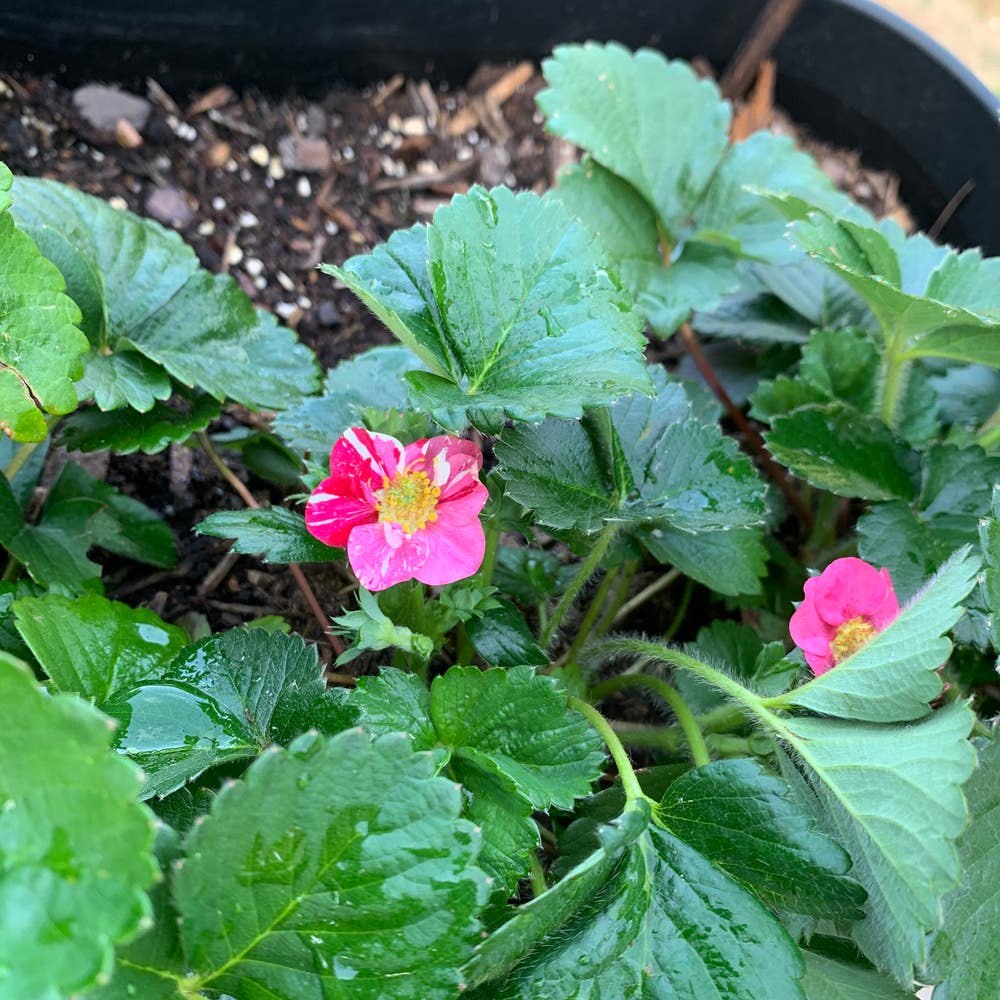
🌼 Introduction to Potentilla lancinata
Potentilla lancinata
By the Greg Editorial Team
Feb 27, 2025•12 min read
This article was created with the help of AI so we can cover more plants for you. May contain errors. See one? Report it here.
- 🌞 Potentilla lancinata thrives in full sun to partial shade; choose the right location!
- 🌱 Well-drained, fertile soil is essential for optimal growth and health.
- 🐝 Attracts pollinators like bees and butterflies, boosting garden biodiversity!
How to Grow
Choosing a Location 🌞
To thrive, Potentilla lancinata prefers full sun to partial shade. When selecting a spot, consider microclimates and ensure some wind protection to help the plant flourish.
Soil Preparation 🌱
This plant thrives in well-drained, fertile soil. Enhance your soil by adding organic matter, which improves both drainage and fertility.
Planting Techniques 🌼
The best times to plant are in spring or fall. Space each plant 12-18 inches apart to allow for optimal growth and airflow.
Watering Requirements 💧
Moderate watering is key; let the soil dry out between sessions. Once established, these plants can tolerate dry conditions, making them relatively low-maintenance.
Fertilizing Guidelines 🌿
Feed your Potentilla lancinata lightly in early spring. A balanced NPK fertilizer works best to support healthy growth.
Pruning Methods ✂️
Prune in late winter or early spring to encourage new growth. Techniques include deadheading spent flowers and removing any dead or damaged foliage.
Ongoing Care Tips 🔍
Keep an eye out for pests and diseases to maintain plant health. Mulching is also beneficial, as it retains moisture and suppresses weeds.
Outdoor vs. Container Growing 🪴
If you're considering container growing, ensure proper drainage and choose an appropriate pot size. Outdoor planting offers benefits like natural pollinator attraction and resilience against environmental stresses.
With these guidelines, you’re well on your way to cultivating a vibrant Potentilla lancinata garden. Next, let’s explore how to propagate this lovely plant effectively.
Propagation
🌱 Seed Propagation
To propagate Potentilla lancinata from seeds, timing is crucial. Collect seeds after flowering, ensuring they are fully mature for the best germination results.
For successful germination, provide a warm, moist environment. This will help the seeds sprout within a few weeks, setting the stage for healthy growth.
✂️ Division Method
Dividing established plants is another effective propagation method. The best time for division is early spring or fall, allowing the plant to recover before the growing season.
When dividing, carefully separate clumps and replant them. This technique not only increases your plant count but also rejuvenates older plants.
🌿 Cutting Propagation
Cutting propagation is a straightforward way to expand your Potentilla collection. Select healthy stems that are 4-6 inches long for the best chance of rooting.
Use a well-draining mix, such as perlite and peat, as your rooting medium. This will provide the ideal conditions for the cuttings to develop roots and thrive.
With these propagation methods, you can easily multiply your Potentilla lancinata and enjoy its beauty in various spots around your garden. Next, let’s explore the lifecycle of this resilient plant.
Lifecycle
Germination Process 🌱
Potentilla lancinata seeds typically germinate within 2-3 weeks under optimal conditions. This phase is crucial, as it sets the stage for healthy growth.
Seedling Stage 🌿
Once germination occurs, the seedling stage lasts about 4-6 weeks until true leaves emerge. During this time, the plant begins to establish its foundation.
Vegetative Growth 🌳
In the vegetative growth phase, the focus shifts to developing a robust foliage and root system. This phase is vital for the plant's overall health and future flowering.
Flowering Phase 🌼
Expect vibrant blooms to appear during the flowering phase, which occurs from late spring to early summer. This is when Potentilla lancinata truly shines, showcasing its bright yellow flowers.
Seed Production 🌾
After flowering, the plant enters the seed production stage, typically in late summer. This is when seeds form, ensuring the continuation of the species.
Growth Timeline and Speed ⏳
Potentilla lancinata takes approximately 1-2 years to reach maturity. Its growth rate is moderate, influenced by seasonal variations and environmental conditions.
Understanding the lifecycle of Potentilla lancinata helps gardeners anticipate its needs and maximize its beauty in the landscape. As we explore the next section, we'll delve into the plant's size and growth characteristics.
Size
Mature Height and Spread 🌱
Potentilla lancinata typically reaches a height of 12 to 24 inches, making it a versatile choice for various garden settings. Its spread ranges from 18 to 24 inches, allowing it to fill space without overwhelming neighboring plants.
Growth Rate 📈
This plant exhibits a moderate growth rate, which can vary based on environmental conditions. Factors such as sunlight, soil quality, and water availability play a significant role in how quickly it develops.
Size Variability Based on Conditions 🌦️
The size of Potentilla lancinata can fluctuate due to several factors. Optimal soil quality, adequate sunlight, and consistent watering will encourage more robust growth, while poor conditions may stunt its development.
Understanding these size characteristics can help you plan your garden layout effectively. With the right care, this plant can thrive and contribute to a vibrant landscape.
Roots
Root System Characteristics 🌱
Potentilla lancinata features a fibrous root system that helps anchor the plant securely in the soil. This type of root structure is beneficial for nutrient absorption and stability.
Depth and Spread of Roots 📏
The typical root depth for this plant ranges from 12 to 18 inches. Its roots spread beyond the plant's canopy, allowing for efficient water and nutrient uptake.
Common Root-Related Issues ⚠️
One of the most common problems faced by Potentilla lancinata is root rot, which occurs due to overwatering. Signs of unhealthy roots include dark, mushy textures that indicate decay.
Identifying Healthy vs. Unhealthy Roots 🔍
Healthy roots are characterized by a firm texture and a white or light tan color. Regularly checking the roots can prevent serious issues down the line.
Recognizing Rootbound Plants 🌿
If you notice roots growing out of the drainage holes, your plant may be rootbound. The solution is simple: consider repotting or dividing the plant to promote healthy growth.
Understanding the root system of Potentilla lancinata is essential for ensuring its health and vitality. With proper care, you can prevent common issues and enjoy a thriving plant in your garden.
Next, we'll explore the various benefits this plant offers to both the environment and your garden aesthetics.
Benefits
🌍 Ecological Benefits
Potentilla lancinata is a fantastic addition to any garden, primarily because it attracts essential pollinators like bees and butterflies. These creatures play a crucial role in maintaining healthy ecosystems, making this plant a valuable ally for biodiversity.
🌼 Aesthetic Appeal
With its bright yellow flowers, Potentilla lancinata adds a vibrant splash of color to your garden. Its cheerful blooms not only enhance visual appeal but also create a welcoming atmosphere for both humans and wildlife.
📜 Cultural Significance
In various cultures, Potentilla lancinata has been utilized in traditional medicine. This historical use highlights the plant's versatility and importance beyond mere decoration.
🐝 Attracting Pollinators
By providing nectar, Potentilla lancinata supports local ecosystems. This plant serves as a food source for pollinators, ensuring they thrive and continue their vital work in nature.
🌱 Erosion Control
Another significant benefit of Potentilla lancinata is its ability to stabilize soil. This characteristic makes it an excellent choice for gardens and landscapes, helping to prevent erosion while promoting a healthy environment.
These benefits make Potentilla lancinata not just a pretty face in the garden but a powerhouse for ecological health and beauty. As we explore more about this remarkable plant, consider how it can fit into your gardening plans.
Companion Plants
🌱 Concept of Companion Planting
Companion planting is all about creating a harmonious garden ecosystem. By pairing plants that benefit each other, you can enhance growth and manage pests more effectively.
🌼 Best Companion Plants
When it comes to Potentilla lancinata, consider these excellent companions:
- Catmint: Attracts beneficial insects while repelling harmful pests.
- Lavender: Offers a fragrant addition and attracts pollinators.
- Yarrow: Enhances soil health and provides habitat for beneficial insects.
These plants not only thrive together but also contribute to a vibrant garden.
🚫 Plants to Avoid
While companion planting can be beneficial, some plants can hinder growth. Avoid heavy feeders that compete for nutrients, as they can stress Potentilla lancinata and limit its potential.
By carefully selecting companion plants, you can create a thriving garden that supports both aesthetics and ecology. This thoughtful approach will lead to a more resilient and beautiful landscape.
Next, let's explore the potential toxicity of Potentilla lancinata to pets and humans.
Toxicity to Humans
Potentilla lancinata is not listed as toxic by major poison control centers, making it a safe choice for gardens and landscapes. However, it's wise to be aware of potential minor issues that can arise from excessive consumption.
Some individuals may experience mild skin irritation or digestive discomfort if they consume large quantities of the plant. If you notice any unusual symptoms, it's best to exercise caution and seek medical advice promptly.
In summary, while Potentilla lancinata is generally safe, moderation is key. Enjoy this beautiful plant in your garden, but remember to handle it with care, especially if you're curious about its edibility.
As we explore further, let's dive into the potential toxicity of Potentilla lancinata for our furry friends.
Toxicity to Dogs
Potentilla lancinata is not listed as toxic by major pet poison control centers, making it a safe choice for dog owners. However, it's always wise to keep an eye on your furry friends, as excessive consumption might lead to mild gastrointestinal upset.
🐶 Tips for Introducing to Homes with Dogs
When introducing Potentilla lancinata to your home, consider its placement carefully. Position the plant in areas that are less accessible to your dog to minimize any potential nibbling.
Monitoring your dog's behavior around the plant is also essential. If you notice any unusual interest, it might be best to relocate the plant or provide distractions to keep your pup engaged elsewhere.
In summary, while Potentilla lancinata poses minimal risk to dogs, a little caution goes a long way in ensuring a harmonious coexistence in your garden. Next, let’s explore how this plant interacts with our feline friends.
Toxicity to Cats
Potentilla lancinata is not considered toxic by major pet poison control centers. This means your feline friends can safely roam around these plants without the risk of serious harm.
However, it's important to note that excessive consumption might lead to mild gastrointestinal upset. Keeping an eye on your cat's behavior can help prevent any minor issues.
🐱 Tips for Introducing to Homes with Cats
When introducing Potentilla lancinata to your home, consider proper placement. Position the plants in areas that are less accessible to your curious cats.
Monitoring your cat's behavior around the plants is also crucial. This way, you can ensure they don't munch on too many leaves, keeping their tummy happy and healthy.
In summary, while Potentilla lancinata poses no significant toxicity risk to cats, a little caution goes a long way. With the right care, you can enjoy the beauty of these plants while keeping your furry companions safe.
Next, let’s explore the potential toxicity of Potentilla lancinata to dogs.
Problems
Common Problems Faced 🌱
Growing Potentilla lancinata can be rewarding, but it's not without its challenges. Here are some common problems you might encounter.
Overwatering 💧
Overwatering is a frequent issue. Signs include yellowing leaves and wilting, which can indicate that the roots are drowning.
Incorrect Light Conditions ☀️
Light conditions play a crucial role in plant health. Too much sun can lead to leaf scorch, while too little can stunt growth.
Diseases 🦠
Fungal diseases, such as powdery mildew, can affect your plant. Keeping an eye on humidity and air circulation can help prevent these issues.
Root Problems 🌿
Root rot is another concern, often caused by poor drainage. Ensure your soil is well-draining to keep the roots healthy.
Leaf Issues 🍃
Yellowing leaves and fuzzy growth can signal pest problems. Regular monitoring can help catch these issues early and keep your Potentilla thriving.
By being aware of these common problems, you can take proactive steps to ensure your Potentilla lancinata remains healthy and vibrant. Next, let’s explore the pests that may affect your plant and how to manage them effectively.
Bugs
🛡️ Pest Resistance
Potentilla lancinata is generally pest-resistant, making it a robust choice for gardens. However, like any plant, it can still fall victim to certain pests.
🐜 Common Pests
Two common pests to watch for are spider mites and aphids.
- Spider Mites: Look for fine webbing and stippled leaves, which indicate their presence.
- Aphids: These tiny insects leave behind a sticky residue and can cause leaves to curl.
🔍 Identification and Treatment Options
Identifying these pests early is key to managing them effectively.
For treatment, consider using:
- Neem Oil: A natural pesticide that disrupts the life cycle of pests.
- Insecticidal Soap: Effective against soft-bodied insects like aphids.
- Beneficial Insects: Introducing ladybugs or lacewings can help keep pest populations in check.
By staying vigilant and employing these strategies, you can maintain the health and beauty of your Potentilla lancinata. Next, let’s explore the various animals that might be interested in munching on your plants.
What Eats
🦌 Common Animals
When it comes to Potentilla lancinata, a few hungry critters might take a liking to your plants. Deer are notorious for browsing on leaves and stems, leaving behind telltale signs of their feasting.
Rabbits also pose a threat, often nibbling on the lower foliage. Their presence can be quite evident, as they tend to leave behind small, clean cuts on the leaves.
⚠️ Damage Caused
The damage caused by these animals can be significant. Leaf stripping can occur, leading to a bare and unsightly plant.
Additionally, stunted growth may result from their constant munching, which can hinder the plant's overall health and flowering potential.
🚫 Deterrent Methods
To protect your Potentilla lancinata from these hungry visitors, consider implementing a few deterrent methods. Fencing is one effective strategy, creating a physical barrier that keeps deer and rabbits at bay.
Repellents can also be useful; various commercial options are available that deter these animals with scents they dislike. Lastly, companion planting strategies can help; by planting species that are less appealing to these animals nearby, you can create a more resilient garden environment.
By taking these steps, you can safeguard your plants and enjoy their beauty without the worry of unwanted nibblers.
⚠️ Safety First
This content is for general information and may contain errors, omissions, or outdated details. It is not medical, veterinary advice, or an endorsement of therapeutic claims.
Always consult a qualified healthcare professional before using any plant as food, medicine, or supplement.
Never eat any plant (or feed one to pets) without confirming its identity with at least two trusted sources.
If you suspect poisoning, call Poison Control (800) 222-1222, the Pet Poison Helpline (800) 213-6680, or your local emergency service immediately.
Spotted an error? Please report it here.
Cultivate a vibrant Potentilla lancinata garden 🌼 with Greg's tailored watering alerts and expert tips, ensuring your plants thrive while attracting pollinators!