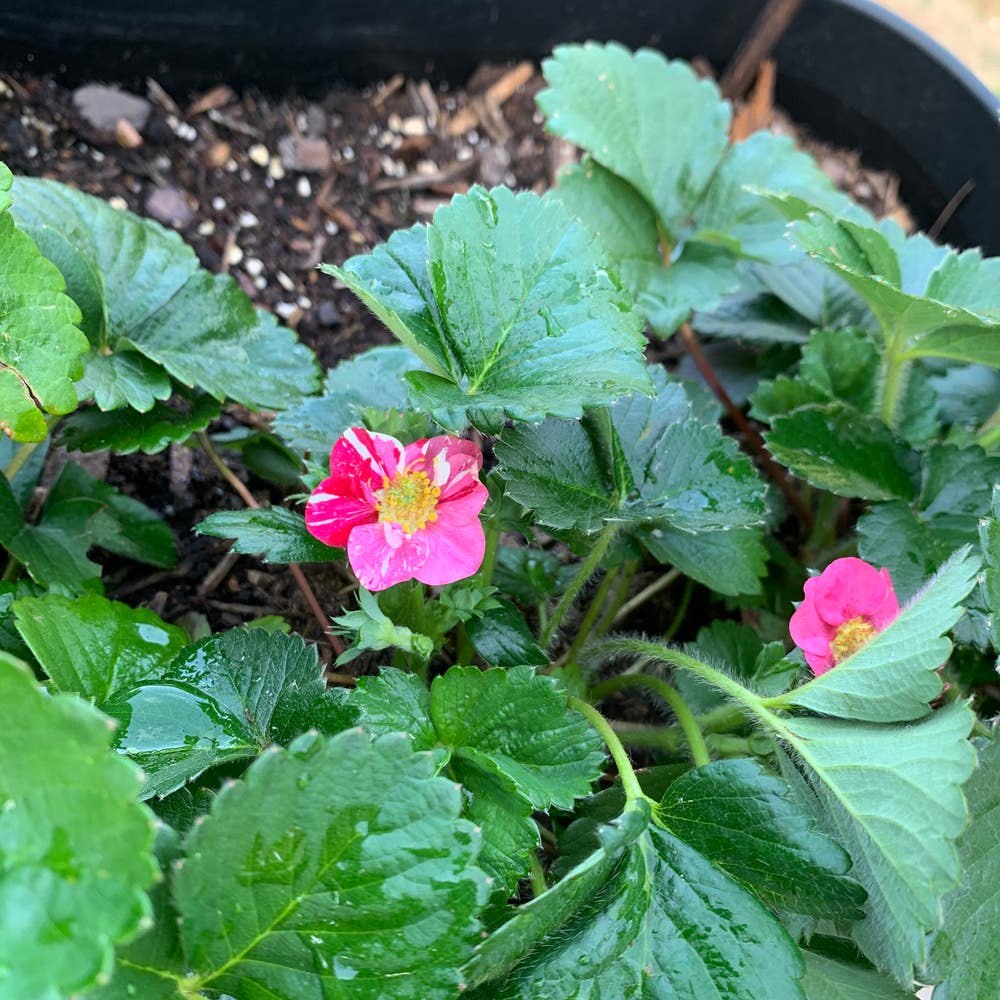
What You Should Know About Potentilla kurramensis
Potentilla kurramensis
By the Greg Editorial Team
Feb 27, 2025•11 min read
This article was created with the help of AI so we can cover more plants for you. May contain errors. See one? Report it here.
Discover how to effortlessly grow Potentilla kurramensis, a stunning and resilient addition to your garden! 🌼
- 🌞 Potentilla kurramensis thrives in full sun, needing at least six hours daily.
- 🌱 Well-drained, sandy soil with pH 6.0-7.0 is ideal for growth.
- 🐝 Attracts pollinators and supports wildlife, enhancing garden biodiversity.
How to Grow
Choosing a Location 🌞
Potentilla kurramensis thrives in full sun to partial shade, requiring at least six hours of sunlight daily. For optimal growth, select a location with well-drained, sandy, or rocky soils.
Soil Preparation 🏜️
Aim for a soil pH between 6.0 and 7.0, as this range supports healthy plant development. Light, well-aerated soil is preferred; heavy clay should be avoided to prevent drainage issues.
Planting Techniques 🌱
When planting, space your Potentilla kurramensis plants 12 to 18 inches apart to allow for adequate growth. Ensure you plant them at a depth of 1 to 2 inches, keeping the crown just above the soil level for best results.
Watering Requirements 🚰
Water your plants regularly until they are established, but be cautious to avoid waterlogging. A soaker hose or drip irrigation system is ideal for maintaining consistent moisture without over-saturating the soil.
Fertilizing 🍽️
Use a balanced, slow-release fertilizer to nourish your plants effectively. Fertilize in early spring and again in mid-summer to support healthy growth throughout the growing season.
Pruning ✂️
Prune your Potentilla kurramensis in late winter or early spring, just before new growth begins. Focus on removing dead or damaged stems to encourage robust and healthy growth.
Ongoing Care 🛡️
Regularly monitor your plants for signs of stress or disease, as early detection is key to maintaining their health. Adjust your watering and fertilizing practices based on seasonal changes to ensure they thrive year-round.
This section sets the foundation for successfully growing Potentilla kurramensis. Next, let’s explore how to propagate this resilient plant for even more garden beauty.
Propagation
🌱 Seed Propagation
To propagate Potentilla kurramensis from seeds, sow them in early spring. Keep the soil moist until germination occurs, which typically takes about 2-3 weeks.
✂️ Division of Established Plants
Dividing established plants is best done in early spring or fall. Carefully dig up the plant, separate it into sections, and replant each section to encourage new growth.
🌿 Cuttings
Taking cuttings is another effective propagation method. Use healthy stems that are 4-6 inches long, removing the lower leaves before placing them in a moist potting mix.
🌊 Rooting
For successful rooting, keep the cuttings in a warm, humid environment. This will help them establish roots and thrive in their new setting.
By understanding these propagation techniques, you can easily expand your Potentilla kurramensis collection or share them with fellow gardening enthusiasts. Next, let’s explore the lifecycle of this resilient plant.
Lifecycle
Lifecycle Stages 🌱
Potentilla kurramensis goes through several distinct stages during its lifecycle. These include seed, seedling, vegetative growth, flowering, and seed production.
Time to Maturity ⏳
This plant typically takes about 2-3 years to reach full maturity. Patience is key, as the wait will reward you with a vibrant display of flowers.
Growth Rate 📈
Under optimal conditions, Potentilla kurramensis can grow up to 12 inches per year. This moderate growth rate makes it a manageable addition to your garden.
Lifespan 🌳
In suitable conditions, this resilient plant can live for several years, often between 5-10 years. With proper care, you can enjoy its beauty for many seasons to come.
As you cultivate Potentilla kurramensis, understanding its lifecycle will help you provide the best care. Next, let's explore how to effectively propagate this lovely plant.
Size
Mature Height and Spread 🌱
Potentilla kurramensis typically reaches a height of 6-12 inches and spreads between 12-24 inches wide. This compact size makes it an excellent choice for ground cover in various garden settings.
Growth Rate and Factors Affecting Size 📈
The growth rate of Potentilla kurramensis is moderate, generally influenced by factors such as soil quality, sunlight exposure, and water availability. Ensuring optimal conditions can enhance its growth and overall health.
Size Variability 📏
Plants thriving in ideal conditions tend to grow larger and denser compared to those in less favorable environments. This variability highlights the importance of proper care and attention to maximize the plant's potential.
As you consider adding Potentilla kurramensis to your garden, remember that its size and growth can be significantly impacted by the care it receives. Next, let’s explore the root system of this resilient plant and how it contributes to its overall health.
Roots
Type of Root System 🌱
Potentilla kurramensis features a primarily fibrous root system. These roots spread horizontally, allowing the plant to efficiently absorb moisture and nutrients from the surrounding soil.
Root Depth and Spread 📏
The roots of this plant are generally shallow. They extend outward rather than deep, which helps in gathering moisture from the surface layer of the soil.
Common Root-Related Issues ⚠️
One common issue is root rot, often caused by overwatering. To prevent this, ensure proper drainage in the planting area.
Another problem is becoming rootbound, which occurs when the roots grow tightly packed within the pot. This can be remedied by repotting or dividing the plant.
Visual Cues for Healthy vs. Unhealthy Roots 👀
Healthy roots are typically firm and white, indicating good vitality. In contrast, unhealthy roots may appear brown and mushy, signaling potential problems that need addressing.
Understanding the root system of Potentilla kurramensis is crucial for its care. Healthy roots lead to a thriving plant, so keep an eye on their condition to ensure your plant flourishes.
Next, we’ll explore the numerous benefits this resilient plant brings to your garden.
Benefits
Attractive Ground Cover 🌼
Potentilla kurramensis is a stunning choice for ground cover, showcasing bright yellow flowers that add a vibrant touch to any garden. Its cheerful blooms create a lively atmosphere, making it a favorite among gardeners.
Low Maintenance and Drought-Resistant 💧
Once established, this plant requires minimal care, thriving in various conditions. Its drought-resistant nature means you can enjoy a beautiful garden without the constant worry of watering.
Enhances Garden Diversity 🌿
Incorporating Potentilla kurramensis into your landscape boosts biodiversity. This plant attracts pollinators and supports local wildlife, contributing to a healthier ecosystem.
Ideal for Rock Gardens and Erosion Control 🪨
Its hardy nature makes it perfect for rock gardens, where it can flourish in rocky, poor soils. Additionally, it helps prevent soil erosion, stabilizing slopes and enhancing the landscape's integrity.
Symbolizes Resilience and Beauty 🌸
This plant embodies resilience, thriving in harsh environments while maintaining its beauty. It serves as a reminder that even in challenging conditions, life can flourish and inspire.
Incorporating Potentilla kurramensis into your garden not only beautifies your space but also supports the environment. Next, let’s explore the best companion plants to pair with this resilient beauty for a thriving garden ecosystem.
Companion Plants
🌱 Companion Planting Benefits
Companion planting is a fantastic way to enhance your garden's diversity and improve pest management. By pairing Potentilla kurramensis with the right plants, you can create a thriving ecosystem that benefits all your greenery.
🌼 Compatible Companion Plants
When selecting companions for Potentilla kurramensis, consider low-growing perennials like sedums and thyme. These plants not only share similar care needs but also complement the aesthetic appeal of your garden.
🚫 Plants to Avoid
Be cautious with plants that require high moisture or heavy feeding. These can compete for resources and hinder the growth of Potentilla kurramensis, so it's best to keep them out of your garden mix.
By choosing the right companions, you can create a harmonious garden environment that supports the health and beauty of Potentilla kurramensis. Next, let's explore the plant's toxicity levels to humans, dogs, and cats to ensure a safe gardening experience.
Toxicity to Humans
Safety for Humans 🌿
Potentilla kurramensis is not listed as toxic by major poison control centers, making it generally safe to handle. This means you can enjoy its beauty without worrying about harmful effects.
Potential Minor Issues ⚠️
While it’s mostly harmless, some individuals may experience mild skin irritation or digestive discomfort if they consume large quantities. It's always good to be aware of how your body reacts to new plants.
Cautionary Advice 🩺
Exercise caution with any plant, including Potentilla kurramensis. If you notice unusual symptoms after contact or ingestion, seek medical advice promptly to ensure your safety.
This plant can be a lovely addition to your garden, but staying informed is key to enjoying it responsibly.
Toxicity to Dogs
Safety for Dogs 🐶
Potentilla kurramensis is not listed as toxic to dogs by major pet poison control centers. This means you can enjoy this beautiful plant without worrying about your furry friends getting harmed.
Potential Minor Issues ⚠️
While generally safe, mild gastrointestinal upset may occur if dogs ingest large quantities of the plant. It's always best to monitor their behavior around new plants to ensure they don’t overindulge.
Tips for Introducing to Homes with Dogs 🏡
To keep your dog safe, place Potentilla kurramensis out of reach. Regularly observe your dog's interactions with the plant to prevent any potential issues.
With a little care, you can enjoy the beauty of this plant while keeping your canine companion safe and sound.
Toxicity to Cats
Safety for Cats 🐱
Potentilla kurramensis is not listed as toxic to cats by major pet poison control centers. This means you can enjoy this beautiful plant without worrying about your feline friends.
Potential Minor Issues 🚨
However, if a cat consumes large quantities, it may experience mild gastrointestinal upset. It's always best to keep an eye on your pet's behavior after they've been around new plants.
Tips for Introducing to Homes with Cats 🏡
When introducing Potentilla kurramensis into your home, proper placement is key. Monitor your cat's behavior and ensure the plant is in areas where they cannot easily access it, keeping both your plant and pet safe.
As you consider adding this lovely plant to your garden, remember to create a safe environment for your furry companions. Next, let’s explore how to manage any potential problems that may arise with Potentilla kurramensis.
Problems
Common Problems 🌱
Potentilla kurramensis can face several challenges that affect its health and growth.
- Incorrect Watering: Overwatering leads to wilting, while underwatering results in crispy leaves.
- Incorrect Light Conditions: If the leaves turn yellow, it may be a sign of insufficient light.
- Incorrect Temperature: Exposure to extreme cold can cause frost damage.
- Diseases: Keep an eye out for powdery mildew and rust; these can be treated with appropriate fungicides.
- Leaf Issues: Scorching or yellowing leaves often indicate nutrient deficiencies or pest problems.
Identification and Causes 🔍
Identifying these symptoms early is crucial for effective care.
Adjust your care routine based on the signs your plant displays. For instance, if you notice wilting, check your watering habits.
Solutions 🛠️
To keep your Potentilla kurramensis thriving, implement a few key strategies.
- Proper Watering: Ensure you’re watering correctly based on the plant's needs.
- Adjust Light Exposure: If light conditions are inadequate, consider relocating the plant.
- Treat Diseases Promptly: Address any signs of disease immediately to prevent spread.
By staying vigilant and responsive to your plant's needs, you can enjoy a healthy, vibrant garden.
Bugs
🐛 Potential Pest Issues
While Potentilla kurramensis is generally pest-resistant, it can still fall victim to a few common pests. Keeping an eye on your plants will help you catch any issues early.
🔍 Identification and Damage
Spider Mites are a primary concern. Look for fine webbing and stippled leaves, which indicate their presence. Treat these pests promptly with insecticidal soap to prevent further damage.
Aphids can also be problematic. They leave a sticky residue and cause leaves to curl. Control aphids effectively using neem oil, which is both safe and efficient.
Mealybugs are another pest to watch for. They appear as cotton-like masses on stems. You can remove them by hand or treat the affected areas with insecticidal soap.
🧪 Treatment Options
Regular monitoring is essential for managing pest issues. Early intervention can save your plants from significant damage.
If you notice any signs of pests, act quickly to apply the appropriate treatments. This proactive approach will help keep your Potentilla kurramensis healthy and thriving.
With the right care, you can enjoy the beauty of this resilient plant without the worry of pest problems.
What Eats
Common Animals 🦌
Potentilla kurramensis can attract a variety of herbivores. Deer, rabbits, and groundhogs are particularly fond of its foliage.
Signs of Animal Presence 🐾
If you notice chewed leaves, tracks, or droppings near your plants, it’s a clear indication that these animals are visiting. Keeping an eye out for these signs can help you take action before significant damage occurs.
Deterrent Methods 🚫
To protect your plants, consider implementing a few effective deterrent strategies. Fencing is a robust option, while repellents can also help keep these critters at bay.
Additionally, planting companion plants that are less appealing to these animals can create a natural barrier. By combining these methods, you can enjoy your Potentilla kurramensis without the worry of unwanted nibblers.
With a little vigilance and some clever tactics, you can safeguard your garden and let your plants thrive.
⚠️ Safety First
This content is for general information and may contain errors, omissions, or outdated details. It is not medical, veterinary advice, or an endorsement of therapeutic claims.
Always consult a qualified healthcare professional before using any plant as food, medicine, or supplement.
Never eat any plant (or feed one to pets) without confirming its identity with at least two trusted sources.
If you suspect poisoning, call Poison Control (800) 222-1222, the Pet Poison Helpline (800) 213-6680, or your local emergency service immediately.
Spotted an error? Please report it here.
Unlock the beauty of Potentilla kurramensis 🌼 in your garden by using Greg's tailored care reminders to keep your plants thriving and attract pollinators effortlessly!