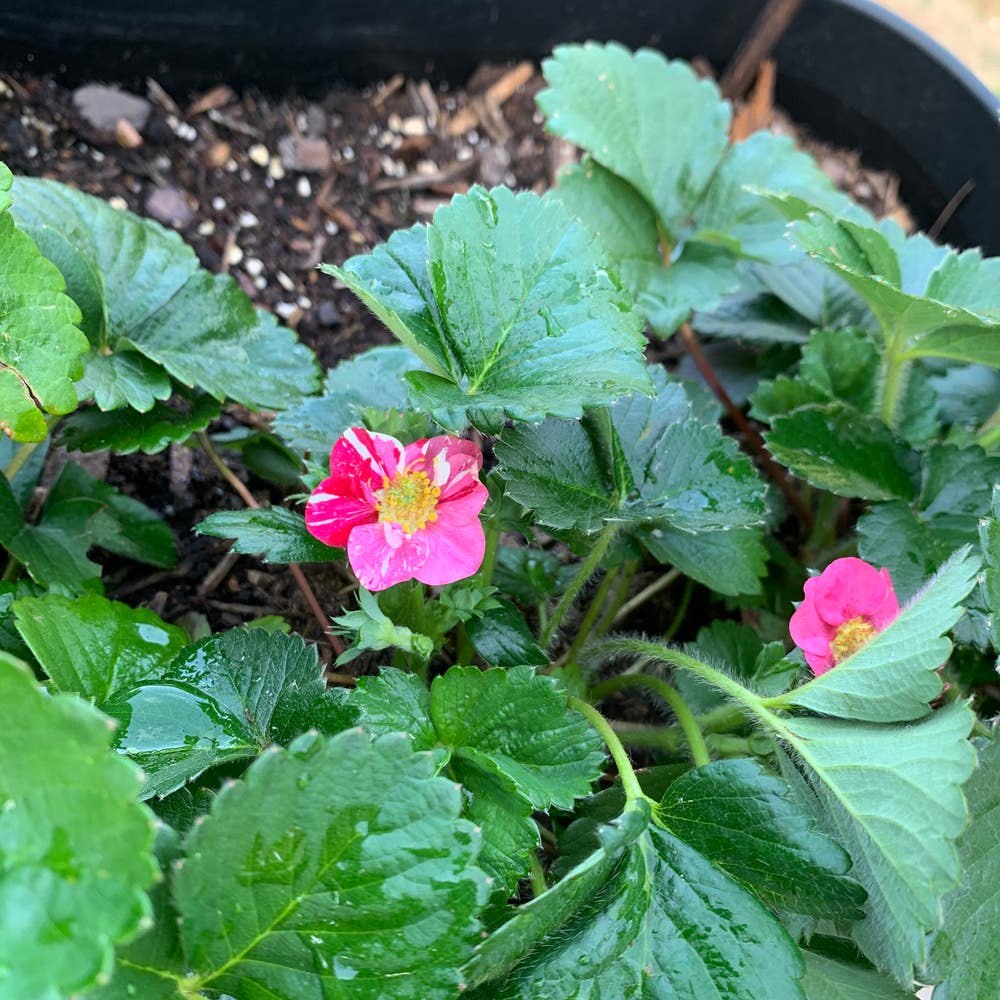
🌼 Introduction to Potentilla ikonnikovii
Potentilla ikonnikovii
By the Greg Editorial Team
Feb 27, 2025•11 min read
This article was created with the help of AI so we can cover more plants for you. May contain errors. See one? Report it here.
Elevate your garden with vibrant Potentilla ikonnikovii blooms 🌼 while attracting pollinators and enjoying effortless care! 🌱
- 🌞 Potentilla ikonnikovii needs 6-8 hours of sunlight daily for optimal growth.
- 🌱 Ideal soil pH is 6.0-7.5; well-drained sandy or loamy soil is best.
- 🐝 Attracts pollinators like bees and butterflies, enhancing garden biodiversity.
How to Grow
Choosing a Location 🌞
To thrive, Potentilla ikonnikovii needs full sun, ideally receiving 6 to 8 hours of sunlight daily. Additionally, ensure the soil is well-drained to prevent root rot, which can be detrimental to the plant's health.
Soil Preparation 🏜️
Aim for a soil pH between 6.0 and 7.5 for optimal growth. This plant prefers well-draining sandy or loamy soil but can tolerate poorer conditions if necessary.
Planting Techniques 🌱
When planting, space your Potentilla ikonnikovii 12 to 18 inches apart to allow for natural clumping growth. Be sure to plant them at the same depth as they were in their nursery containers to ensure a smooth transition.
Watering Requirements 🚰
Water your plants regularly until they are well established, then reduce the frequency. Using drip irrigation or soaker hoses is ideal, as these methods maintain consistent moisture without the risk of waterlogging.
Fertilizing 🍽️
A balanced NPK fertilizer is recommended to support healthy growth. Fertilize in early spring and again in mid-summer to give your plants the nutrients they need.
Pruning ✂️
Prune your Potentilla ikonnikovii in late winter or early spring, just before new growth begins. Focus on removing any dead or damaged stems to encourage robust and healthy growth.
Ongoing Care 🛡️
Regularly monitor your plants for signs of stress or disease to catch any issues early. Adjust your watering and fertilization practices based on seasonal changes to keep your plants thriving throughout the year.
By following these guidelines, you'll set your Potentilla ikonnikovii up for success, ensuring a vibrant and resilient addition to your garden. Next, let’s explore how to propagate this beautiful plant for even more growth opportunities.
Propagation
🌱 Seed Propagation
To propagate Potentilla ikonnikovii from seeds, sow them in spring. These seeds require light for germination, so don't bury them too deep.
Maintain optimal conditions by keeping the soil moist and the temperature around 70°F (21°C). This will encourage successful germination and healthy seedlings.
✂️ Division of Established Plants
Dividing established plants is best done in early spring or fall. This method rejuvenates the plant and allows you to create new ones.
Carefully dig up the plant, divide the root ball into sections, and replant them. Each section should have healthy roots to ensure successful growth.
🌿 Cuttings
Taking cuttings is another effective propagation method. Use healthy stems that are 4-6 inches long, ideally taken in late spring.
For rooting, place the cuttings in a moist potting mix and cover them with plastic. This helps maintain humidity, promoting root development.
With these propagation techniques, you can easily expand your Potentilla ikonnikovii collection and enjoy its vibrant blooms in your garden. Next, let's explore the lifecycle of this resilient plant.
Lifecycle
Lifecycle Stages 🌱
The lifecycle of Potentilla ikonnikovii is a fascinating journey that starts with germination. It progresses through several stages: seedling, vegetative growth, flowering, and ultimately, seed production.
Lifespan ⏳
Typically, this plant enjoys a lifespan of about 3 to 5 years. With proper care, it can thrive and bring beauty to your garden for several seasons.
Growth Rate 📈
Potentilla ikonnikovii has a moderate growth rate. Under ideal conditions, it can reach full maturity in just 2 to 3 years, making it a rewarding addition to any landscape.
This lifecycle overview highlights the resilience and adaptability of Potentilla ikonnikovii. Understanding these stages can help you provide the best care and ensure a flourishing plant in your garden.
Size
Mature Height and Spread 🌱
Potentilla ikonnikovii typically reaches a mature height of 12 to 18 inches. Its spread can extend from 18 to 24 inches, creating a lovely clumping effect in your garden.
Growth Rate and Factors Affecting Size 📈
This plant has a moderate growth rate, which can be influenced by several factors. Soil quality, sunlight exposure, and water availability all play crucial roles in determining how quickly and robustly your Potentilla ikonnikovii will grow.
Size Variability Based on Growing Conditions 🌍
The size of Potentilla ikonnikovii can vary significantly based on environmental conditions. When grown in optimal settings, you can expect larger, healthier plants that truly showcase their vibrant yellow flowers.
Understanding these size characteristics will help you plan your garden layout effectively. With the right care, this plant can become a stunning focal point in your landscape.
Roots
🌱 Type of Root System
Potentilla ikonnikovii features a predominantly fibrous root system that spreads horizontally. This structure allows the plant to efficiently absorb nutrients and water from the surrounding soil.
📏 Root Depth and Spread Characteristics
Typically, the root depth is shallow, around 12 inches. However, these roots can extend beyond the plant's canopy, maximizing nutrient uptake and stability.
⚠️ Common Root-Related Issues
Root rot is a common issue caused by overwatering, which can be prevented by ensuring well-drained soil. Another concern is becoming rootbound, which occurs when roots fill the container, leading to stunted growth and circling roots.
👀 Visual Cues for Healthy vs. Unhealthy Roots
Healthy roots are firm, white, and spread out, indicating a thriving plant. In contrast, unhealthy roots appear dark, mushy, or foul-smelling, signaling potential problems.
🛠️ Solutions for Root Problems
To address root rot, reduce watering and improve drainage to allow the soil to dry out. For rootbound plants, repotting into a larger container or dividing the plant can provide the necessary space for growth.
Understanding the root system of Potentilla ikonnikovii is crucial for its successful cultivation. By monitoring root health and addressing issues promptly, you can ensure a vibrant and flourishing plant.
Next, let’s explore the benefits of growing this delightful perennial in your garden.
Benefits
Attracts Pollinators 🐝
Potentilla ikonnikovii is a magnet for pollinators, enhancing your garden's biodiversity. Bees and butterflies flock to its bright yellow flowers, making your outdoor space a lively hub of activity.
Vibrant Color 🌼
The plant's striking yellow blooms add a splash of color to any garden. This visual interest not only beautifies your landscape but also creates a cheerful atmosphere.
Low Maintenance 🌿
Once established, Potentilla ikonnikovii requires minimal watering and care. This makes it an ideal choice for busy gardeners or those looking for low-maintenance options.
Historical Uses 📜
Historically, this plant has been valued in traditional medicine and landscaping. Its versatility has made it a staple in various gardens, showcasing its enduring appeal.
Ecosystem Support 🌍
Beyond its aesthetic benefits, Potentilla ikonnikovii supports beneficial insects. By contributing to a balanced ecosystem, it plays a crucial role in maintaining garden health.
Incorporating Potentilla ikonnikovii into your garden not only enhances its beauty but also promotes ecological well-being. Next, let’s explore how to propagate this resilient plant for even more gardening success.
Companion Plants
🌱 Companion Planting Benefits
Companion planting is a fantastic strategy for enhancing growth and managing pests. By selecting the right plants to grow together, you can create a thriving garden ecosystem that promotes diversity.
🌼 Recommended Companion Plants
For Potentilla ikonnikovii, consider planting alongside Sedum, Thyme, and Lavender. These companions not only share similar care needs but also possess pest-repellent properties that can help protect your garden.
🚫 Plants to Avoid
Be cautious about planting near aggressive species like Mint. Mint can quickly outcompete your Potentilla for resources, stunting its growth and overall health.
Incorporating companion plants can significantly improve your gardening experience. By fostering a balanced environment, you’ll enjoy a more vibrant and resilient garden. Next, let's explore the potential toxicity of Potentilla ikonnikovii to humans and pets.
Toxicity to Humans
Potentilla ikonnikovii is generally safe for humans, as it is not listed as toxic by major poison control centers. However, it's wise to exercise caution, as consuming large quantities may lead to mild skin irritation or digestive discomfort.
If you experience any unusual symptoms after contact or ingestion, seeking medical advice is always a good idea. Staying informed helps ensure a safe and enjoyable gardening experience!
Toxicity to Dogs
When it comes to Potentilla ikonnikovii, dog owners can breathe a sigh of relief. This plant is not listed as toxic to dogs by major pet poison control centers.
However, moderation is key. Excessive consumption of any plant material may lead to mild gastrointestinal upset in dogs.
To keep your furry friends safe, it's wise to place the plant out of reach. Additionally, monitor your dog's behavior around new plants to ensure they don’t munch on them out of curiosity.
In summary, while Potentilla ikonnikovii is generally safe for dogs, a little caution goes a long way in maintaining their health and happiness.
Next, let’s explore how this plant interacts with our feline companions.
Toxicity to Cats
Potentilla ikonnikovii is not considered toxic to cats by major pet poison control centers. This means you can enjoy this vibrant plant in your garden without worrying about your feline friends.
However, if consumed in large quantities, it may cause mild gastrointestinal upset. It's always a good idea to monitor your cat's behavior around new plants.
To keep your curious kitty safe, place the plant in areas that discourage access. This way, you can enjoy the beauty of Potentilla ikonnikovii while ensuring your cat stays healthy and happy.
As you cultivate your garden, remember that understanding plant safety is key to creating a pet-friendly environment. With the right precautions, you can foster a thriving garden that both you and your pets can enjoy.
Next, let’s explore common problems that may arise while growing Potentilla ikonnikovii.
Problems
Common Problems 🌱
Growing Potentilla ikonnikovii can be rewarding, but it's essential to be aware of common issues that may arise.
Incorrect Watering
Watering can be tricky; overwatering leads to wilting, while underwatering causes leaf drop. Finding the right balance is crucial for healthy growth.
Incorrect Light Conditions
If you notice yellowing leaves, it’s a sign your plant isn’t getting enough light. Ensure it receives full sun for optimal health.
Incorrect Temperature
Cold stress can be detrimental, leading to leaf drop and stunted growth. Protect your plants from extreme temperature fluctuations.
Fungal Issues
Watch out for powdery mildew and rust, which can plague your plants. Good air circulation is key to preventing these fungal problems.
Root Problems
Symptoms like wilting and mushy roots indicate root issues. Improving drainage can help prevent these problems and keep your plants thriving.
By staying vigilant and addressing these common problems, you can ensure your Potentilla ikonnikovii remains healthy and vibrant. Next, let’s explore the pests that might disrupt your gardening success.
Bugs
Common Pests 🐜
When growing Potentilla ikonnikovii, it's essential to keep an eye out for common pests that can affect its health.
Spider Mites
Spider mites are tiny pests that can wreak havoc on your plants. You can identify them by the fine webbing they leave behind and the stippled appearance of the leaves. To combat these pests, treat your plants with insecticidal soap, which effectively eliminates them without harming your plant.
Aphids
Aphids are another frequent visitor to your garden. They leave behind curled leaves and a sticky residue known as honeydew. To control an aphid infestation, neem oil is your best friend; it disrupts their life cycle and keeps them at bay.
Mealybugs
Mealybugs are easily recognizable by their cotton-like masses on stems and leaves. If you spot them, you can either remove them manually or use insecticidal soap to eliminate them.
Regular monitoring and prompt action can keep your Potentilla ikonnikovii thriving and pest-free. With a little vigilance, you can enjoy the vibrant blooms without the worry of unwanted visitors.
Next, let’s explore what animals might be tempted to munch on your beloved plant.
What Eats Potentilla ikonnikovii
🦌 Common Animals
Potentilla ikonnikovii can attract a variety of wildlife, which may pose a threat to its health. Understanding these common animals can help you take preventive measures.
Deer
Deer are notorious for munching on garden plants, and Potentilla ikonnikovii is no exception. Look for signs like chewed leaves and stems. To deter these graceful grazers, consider installing fencing or using repellents that mask the plant's scent.
Rabbits
Rabbits can be quite the nuisance, often leaving behind cleanly cut stems as evidence of their snacking. To protect your plants, use barriers such as wire mesh or apply repellents that make the area less appealing to these furry friends.
Squirrels
Squirrels may dig around the base of your Potentilla ikonnikovii, searching for tasty roots or bulbs. If you notice signs of digging, try using noise-makers or motion-activated devices to keep these critters at bay.
By being aware of these common threats, you can better safeguard your Potentilla ikonnikovii and enjoy its vibrant blooms without worry. Next, let’s explore the various pests that might also target this resilient plant.
⚠️ Safety First
This content is for general information and may contain errors, omissions, or outdated details. It is not medical, veterinary advice, or an endorsement of therapeutic claims.
Always consult a qualified healthcare professional before using any plant as food, medicine, or supplement.
Never eat any plant (or feed one to pets) without confirming its identity with at least two trusted sources.
If you suspect poisoning, call Poison Control (800) 222-1222, the Pet Poison Helpline (800) 213-6680, or your local emergency service immediately.
Spotted an error? Please report it here.
Cultivate a vibrant garden filled with cheerful yellow flowers 🌼 by using Greg's personalized watering reminders and expert advice to ensure your Potentilla ikonnikovii thrives beautifully!