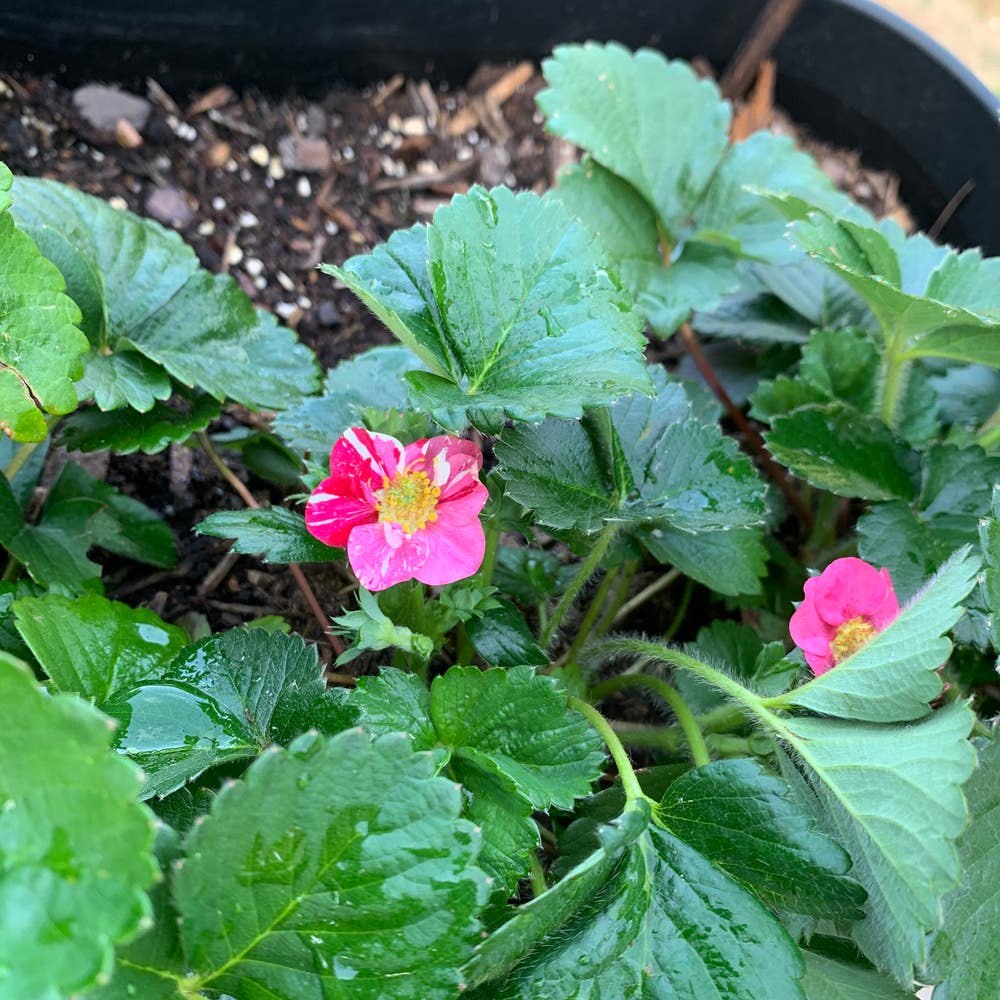
🌼 Overview of Potentilla hispidula
Potentilla hispidula
By the Greg Editorial Team
Feb 27, 2025•11 min read
This article was created with the help of AI so we can cover more plants for you. May contain errors. See one? Report it here.
Elevate your garden with Potentilla hispidula, a vibrant and resilient plant perfect for challenging spots! 🌼🌱
- 🌞 Potentilla hispidula thrives in full sun, needing 6-8 hours of sunlight daily.
- 🌱 Well-drained, sandy soil with pH 6.0-7.0 is ideal for growth.
- 🐾 Not toxic to pets, but avoid excessive contact to prevent mild irritation.
How to Grow
Choosing a Location 🌞
To thrive, Potentilla hispidula needs full sun to partial shade, ideally receiving 6-8 hours of sunlight daily. It prefers well-drained, sandy, or rocky soils, making it a great choice for those challenging garden spots.
Soil Preparation 🏜️
Aim for a soil pH between 6.0 and 7.0 for optimal growth. Good drainage is crucial; it helps prevent root rot, ensuring your plants stay healthy and vibrant.
Planting Techniques 🌱
When planting, space your Potentilla hispidula 12-18 inches apart to allow for optimal growth. Seeds or seedlings should be planted at a depth of about 1/4 inch to encourage strong root development.
Watering Requirements 🚰
Water your plants when the top inch of soil feels dry. Utilizing drip irrigation or soaker hoses can help maintain moisture levels without the risk of waterlogging.
Fertilizing 🍽️
A balanced, slow-release fertilizer works best for Potentilla hispidula. Fertilize once in early spring and again in mid-summer to support healthy growth.
Pruning ✂️
Prune your plants after flowering to promote new growth. This involves removing spent flowers and any dead or damaged foliage, keeping your garden looking tidy.
Ongoing Care 🛡️
Regularly monitor your plants for signs of stress or disease. Adjust your care routine based on seasonal changes, such as reducing watering during the winter months.
With these straightforward steps, you can cultivate a thriving Potentilla hispidula that will add beauty and resilience to your garden. Next, let’s explore how to propagate this hardy plant for even more garden enjoyment.
Propagation
🌱 Seed Propagation
To propagate Potentilla hispidula from seeds, sow them in early spring. Under optimal conditions, you can expect germination within 2-3 weeks, making it a straightforward method for expanding your garden.
✂️ Division of Established Plants
Dividing established plants is another effective propagation technique. The best time for this is early spring or fall; simply dig up the plant, divide the root ball into sections, and replant them immediately to ensure they thrive.
🌿 Cuttings
Taking cuttings is a reliable way to propagate this hardy plant. Choose healthy stems, cut just below a node, and place them in a rooting medium to encourage growth.
🌊 Rooting Process
Keep your cuttings moist and in indirect light until roots develop, which typically takes about 2-4 weeks. This method not only helps you multiply your plants but also allows you to experiment with different locations in your garden.
With these propagation methods, you can easily expand your Potentilla hispidula collection. Next, let’s explore the lifecycle of this resilient plant and understand its growth stages.
Lifecycle
Lifecycle Stages 🌱
Understanding the lifecycle of Potentilla hispidula is crucial for successful cultivation.
Seed Germination: This initial stage takes about 2-3 weeks, where seeds begin to sprout under the right conditions.
Seedling Stage: After germination, seedlings develop true leaves within 4-6 weeks, marking their transition to a more established plant.
Vegetative Growth: During spring and summer, the plant enters a rapid growth phase, expanding its foliage and preparing for flowering.
Flowering: Expect vibrant blooms from late spring to early summer, adding a splash of color to your garden.
Seed Production: Following flowering, seeds develop in late summer, ensuring the cycle continues.
Lifespan and Growth Rate ⏳
Potentilla hispidula is a resilient plant with a lifespan of 3-5 years under optimal conditions.
Its moderate growth rate means it typically reaches maturity in about 2 years, making it a rewarding addition to any garden.
With proper care, you can enjoy its beauty and benefits for several seasons.
This lifecycle knowledge helps you anticipate the plant's needs and maximize its potential in your landscape.
Size
Mature Height and Spread 🌱
Potentilla hispidula typically reaches a mature height of 12-18 inches and spreads out to about 18-24 inches. This compact size makes it an excellent choice for various garden settings, from borders to rock gardens.
Growth Rate ⏳
This plant generally takes around two years to achieve its full height and spread. With the right conditions, you’ll see it flourish and fill its designated space beautifully.
Size Variability 📏
Several factors can influence the size of Potentilla hispidula. Sunlight exposure, soil quality, and water availability all play crucial roles in determining how robust and expansive your plants will grow.
In summary, understanding the size characteristics of Potentilla hispidula can help you plan your garden layout effectively. Next, let’s explore the fascinating lifecycle of this resilient plant.
Roots
Description of Root System 🌱
Potentilla hispidula features a fibrous root system. This structure is essential for soil stabilization and effective moisture absorption.
Root Depth and Spread 📏
The roots typically extend 12-18 inches deep. They can spread significantly outward, which enhances the plant's drought resistance.
Common Root-Related Issues ⚠️
Root rot is a common problem caused by overwatering, leading to symptoms like wilting and yellowing leaves. Another issue is becoming rootbound, where roots fill the pot, resulting in stunted growth and roots growing out of drainage holes.
Visual Cues for Healthy vs. Unhealthy Roots 👀
Healthy roots are firm, white, and spread evenly throughout the soil. In contrast, unhealthy roots appear dark, mushy, or emit a foul smell, indicating rot.
Solutions for Root Problems 🛠️
If your plant becomes rootbound, consider repotting it into a larger container. Additionally, using well-draining soil can help prevent root rot and promote healthier growth.
Understanding the root system of Potentilla hispidula is crucial for its care. By monitoring root health and addressing issues promptly, you can ensure your plant thrives beautifully.
Next, let’s explore the benefits of this resilient plant and why it deserves a spot in your garden.
Benefits
Top 5 Benefits 🌟
Potentilla hispidula is a fantastic addition to any garden, offering a range of benefits that go beyond mere aesthetics.
Aesthetic Appeal
The bright yellow flowers of Potentilla hispidula bring a vibrant splash of color to your landscape. They bloom abundantly, creating a cheerful atmosphere that can uplift any garden space.
Erosion Control
This hardy plant excels at stabilizing soil, especially in rocky or sloped areas. Its robust root system helps prevent erosion, making it a practical choice for challenging terrains.
Attracts Pollinators
Potentilla hispidula is a magnet for pollinators like bees and butterflies. By planting it, you contribute to the health of local ecosystems and support these essential creatures.
Drought Resistance
Low maintenance is one of the standout features of this plant. Potentilla hispidula thrives in poor soil conditions and requires minimal watering, making it ideal for drought-prone areas.
Cultural Significance
Beyond its beauty and practicality, this plant has a place in traditional medicine and landscaping. Its resilience and adaptability have made it a valued choice in various cultural practices.
Incorporating Potentilla hispidula into your garden not only enhances its beauty but also supports the environment and reduces maintenance efforts. Next, let’s explore the best companion plants to pair with this resilient beauty.
Companion Plants
🌱 Companion Planting Benefits
Companion planting is a fantastic way to boost your garden's health and diversity. By pairing plants wisely, you can enhance pest management and create a more vibrant ecosystem.
🌼 Best Companion Plants
When considering companions for Potentilla hispidula, look for other perennials like lavender and salvia. These plants share similar care requirements, making them ideal partners.
Additionally, incorporating pest-repellent plants such as marigolds can help keep harmful insects at bay. Their vibrant blooms not only add beauty but also serve a practical purpose in your garden.
🚫 Plants to Avoid
Be cautious about planting Potentilla hispidula near heavy feeders. These plants require high nutrient levels and may compete for resources, potentially stunting growth and overall health.
By choosing the right companions, you can create a thriving garden that supports the health of all its inhabitants. This thoughtful approach to planting will lead to a more resilient and beautiful landscape.
Toxicity to Humans
Potentilla hispidula is not recognized as toxic by major poison control centers. This means you can enjoy its beauty in your garden without worrying about severe health risks.
However, it's important to note that excessive contact with the plant may cause mild skin irritation. Additionally, if ingested in large quantities, it could lead to minor digestive discomfort.
⚠️ Caution is Key
While Potentilla hispidula is generally considered safe, exercising caution is always wise. If you experience any unusual symptoms after contact or ingestion, seeking medical advice is recommended.
By being informed and cautious, you can appreciate this resilient plant without any worries. Now, let’s explore its effects on our furry friends!
Toxicity to Dogs
Potentilla hispidula is not considered toxic to dogs, according to major pet poison control centers. This means you can enjoy this beautiful plant in your garden without worrying about your furry friends getting sick.
However, if your dog consumes large amounts of the plant, it may experience mild gastrointestinal upset. Keep an eye on your pet's behavior around new plants to ensure they don't munch on them excessively.
🐶 Tips for Pet Owners
- Keep plants out of reach: Position Potentilla hispidula where your dog can't easily access it.
- Monitor behavior: Watch for any unusual interest or nibbling, especially when introducing new plants to your garden.
By taking these simple precautions, you can enjoy the beauty of Potentilla hispidula while keeping your dog safe and healthy. Now, let's explore how this plant interacts with cats!
Toxicity to Cats
Potentilla hispidula is not considered toxic to cats according to major pet poison control centers. This means you can enjoy this beautiful plant in your garden without worrying about your feline friends.
However, if a cat consumes too much of it, they may experience mild gastrointestinal upset. It's always a good idea to monitor your pets around new plants.
🐱 Tips for Cat Owners
Placement: Position your Potentilla hispidula where cats cannot easily access it. This helps prevent any potential nibbling.
Observation: Keep an eye on your cats' behavior around the plant. If they show unusual interest, it might be worth redirecting their attention elsewhere.
By taking these simple precautions, you can enjoy the beauty of Potentilla hispidula while ensuring your cats remain safe and healthy.
Next, let’s explore the potential problems that can arise when growing this resilient plant.
Problems
Common Problems 🌱
Growing Potentilla hispidula can be rewarding, but it’s not without its challenges. The most common issues include incorrect watering, which can lead to root rot from overwatering or wilting from underwatering.
Light and Disease Issues 💡
Insufficient light can cause leggy growth, while diseases like powdery mildew and rust may also affect the plant. Additionally, leaf issues such as scorching or yellowing leaves often indicate environmental stress.
Symptoms and Causes 🩺
Recognizing symptoms early can save your plants. Overwatering typically results in yellowing leaves and mushy roots, while underwatering leads to wilting and dry leaves.
Light-Related Problems ☀️
Light issues manifest as stunted growth and a leggy appearance. These signs indicate that your Potentilla may not be receiving the optimal amount of sunlight.
Solutions 🛠️
To combat these problems, adjust your watering schedule based on the moisture level of the soil. If your plant is not thriving, consider relocating it to a sunnier spot to ensure it receives adequate light.
Final Thoughts 💭
By staying vigilant and responsive to your plant's needs, you can help your Potentilla hispidula flourish. With the right care, you’ll enjoy its beauty and resilience for years to come.
Bugs
Potential Pest Issues 🐜
While Potentilla hispidula is generally pest-resistant, it can still face challenges from certain pests. Keeping an eye on your plants will help you catch any issues early.
Identification and Damage 🔍
- Spider Mites: Look for fine webbing on leaves, which can lead to discoloration.
- Scale Insects: These pests leave a sticky residue and cause yellowing leaves.
- Aphids: They can cause curling leaves and stunt growth, making them a nuisance.
Treatment Options 💊
To combat these pests effectively, consider using Neem oil, which works well against a variety of insects. Alternatively, insecticidal soap is a safe option for treating affected plants without harming them.
By staying vigilant and employing these treatments, you can keep your Potentilla hispidula healthy and thriving. Next, let’s explore what animals might be interested in munching on your plants.
What Eats
🦌 Common Animals
Potentilla hispidula can attract a few common garden visitors.
- Deer: Look for signs like chewed leaves and broken stems.
- Rabbits: Evidence includes clipped stems and missing foliage.
- Squirrels: These critters may dig around the base of the plant.
🕵️♂️ Signs of Presence
Identifying these animals can help you protect your plants.
- Deer: Keep an eye out for tracks and droppings near your Potentilla.
- Rabbits: Nibbled edges of leaves are a clear indicator of their presence.
🚫 Deterrent Methods
To keep these animals at bay, consider a few effective strategies.
- Chemical repellents: Commercial deer or rabbit repellents can be quite effective.
- Organic methods: Planting strong-smelling herbs nearby can naturally deter these pests.
By being proactive, you can enjoy the beauty of Potentilla hispidula without the worry of unwanted munchers. Next, let’s explore how to tackle common problems that may arise while growing this resilient plant.
⚠️ Safety First
This content is for general information and may contain errors, omissions, or outdated details. It is not medical, veterinary advice, or an endorsement of therapeutic claims.
Always consult a qualified healthcare professional before using any plant as food, medicine, or supplement.
Never eat any plant (or feed one to pets) without confirming its identity with at least two trusted sources.
If you suspect poisoning, call Poison Control (800) 222-1222, the Pet Poison Helpline (800) 213-6680, or your local emergency service immediately.
Spotted an error? Please report it here.
Unlock the full potential of your Potentilla hispidula 🌼 with Greg's tailored care reminders and expert tips, ensuring your garden thrives while attracting pollinators and resisting pests!