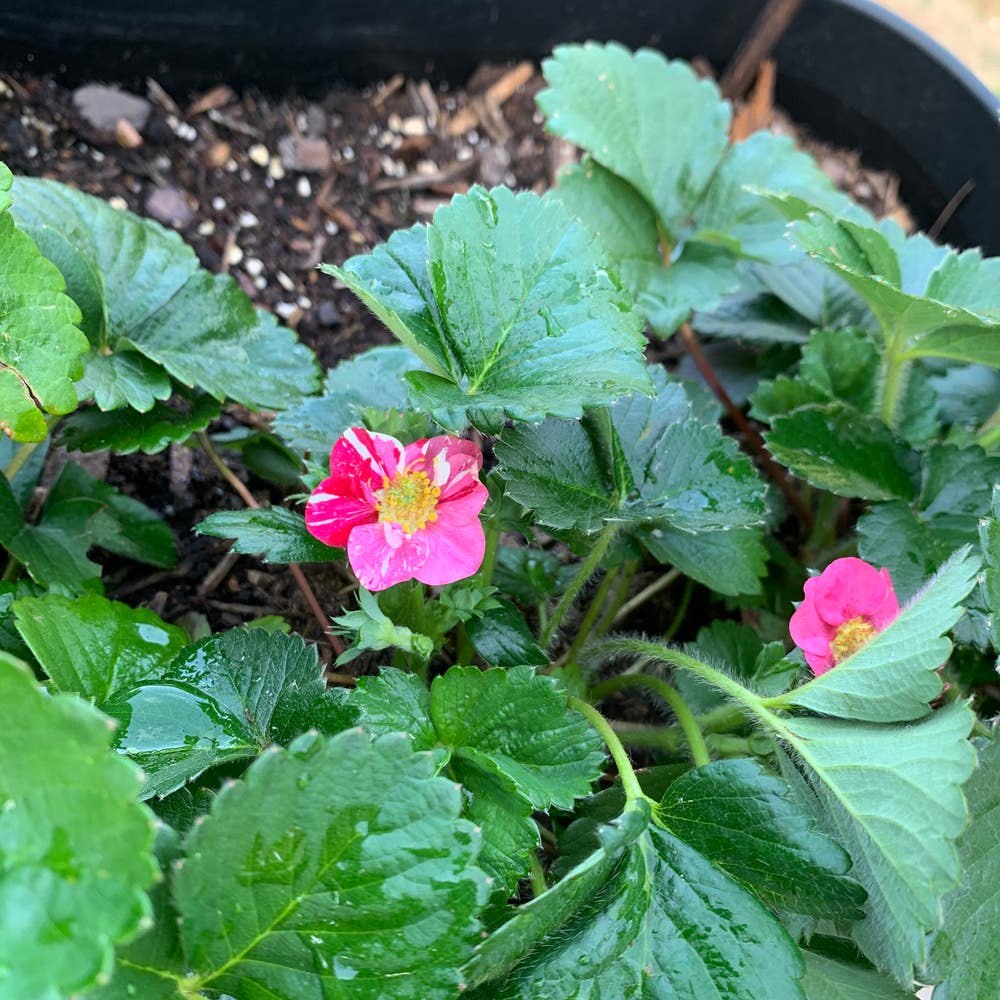
Potentilla hispanica: A Comprehensive Overview
Potentilla hispanica
By the Greg Editorial Team
Feb 27, 2025•13 min read
This article was created with the help of AI so we can cover more plants for you. May contain errors. See one? Report it here.
Elevate your garden with Potentilla hispanica, a resilient perennial that thrives in diverse conditions! 🌼🌱
- 🌞🌱 Potentilla hispanica thrives in full sun with well-drained, fertile soil for optimal growth.
- 💧✂️ Water consistently until established; prune in late winter for robust flowering.
- 🐝🌼 Attracts pollinators and controls erosion, making it a valuable addition to gardens.
How to Grow
🌞 Choosing a Location
To thrive, Potentilla hispanica prefers full sun to partial shade. It also requires well-drained, fertile soil to support its growth.
When deciding between outdoor or container growing, consider the space available. Outdoor planting allows for more extensive root development, while containers offer flexibility and mobility.
🏗️ Soil Preparation
Preparing the soil is crucial for healthy growth. Amend the soil with organic matter and compost to enhance fertility.
Aim for a pH level between 6.0 and 7.0 for optimal results. This range supports nutrient availability and overall plant health.
🌱 Planting Techniques
When planting, ensure the seeds or seedlings are placed 1-2 inches deep in the soil. Space them 12-18 inches apart to allow for adequate air circulation and growth.
Proper spacing is essential for preventing overcrowding, which can lead to disease.
💧 Watering Requirements
Initially, keep the soil consistently moist until the plants are established. This helps them develop a strong root system.
Once established, Potentilla hispanica can tolerate moderate drought conditions. Adjust your watering schedule based on rainfall and temperature.
🌼 Fertilizing Schedule
Fertilize your plants early in spring and again in mid-summer. A balanced NPK fertilizer will provide the necessary nutrients for healthy growth.
Regular fertilization supports blooming and overall vigor.
✂️ Pruning Methods
Prune your Potentilla hispanica in late winter or early spring before new growth begins. This timing encourages robust flowering.
Techniques include deadheading spent flowers and shaping the plant for a fuller appearance. Pruning not only enhances aesthetics but also promotes new growth.
🌿 Ongoing Care Tips
Mulching is a great practice to help retain moisture and suppress weeds. A layer of organic mulch can significantly benefit your plants.
Additionally, keep an eye out for pests and diseases. Regular monitoring ensures early detection and management.
🏡 Outdoor vs. Container Growing
For container growing, ensure pots have adequate drainage holes and are of appropriate size. This prevents waterlogging and supports healthy root development.
When planting outdoors, focus on soil preparation and proper spacing. Both methods can yield beautiful results with the right care.
Transitioning to propagation techniques, let's explore how to multiply your Potentilla hispanica effectively.
Propagation
Seed Propagation 🌱
To propagate Potentilla hispanica from seeds, sow them at a depth of 1/4 inch. Expect germination to take between 14 to 30 days, depending on environmental conditions.
Cutting Propagation ✂️
Cuttings are another effective method for propagation. Select healthy cuttings that are 4-6 inches long and place them in a well-draining rooting medium, such as a mix of perlite and peat.
Division Propagation 🌿
Division is best done in early spring or fall. Carefully separate the root clumps and replant them to encourage new growth and maintain plant health.
This propagation knowledge sets the stage for understanding how to cultivate and enjoy Potentilla hispanica in your garden. Next, let’s explore the lifecycle of this resilient perennial.
Lifecycle
Lifecycle Stages 🌱
Potentilla hispanica is a perennial plant, meaning it lives for more than two years. This longevity allows it to thrive in various conditions, making it a resilient choice for gardeners.
Germination Process 🌡️
For successful germination, maintain an optimal temperature between 65°F to 75°F (18°C to 24°C). This warm environment encourages seeds to sprout effectively.
Seedling Stage 🌿
The seedling stage lasts about 4-6 weeks, during which young plants develop their initial leaves and root systems. This period is crucial for establishing a strong foundation before transplanting.
Vegetative Growth 🌳
Expect vegetative growth to occur from late spring to early summer. During this time, the plant focuses on expanding its foliage and building energy reserves.
Flowering Phase 🌼
Potentilla hispanica typically blooms in late spring to early summer. The bright yellow flowers not only enhance garden aesthetics but also attract pollinators.
Seed Production 🌾
Seed production occurs from late summer to early fall. After flowering, the plant shifts its energy towards developing seeds, ensuring the continuation of its lifecycle.
Growth Timeline and Speed ⏳
This plant takes approximately 2 years to reach maturity, showcasing a moderate growth rate. With proper care, you can enjoy its beauty and benefits in your garden within this timeframe.
Size
Mature Height and Spread 🌱
Potentilla hispanica typically reaches an average height of 12 to 24 inches. Its spread is equally impressive, ranging from 18 to 24 inches, making it a robust addition to any garden.
Growth Rate ⏳
This perennial exhibits a moderate growth rate, taking about 2 to 3 years to reach its full size. Patience is key, but the wait is worth it for the vibrant blooms it will eventually produce.
Size Variability Based on Conditions 🌦️
The size of Potentilla hispanica can vary significantly based on environmental factors. Key influences include soil quality, sunlight exposure, and water availability, all of which play a crucial role in determining how well this plant thrives.
Understanding these aspects can help you create the ideal conditions for your Potentilla hispanica, ensuring it flourishes beautifully in your garden. Next, let’s explore the fascinating lifecycle of this resilient plant.
Roots
Root System Characteristics 🌱
Potentilla hispanica features a fibrous root system. This type of root structure helps the plant absorb nutrients efficiently and stabilize itself in the soil.
Depth and Spread of Roots 📏
Typically, the roots extend 12 to 18 inches deep. They can spread beyond the plant's canopy, allowing for better nutrient uptake and stability.
Common Root-Related Issues ⚠️
One of the most common problems is root rot, which occurs due to overwatering. Signs of unhealthy roots include dark, mushy textures that indicate decay.
Identifying Healthy vs. Unhealthy Roots 🔍
Healthy roots are firm and exhibit a white or light tan color. In contrast, unhealthy roots appear dark, soft, or may even emit a foul smell, signaling a need for intervention.
Recognizing Rootbound Plants 🪴
If you notice stunted growth or roots growing out of drainage holes, your plant may be rootbound. The solution is simple: repot the plant into a larger container to give it room to thrive.
Understanding the root system of Potentilla hispanica is crucial for its overall health. By monitoring root conditions, you can ensure your plant remains vibrant and flourishing.
Benefits
Top 5 Benefits 🌟
Erosion Control
Potentilla hispanica plays a crucial role in stabilizing soil, making it an excellent choice for gardens and landscapes prone to erosion. Its fibrous root system helps hold the soil in place, preventing runoff and loss of valuable topsoil.Attracts Pollinators
This plant is a magnet for pollinators, including bees and butterflies. By incorporating Potentilla hispanica into your garden, you support local ecosystems and contribute to the health of pollinator populations.Ornamental Appeal
With its bright yellow flowers, Potentilla hispanica adds a splash of color to any garden. Its aesthetic charm enhances the overall beauty of your outdoor space, making it a favorite among gardeners.Drought Tolerance
Once established, this plant exhibits impressive drought tolerance. Its low water requirements make it an ideal choice for sustainable gardening, allowing you to conserve water while still enjoying a vibrant garden.Traditional Herbal Uses
Historically, Potentilla hispanica has been utilized in folk remedies. Its leaves and flowers have been used for various traditional herbal applications, showcasing its versatility beyond mere decoration.
Cultural Significance 🌍
Potentilla hispanica symbolizes resilience and beauty in traditional gardens. Its ability to thrive in various conditions reflects the strength of nature, making it a beloved choice for gardeners who appreciate both its practical benefits and its cultural heritage. By planting this species, you not only beautify your space but also connect with a rich history of gardening and herbalism.
As we explore the next section, consider how these benefits can enhance your gardening experience and contribute to a thriving ecosystem.
Companion Plants
🌱 Concept of Companion Planting
Companion planting is a gardening technique that enhances diversity and promotes healthier plants. By pairing compatible plants, you can improve pest management and create a more vibrant garden ecosystem.
🌼 Best Companion Plants
When growing Potentilla hispanica, consider these excellent companions:
- Lavender: This fragrant herb not only attracts pollinators but also repels pests.
- Salvia: Known for its drought tolerance, Salvia shares similar care needs with Potentilla.
- Other drought-tolerant plants: These can thrive alongside Potentilla, ensuring a harmonious garden.
These plants work well together due to their similar requirements for sunlight and water, making maintenance easier.
🚫 Plants to Avoid
Be cautious with heavy feeders like tomatoes or corn. These plants can compete for nutrients, potentially stunting the growth of Potentilla hispanica.
By choosing the right companions, you can create a thriving garden that benefits from the strengths of each plant. This thoughtful approach not only enhances beauty but also fosters a healthier growing environment.
As you plan your garden, consider how these relationships can improve your overall gardening experience. Next, let's explore the fascinating topic of toxicity and safety regarding Potentilla hispanica for humans and pets.
Toxicity to Humans
Safety for Humans 🛡️
Potentilla hispanica is generally considered safe for humans, as it is not listed as toxic by major poison control centers. However, if consumed in large quantities, it may cause mild skin irritation or digestive discomfort.
Always exercise caution and seek medical advice if you experience any unusual symptoms after contact or consumption. It's better to be safe than sorry when it comes to plant interactions!
Toxicity to Dogs
Safety for Dogs 🐶
Potentilla hispanica is not considered toxic by major pet poison control centers. This means your furry friends can safely roam around your garden without the risk of serious harm.
However, if dogs consume large quantities, they may experience mild gastrointestinal upset. It's always a good idea to keep an eye on their behavior after they've been in the garden.
Tips for Pet Owners 📝
To ensure your dog's safety, place Potentilla hispanica out of reach. Regularly monitor your pets when they're outside to prevent any unwanted snacking.
By taking these simple precautions, you can enjoy your beautiful garden while keeping your pets safe and sound.
Toxicity to Cats
Safety for Cats 🐱
Potentilla hispanica is not listed as toxic by major pet poison control centers. This means your feline friends can safely roam around your garden without the risk of serious harm.
Minor Issues 🚨
While generally safe, consuming large quantities may lead to mild gastrointestinal upset. It's always a good idea to monitor your cat's behavior after they've been near the plant.
Tips for Safety 🛡️
To keep your curious cats safe, place Potentilla hispanica out of their reach. Regularly check on their behavior to ensure they aren't nibbling on your plants.
With these precautions, you can enjoy the beauty of Potentilla hispanica in your garden without worrying about your pets. Next, let's explore the common problems that may arise when growing this resilient plant.
Problems
Common Problems 🌱
Growing Potentilla hispanica can be rewarding, but it’s not without its challenges. Here are some common problems you might encounter:
Incorrect Watering
Overwatering can lead to root rot, while underwatering can cause wilting. Look for yellowing leaves as a sign of overwatering, and dry, crispy edges for underwatering.
Incorrect Light Conditions
Too much sun can scorch the leaves, while too little can stunt growth. If your plant is stretching towards the light, it’s a sign it needs more sun.
Incorrect Temperature
Extreme temperatures can stress your plant. Watch for wilting in heat or stunted growth in cold conditions.
Diseases
Fungal diseases like powdery mildew and blight can affect your plant's health. Look for white powdery spots or dark patches on leaves as indicators.
Root Problems
Root rot manifests as dark, mushy roots. If you notice your plant is wilting despite adequate watering, check the roots for health.
Identifying Symptoms and Causes 🔍
Understanding the symptoms of these problems is crucial for effective management.
- Overwatering: Yellow leaves, mushy stems.
- Underwatering: Wilting, dry leaves.
- Too Much Light: Scorched leaves, faded color.
- Too Little Light: Stretched growth, small leaves.
- Fungal Diseases: White powdery spots, leaf drop.
- Root Rot: Dark, mushy roots, foul smell.
Solutions for Each Problem 🛠️
Now that you know the symptoms, here are simple solutions to revive your Potentilla hispanica:
- Watering: Adjust your watering schedule. Ensure the soil dries out between waterings.
- Light Conditions: Move your plant to a location with appropriate light. Aim for full sun to partial shade.
- Temperature: Protect your plant from extreme temperatures. Use mulch to moderate soil temperature.
- Diseases: Remove affected leaves and improve air circulation. Consider fungicides if necessary.
- Root Problems: If you find root rot, trim away unhealthy roots and repot in fresh, well-draining soil.
By addressing these common problems promptly, you can ensure your Potentilla hispanica thrives. Next, let’s explore the fascinating world of pests that might also affect your plant.
Bugs
🐜 Potential Pest Issues
Potentilla hispanica is relatively resilient against pests, but it can still face challenges. Understanding its susceptibility helps in proactive management.
🔍 Identification of Pests
Common pests that may target Potentilla hispanica include:
- Spider Mites: Tiny, spider-like creatures that thrive in dry conditions.
- Aphids: Small, soft-bodied insects that cluster on new growth.
- Whiteflies: Winged insects that feed on the undersides of leaves.
⚠️ Damage Caused by Pests
Each pest leaves its mark in different ways:
- Spider Mites: They create fine webbing and cause leaf discoloration.
- Aphids: These pests can lead to curled leaves and stunted growth due to sap extraction.
- Whiteflies: They cause yellowing leaves and can transmit diseases.
🧪 Treatment Options
Managing pest issues effectively is key to maintaining healthy plants. Here are some treatment options:
- Insecticidal Soap: Effective against aphids and whiteflies, it suffocates pests on contact.
- Neem Oil: A natural pesticide that disrupts the life cycle of spider mites and aphids.
- Companion Planting: Introducing beneficial plants can deter pests naturally.
By keeping an eye on your Potentilla hispanica and employing these strategies, you can enjoy a thriving garden free from pest-related woes. Next, let’s explore what animals might be interested in munching on your plants.
What Eats Potentilla hispanica
🦌 Common Animals
Potentilla hispanica can attract a variety of hungry critters. Common culprits include deer, rabbits, and squirrels, all of which may find your plants quite appetizing.
🕵️♂️ Signs of Animal Presence
To identify if these animals are munching on your Potentilla, look for specific signs. Tracks, droppings, and damaged foliage are telltale indicators that wildlife is enjoying your garden.
🐾 Damage Description
Each animal leaves its mark in different ways. Deer often strip leaves and stems, while rabbits may nibble on the lower foliage. Squirrels can cause damage by digging around the base of the plants.
🚫 Deterrent Methods
Protecting your Potentilla from these hungry visitors can be achieved through various methods.
- Chemical deterrents: Sprays that have strong scents can deter animals.
- Organic options: Planting companion plants that repel these animals or using barriers like fencing can be effective.
By employing these strategies, you can help ensure your Potentilla thrives without unwanted visitors.
⚠️ Safety First
This content is for general information and may contain errors, omissions, or outdated details. It is not medical, veterinary advice, or an endorsement of therapeutic claims.
Always consult a qualified healthcare professional before using any plant as food, medicine, or supplement.
Never eat any plant (or feed one to pets) without confirming its identity with at least two trusted sources.
If you suspect poisoning, call Poison Control (800) 222-1222, the Pet Poison Helpline (800) 213-6680, or your local emergency service immediately.
Spotted an error? Please report it here.
Grow vibrant blooms effortlessly 🌼 with Greg's personalized care reminders and expert tips tailored for your Potentilla hispanica!