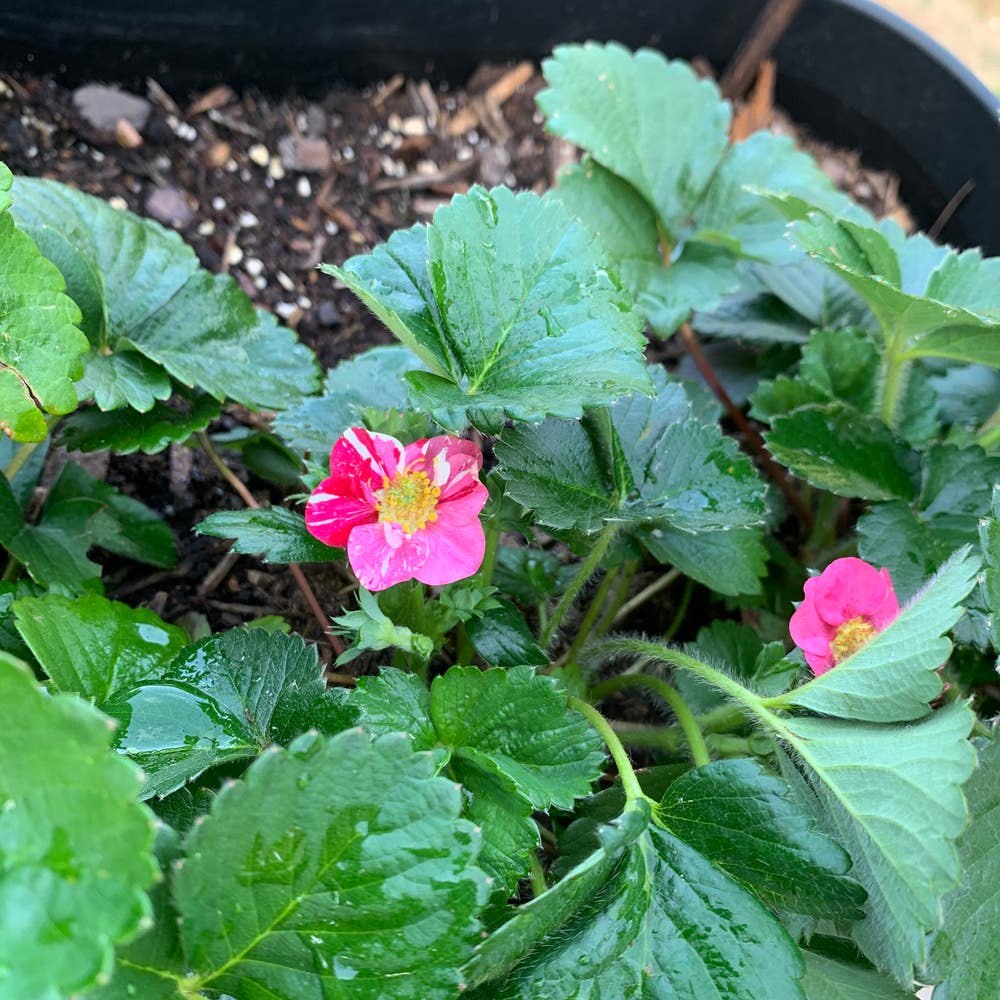
🌼 Overview of Potentilla heptaphylla subsp. heptaphylla
Potentilla heptaphylla subsp. heptaphylla
By the Greg Editorial Team
Feb 27, 2025•12 min read
This article was created with the help of AI so we can cover more plants for you. May contain errors. See one? Report it here.
Discover how to cultivate Potentilla heptaphylla, a resilient beauty that enhances any garden! 🌱
- 🌞🌱 Potentilla heptaphylla thrives in full sun and well-drained soil for optimal growth.
- 🌼 Regular deadheading and light feeding enhance blooming and overall plant health.
- 🐝🌿 Attracts pollinators and is drought-tolerant, perfect for eco-friendly gardens.
How to Grow
Choosing a location 🌞
Potentilla heptaphylla subsp. heptaphylla thrives in full sun to partial shade. Selecting a spot with well-drained soil is crucial for optimal growth.
Soil preparation 🏞️
Aim for well-draining, fertile soil to support healthy development. The ideal pH level ranges from slightly acidic to neutral, specifically between 6.0 and 7.0.
Planting techniques 🌱
The best times to plant are in spring or fall, allowing the plant to establish itself. Space each plant 30-45 cm apart to promote healthy growth.
Watering requirements 💧
Regular watering is essential to maintain soil moisture, but be cautious of waterlogging. This balance helps prevent root issues while keeping the plant hydrated.
Fertilizing schedule 🌼
Light feeding with a balanced fertilizer in early spring will give your Potentilla a boost. This simple step enhances growth and flowering potential.
Pruning methods ✂️
Deadheading spent flowers encourages further blooming, keeping your garden vibrant. Regular pruning helps maintain the plant's shape and health.
Ongoing care tips 🔍
Keep an eye out for pests and diseases to catch any issues early. Mulching is also beneficial, as it retains moisture and suppresses weeds.
Outdoor vs. container growing 🪴
If you're considering container growing, ensure pots have drainage holes and use a suitable potting mix. Pay attention to watering needs, as container plants may require more frequent moisture.
With these guidelines, you're well on your way to cultivating a thriving Potentilla heptaphylla subsp. heptaphylla. Next, let’s explore how to propagate this resilient plant effectively.
Propagation
🌱 Seed Propagation
To propagate Potentilla heptaphylla subsp. heptaphylla from seeds, start by sowing them at a depth of 1/4 inch. Expect germination to occur within 2 to 4 weeks, provided you maintain optimal conditions.
✂️ Division of Established Plants
Dividing established plants is an effective way to propagate this species. The best time for division is early spring or fall; carefully separate the roots and replant them to ensure successful growth.
🌿 Cuttings Method
Another propagation method involves taking cuttings from healthy stems. Select stems that are 10-15 cm long and place them in a moist potting mix to encourage rooting.
This variety of propagation techniques allows you to expand your garden with Potentilla heptaphylla, ensuring you have plenty of these beautiful plants to enjoy. Next, let’s explore the lifecycle of this resilient perennial.
Lifecycle
Overview of lifecycle stages 🌱
Potentilla heptaphylla subsp. heptaphylla follows a perennial growth cycle, showcasing multiple blooming seasons throughout its life. This resilience allows it to thrive in various conditions, making it a favorite among gardeners.
Germination process 🌡️
For successful germination, maintain an optimal temperature between 15-20°C (59-68°F). This temperature range encourages the seeds to sprout effectively.
Seedling development 🌿
Once germinated, seedlings typically take about 4-6 weeks to develop before they are ready for transplanting. This period is crucial for establishing a strong foundation for future growth.
Vegetative growth phase 🌳
The vegetative growth phase lasts approximately 1-2 years, during which the plant matures and strengthens. This phase is essential for building a robust structure that supports blooming.
Flowering and seed production 🌼
Expect flowering to occur from late spring to early summer, providing a vibrant display. After the flowering period, seed production typically takes place in late summer, ensuring the continuation of the species.
Lifespan and growth rate ⏳
In optimal conditions, Potentilla heptaphylla can live for 3-5 years. Its moderate growth rate allows it to reach full size in about 2-3 years, making it a reliable choice for gardens.
This lifecycle overview highlights the plant's adaptability and resilience, setting the stage for understanding its care and cultivation. Next, we'll explore the size characteristics of Potentilla heptaphylla, including its mature height and spread.
Size
Mature height and spread 🌱
Potentilla heptaphylla subsp. heptaphylla typically reaches a mature height of 30-60 cm (12-24 inches) and spreads about 30-45 cm (12-18 inches). This compact size makes it an excellent choice for borders or as ground cover in gardens.
Growth rate specifics 📈
On average, this plant grows at a rate of 15-30 cm (6-12 inches) per year. With the right conditions, you can expect it to fill out nicely within a couple of growing seasons.
Size variability based on conditions 🌦️
The size of Potentilla heptaphylla can vary significantly based on environmental factors. Soil quality, sunlight exposure, and water availability all play crucial roles in determining how robust and expansive your plants will become.
In optimal conditions, you’ll see lush growth, while less favorable settings may result in smaller, less vigorous plants. Understanding these variables can help you create the best environment for your Potentilla to thrive.
As you consider planting this perennial, keep in mind how these factors can influence its overall size and health. This knowledge will guide you in making informed decisions for your garden's layout and plant selection.
Next, let’s explore the fascinating lifecycle of Potentilla heptaphylla and how it develops over time.
Roots
Root System Characteristics 🌱
Potentilla heptaphylla subsp. heptaphylla features a fibrous root system. This type of root structure is essential for stability and nutrient absorption.
Depth and Spread of Roots 📏
Typically, the roots reach a depth of 30-45 cm (12-18 inches). They also spread beyond the plant's canopy, helping to anchor the plant and access moisture.
Common Root-Related Issues ⚠️
One of the most common problems is root rot, which occurs due to overwatering and poor drainage. This condition can severely impact the plant's health if not addressed promptly.
Identifying Healthy vs. Unhealthy Roots 🔍
Healthy roots are firm, white, and spread out evenly in the soil. In contrast, unhealthy roots appear dark, mushy, or may emit a foul smell, indicating decay.
Recognizing Rootbound Plants 🪴
Signs of rootbound plants include roots growing out of drainage holes or circling the pot. If you notice these symptoms, it's time to repot the plant into a larger container to promote healthy growth.
Understanding the root system of Potentilla heptaphylla subsp. heptaphylla is crucial for its care. By monitoring root health and addressing issues early, you can ensure a thriving plant that enhances your garden.
Benefits
🌼 Attracts Pollinators
Potentilla heptaphylla subsp. heptaphylla is a magnet for pollinators, enhancing garden biodiversity. Its vibrant flowers draw bees, butterflies, and other beneficial insects, creating a lively ecosystem.
💧 Drought-Tolerant
This plant is remarkably drought-tolerant, making it an excellent choice for water-wise gardening. It thrives with minimal water, helping to reduce overall water usage in your garden.
🌿 Medicinal Uses
Historically, Potentilla has been used in traditional medicine. Its leaves and roots have been utilized for various remedies, showcasing its value beyond mere aesthetics.
🌸 Ornamental Value
With its attractive foliage and charming flowers, this plant adds significant ornamental value to any landscape. It can brighten up borders, rock gardens, or even container arrangements.
🏞️ Erosion Control
The robust root system of Potentilla helps prevent soil erosion. By stabilizing the soil, it plays a crucial role in maintaining healthy landscapes, especially in sloped areas.
🌍 Cultural Significance
Beyond its practical benefits, Potentilla holds cultural significance as a symbol of resilience and adaptability. Many cultures celebrate its ability to thrive in diverse environments, reflecting the strength of nature.
Incorporating Potentilla heptaphylla into your garden not only enhances its beauty but also contributes to a healthier ecosystem. With its myriad benefits, this plant is a fantastic addition for both novice and experienced gardeners alike.
Companion Plants
🌱 Concept of Companion Planting
Companion planting is all about creating a harmonious garden ecosystem. By pairing plants that benefit each other, you can enhance garden diversity and improve pest management.
🌼 Best Companion Plants
When growing Potentilla heptaphylla subsp. heptaphylla, consider these excellent companions:
- Lavender: Its fragrant blooms attract pollinators and deter pests.
- Salvia: This drought-tolerant plant complements Potentilla's needs while adding vibrant color.
- Other drought-tolerant plants: These can thrive alongside Potentilla, sharing similar water requirements.
🚫 Plants to Avoid
Be cautious with heavy feeders. These plants can compete for nutrients, potentially stunting the growth of your Potentilla. Stick to companions that share similar light and water needs for the best results.
Incorporating the right companion plants not only boosts the health of your Potentilla but also creates a thriving garden environment. Next, let’s explore the fascinating world of Potentilla's toxicity to pets.
Toxicity to Humans
🛡️ Safety for humans
Potentilla heptaphylla subsp. heptaphylla is generally safe for humans. It is not listed as toxic by major poison control centers, making it a suitable addition to gardens without significant health concerns.
⚠️ Minor issues from contact or ingestion
While the plant poses minimal risk, there can be minor issues if ingested in large quantities. Some individuals may experience mild skin irritation or digestive discomfort, but these cases are rare.
🤔 Recommendations for caution
It's always wise to exercise caution when handling any plant. If you notice unusual symptoms after contact or ingestion, seeking medical advice is recommended to ensure your safety.
Toxicity to Dogs
Safety for Dogs 🐶
Potentilla heptaphylla subsp. heptaphylla is not listed as toxic by major pet poison control centers. This means you can enjoy its beauty without worrying about your furry friends getting harmed.
Potential Minor Issues ⚠️
While generally safe, excessive consumption of the plant may lead to mild gastrointestinal upset in dogs. It's always best to keep an eye on your pet's behavior around new plants.
Tips for Introducing to Homes with Dogs 🏡
When introducing Potentilla to your home, consider proper placement to minimize any potential nibbling. Monitor your dog's behavior to ensure they don't take an interest in the plant, and you’ll both enjoy a harmonious living space.
With these precautions, you can appreciate the charm of Potentilla while keeping your canine companions safe. Next, let’s explore how to manage common problems that may arise with this resilient plant.
Toxicity to Cats
Safety for cats 🐱
Potentilla heptaphylla subsp. heptaphylla is not listed as toxic by major pet poison control centers. This means you can enjoy this beautiful plant without worrying about your feline friends.
Potential minor issues ⚠️
While generally safe, excessive consumption of the plant may lead to mild gastrointestinal upset in cats. It's always good to monitor their behavior around new plants.
Tips for introducing to homes with cats 🏡
When introducing Potentilla to your home, consider its placement carefully. Keep it out of reach of curious paws and observe your cat's interactions to ensure they don’t nibble too much.
With these precautions, you can enjoy the beauty of Potentilla while keeping your furry companions safe.
Problems
Common Problems 🌱
Growing Potentilla heptaphylla subsp. heptaphylla can come with its share of challenges. Here are some common issues to watch out for:
Incorrect watering: Overwatering can lead to yellowing leaves, while underwatering results in wilting.
Incorrect light conditions: Too much sun can cause leaf scorch, whereas insufficient light leads to leggy growth.
Diseases: Fungal issues like powdery mildew and rust can affect the plant's health.
Root problems: Poor drainage may cause root rot, which can be detrimental to growth.
Leaf issues: Look for signs of scorching, yellowing, or fuzzy growth on the leaves.
Symptoms and Causes 🧐
Understanding the symptoms of these problems is crucial for effective management:
Overwatering: Yellow leaves and a soggy base indicate excess moisture.
Underwatering: Wilting leaves signal that the plant is thirsty.
Leaf scorch: Brown edges or crispy leaves suggest too much sun exposure.
Leggy growth: Stretched stems and sparse foliage indicate insufficient light.
Fungal diseases: White powdery spots or rust-colored patches are signs of fungal infections.
Solutions for Each Problem 💡
Here are some straightforward solutions to revive your Potentilla:
Watering issues: Adjust your watering schedule. Ensure the soil dries out slightly between waterings to prevent root rot.
Light conditions: Move the plant to a location with suitable light. Aim for full sun to partial shade for optimal growth.
Fungal diseases: Treat with fungicides or remove affected leaves. Ensure good air circulation around the plant.
Root problems: Check drainage and amend the soil if necessary. Repot if root rot is suspected.
Leaf issues: Trim damaged leaves and adjust care practices. Monitor for pests that may exacerbate these symptoms.
By staying vigilant and addressing these common problems promptly, you can ensure your Potentilla thrives. Next, let’s explore the potential pest issues that may arise in your garden.
Bugs
🐛 Potential Pest Issues
While Potentilla heptaphylla subsp. heptaphylla boasts moderate pest resistance, it can still fall prey to a few common nuisances. Keeping an eye out for these pests is essential for maintaining the health of your plants.
🔍 Identification of Pests
The most frequent offenders include:
- Spider Mites: Tiny, spider-like creatures that thrive in dry conditions.
- Aphids: Small, soft-bodied insects that cluster on new growth.
- Whiteflies: Winged insects that flutter when disturbed, often found on the undersides of leaves.
⚠️ Damage Caused by Pests
Each pest brings its own set of problems:
- Spider Mites: They suck the sap from leaves, leading to stippled foliage and potential leaf drop.
- Aphids: These pests can cause curling leaves and stunted growth due to their feeding habits.
- Whiteflies: They excrete honeydew, which can lead to sooty mold and attract other pests.
🧪 Treatment Options
To combat these pests effectively, consider the following treatments:
- Insecticidal Soap: A safe option that suffocates soft-bodied insects like aphids and spider mites.
- Neem Oil: This natural pesticide disrupts the life cycle of pests and deters new infestations.
- Beneficial Insects: Introducing ladybugs or lacewings can help keep pest populations in check.
By staying vigilant and employing these strategies, you can protect your Potentilla and enjoy its beauty without the worry of pest damage. Next, let’s explore what animals might be lurking around, looking to snack on your plants.
What Eats Potentilla
🦌 Common Animals That May Damage
Potentilla heptaphylla subsp. heptaphylla can attract a variety of hungry critters. Deer, rabbits, squirrels, and rodents are known to munch on this plant, potentially causing significant damage.
🕵️♂️ Signs of Animal Presence
To identify if animals are feasting on your Potentilla, look for specific signs. Tracks, droppings, and chewed foliage are clear indicators that your garden has unwelcome visitors.
⚠️ Types of Damage Caused
The damage from these animals can be quite noticeable. Browsing on leaves and stems can lead to stunted growth, affecting the overall health and appearance of your plants.
🚫 Deterrent Methods
Fortunately, there are several effective deterrent methods to protect your Potentilla. Consider using chemical repellents, installing physical barriers, or employing companion planting strategies to keep these pests at bay.
By taking proactive measures, you can enjoy the beauty of Potentilla without the worry of animal damage. Next, let’s explore the common problems that can affect this resilient plant.
⚠️ Safety First
This content is for general information and may contain errors, omissions, or outdated details. It is not medical, veterinary advice, or an endorsement of therapeutic claims.
Always consult a qualified healthcare professional before using any plant as food, medicine, or supplement.
Never eat any plant (or feed one to pets) without confirming its identity with at least two trusted sources.
If you suspect poisoning, call Poison Control (800) 222-1222, the Pet Poison Helpline (800) 213-6680, or your local emergency service immediately.
Spotted an error? Please report it here.
Cultivating thriving Potentilla heptaphylla 🌼 is easy when you leverage Greg's tailored care reminders and expert tips to keep your garden flourishing!