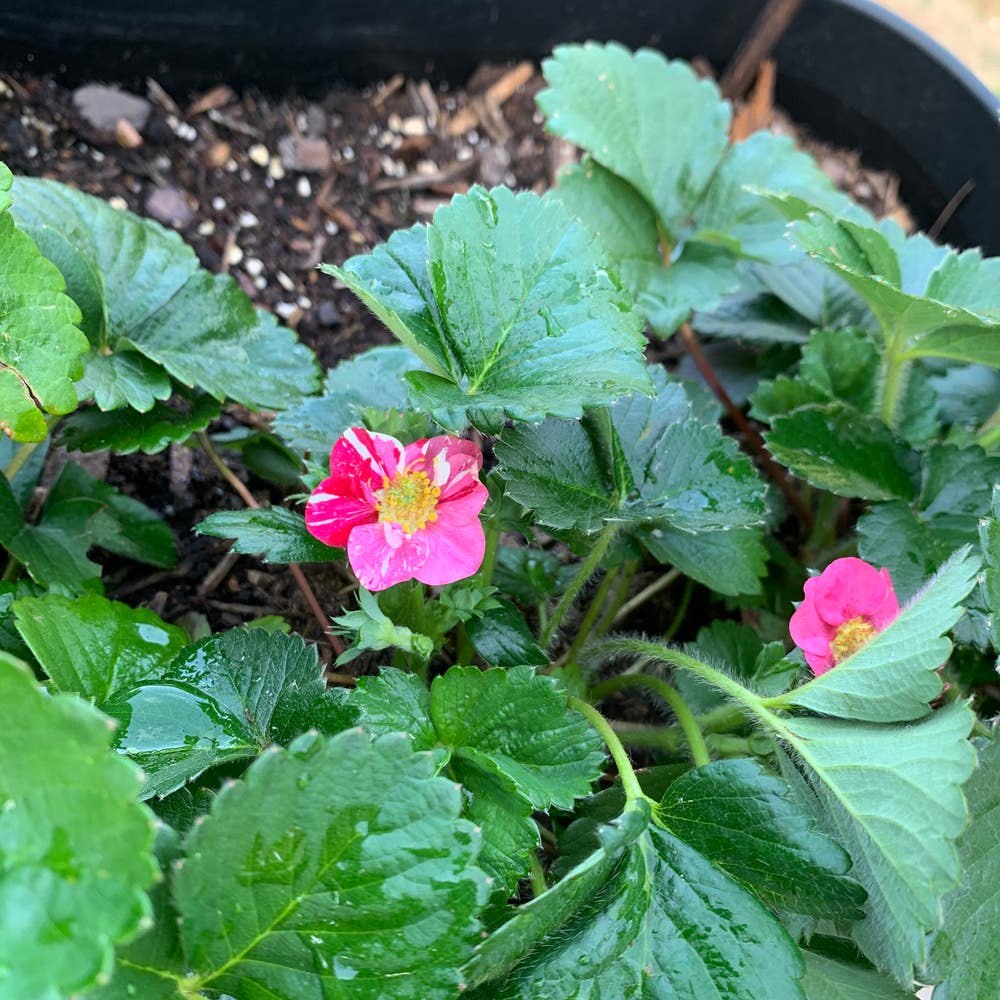
🌼 Ultimate Guide to Potentilla guilliermondii
Potentilla guilliermondii
By the Greg Editorial Team
Feb 27, 2025•11 min read
This article was created with the help of AI so we can cover more plants for you. May contain errors. See one? Report it here.
Elevate your garden's beauty effortlessly with Potentilla guilliermondii, a vibrant and low-maintenance perennial! 🌼
- 🌞 Potentilla guilliermondii needs 6+ hours of sunlight for optimal growth.
- 🌱 Well-drained, slightly acidic soil is essential for thriving plants.
- 🐾 Low maintenance and safe for pets, this plant attracts beneficial pollinators.
How to Grow
🌞 Choosing a Location
To thrive, Potentilla guilliermondii needs full sun exposure, requiring at least 6 hours of direct sunlight daily. Additionally, well-drained soil is crucial to prevent root rot, ensuring your plants stay healthy and vibrant.
🌱 Soil Preparation
Opt for loamy or sandy soil that offers good drainage. Aim for a slightly acidic to neutral pH, ideally between 6.0 and 7.0, and consider adding compost to enhance soil fertility.
🌿 Planting Techniques
When planting, ensure the crown of the plant is level with the soil surface for optimal growth. Space your plants 12-18 inches apart to give them room to flourish.
💧 Watering Requirements
After planting, give your Potentilla a deep watering to help establish roots. Moving forward, water when the top inch of soil feels dry, keeping your plants hydrated without overdoing it.
🌼 Fertilizing Schedule
Fertilize your plants in early spring and again in mid-summer to support their growth. A balanced NPK fertilizer, such as 10-10-10, is recommended for best results.
✂️ Pruning Methods
Timing is key for pruning; late winter or early spring is ideal before new growth begins. Deadheading spent flowers encourages more blooms, enhancing the plant's overall appearance.
🌳 Ongoing Care Tips
Apply a layer of mulch around your plants to retain moisture and suppress weeds. Regularly monitor for pests and diseases to keep your Potentilla healthy and thriving.
🪴 Outdoor vs. Container Growing
Potentilla guilliermondii is perfect for outdoor garden beds with ample space. If you're short on room, consider container growing in a large pot with drainage holes for easy mobility.
With these tips, you're well on your way to successfully growing Potentilla guilliermondii. Next, let's explore how to propagate this resilient plant for even more beauty in your garden!
Propagation
🌱 Seed Propagation
To propagate Potentilla guilliermondii from seeds, start by harvesting seeds from mature plants. Once collected, sow them about 1/4 inch deep in a seed-starting mix for optimal germination.
✂️ Cutting Propagation
For cutting propagation, select healthy stems that are 4-6 inches long. Use a rooting medium composed of perlite and peat moss to encourage strong root development.
🌿 Division Propagation
The best time for division propagation is early spring or fall. Carefully separate clumps of the plant and replant them to promote new growth and maintain vigor.
This propagation knowledge allows you to expand your garden with ease. Next, let’s explore the lifecycle of Potentilla guilliermondii and how it develops over time.
Lifecycle
Lifecycle Overview 🌱
Potentilla guilliermondii is a resilient perennial plant that thrives over multiple years. Its lifecycle begins with germination, which typically takes 14-30 days under optimal conditions.
Transplanting Duration ⏳
After germination, the seedlings require about 4-6 weeks before they are ready for transplanting. This period is crucial for establishing a strong foundation.
Growth and Blooming Period 🌼
The growth period occurs from late spring to early summer, coinciding with the plant's blooming time. During this phase, you can expect vibrant yellow flowers to emerge, adding beauty to your garden.
Maturity Timeline 📅
Full maturity is reached in approximately 2-3 years. At this stage, Potentilla guilliermondii showcases its full potential, both in size and flowering capacity.
This lifecycle overview highlights the importance of patience and care in cultivating this stunning plant. Next, we will explore the size and dimensions of Potentilla guilliermondii, ensuring you know what to expect as it grows.
Size
Mature Dimensions 🌱
Potentilla guilliermondii typically reaches a mature height of 12 to 24 inches. Its spread can range from 18 to 24 inches, making it a lovely addition to any garden.
Growth Influencers 🌞
The growth of this perennial is significantly influenced by several factors. Soil quality, sunlight exposure, and watering practices all play crucial roles in determining how robust and vibrant your plants will be.
By ensuring optimal conditions, you can enjoy a flourishing display of Potentilla guilliermondii in your landscape. This plant's adaptability makes it a favorite among gardeners looking to enhance their outdoor spaces.
As we explore further, let’s dive into the fascinating world of roots and their characteristics.
Roots
🌱 Root System Characteristics
Potentilla guilliermondii features a fibrous root system that provides excellent stability. This type of root structure is essential for anchoring the plant securely in the soil.
📏 Root Depth and Spread
Typically, the roots extend 12-18 inches deep, allowing the plant to access moisture and nutrients effectively. They also spread laterally, occupying a wide area, which helps in stabilizing the plant further.
⚠️ Common Issues
One of the most common problems with Potentilla guilliermondii is root rot, often caused by overwatering. Symptoms of root rot include mushy roots that can lead to plant decline if not addressed promptly.
🌿 Healthy vs. Unhealthy Roots
Healthy roots are firm, white, and spread evenly throughout the soil. In contrast, unhealthy roots may appear dark, mushy, or even emit a foul smell, indicating a serious issue that needs immediate attention.
🔄 Signs of Rootbound Plants
If you notice roots growing out of drainage holes or circling the pot, your plant may be rootbound. The best course of action is to repot the plant into a larger container or divide it to promote healthy growth.
✅ Conclusion
Understanding the root system of Potentilla guilliermondii is crucial for its overall health and vitality. By ensuring proper watering and monitoring root conditions, you can help your plant thrive and enjoy its vibrant blooms for years to come.
Next, we will explore the numerous benefits of incorporating Potentilla guilliermondii into your garden.
Benefits
Top 5 Benefits 🌼
Potentilla guilliermondii is a stunning addition to any garden, boasting vibrant yellow flowers that catch the eye. Its ornamental value makes it a favorite among gardeners looking to add a splash of color.
This plant is also low maintenance, making it perfect for busy individuals. Once established, it requires minimal care, allowing you to enjoy your garden without constant upkeep.
Another significant advantage is its role in supporting local biodiversity. By attracting pollinators like bees and butterflies, Potentilla guilliermondii contributes to a healthier ecosystem.
Once established, this plant is drought-tolerant, which helps conserve water. This resilience makes it an excellent choice for sustainable gardening practices.
Finally, its versatility in landscape design is noteworthy. Whether used in borders or rock gardens, Potentilla guilliermondii fits seamlessly into various garden styles, enhancing overall aesthetics.
With these benefits, it's clear why Potentilla guilliermondii is a beloved choice for gardeners everywhere. Next, let’s explore the best companion plants to pair with this vibrant perennial.
Companion Plants
Best Companions 🌱
Companion planting is a fantastic way to boost your garden's diversity, improve pest management, and enhance plant health. By strategically choosing plants that thrive together, you can create a more resilient and vibrant garden ecosystem.
Ideal Partners 🌼
For Potentilla guilliermondii, consider pairing it with:
- Lavender: This aromatic herb not only adds beauty but also attracts pollinators while repelling pests.
- Salvia: Known for its vibrant blooms, Salvia complements Potentilla's yellow flowers and supports beneficial insects.
- Catmint: This hardy perennial thrives alongside Potentilla, offering a lush backdrop and attracting pollinators.
Plants to Avoid 🚫
While many plants can coexist harmoniously, some should be kept at a distance. Heavy feeders like tomatoes can compete for nutrients, potentially stunting the growth of Potentilla guilliermondii.
Choosing the right companions can elevate your gardening experience, making it both productive and enjoyable. With the right combinations, you’ll not only enhance the beauty of your garden but also create a thriving habitat for wildlife.
Toxicity to Humans
Safety Overview 🛡️
Potentilla guilliermondii is generally safe and not listed as toxic by major poison control centers.
Minor Issues ⚠️
While it poses minimal risk, consuming large quantities may lead to mild skin irritation or digestive discomfort.
Cautionary Advice 🚨
It's always wise to exercise caution with any plant. If you experience unusual symptoms, seek medical advice promptly.
This vibrant perennial can be a delightful addition to your garden, but understanding its safety profile ensures a worry-free experience. Now, let’s explore how this plant interacts with our furry friends!
Toxicity to Dogs
🛡️ Safety Overview
Potentilla guilliermondii is not listed as toxic by major pet poison control centers, making it a safe choice for dog owners. However, if your furry friend consumes large quantities, they may experience mild gastrointestinal upset.
👀 Monitoring Your Dog
To ensure your dog's safety, consider the placement of this plant in your garden. Keep an eye on their behavior around new plants, as curiosity can sometimes lead to unwanted snacking.
🐾 Conclusion
With proper care and attention, Potentilla guilliermondii can coexist peacefully with your canine companions. Next, let’s explore its potential toxicity to cats, ensuring a safe environment for all your pets.
Toxicity to Cats
Safety Overview 🐱
Potentilla guilliermondii is not listed as toxic by major pet poison control centers. This means your feline friends can enjoy the garden without the worry of severe health risks.
Minor Issues ⚠️
While generally safe, there can be potential minor issues. Excessive consumption may lead to mild gastrointestinal upset, so it's best to keep an eye on your cat's behavior around the plant.
Tips for Cat Owners 🏡
To ensure a safe environment, consider proper placement of the plant. Monitor your cat's interactions with new plants to prevent any unwanted nibbling.
Conclusion 📝
With a little caution, you can enjoy the beauty of Potentilla guilliermondii in your garden without compromising your cat's health. Next, let’s explore how to tackle common problems that may arise while growing this lovely perennial.
Problems
Common Issues 🌱
Growing Potentilla guilliermondii can be rewarding, but it’s essential to be aware of potential problems that may arise.
Incorrect Watering
Watering is crucial for plant health. Overwatering can lead to yellowing leaves, while underwatering results in wilting.
Incorrect Light Conditions
Light plays a vital role in growth. Insufficient light can cause leggy growth, making the plant look weak and unappealing.
Diseases
Fungal diseases like powdery mildew and rust can affect your plant. Good air circulation is key to prevention, so ensure your plants have enough space to breathe.
Root Problems
Root rot is a common issue caused by overwatering. To prevent this, ensure proper drainage in your planting area or containers.
By staying vigilant and addressing these common issues, you can enjoy a thriving Potentilla guilliermondii in your garden. Next, let’s explore the potential pest issues that could affect your plant’s health.
Bugs
🐜 Potential Pest Issues
While Potentilla guilliermondii is generally pest-resistant, it can occasionally fall prey to spider mites and aphids. These pests can be a nuisance, so it's essential to keep an eye out for their telltale signs.
🔍 Identifying Pests
Spider mites are often recognized by the fine webbing they create on the leaves. In contrast, aphids are small, soft-bodied insects that can be green or black, often clustering on new growth.
⚠️ Damage Caused
Both spider mites and aphids can cause significant damage to your plants. Look for symptoms like leaf curling, stunted growth, and reduced flowering, which indicate that your Potentilla may be under attack.
🧴 Treatment Options
To combat these pests effectively, consider using neem oil or insecticidal soap. These treatments are not only effective but also environmentally friendly, making them a great choice for maintaining a healthy garden.
🛡️ Prevention Tips
Regular monitoring is key to preventing pest issues. By checking your plants frequently, you can catch any infestations early and take action before they escalate.
🎉 Conclusion
With a bit of vigilance and the right treatments, you can keep your Potentilla guilliermondii thriving. Next, let’s explore what animals might be interested in munching on your beautiful plants.
What Eats Potentilla guilliermondii
🦌 Common Animals
Potentilla guilliermondii can attract various herbivores that may cause damage to your plants.
Deer are one of the primary culprits, often leaving behind chewed leaves and broken stems.
Rabbits also enjoy nibbling on the lower foliage, which can hinder the plant's growth.
Squirrels may dig around the base of the plant, disrupting the roots and overall health.
📉 Damage Assessment
The browsing habits of these animals can lead to stunted growth and an unsightly appearance.
If you notice significant damage, it’s essential to take action to protect your plants.
🚫 Deterrent Methods
Implementing deterrent methods can help keep these pests at bay.
- Fencing: A physical barrier can effectively prevent deer and rabbits from accessing your plants.
- Repellents: Sprays designed to deter herbivores can be applied around the garden.
- Companion Planting: Pairing Potentilla guilliermondii with less palatable plants can confuse and deter these animals.
By taking these proactive steps, you can enjoy the beauty of your Potentilla guilliermondii without the worry of unwanted munchers.
As we move forward, let’s explore the potential pest issues that can affect this resilient plant.
⚠️ Safety First
This content is for general information and may contain errors, omissions, or outdated details. It is not medical, veterinary advice, or an endorsement of therapeutic claims.
Always consult a qualified healthcare professional before using any plant as food, medicine, or supplement.
Never eat any plant (or feed one to pets) without confirming its identity with at least two trusted sources.
If you suspect poisoning, call Poison Control (800) 222-1222, the Pet Poison Helpline (800) 213-6680, or your local emergency service immediately.
Spotted an error? Please report it here.
Grow your Potentilla guilliermondii like a pro 🌼 with Greg's tailored care reminders and community tips to keep your garden thriving!