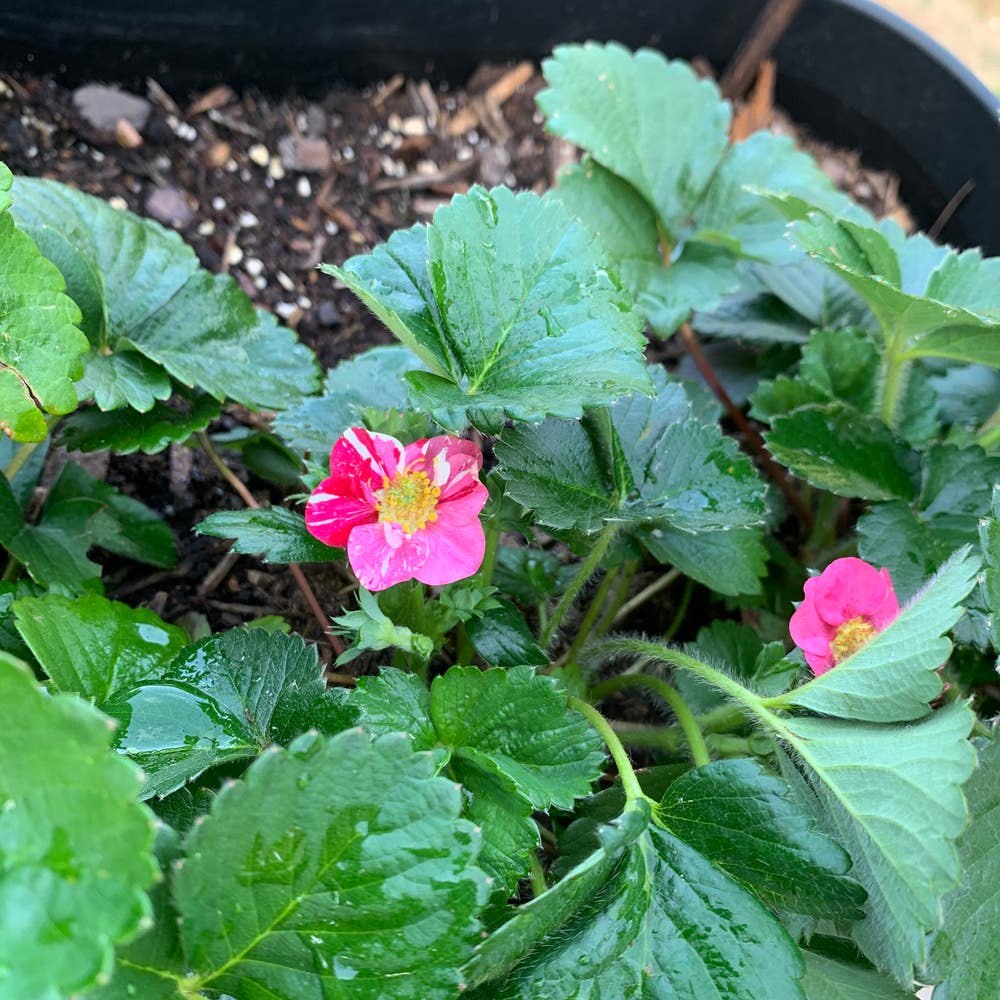
🌼 What You Should Know About Potentilla glaucescens
Potentilla glaucescens
By the Greg Editorial Team
Feb 27, 2025•10 min read
This article was created with the help of AI so we can cover more plants for you. May contain errors. See one? Report it here.
- 🌞 Potentilla glaucescens needs 6-8 hours of sunlight for optimal growth.
- 🌱 Well-draining soil with pH 6.0-7.5 is crucial for healthy plants.
- 🐝 Attracts pollinators like bees and butterflies, enhancing garden biodiversity.
How to Grow
🌞 Choosing a Location
Potentilla glaucescens thrives in full sun, requiring 6 to 8 hours of sunlight daily. Ensure the planting area has well-draining soil to prevent root rot, which can be detrimental to the plant's health.
🏗️ Soil Preparation
Aim for a soil pH between 6.0 and 7.5 for optimal growth. Sandy or loamy soil textures are ideal, providing the right balance of drainage and nutrients.
🌱 Planting Techniques
When planting, space your Potentilla glaucescens 12 to 18 inches apart to allow for natural clumping growth. It's crucial to plant at the correct depth, ensuring the crown is level with the soil surface for best results.
💧 Watering Requirements
Water your plants regularly until they are established, then gradually reduce the frequency. Utilizing drip irrigation or soaker hoses is recommended to keep foliage dry and healthy.
🌿 Fertilizing
Use a balanced NPK fertilizer, such as 10-10-10, to nourish your plants. Fertilize in early spring and again in mid-summer to support robust growth.
✂️ Pruning
Prune your Potentilla glaucescens in late winter or early spring, just before new growth begins. Focus on removing any dead or damaged stems to encourage healthy development.
🔍 Ongoing Care
Regularly monitor your plants for pests and diseases to catch any issues early. In winter, apply mulch around the base to protect the roots from harsh conditions.
With these guidelines, you'll be well on your way to cultivating a thriving Potentilla glaucescens garden. Next, let's explore how to propagate this resilient perennial.
Propagation
Seed Propagation 🌱
To propagate Potentilla glaucescens from seeds, start by sowing them indoors about 6-8 weeks before the last frost. Ensure the seeds are kept at a consistent temperature of 70°F (21°C) for optimal germination.
Division of Established Plants ✂️
Dividing established plants is best done in early spring or fall. Carefully dig up the plant and separate it into clumps, ensuring that each division has intact roots to promote healthy regrowth.
Cuttings 🌿
Taking cuttings is another effective propagation method. Use healthy stems that are 4-6 inches long, and place them in a moist potting mix; covering them with plastic will help maintain humidity and encourage rooting.
This propagation knowledge sets the stage for nurturing your Potentilla glaucescens effectively. Next, let’s explore its lifecycle and what to expect as your plants grow.
Lifecycle
Lifecycle Stages 🌱
Potentilla glaucescens is a perennial plant, meaning it has a multi-year lifecycle that allows it to thrive in various conditions. From seed to maturity, this resilient plant showcases a fascinating growth journey.
Germination Process 🌱
Seeds of Potentilla glaucescens typically germinate within 10-14 days when provided with optimal conditions. This quick turnaround sets the stage for a robust growth cycle.
Lifespan 🌱
Under ideal circumstances, Potentilla glaucescens can live for several years, often ranging from 3 to 5 years. This longevity makes it a reliable choice for gardeners looking to establish lasting beauty in their landscapes.
Growth Rate 🌱
The growth rate of Potentilla glaucescens is moderate, with the plant reaching its full size in approximately 2-3 years. This steady growth allows for gradual integration into garden spaces, enhancing their aesthetic appeal over time.
As you explore the lifecycle of Potentilla glaucescens, consider how its resilience and adaptability contribute to a vibrant garden ecosystem. Next, let’s delve into the size of this remarkable plant and what you can expect in terms of its dimensions.
Size
Mature Dimensions 🌱
Potentilla glaucescens typically reaches a mature height of 12 to 24 inches. Its spread can extend from 18 to 24 inches, making it a lovely addition to any garden.
Growth Rate ⏳
Under ideal conditions, this perennial plant takes about 2 to 3 years to reach its full size. However, factors like soil quality, sunlight exposure, and water availability can influence its growth rate significantly.
Understanding these dimensions and growth patterns can help you plan your garden layout effectively. With the right care, Potentilla glaucescens can thrive and bring vibrant color to your landscape.
Roots
Root System Characteristics 🌱
Potentilla glaucescens features a fibrous root system that spreads horizontally, allowing it to effectively absorb nutrients and water. Typically, these roots are shallow, extending about 12 inches deep, but they can spread outwards beyond the plant's canopy.
Common Issues ⚠️
One common issue to watch for is root rot, which occurs due to overwatering. Symptoms include wilting and yellowing leaves, signaling that the roots are struggling to function properly.
Another problem is becoming rootbound, which happens when the roots fill the container. Signs of this include stunted growth and roots that begin to circle around the pot.
Visual Cues 👀
Healthy roots are characterized by their firmness and white color, showing no signs of decay. In contrast, unhealthy roots appear dark and mushy, indicating potential rot and the need for immediate action.
Understanding the root system of Potentilla glaucescens is essential for its successful cultivation. By monitoring root health and addressing issues promptly, you can ensure this resilient plant thrives in your garden.
Next, let’s explore the many benefits this plant offers to your landscape.
Benefits
Top 5 Benefits 🌟
Potentilla glaucescens offers a variety of advantages that make it a standout choice for gardeners.
Ornamental Appeal
Its bright yellow flowers not only brighten up your garden but also create a stunning visual impact. This perennial adds a splash of color that can elevate any landscape design.
Drought Resistance
One of the most appealing traits of Potentilla glaucescens is its low water requirements. This makes it an excellent option for xeriscaping, allowing you to conserve water while maintaining a vibrant garden.
Attracts Pollinators
The flowers of Potentilla glaucescens are a magnet for bees and butterflies. By planting this species, you contribute to local biodiversity and support essential pollinator populations.
Erosion Control
The fibrous root system of Potentilla glaucescens plays a crucial role in stabilizing soil, especially in sloped areas. This natural erosion control helps maintain the integrity of your garden and surrounding landscape.
Cultural Significance
Often featured in traditional landscaping, Potentilla glaucescens is celebrated for its resilience and beauty. Its longstanding presence in gardens speaks to its adaptability and aesthetic value.
These benefits make Potentilla glaucescens not just a plant, but a valuable addition to any garden. Whether you're looking to enhance your landscape or support local wildlife, this perennial is a fantastic choice.
As we explore further, let's dive into the best companion plants that can enhance the growth and health of Potentilla glaucescens.
Companion Plants
🌱 Companion Planting Benefits
Companion planting is a fantastic way to enhance your garden's diversity and improve pest management. By selecting the right plants, you can create a thriving ecosystem that supports healthy growth.
🤝 Best Companions
When it comes to Potentilla glaucescens, consider pairing it with drought-tolerant perennials like sedum and lavender. These companions share similar care needs and can help repel pests, making them ideal partners in your garden.
🚫 Plants to Avoid
On the flip side, steer clear of heavy feeders such as tomatoes. These plants compete for nutrients, which can hinder the growth of Potentilla glaucescens and disrupt the balance of your garden.
By choosing the right companions, you can create a harmonious garden that not only looks beautiful but also thrives together. Next, let’s explore the potential toxicity of Potentilla glaucescens to humans and pets.
Toxicity to Humans
Potentilla glaucescens is not listed as toxic by major poison control centers, making it a safe choice for gardens. This means you can enjoy its vibrant blooms without worrying about harmful effects.
However, there are minor issues to consider. Consuming large quantities may lead to mild skin irritation or digestive discomfort.
If you experience any unusual symptoms, it’s always best to consult a medical professional. Staying informed helps ensure a safe and enjoyable gardening experience.
Toxicity to Dogs
Potentilla glaucescens is not toxic to dogs, according to major pet poison control centers. This means you can enjoy its beauty in your garden without worrying about your furry friends getting sick.
However, if your dog consumes large quantities, it may experience mild gastrointestinal upset. To keep your pet safe, it's a good idea to keep these plants out of reach and monitor their behavior around them.
By being proactive, you can ensure a harmonious relationship between your garden and your pets. With a little care, both can thrive together!
Toxicity to Cats
Potentilla glaucescens is confirmed safe for cats by major pet poison control centers. This means you can enjoy its beauty in your garden without worrying about your feline friends.
While it's not toxic, consuming large quantities may lead to mild gastrointestinal upset. It's always a good idea to monitor your cat's behavior, especially if they show interest in nibbling on non-food plants.
To keep your curious kitty safe, consider discouraging them from munching on your garden plants. Simple strategies like providing alternative cat-friendly plants can help redirect their attention.
With a little care, you can enjoy the vibrant blooms of Potentilla glaucescens while ensuring your cat stays healthy and happy.
Problems
🛠️ Common Problems
Growing Potentilla glaucescens can come with its share of challenges. One of the most common issues is incorrect watering; overwatering leads to wilting, while underwatering results in browning leaves.
Another frequent problem arises from inadequate light conditions. If your plant is not getting enough sunlight, you may notice leggy growth as it stretches toward the light.
Additionally, diseases can pose a threat. Fungal issues like powdery mildew and rust can affect the foliage, leading to unsightly spots and potential plant decline.
💡 Solutions
To combat overwatering, allow the soil to dry out between waterings. This simple adjustment can make a world of difference in keeping your plant healthy.
If light conditions are an issue, consider relocating your Potentilla glaucescens to a sunnier spot. A little extra sunlight can help it thrive and reduce leggy growth.
By addressing these common problems proactively, you can ensure your plant remains vibrant and healthy. Next, let’s explore potential pest issues that could affect your garden.
Bugs
🐜 Potential Pest Issues
While Potentilla glaucescens is generally pest-resistant, it can still attract a few unwelcome visitors. Keeping an eye out for these pests can help maintain the health of your plants.
🔍 Identification and Damage
Spider Mites: Look for fine webbing on the leaves and stippled damage, which indicates these tiny pests are at work.
Aphids: These small insects leave a sticky residue and cause leaves to curl, signaling their presence.
🧴 Treatment Options
To combat these pests, consider using neem oil or insecticidal soap. Both options are effective and can help restore your plant's health without harsh chemicals.
By staying vigilant and addressing pest issues promptly, you can ensure your Potentilla glaucescens thrives beautifully in your garden. Next, let’s explore what animals might be interested in munching on your plants.
What Eats Potentilla glaucescens
🦌 Common Animals
Potentilla glaucescens can attract a variety of wildlife, which may pose a threat to its health.
- Deer are notorious for munching on these plants, leaving behind chewed leaves and broken stems.
- Rabbits also enjoy the tender lower foliage, often nibbling away at the base.
- Squirrels may dig around the plant's base, causing disturbance and potential damage.
⚠️ Damage Types
The impact of these animals can be significant.
Browsing by deer and rabbits can lead to stunted growth, as they strip the plant of its leaves and stems. This not only affects the plant's appearance but can also hinder its overall health and vitality.
🛡️ Deterrent Methods
To protect your Potentilla glaucescens from these hungry visitors, consider implementing some deterrent strategies.
- Fencing is one of the most effective methods, creating a physical barrier against larger animals like deer.
- Repellents can also be useful; various commercial options are available that deter animals with scent or taste.
- Additionally, planting deterrent species nearby can help, as some plants naturally repel certain pests.
By taking these precautions, you can enjoy the beauty of Potentilla glaucescens without the worry of it becoming a snack for local wildlife.
⚠️ Safety First
This content is for general information and may contain errors, omissions, or outdated details. It is not medical, veterinary advice, or an endorsement of therapeutic claims.
Always consult a qualified healthcare professional before using any plant as food, medicine, or supplement.
Never eat any plant (or feed one to pets) without confirming its identity with at least two trusted sources.
If you suspect poisoning, call Poison Control (800) 222-1222, the Pet Poison Helpline (800) 213-6680, or your local emergency service immediately.
Spotted an error? Please report it here.
Grow your Potentilla glaucescens flourishingly 🌼 with Greg's tailored watering alerts and expert care tips that ensure your garden thrives in full sun!