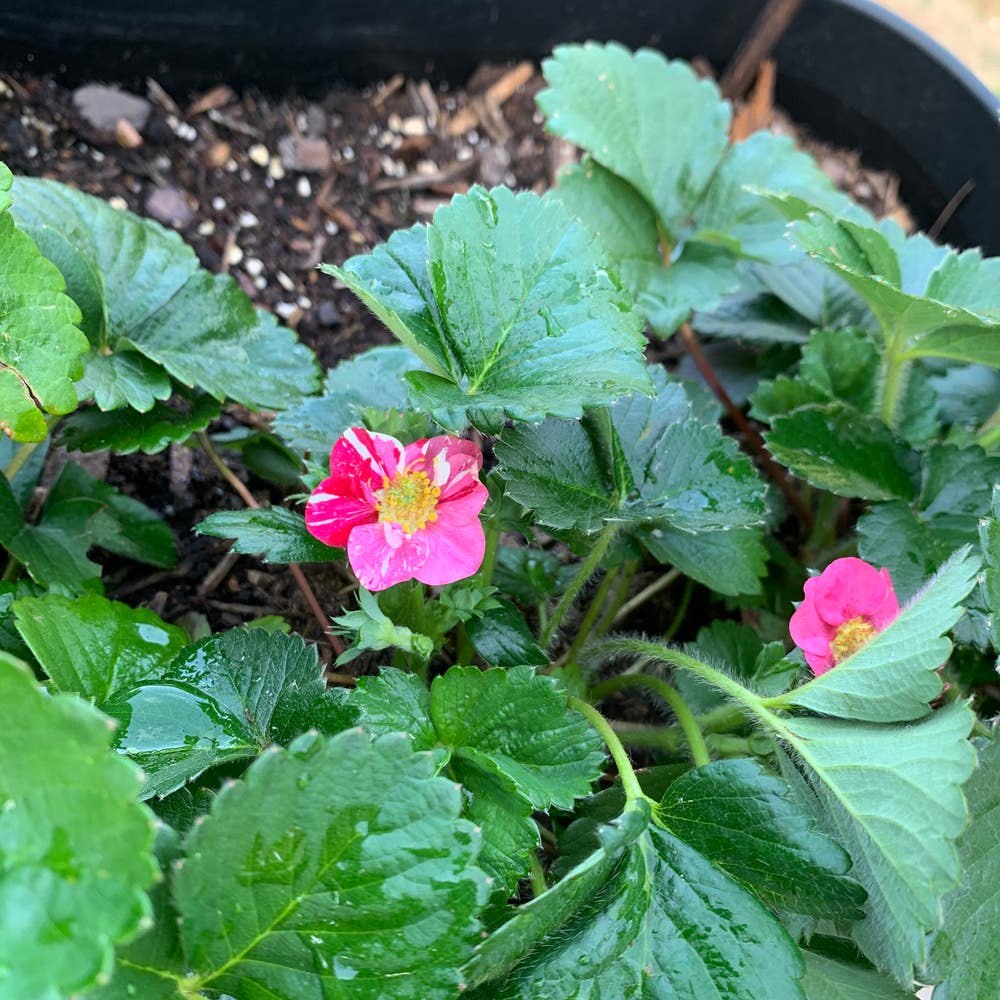
Everything You Need to Know About Potentilla foersteriana 🌼
Potentilla foersteriana
By the Greg Editorial Team
Feb 27, 2025•11 min read
This article was created with the help of AI so we can cover more plants for you. May contain errors. See one? Report it here.
Cultivate a vibrant garden with Potentilla foersteriana, a resilient perennial that attracts pollinators and thrives effortlessly! 🌼
- 🌞 Potentilla foersteriana needs 6+ hours of sunlight for optimal growth.
- 🌱 Well-drained, fertile soil with pH 6.0-7.0 is ideal for planting.
- 🐝 Attracts pollinators and is non-toxic to pets, making it garden-friendly!
How to Grow
Choosing a Location 🌞
Potentilla foersteriana thrives in full sun to partial shade. Aim for at least six hours of direct sunlight daily to ensure optimal flowering.
Soil Preparation 🏞️
For best results, plant in well-drained, fertile soil. The ideal pH level ranges from slightly acidic to neutral, specifically between 6.0 and 7.0.
Planting Techniques 🌱
When planting, dig a hole that is 1-2 inches deep. Space your plants 18-24 inches apart to allow for healthy growth.
Watering Requirements 💧
Initially, keep the soil consistently moist until the plants are established. After that, water when the top inch of soil feels dry to the touch.
Fertilizing Schedule 🌼
Fertilize your Potentilla once in early spring using a balanced fertilizer. This will provide the nutrients necessary for robust growth.
Pruning Methods ✂️
Prune in late winter or early spring, just before new growth begins. Deadheading spent flowers encourages more blooms throughout the season.
Ongoing Care Tips 🔍
Regularly monitor your plants for pests and diseases to catch any issues early. Mulching helps retain moisture and suppress weeds, making maintenance easier.
Outdoor vs. Container Growing 🏡
If growing in containers, ensure they have adequate drainage and are large enough for root growth. Outdoor planting generally offers better growth potential and attracts beneficial pollinators.
With these tips, you’re well on your way to cultivating a vibrant display of Potentilla foersteriana in your garden! Next, let’s explore how to propagate this resilient plant.
Propagation
🌱 Seed Propagation
To propagate Potentilla foersteriana from seeds, sow them about 1/4 inch deep in well-drained soil. Expect germination to take between 14 to 30 days, so patience is key during this initial phase.
✂️ Division of Established Plants
Dividing established plants is best done in early spring or fall. Carefully separate the clumps and replant them to encourage new growth and maintain plant health.
🌿 Cuttings Method
For the cuttings method, select healthy stems that are 4-6 inches long. Use a rooting medium of peat and perlite to promote successful rooting and establish new plants.
This propagation knowledge will help you expand your garden with Potentilla foersteriana, ensuring a vibrant display of blooms. Next, let’s explore the lifecycle of this resilient perennial.
Lifecycle
🌱 Perennial Nature
Potentilla foersteriana is a perennial plant, meaning it lives for multiple years. This longevity allows it to establish a strong presence in your garden.
🌡️ Germination Process
For successful germination, maintain an optimal temperature between 65-75°F (18-24°C). This warmth encourages the seeds to sprout and begin their life cycle.
🌿 Seedling Stage
Once germinated, the seedling stage lasts about 4-6 weeks. During this time, the plant develops its first true leaves, marking its transition to a more established phase.
🌳 Vegetative Growth
After the seedling stage, Potentilla enters vegetative growth, which typically lasts 2-3 months. This phase is crucial as the plant focuses on building its structure and foliage.
🌸 Flowering Phase
Expect blooms to appear in late spring to early summer. This flowering phase is not only beautiful but also vital for attracting pollinators to your garden.
🌾 Seed Production
Following the flowering phase, seeds mature in late summer. This natural cycle ensures the continuation of the species and provides new opportunities for propagation.
⏳ Growth Timeline and Speed
Potentilla foersteriana reaches full maturity in approximately 2 years. With a moderate growth rate, established plants can grow 1-2 feet per year, making them a reliable addition to your landscape.
This lifecycle overview highlights the resilience and beauty of Potentilla foersteriana, setting the stage for understanding its size and growth characteristics.
Size
Mature Height and Spread 🌱
Potentilla foersteriana typically reaches a height of 1 to 3 feet, making it a versatile choice for various garden settings. Its spread usually ranges from 2 to 3 feet, allowing it to fill in spaces beautifully.
Growth Rate 🚀
This plant exhibits a moderate growth rate, generally achieving its full size within 2 to 3 years. With proper care, you can expect it to flourish and contribute to your garden's vibrancy.
Size Variability Based on Conditions 🌦️
Several factors influence the size of Potentilla foersteriana, including soil quality, sunlight exposure, and water availability. Ensuring optimal conditions can lead to more robust growth and a fuller appearance.
As you consider adding this perennial to your garden, keep these size characteristics in mind. They will help you plan its placement and ensure it thrives in your unique environment.
Roots
Root System Characteristics 🌱
Potentilla foersteriana features a fibrous root system, which is essential for its stability and nutrient uptake. This type of root structure allows the plant to thrive in various soil conditions.
Depth and Spread of Roots 📏
The roots typically extend 12-18 inches deep, providing a solid foundation. They also spread beyond the plant's canopy, helping to anchor it securely while maximizing nutrient absorption.
Common Root-Related Issues ⚠️
One of the most common problems is root rot, often caused by overwatering. Symptoms include wilting and yellowing leaves, signaling that the plant is struggling.
Identifying Healthy vs. Unhealthy Roots 🧐
Healthy roots are firm and white, indicating good health. In contrast, unhealthy roots appear dark, mushy, or may emit a foul smell, suggesting decay.
Recognizing Rootbound Plants 🔗
If you notice roots growing out of drainage holes or circling the pot, your plant may be rootbound. The solution is simple: repot into a larger container or divide the plant to encourage healthy growth.
Understanding the root system of Potentilla foersteriana is crucial for its overall health. By monitoring root conditions, you can ensure your plant thrives and flourishes in your garden.
Next, let’s explore the various benefits this resilient plant brings to your outdoor space.
Benefits
Aesthetic Appeal 🌼
Potentilla foersteriana is a true showstopper in any garden. Its bright yellow flowers create a vibrant display that can elevate the overall beauty of your outdoor space.
Attracting Pollinators 🐝
This plant is a magnet for pollinators, particularly bees and butterflies. By incorporating Potentilla into your garden, you’re not just beautifying your space; you’re also promoting biodiversity.
Erosion Control 🌍
The robust root system of Potentilla foersteriana plays a crucial role in stabilizing soil. This makes it an excellent choice for areas prone to erosion, helping to keep your landscape intact.
Drought Resistance 💧
Once established, this hardy plant can tolerate dry conditions. Its drought resistance means less worry about watering during hot spells, making it a low-maintenance option for busy gardeners.
Cultural Significance 🎨
Beyond its physical attributes, Potentilla is often associated with resilience and beauty in nature. This cultural significance adds an enriching layer to your gardening experience, reminding you of the enduring qualities of the natural world.
Incorporating Potentilla foersteriana into your garden not only enhances its beauty but also supports the environment and offers practical benefits. Next, let’s explore the concept of companion planting and how it can further enrich your gardening experience.
Companion Plants
🌱 Concept of Companion Planting
Companion planting is a gardening technique that enhances biodiversity and pest management. By strategically placing plants together, you can create a thriving ecosystem that benefits all species involved.
🌼 Best Companion Plants
When growing Potentilla foersteriana, consider pairing it with plants like lavender, salvia, and catmint. These companions share similar care needs and can help attract beneficial pollinators to your garden.
🚫 Plants to Avoid
It's wise to avoid heavy feeders like corn when selecting companion plants. These plants compete for nutrients, potentially stunting the growth of your Potentilla.
By choosing the right companions, you can create a vibrant, healthy garden that flourishes together. Next, let’s explore the potential toxicity of Potentilla foersteriana to humans, dogs, and cats.
Toxicity to Humans
Safety Overview 🛡️
Potentilla foersteriana is generally considered safe and is not listed as toxic by major poison control centers. This makes it a great choice for gardens where safety is a priority.
Potential Minor Issues ⚠️
While the plant is non-toxic, consuming it in large quantities may lead to mild skin irritation or digestive discomfort. It's always wise to enjoy plants responsibly and in moderation.
Cautionary Advice 🚨
As with any plant, exercise caution and be aware of your body's reactions. If you experience unusual symptoms after contact or consumption, seek medical advice promptly.
Toxicity to Dogs
Safety Overview 🐾
Potentilla foersteriana is not listed as toxic by major pet poison control centers. This means that, generally speaking, your furry friends can enjoy the garden without the risk of serious harm from this plant.
Potential Minor Issues 🤢
However, if dogs consume large quantities, they may experience mild gastrointestinal upset. Symptoms can include vomiting or diarrhea, but these are usually not severe.
Tips for Introducing to Homes 🏡
When introducing Potentilla to your home, proper placement is key. Keep the plant out of reach of curious pets and monitor their behavior to ensure they don’t nibble on it excessively.
With these precautions, you can enjoy the beauty of Potentilla foersteriana while keeping your canine companions safe.
Toxicity to Cats
🛡️ Safety Overview
Potentilla foersteriana is not listed as toxic by major pet poison control centers. This means you can enjoy this beautiful plant without worrying about harming your feline friends.
⚠️ Potential Minor Issues
While generally safe, consuming large quantities may lead to mild gastrointestinal upset in cats. It's always best to keep an eye on your pets and monitor their behavior around any plants.
🏡 Tips for Introducing to Homes
When introducing Potentilla to your home, proper placement is key. Position the plant where your cat cannot easily reach it, and gently discourage any excessive nibbling to ensure their safety and well-being.
With these precautions, you can enjoy the vibrant beauty of Potentilla foersteriana while keeping your curious cats safe.
Problems
Common Problems 🌱
Potentilla foersteriana can face a few common issues, primarily related to watering. Overwatering can lead to wilting, while underwatering often results in crispy leaves.
Identifying Unhealthy Plants 🔍
Keep an eye out for yellowing leaves and stunted growth, which are clear signs that your plant is not thriving. These symptoms can indicate underlying problems that need addressing.
Solutions for Specific Issues 🛠️
If you suspect overwatering, allow the soil to dry out and consider improving drainage. For underwatering, simply increase your watering frequency to keep the plant hydrated.
Light Conditions ☀️
If your plant seems to be struggling, check its light conditions. Moving it to a sunnier location can often make a significant difference in its health.
Diseases 🦠
Fungal issues can also plague Potentilla. Treat these problems promptly with appropriate fungicides to restore your plant's vitality.
By staying vigilant and addressing these common problems, you can ensure your Potentilla foersteriana remains healthy and vibrant. Next, let’s explore the potential pest issues that could affect your plant.
Bugs
🐞 Potential Pest Issues
While Potentilla foersteriana is generally pest-resistant, it can still attract a few unwelcome guests. Keeping an eye out for these pests is essential to maintaining the health of your plants.
🔍 Identification of Common Pests
Two common pests to watch for are spider mites and aphids.
- Spider Mites: Look for fine webbing on leaves, which indicates their presence.
- Aphids: These small green insects often cluster on new growth, sucking the sap and weakening the plant.
⚠️ Damage Caused by Pests
Pests can cause significant damage to your Potentilla. Symptoms include:
- Leaf curling
- Yellowing leaves
- Reduced vigor of the plant
🧴 Treatment Options
If you notice these pests, don't panic! There are effective treatment options available.
- Insecticidal Soap: This is a great choice for both aphids and spider mites. It suffocates the pests without harming your plant.
- Neem Oil: Another effective solution, neem oil disrupts the life cycle of these pests, helping to keep your plants healthy.
By staying vigilant and treating any pest issues promptly, you can ensure your Potentilla thrives. Next, let’s explore what animals might be interested in snacking on your beautiful plants.
What Eats Potentilla
🦌 Common Animals
Potentilla foersteriana can attract a variety of hungry critters. Deer, rabbits, and squirrels are the main culprits that enjoy munching on its foliage.
🕵️♂️ Signs of Animal Presence
If you suspect wildlife is snacking on your plants, look for telltale signs. Browsing marks on leaves and droppings nearby can indicate that your Potentilla is a target.
⚠️ Types of Damage
The damage from these animals can be quite noticeable. You may find leaves stripped away or stunted growth, which can hinder the plant's overall health and flowering potential.
🚫 Deterrent Methods
To protect your Potentilla, consider implementing some deterrent methods. Fencing around your garden, using repellents, and planting deterrent species nearby can help keep these hungry visitors at bay.
By taking these steps, you can enjoy the beauty of your Potentilla without the worry of it becoming a buffet for local wildlife. Next, let’s explore common problems that can affect your plant's health.
⚠️ Safety First
This content is for general information and may contain errors, omissions, or outdated details. It is not medical, veterinary advice, or an endorsement of therapeutic claims.
Always consult a qualified healthcare professional before using any plant as food, medicine, or supplement.
Never eat any plant (or feed one to pets) without confirming its identity with at least two trusted sources.
If you suspect poisoning, call Poison Control (800) 222-1222, the Pet Poison Helpline (800) 213-6680, or your local emergency service immediately.
Spotted an error? Please report it here.
Cultivate a thriving garden 🌼 with Potentilla foersteriana by using Greg's personalized watering reminders and expert tips to ensure your plants flourish beautifully!