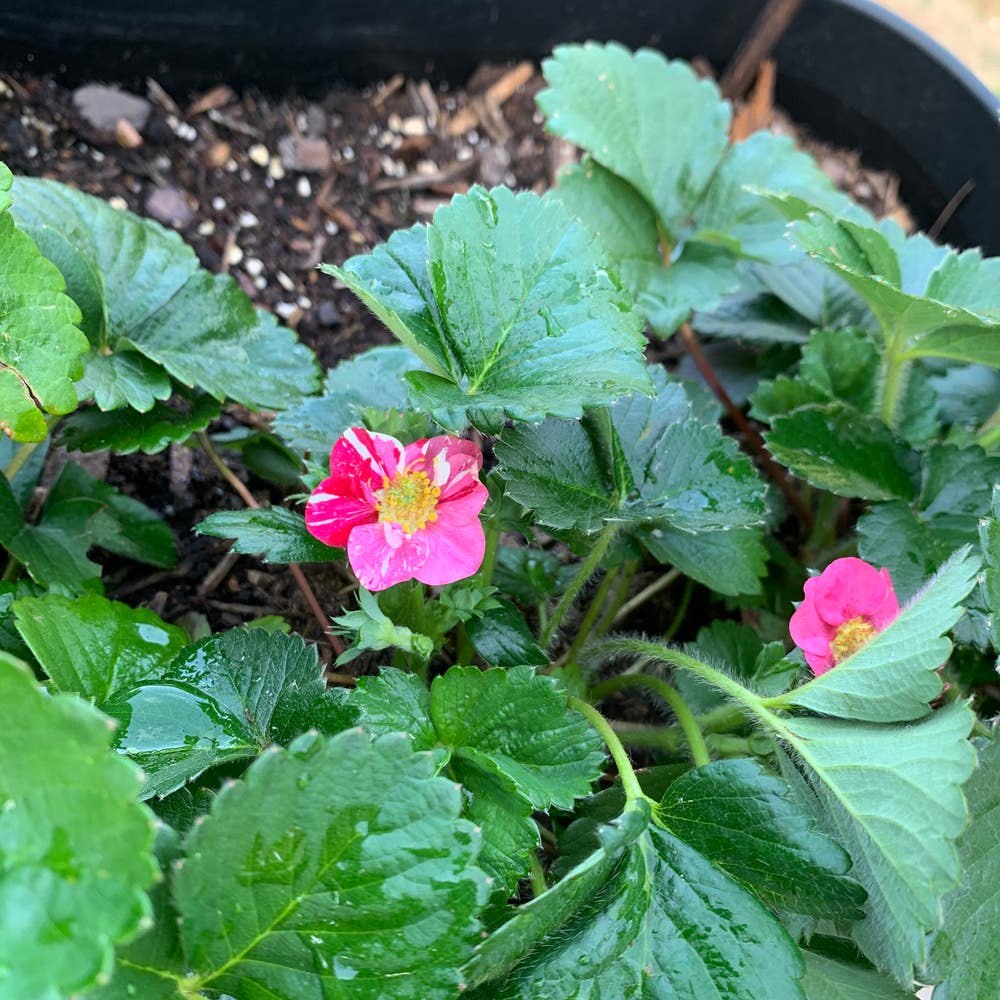
🌼 Introduction to Potentilla divaricata
Potentilla divaricata
By the Greg Editorial Team
Feb 27, 2025•13 min read
This article was created with the help of AI so we can cover more plants for you. May contain errors. See one? Report it here.
- 🌞 Potentilla divaricata thrives in full sun to partial shade; ideal for USDA zones 3-7.
- 🌱 Well-drained soil with pH 6.0-7.0 is crucial for healthy growth.
- 🌼 Low-maintenance and drought-tolerant, Potentilla attracts pollinators and enhances garden biodiversity.
How to Grow
Choosing a Location 🌍
Potentilla divaricata thrives in full sun to partial shade, making it adaptable to various garden settings. It flourishes best in USDA zones 3-7, so consider your local climate when selecting a spot.
When choosing a location, pay attention to microclimates and drainage. Areas that receive adequate sunlight and have good drainage will promote healthy growth.
Soil Preparation 🏞️
For optimal growth, Potentilla prefers well-drained sandy or loamy soil. This type of soil allows for proper root development and prevents waterlogging.
Aim for a slightly acidic to neutral pH, ideally between 6.0 and 7.0. To enhance soil fertility, mix in compost or organic matter before planting.
Planting Techniques 🌱
When planting, dig holes that are 1-2 inches deep. Space your plants 12-18 inches apart to give them room to grow and flourish.
The best times to plant are in spring or fall when temperatures are mild. This timing helps the plants establish roots before extreme weather sets in.
Watering Requirements 💧
After planting, give your Potentilla a deep watering to help it settle in. Moving forward, adjust your watering schedule based on soil moisture, typically watering weekly during dry spells.
Be on the lookout for signs of overwatering, like yellowing leaves, or underwatering, indicated by drooping foliage. Finding the right balance is key.
Fertilizing Guidelines 🌿
Use a balanced, slow-release fertilizer to nourish your plants. Apply it in early spring and again in mid-summer for the best results.
Always follow the package instructions for dosage to avoid over-fertilizing, which can harm your plants.
Pruning Methods ✂️
Prune your Potentilla in late winter or early spring before new growth begins. This timing ensures that your plants remain healthy and vibrant.
Focus on deadheading spent flowers and cutting back old growth. Pruning not only enhances aesthetics but also promotes better air circulation and plant health.
Ongoing Care 🧑🌾
If you're growing Potentilla in containers, ensure your pots have drainage holes and use a suitable potting mix. This prevents water from accumulating and causing root rot.
For outdoor plants, apply mulch to retain moisture and suppress weeds. Adjust your care routine seasonally based on climate changes to keep your plants thriving.
With these guidelines, you’ll be well on your way to cultivating a beautiful and resilient Potentilla divaricata in your garden!
Propagation
🌱 Seed Propagation Steps
To propagate Potentilla divaricata from seeds, start by collecting seeds from mature flowers in late summer. Next, prepare a seed-starting mix in trays and plant the seeds about 1/4 inch deep.
Keep the soil moist and warm, ideally around 70°F (21°C), to encourage germination. With the right conditions, you can expect seedlings to emerge within a couple of weeks.
🌿 Division Propagation Methods
For division propagation, the best time to act is in early spring or fall. Carefully dig up clumps of the plant and separate the roots, ensuring each division has healthy roots attached.
When replanting, space the divisions 12-18 inches apart to allow for proper growth. This method not only helps in propagation but also rejuvenates older plants.
✂️ Tips for Successful Cuttings
If you prefer taking cuttings, select healthy, non-flowering stems for the best results. Use a rooting medium that combines perlite and peat moss to promote root development.
Keep the cuttings in a humid environment until they establish roots. This method can be a rewarding way to expand your Potentilla collection.
With these propagation techniques, you can easily multiply your Potentilla divaricata and enjoy its beauty in various spots around your garden. Next, let's explore the lifecycle of this resilient plant.
Lifecycle
Lifecycle Stages 🌱
The lifecycle of Potentilla divaricata unfolds in several key stages. It begins with germination, which takes about 7-14 days under optimal conditions.
Next, the seedling stage sees the development of true leaves, marking the plant's transition to a more established form. Following this, the vegetative growth phase focuses on establishing robust foliage and roots, setting the stage for flowering.
From late spring to early summer, the plant produces striking yellow blooms, which are not only beautiful but also vital for attracting pollinators. After flowering, the plant enters the seed production phase, where it forms seeds that can be harvested for propagation.
Duration Until Maturity ⏳
Potentilla divaricata typically takes around two years to reach full maturity. This timeframe allows the plant to develop a strong root system and vibrant foliage, ensuring it can thrive in various conditions.
Growth Rate Specifics 📈
The average growth rate of Potentilla divaricata is moderate, with some seasonal variations. Factors such as sunlight, water availability, and soil quality can influence how quickly the plant grows, making it adaptable to different environments.
Understanding these lifecycle stages is crucial for anyone looking to cultivate this resilient plant. With the right care, you can enjoy its beauty and benefits for years to come.
As we delve deeper into the specifics of Potentilla divaricata, let’s explore its size and growth characteristics next.
Size
Mature Height and Spread 🌱
Potentilla divaricata typically reaches a height of 12 to 24 inches, making it a versatile choice for various garden settings. Its spread usually ranges from 18 to 24 inches, allowing it to fill in spaces effectively.
Growth Rate and Size Variability 📈
Several factors influence the size of Potentilla divaricata, including soil quality, sunlight exposure, and water availability. Variability in size can also occur based on the environmental conditions in which the plant is grown.
Impact of Growing Conditions on Size 🌍
When grown under optimal conditions, Potentilla divaricata flourishes, showcasing its full potential in height and spread. In contrast, suboptimal conditions can stunt growth, leading to smaller plants that may not thrive as well.
Container growth can also affect size; plants in pots may not reach the same dimensions as those planted directly in the ground. This is often due to limited root space and resources available in containers.
Understanding these size dynamics can help you make informed decisions about planting and caring for Potentilla divaricata. With the right conditions, you can enjoy a robust and vibrant addition to your garden.
As we explore the next section, let's delve into the fascinating world of Potentilla divaricata's roots and their significance in overall plant health.
Roots
Characteristics of the Root System 🌱
Potentilla divaricata features a fibrous root system that is both shallow and spreading. This structure allows the plant to efficiently absorb nutrients and moisture from the upper layers of the soil.
Common Root-Related Issues and Solutions ⚠️
One of the most common problems is root rot, which manifests as wilting and yellowing leaves. To prevent this, ensure the soil is well-drained and avoid overwatering, as excess moisture can lead to decay.
Identifying Healthy vs. Unhealthy Roots 🔍
Healthy roots are firm, white, and spread out well within the soil. In contrast, unhealthy roots appear dark, mushy, or may emit a foul smell, indicating a serious issue that needs addressing.
Understanding Rootbound Conditions 🪴
Rootbound conditions occur when roots circle the pot, limiting the plant's growth potential. Signs of this issue include stunted growth and roots emerging from drainage holes, which signal it's time to repot into a larger container.
By keeping an eye on the root system, you can ensure your Potentilla divaricata thrives. Next, let's explore the benefits this resilient plant brings to your garden.
Benefits
🌼 Ornamental Value
Potentilla divaricata boasts stunning yellow flowers that brighten up any garden. Their vibrant hue adds a splash of color, making them a favorite among landscape enthusiasts.
🌍 Erosion Control
This hardy plant serves as an excellent ground cover, effectively stabilizing soil and preventing erosion. Its spreading nature helps maintain soil integrity, especially on slopes or loose ground.
🐝 Attracting Pollinators
The nectar-rich blooms of Potentilla divaricata are a magnet for bees and butterflies. By planting this species, you can create a lively ecosystem that supports these essential pollinators.
📜 Cultural Significance
Historically, Potentilla has been valued in traditional medicine and folklore. Its uses span various cultures, showcasing its importance beyond mere aesthetics.
🌱 Low Maintenance
One of the standout features of Potentilla divaricata is its resilience. This drought-tolerant plant thrives in poor soil conditions, making it an ideal choice for gardeners seeking low-maintenance options.
With its myriad benefits, Potentilla divaricata is not just a pretty face in the garden. Its practical advantages make it a smart addition to any landscape. Next, let’s explore companion plants that can enhance your gardening experience even further.
Companion Plants
🌱 Companion Planting Benefits
Companion planting is a fantastic way to enhance your garden's diversity while managing pests naturally. By strategically placing plants together, you can create a thriving ecosystem that supports healthy growth.
🌼 Recommended Companion Plants
Lavender: This aromatic herb not only attracts pollinators but also repels common garden pests, making it a perfect partner for Potentilla divaricata.
Catmint: With similar care requirements and a visually appealing presence, catmint complements Potentilla beautifully while also attracting beneficial insects.
Sedum: As a hardy ground cover, sedum works well with Potentilla, helping to retain soil moisture and suppress weeds.
🚫 Plants to Avoid
When planning your garden, steer clear of heavy feeders that compete for nutrients. These plants can hinder the growth of Potentilla and disrupt the balance of your garden ecosystem.
By choosing the right companions, you can create a vibrant and resilient garden environment. This thoughtful approach not only benefits your Potentilla but also enhances the overall health of your garden. Next, let’s explore the potential toxicity of Potentilla divaricata to humans and pets.
Toxicity to Humans
Safety Overview 🛡️
Potentilla divaricata is not considered toxic by major poison control centers. This means you can enjoy its beauty without worrying too much about harmful effects.
Minor Issues ⚠️
While generally safe, consuming large quantities may lead to mild skin irritation or digestive discomfort. It's always wise to exercise caution and consult a medical professional if you experience any unusual symptoms.
Final Thoughts 🌼
In summary, Potentilla divaricata offers a low-risk addition to your garden. Just remember to enjoy its vibrant blooms responsibly!
As we explore the next section, let's delve into the plant's safety for our furry friends.
Toxicity to Dogs
Safety Overview 🐶
Potentilla divaricata is not listed as toxic by major pet poison control centers. This means your furry friends can enjoy the garden without major risks.
Minor Issues 🐾
While generally safe, excessive consumption may lead to mild gastrointestinal upset in dogs. It's always a good idea to keep an eye on your pets around plants.
Tips for Care 🛡️
To ensure a safe environment, place Potentilla divaricata in areas where dogs can't easily access them. Regularly monitor their behavior to prevent any unwanted nibbling.
With these precautions, you can enjoy the beauty of Potentilla divaricata while keeping your canine companions safe. Next, let’s explore how this plant interacts with our feline friends.
Toxicity to Cats
Safety Overview 🐱
Potentilla divaricata is not listed as toxic by major pet poison control centers. This means your feline friends can safely roam around these plants without the risk of serious harm.
However, if a cat consumes a significant amount, it may experience mild gastrointestinal upset. This could manifest as a bit of vomiting or diarrhea, but it's generally nothing to worry about.
Tips for Cat Owners 🏡
To ensure your cat stays safe, consider the placement of your Potentilla. Keeping it out of reach can prevent any curious nibbling.
Additionally, monitor your cat's behavior around the plant. If you notice any unusual symptoms after they’ve been near it, consult your veterinarian for peace of mind.
In summary, while Potentilla divaricata poses minimal risk to cats, a little caution goes a long way in keeping your furry companions healthy and happy.
Problems
Common Problems 🌱
Growing Potentilla divaricata can be rewarding, but it's essential to be aware of potential issues that may arise.
Overwatering is a common mistake. Symptoms include yellowing leaves and wilting, which can signal that the roots are drowning.
Underwatering can be just as detrimental. Signs of this issue include drooping leaves and dry soil, indicating that your plant is thirsty.
Light Conditions ☀️
Incorrect light conditions can lead to problems as well. If your Potentilla is getting too much sun, you might notice leaf scorch, while insufficient light can result in leggy growth.
Diseases 🦠
Fungal diseases can also pose a threat. Watch out for powdery mildew and rust, which can spread quickly if not addressed.
Root Problems 🥴
Root-related issues are another concern. Root rot can develop in overly wet conditions, leading to squishy roots that can ultimately kill the plant.
By staying vigilant and addressing these common problems, you can ensure your Potentilla divaricata thrives in your garden. Next, let’s explore the pests that might disrupt your plant's growth.
Bugs
Common Pests 🐜
Potentilla divaricata can attract several common pests that may affect its health.
- Spider Mites: Look for fine webbing and stippled leaves, which indicate their presence.
- Scale Insects: These pests leave a sticky residue and cause yellowing leaves, making them easy to spot.
- Aphids: If you notice curling leaves and the presence of ants, aphids are likely the culprits.
Identification and Damage 🔍
Identifying these pests early can save your plants from serious damage.
- Spider Mites: They thrive in dry conditions and can quickly cause leaf damage if not controlled.
- Scale Insects: These pests attach themselves to stems and leaves, sucking sap and weakening the plant.
- Aphids: They reproduce rapidly and can lead to stunted growth and distorted foliage.
Treatment Options 💊
Managing pest infestations can be straightforward with the right approach.
- Organic Solutions: Introduce beneficial insects like ladybugs or use insecticidal soap to combat pests without harming the environment.
- Chemical Solutions: If the infestation is severe, consider using a targeted pesticide, following the instructions carefully to minimize harm to beneficial insects.
By staying vigilant and addressing pest issues promptly, you can keep your Potentilla divaricata thriving and beautiful. Next, let’s explore what animals might be munching on your plants.
What Eats
🦌 Common Animals
Potentilla divaricata can attract a variety of wildlife.
- Deer: Look for signs of browsing on leaves and stems, which can indicate their presence.
- Rabbits: Evidence of nibbling on young shoots is a telltale sign that these furry friends are nearby.
- Squirrels: If you notice digging around the base of the plant, it’s likely squirrels are investigating.
🐾 Signs of Animal Presence
Identifying animal activity can help you protect your plants.
- Tracks: Look for footprints in the soil or surrounding areas.
- Droppings: Animal droppings can provide clues about which critters are visiting.
- Damaged Foliage: Chewed leaves or stems can signal that animals are feasting on your Potentilla.
🚫 Deterrent Methods
Keeping animals at bay is essential for maintaining your garden's health.
- Chemical Solutions: Commercial repellents can deter animals but should be used cautiously.
- Organic Control: Consider using natural deterrents like garlic spray or cayenne pepper to keep pests away.
By being proactive and observant, you can enjoy the beauty of Potentilla divaricata while minimizing the impact of hungry animals. Next, let’s explore common problems that may arise while growing this resilient plant.
⚠️ Safety First
This content is for general information and may contain errors, omissions, or outdated details. It is not medical, veterinary advice, or an endorsement of therapeutic claims.
Always consult a qualified healthcare professional before using any plant as food, medicine, or supplement.
Never eat any plant (or feed one to pets) without confirming its identity with at least two trusted sources.
If you suspect poisoning, call Poison Control (800) 222-1222, the Pet Poison Helpline (800) 213-6680, or your local emergency service immediately.
Spotted an error? Please report it here.
Unlock a thriving garden display 🌼 with Potentilla divaricata by using Greg's tailored care reminders and expert tips to ensure your plants flourish beautifully!