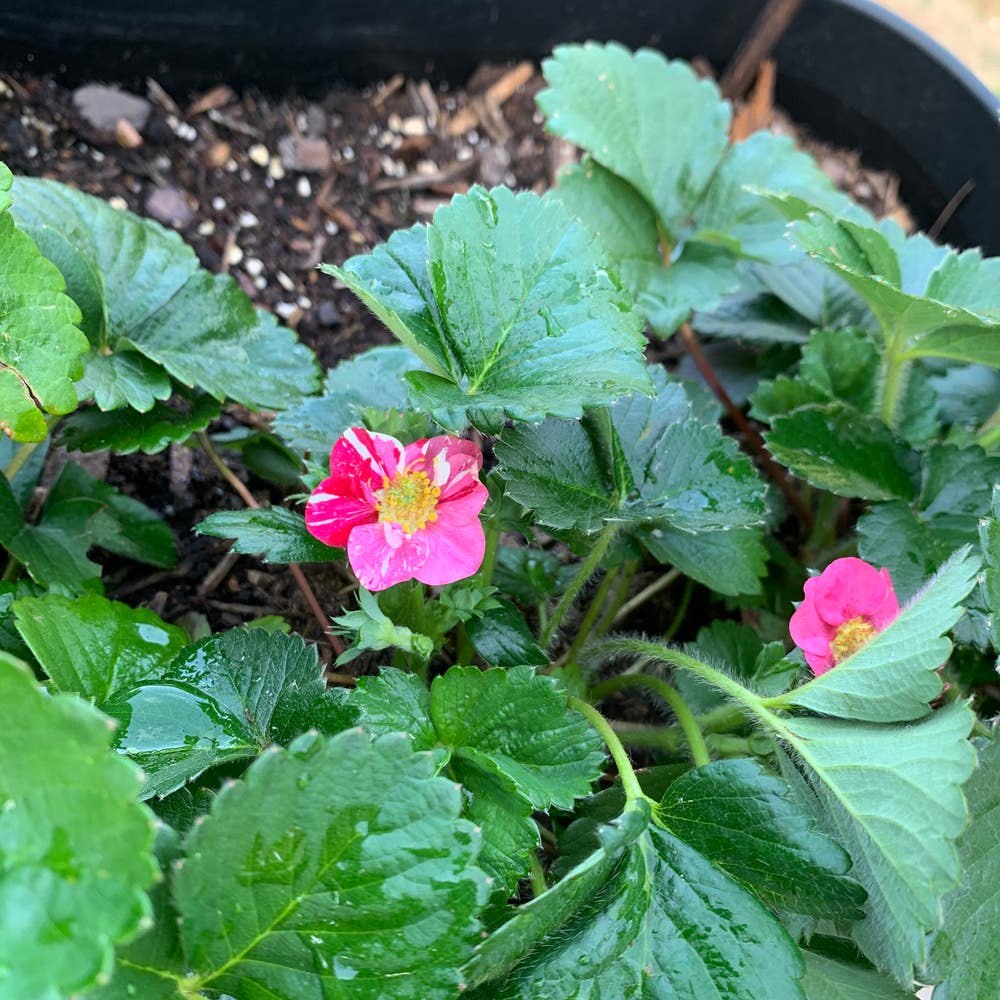
What is a Potentilla desertorum? Complete Guide 🌼
Potentilla desertorum
By the Greg Editorial Team
Feb 27, 2025•11 min read
This article was created with the help of AI so we can cover more plants for you. May contain errors. See one? Report it here.
Discover how Potentilla desertorum can thrive in your garden, bringing beauty and resilience to arid spaces! 🌞
- 🌞 Potentilla desertorum needs 6-8 hours of sunlight for optimal growth.
- 🌱 Plant in well-draining soil with a pH of 6.0 to 7.5 for best results.
- 💧 Drought-tolerant once established, but requires regular watering initially.
How to Grow
Choosing a Location 🌞
Potentilla desertorum thrives in full sun, requiring 6 to 8 hours of direct sunlight daily. This plant is best suited for arid or semi-arid regions, where well-drained areas allow its roots to breathe.
Soil Preparation 🏜️
For optimal growth, use well-draining sandy or loamy soil. Aim for a soil pH between 6.0 and 7.5, which is slightly acidic to neutral.
Planting Techniques 🌱
The best time to plant Potentilla desertorum is in early spring or fall. Space the plants 12 to 18 inches apart to ensure they have room to grow and flourish.
Watering Requirements 🚰
Initially, water the plants regularly until they are established. Once settled, their drought tolerance means you can reduce watering frequency significantly.
Fertilizing Guidelines 🍽️
Light fertilization in spring helps promote healthy growth. A balanced NPK fertilizer is ideal for providing the necessary nutrients.
Pruning Methods ✂️
Prune in late winter or early spring, just before new growth begins. Focus on removing dead or damaged stems to encourage robust and healthy development.
Ongoing Care 🌿
For container care, ensure adequate drainage and keep an eye on moisture levels. In outdoor settings, mulching is beneficial for retaining soil moisture and suppressing weeds.
With these guidelines, you'll set the stage for a thriving Potentilla desertorum. Next, let’s explore how to propagate this resilient plant for even more vibrant blooms in your garden.
Propagation
🌱 Seed Propagation
To propagate Potentilla desertorum from seeds, sow them at a depth of 1/4 inch. Expect germination to take between 14 to 30 days, depending on environmental conditions.
🌿 Division of Established Plants
Dividing established plants is best done in early spring or fall. This method involves carefully separating clumps and replanting them to encourage new growth.
✂️ Cuttings Method
For propagation via cuttings, select healthy stems that are 4-6 inches long. Use a well-draining soil or perlite as the rooting medium to promote successful rooting.
This propagation knowledge will help you expand your garden with Potentilla desertorum, ensuring vibrant blooms and healthy plants. Next, let’s explore the lifecycle of this resilient species.
Lifecycle
Germination Process 🌱
Potentilla desertorum seeds thrive best at temperatures between 65°F to 70°F (18°C to 21°C). This warm environment encourages successful germination, setting the stage for healthy growth.
Seedling Development 🌿
Once germinated, seedlings take about 4-6 weeks to develop before they are ready for transplanting. During this period, ensure they receive adequate light and moisture to promote strong growth.
Flowering and Seed Production 🌸
Expect vibrant flowers to bloom from late spring to early summer. After flowering, seeds mature in late summer, ready for collection and propagation.
Lifespan and Growth Rate ⏳
Under optimal conditions, Potentilla desertorum has a lifespan of 3-5 years. Its moderate growth rate allows it to reach maturity in about 2-3 years, making it a reliable addition to your garden.
This lifecycle overview highlights the essential stages of Potentilla desertorum, ensuring you’re well-prepared for each phase. Next, we’ll explore the plant's size and growth characteristics.
Size
Mature Height and Spread 🌱
Potentilla desertorum typically reaches a mature height of 12 to 18 inches. Its spread can extend from 24 to 36 inches, making it a lovely addition to any garden space.
Growth Rate and Size Variability 📈
This plant exhibits a moderate growth rate, which can vary based on environmental conditions. Factors such as sunlight, soil quality, and watering practices play a significant role in how quickly it reaches its full size.
Understanding these dimensions helps in planning your garden layout effectively. With the right care, Potentilla desertorum can thrive and add vibrant color to your landscape.
As you consider its size, think about how it will fit with other plants in your garden. This will ensure a harmonious and visually appealing arrangement.
Roots
Root System Characteristics 🌱
Potentilla desertorum features a fibrous root system that helps anchor the plant securely in the soil. This type of root structure is essential for stability and nutrient absorption.
Depth and Spread of Roots 📏
Typically, the roots extend to a depth of 12-18 inches. They can also spread beyond the plant's canopy, allowing for efficient resource gathering.
Common Root-Related Issues ⚠️
One of the most common problems is root rot, which occurs due to overwatering or poor drainage. This can severely impact the plant's health and growth.
Identifying Healthy vs. Unhealthy Roots 🔍
Healthy roots are firm, white, and spread evenly throughout the soil. In contrast, unhealthy roots appear dark, mushy, or may emit a foul smell, indicating decay.
Recognizing Rootbound Plants 🪴
Signs of a rootbound plant include roots growing out of drainage holes or circling the pot. To remedy this, consider repotting or dividing the plant to promote healthier growth.
Understanding the root system of Potentilla desertorum is crucial for its successful cultivation. Proper care and attention to root health can lead to a thriving, vibrant plant in your garden.
Benefits
Five Key Benefits 🌟
Potentilla desertorum offers a range of advantages that make it a fantastic addition to any garden. Here are five key benefits to consider:
Drought Tolerance: This plant is a champion at conserving water, making it an excellent choice for landscaping in arid regions. Its ability to thrive with minimal watering helps reduce overall water usage.
Erosion Control: With its robust root system, Potentilla desertorum stabilizes soil in vulnerable areas. This makes it a valuable ally in preventing soil erosion, especially on slopes or in sandy environments.
Attracts Pollinators: The bright, cheerful flowers of Potentilla desertorum are a magnet for bees and butterflies. By planting this species, you can enhance biodiversity and support local pollinator populations.
Low Maintenance: Once established, this plant requires minimal care. Its resilience means you can enjoy a vibrant garden without the constant upkeep that many other plants demand.
Aesthetic Appeal: With its vibrant colors and unique texture, Potentilla desertorum adds visual interest to any garden. It can serve as a stunning focal point or complement other plants beautifully.
Incorporating Potentilla desertorum into your garden not only enhances its beauty but also contributes to a sustainable and low-maintenance landscape. Next, let's explore the concept of companion planting and how it can further benefit your gardening efforts.
Companion Plants
🌱 Concept of Companion Planting
Companion planting is all about creating a harmonious garden ecosystem. By pairing plants that benefit each other, you enhance garden diversity and improve pest management.
🌼 Best Companion Plants
When it comes to Potentilla desertorum, consider these top companions:
Lavender
Lavender thrives on similar water needs and attracts beneficial insects, making it a perfect partner.
Sedum
Sedum complements the drought tolerance of Potentilla desertorum while providing excellent ground cover.
Yarrow
Yarrow shares similar growing conditions and is known to attract pollinators, boosting your garden's biodiversity.
🚫 Plants to Avoid
Be cautious with heavy feeders. These plants require high nutrient levels and can compete with Potentilla desertorum, leading to poor growth.
By choosing the right companions, you can create a vibrant and thriving garden that not only looks great but also supports local wildlife. Next, let’s explore the fascinating topic of toxicity and safety regarding Potentilla desertorum for humans and pets.
Toxicity to Humans
Potentilla desertorum is considered non-toxic and is not listed as harmful by major poison control centers. This means you can enjoy its beauty without worrying about severe health risks.
However, it's important to note that consuming large quantities may lead to mild skin irritation or digestive discomfort. Always exercise caution with any plant and consult a medical professional if you experience unusual symptoms after contact or consumption.
In summary, while Potentilla desertorum is safe for most people, a little mindfulness goes a long way. Enjoy this resilient plant in your garden, but remember to keep an eye on how you interact with it.
Next, let’s explore how Potentilla desertorum affects our furry friends, particularly dogs.
Toxicity to Dogs
Potentilla desertorum is considered non-toxic to dogs, meaning it’s not listed as harmful by major pet poison control centers. This makes it a safe choice for gardens frequented by our furry friends.
However, it's worth noting that if consumed in large quantities, dogs may experience mild gastrointestinal upset.
To ensure your dog's safety, keep the plant out of reach and monitor their behavior around it. This simple precaution can help prevent any potential issues while allowing your garden to thrive.
As you enjoy the beauty of Potentilla desertorum, rest easy knowing your canine companions can roam freely without risk.
Next, let’s explore the plant's toxicity to cats, ensuring all your pets are safe in your garden space.
Toxicity to Cats
🐱 Non-Toxic Plants
Potentilla desertorum is non-toxic to cats, making it a safe addition to your garden. According to major pet poison control centers, this plant poses no significant threat to feline health.
While it’s generally safe, consuming large quantities may lead to mild gastrointestinal upset. It's always wise to monitor your cat's behavior around any plant, just to be cautious.
To keep your furry friend safe, consider placing the plant out of reach. This simple precaution can help prevent any potential nibbling and ensure your cat enjoys a healthy environment.
Problems
Common Problems 🌱
Incorrect Watering
Watering issues are a common challenge for Potentilla desertorum. Symptoms like wilting or yellowing leaves can indicate either overwatering or underwatering.
- Solutions: Adjust your watering schedule based on the moisture level of the soil. Regularly check the soil to ensure it’s neither too dry nor soggy.
Incorrect Light Conditions
Light conditions play a crucial role in the health of your plant. If you notice leggy growth or poor flowering, it may be a sign of insufficient sunlight.
- Solutions: Relocate your Potentilla to a sunnier spot where it can soak up full sun for 6-8 hours daily.
Diseases
Diseases such as powdery mildew and rust can affect your plant's vitality. Look for symptoms like white powdery spots or yellowing leaves.
- Solutions: Improve air circulation around the plant and apply fungicides if necessary to combat these issues.
Root Problems
Root-related issues often manifest as wilting, even when you’re watering adequately. This can be a sign of root rot caused by overwatering.
- Solutions: Ensure proper drainage in your pots or garden beds and adjust your watering habits accordingly.
Leaf Issues
Excessive heat or nutrient deficiencies can lead to leaf problems, such as scorching or yellowing.
- Solutions: Provide shade during peak heat and consider fertilizing to replenish nutrients in the soil.
Conclusion 🌟
By addressing these common problems, you can ensure your Potentilla desertorum thrives. Next, let’s explore the potential pest issues that could affect your plant's health.
Bugs
🐞 Potential Pest Issues
While Potentilla desertorum is generally pest-resistant, it can still fall victim to a few pesky critters. Keeping an eye out for these pests can help maintain the health of your plants.
🔍 Identification and Damage
Spider Mites
Spider mites are tiny but can cause significant damage. Look for fine webbing and stippled leaves as signs of their presence.
- Treatment: Increase humidity around the plant and consider using miticides to eliminate these pests.
Aphids
Aphids are notorious for their sticky residue and curled leaves. They can quickly multiply and stress your plant.
- Treatment: Apply neem oil or insecticidal soap to control their population effectively.
Mealybugs
These pests appear as cotton-like masses on stems, making them easy to spot. They can weaken your plant by sucking its sap.
- Treatment: Manual removal is effective, along with insecticidal soap to ensure they don't return.
Whiteflies
Whiteflies are small, white insects that often hide on the undersides of leaves. Their presence can lead to yellowing foliage and overall plant decline.
- Treatment: Use yellow sticky traps to catch them and apply insecticidal soap for a more thorough approach.
By staying vigilant and addressing these pest issues promptly, you can ensure your Potentilla desertorum thrives. Next, let’s explore what animals might be attracted to your garden and how to manage them effectively.
What Eats
Common Animals 🦊
Potentilla desertorum can attract a variety of garden animals, each with its own feeding habits. Understanding these visitors helps you protect your plants effectively.
Signs of Animal Presence 🐾
Deer 🦌
Deer are often drawn to the tender leaves and stems of Potentilla desertorum. Look for signs like browsing marks on the foliage, which indicate their presence.
Deterrent: Fencing or repellents can help keep deer at bay.
Rabbits 🐇
Rabbits love to nibble on Potentilla desertorum, leaving behind cleanly cut stems and leaves. Their presence can quickly become evident if you notice these telltale signs.
Deterrent: Physical barriers or repellents are effective in deterring rabbits.
Squirrels 🐿️
Squirrels may dig around the plant or chew on its stems. If you see chewed stems or disturbed soil, it’s likely they’ve been visiting.
Deterrent: Motion-activated sprinklers or noise deterrents can help keep squirrels away.
Birds 🐦
Birds are attracted to the flowers and seeds of Potentilla desertorum. Signs of their presence include pecked flowers or missing seeds.
Deterrent: Using netting or reflective tape can discourage birds from feasting on your plants.
Rodents 🐭
Rodents may gnaw on the roots or stems of your Potentilla desertorum. Look for gnawed areas as a sign of their activity.
Deterrent: Traps or introducing natural predators can help manage rodent populations.
By recognizing these signs and employing effective deterrents, you can protect your Potentilla desertorum from unwanted visitors. This proactive approach ensures your plants thrive in the garden.
⚠️ Safety First
This content is for general information and may contain errors, omissions, or outdated details. It is not medical, veterinary advice, or an endorsement of therapeutic claims.
Always consult a qualified healthcare professional before using any plant as food, medicine, or supplement.
Never eat any plant (or feed one to pets) without confirming its identity with at least two trusted sources.
If you suspect poisoning, call Poison Control (800) 222-1222, the Pet Poison Helpline (800) 213-6680, or your local emergency service immediately.
Spotted an error? Please report it here.
Transform your garden into a pollinator paradise 🐝 with Potentilla desertorum by using Greg's tailored care reminders to keep your plants thriving in full sun!