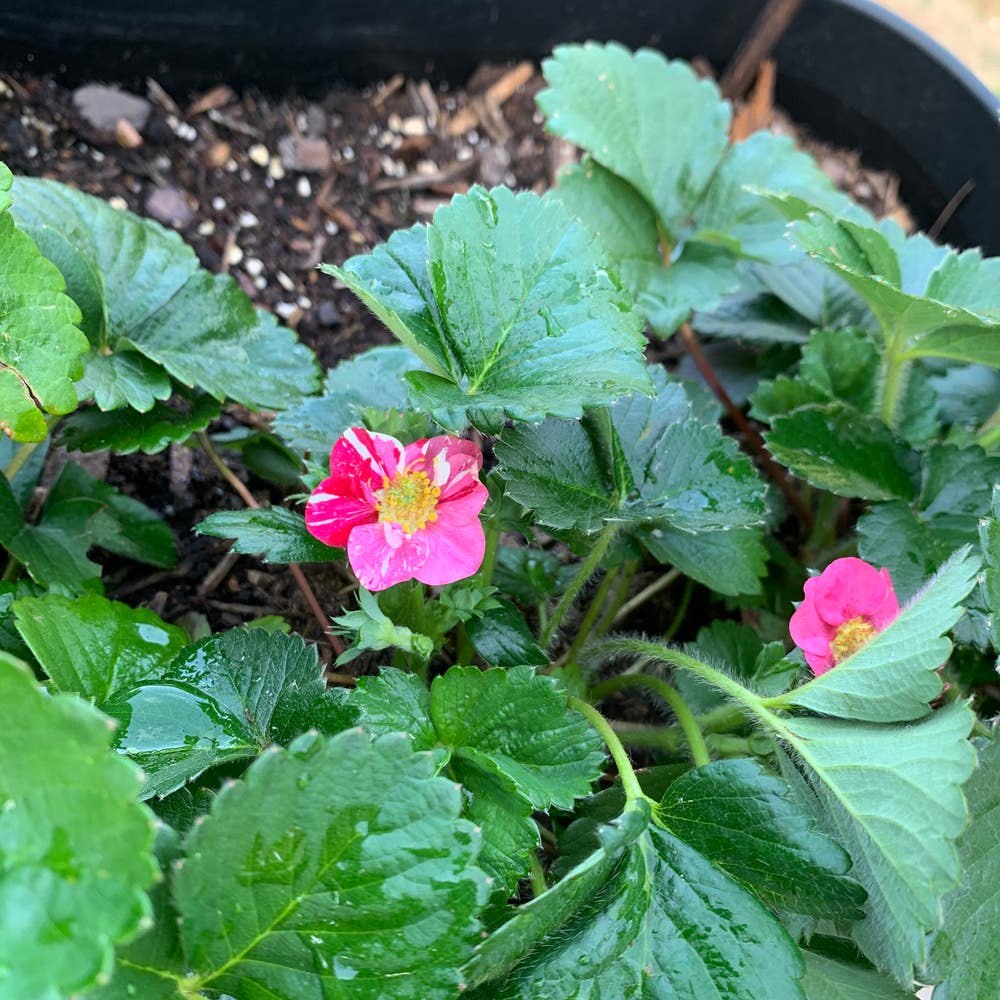
🌼 Introduction to Potentilla demotica
Potentilla demotica
By the Greg Editorial Team
Feb 27, 2025•10 min read
This article was created with the help of AI so we can cover more plants for you. May contain errors. See one? Report it here.
- 🌞 Potentilla demotica needs 6+ hours of sunlight for optimal growth.
- 🌱 Well-drained soil with pH 6.0-7.0 is essential for healthy roots.
- 🐝 This perennial attracts pollinators, enhancing garden biodiversity.
How to Grow
🌞 Choosing a Location
To thrive, Potentilla demotica requires at least 6 hours of direct sunlight daily. It flourishes best in temperate regions that experience moderate rainfall.
🏖️ Soil Preparation
This plant prefers well-drained sandy or loamy soil. Aim for a soil pH between 6.0 and 7.0, which is slightly acidic to neutral.
🌱 Planting Techniques
When planting, dig a hole that is 1-2 inches deep. Space your plants 12-18 inches apart to allow for optimal growth and airflow.
💧 Watering Requirements
Initially, keep the soil consistently moist until the plants are established. Once they are settled, they can tolerate drought and only need watering during prolonged dry spells.
🌼 Fertilizing Schedule
Feed your Potentilla demotica lightly with a balanced fertilizer in early spring. Typically, once a year is sufficient to keep them healthy.
✂️ Pruning Methods
Prune your plants in late winter or early spring before new growth begins. Focus on removing dead or damaged stems to encourage robust growth.
🔍 Ongoing Care
For container plants, ensure pots have drainage holes and monitor moisture levels closely. If planted outdoors, regularly check for pests and diseases, while also maintaining soil health.
With these guidelines, you'll set your Potentilla demotica up for success. Next, let’s explore how to propagate this resilient plant!
Propagation
🌱 Seed Propagation
To propagate Potentilla demotica from seeds, start by sowing them about 1/4 inch deep in well-drained soil. Under optimal conditions, expect germination to take place within 14 to 30 days.
✂️ Cutting Propagation
For cutting propagation, take healthy stems and cut them into lengths of 4 to 6 inches. Use a rooting medium that combines peat and perlite for the best results.
🌿 Division Propagation
Dividing the plant is best done in early spring or fall. Carefully separate the clumps and replant them immediately to ensure successful growth.
This propagation knowledge allows you to expand your garden effortlessly. Next, let’s explore the lifecycle of Potentilla demotica and how it develops over time.
Lifecycle
🌱 Lifecycle Stages
Potentilla demotica is a perennial plant, meaning it lives for multiple years. This longevity allows it to thrive in various conditions, making it a resilient choice for gardens.
🌡️ Germination Process
For successful germination, maintain an optimal temperature between 65°F to 75°F (18°C to 24°C). This warmth encourages seeds to sprout and begin their journey.
🌿 Seedling Stage
Once germinated, seedlings typically take about 4-6 weeks to develop enough for transplanting. During this time, they require consistent care to ensure healthy growth.
☀️ Vegetative Growth
The vegetative growth phase usually occurs in spring and summer. This is when the plant focuses on leaf development and overall size increase.
🌼 Flowering and Seed Production
Potentilla demotica flowers in late spring to early summer, showcasing its vibrant blooms. Seed production follows shortly after flowering, allowing for the continuation of its lifecycle.
⏳ Growth Timeline
The plant reaches full maturity in approximately 2-3 years. With a moderate growth rate, established plants can grow 1-2 feet per year, filling your garden with lush greenery.
As we explore the lifecycle of Potentilla demotica, it's clear that understanding its growth stages is essential for successful cultivation. Next, we will delve into the size of this remarkable plant and what you can expect as it matures.
Size
Mature Height and Spread 🌱
Potentilla demotica typically reaches a mature height of 12 to 24 inches. Its spread can range from 18 to 24 inches, making it a versatile choice for various garden layouts.
Growth Rate and Size Variability 📈
This plant exhibits a moderate growth rate, which can fluctuate based on environmental conditions. Factors such as soil quality and sunlight exposure significantly influence its overall size.
Factors Affecting Size 🌍
Soil fertility plays a crucial role in the growth of Potentilla demotica. Richer soils tend to promote larger plants, while consistent moisture availability ensures healthier growth.
Understanding these size characteristics can help you plan your garden effectively. With the right conditions, you can enjoy the vibrant presence of Potentilla demotica in your landscape.
Roots
Root System Characteristics 🌱
Potentilla demotica features a fibrous root system. This type of root structure is essential for stability and nutrient absorption.
Root Depth and Spread 📏
Typically, the roots extend 12-18 inches deep. They can spread out 12-24 inches from the base, allowing the plant to access moisture and nutrients effectively.
Common Root-Related Issues ⚠️
One of the most common problems is root rot, often caused by overwatering. To prevent this, ensure your soil is well-drained and avoid waterlogging.
Identifying Healthy vs. Unhealthy Roots 🔍
Healthy roots are firm, white, and spread evenly throughout the soil. In contrast, unhealthy roots appear dark, mushy, or may emit a foul smell, indicating decay.
Recognizing Rootbound Plants 🪴
If you notice roots growing out of drainage holes or circling the pot, your plant may be rootbound. The solution is simple: repot into a larger container or divide the plant to encourage healthy growth.
Understanding the root system of Potentilla demotica is crucial for its overall health. With proper care, you can ensure your plant thrives and flourishes in your garden.
Benefits
Top 5 Benefits 🌼
Potentilla demotica offers numerous advantages for gardeners and nature enthusiasts alike.
- Attracts Pollinators: This plant is a magnet for bees and butterflies, enhancing garden biodiversity and supporting local ecosystems.
- Drought-Tolerant: Once established, it requires minimal watering, making it an excellent choice for water-conscious gardeners.
- Effective Ground Cover: Its sprawling growth helps prevent soil erosion, stabilizing the ground and promoting healthy soil.
- Low Maintenance: Ideal for busy individuals, Potentilla demotica thrives with little attention, allowing you to enjoy your garden without constant upkeep.
- Vibrant Yellow Flowers: The bright yellow blooms add a splash of color to any landscape, brightening up your outdoor space.
Cultural Significance 🌍
Beyond its practical benefits, Potentilla demotica holds cultural significance.
It symbolizes resilience and adaptability, traits that resonate across various cultures. This plant not only beautifies gardens but also embodies the spirit of thriving in diverse environments.
Incorporating Potentilla demotica into your garden is not just about aesthetics; it's about embracing a plant that reflects strength and endurance.
As you consider adding this perennial to your landscape, remember its multifaceted benefits and the positive impact it can have on both your garden and the environment.
Companion Plants
🌱 Concept of Companion Planting
Companion planting is a gardening strategy that enhances plant growth and health. By pairing compatible plants, you can improve pest management and boost overall garden diversity.
🌼 Best Companion Plants
When it comes to Potentilla demotica, certain companions shine.
- Lavender: This fragrant herb not only attracts pollinators but also repels pests, making it a perfect partner.
- Sedum: With similar care requirements, sedum complements Potentilla's aesthetics while thriving in similar conditions.
🚫 Plants to Avoid
While some plants work well together, others can compete for resources. Heavy feeders like tomatoes should be avoided, as they may drain nutrients from Potentilla, hindering its growth.
By choosing the right companions, you can create a thriving garden ecosystem that benefits all your plants. Next, let’s explore the potential toxicity of Potentilla demotica to humans and pets.
Toxicity to Humans
Potentilla demotica is not listed as toxic by major poison control centers, making it a safe choice for gardens. However, it's wise to be cautious; consuming large quantities may lead to mild skin irritation or digestive discomfort.
If you experience any unusual symptoms after contact or ingestion, it's always best to seek medical advice. Staying informed helps ensure a safe and enjoyable gardening experience!
Toxicity to Dogs
Potentilla demotica is not listed as toxic by major pet poison control centers, making it a safe choice for dog owners. However, it's important to note that excessive consumption can lead to mild gastrointestinal upset.
To keep your furry friends safe, consider keeping the plant out of their reach. Monitoring your dog's behavior around new plants is also a good practice to ensure they don't nibble on anything that could cause discomfort.
By being proactive, you can enjoy the beauty of Potentilla demotica in your garden without worrying about your dog's health. This plant can thrive in your landscape while keeping your canine companions safe and sound.
As we move forward, let’s explore how Potentilla demotica interacts with other pets, particularly cats.
Toxicity to Cats
Potentilla demotica is not listed as toxic by major pet poison control centers, making it a safe choice for cat owners. However, if consumed in large quantities, it may cause mild gastrointestinal upset.
👀 Monitoring Your Cat
It's always wise to keep an eye on your cat's behavior around new plants. If you notice any unusual symptoms after contact or ingestion, consult your veterinarian for advice.
By being proactive, you can enjoy your garden while ensuring your feline friend stays safe and healthy.
Problems
Common Problems 🌱
Growing Potentilla demotica can be rewarding, but it's not without its challenges. Here are some common issues you might encounter:
- Incorrect watering: Wilting or yellowing leaves often signal that your plant is either too dry or overwatered.
- Incorrect light conditions: If you notice leaf scorch, your plant may be getting too much direct sunlight.
- Diseases: Watch out for fungal issues like powdery mildew and rust, which can affect overall health.
- Root problems: Overwatering can lead to root rot, a serious condition that can kill your plant.
- Leaf issues: Scorching or fuzzy growth can indicate pest infestations or diseases.
Identifying Symptoms and Causes 🔍
Recognizing the signs of distress is crucial for timely intervention. Keep an eye out for changes in leaf color, texture, and overall vigor.
Solutions for Each Problem 🛠️
Addressing these problems often requires simple adjustments:
- Watering practices: Ensure you're watering appropriately—allow the soil to dry out between waterings.
- Light conditions: If leaf scorch occurs, consider relocating your plant to a spot with filtered sunlight.
- Disease treatment: Use appropriate fungicides to tackle fungal issues and maintain good air circulation around your plants.
By staying vigilant and proactive, you can keep your Potentilla demotica thriving and vibrant. Next, let’s explore the potential pest issues that could affect your plant.
Bugs
Potential Pest Issues 🐜
While Potentilla demotica is generally pest-resistant, it can still fall prey to a few common nuisances. Keeping an eye out for these pests can help maintain the health of your plants.
Identification and Damage 🔍
Spider mites are a frequent culprit, leaving behind fine webbing and stippled leaves that can signal trouble. On the other hand, aphids create a sticky residue and cause leaves to curl, indicating they’ve taken residence on your plant.
Treatment Options 🧪
For effective pest management, consider using neem oil or insecticidal soap. These treatments are not only effective but also eco-friendly, making them a great choice for the environmentally conscious gardener.
By staying vigilant and addressing pest issues promptly, you can ensure your Potentilla demotica thrives beautifully. Next, let’s explore what animals might be tempted to munch on this resilient plant.
What Eats
🦌 Common Animals
Potentilla demotica can attract a variety of hungry visitors. Deer, rabbits, and squirrels are known to munch on its foliage, which can lead to some unsightly damage.
👀 Signs of Animal Presence
Keep an eye out for telltale signs of these critters. Chewed leaves, tracks, or droppings near your plants can indicate that animals are enjoying a snack.
⚠️ Damage Caused
When these animals feast on your Potentilla, it can stunt growth and affect the overall health of the plant. Regular browsing can weaken the plant, making it more susceptible to other issues.
🚫 Deterrent Methods
To protect your plants, consider a few effective deterrent methods. Fencing can create a physical barrier, while repellents can make the plants less appealing. Companion planting with less palatable species can also help keep herbivores at bay.
By implementing these strategies, you can enjoy the beauty of Potentilla demotica without the worry of unwanted nibblers. Now, let’s explore how to keep your plants thriving through common problems they might face.
⚠️ Safety First
This content is for general information and may contain errors, omissions, or outdated details. It is not medical, veterinary advice, or an endorsement of therapeutic claims.
Always consult a qualified healthcare professional before using any plant as food, medicine, or supplement.
Never eat any plant (or feed one to pets) without confirming its identity with at least two trusted sources.
If you suspect poisoning, call Poison Control (800) 222-1222, the Pet Poison Helpline (800) 213-6680, or your local emergency service immediately.
Spotted an error? Please report it here.
Cultivate a thriving Potentilla demotica garden 🌼 with Greg's tailored care reminders and expert tips to ensure your plants get the sunlight, soil, and watering they need for vibrant growth!