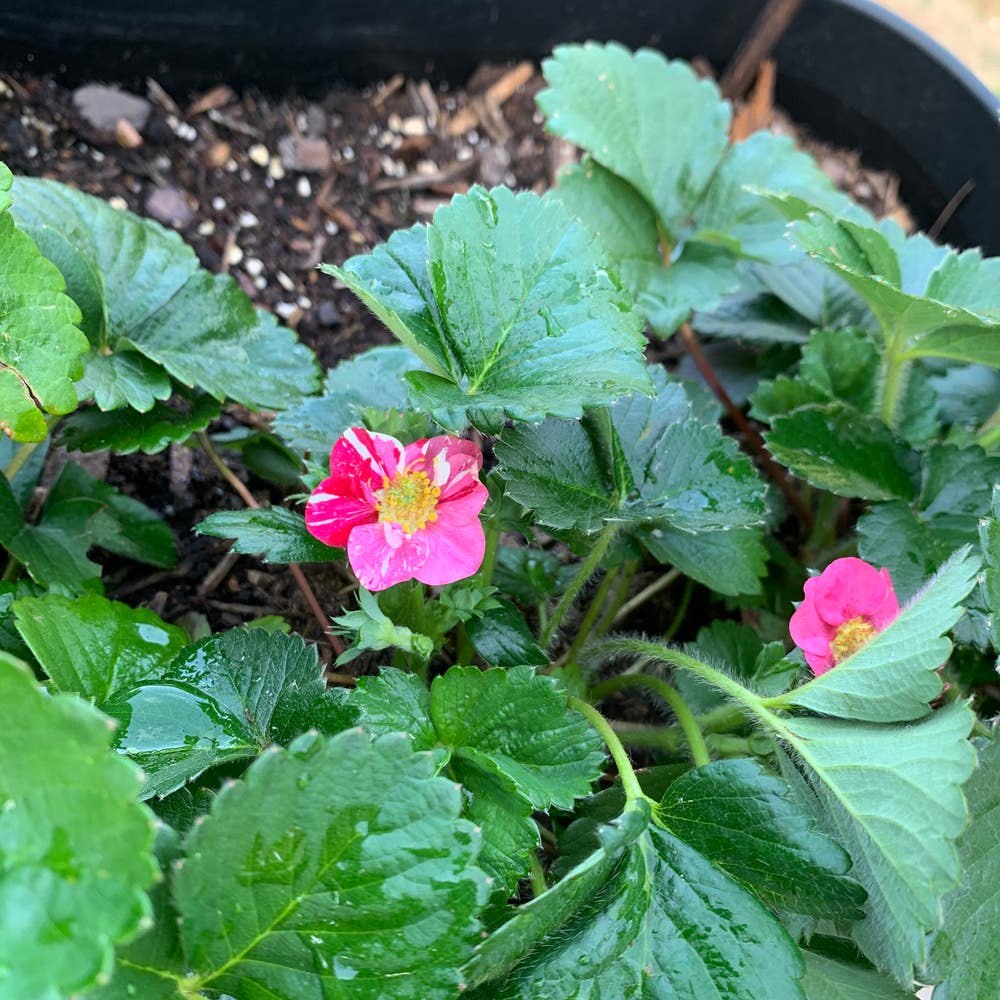
Introduction to Potentilla crebridens subsp. hemicryophila
Potentilla crebridens subsp. hemicryophila
By the Greg Editorial Team
Feb 27, 2025•11 min read
This article was created with the help of AI so we can cover more plants for you. May contain errors. See one? Report it here.
- 🌞 Potentilla thrives in 6-8 hours of sunlight, ideal for sunny to partially shaded areas.
- 🌱 Well-drained, slightly acidic to neutral soil is essential for healthy growth.
- 🐾 Non-toxic to pets, making Potentilla a safe garden choice for animal lovers.
How to Grow
Choosing a Location 🌞
When selecting a spot for Potentilla crebridens subsp. hemicryophila, aim for full sun to partial shade. Ideally, this plant needs 6-8 hours of sunlight daily and thrives in cooler climates, with temperatures between 15°C to 25°C (59°F to 77°F).
Soil Preparation 🏜️
The right soil is crucial for healthy growth. Potentilla prefers well-drained, rocky, or sandy soils with a slightly acidic to neutral pH, ideally between 6.0 and 7.0.
Planting Techniques 🌱
Proper planting techniques set the foundation for success. Space your plants 12-18 inches apart to allow for growth, and ensure you plant them at the same depth as they were in the nursery pot.
Watering Requirements 🚰
Watering is essential but must be done thoughtfully. Water regularly, allowing the soil to dry out between waterings, and always water at the base to keep foliage dry.
Fertilizing Guidelines 🍽️
Fertilization helps promote robust growth. Use a balanced, slow-release fertilizer, applying it in early spring before new growth begins.
Pruning Practices ✂️
Pruning is key to maintaining plant health. Late winter to early spring is the best time to prune, focusing on removing dead or damaged stems and spent flowers to encourage new growth.
Ongoing Care 🔍
Ongoing care involves regular monitoring of your plants. Keep an eye out for signs of stress or disease and adjust your watering and fertilization practices based on seasonal changes.
With these guidelines, you'll be well on your way to cultivating a thriving Potentilla crebridens subsp. hemicryophila in your garden. Next, let’s explore how to propagate this resilient plant for even more growth opportunities.
Propagation
🌱 Seed Propagation
To propagate Potentilla crebridens subsp. hemicryophila from seeds, sow them in spring. Germination typically takes 2-4 weeks, so keep the soil moist and warm, ideally around 20°C (68°F), to encourage sprouting.
✂️ Division of Established Plants
Dividing established plants is best done in early spring or fall. Carefully dig up the plant, divide the root ball into sections, and replant them to promote new growth.
🌿 Cuttings
Taking cuttings is another effective propagation method. Use healthy stems that are 4-6 inches long, taken in early summer, and place them in a moist, well-draining medium until roots develop, which usually takes about 2-3 weeks.
This propagation knowledge can help you expand your garden with more Potentilla crebridens subsp. hemicryophila plants, ensuring a vibrant display of their beautiful blooms. Next, let’s explore the lifecycle of this resilient plant.
Lifecycle
Lifecycle Stages 🌱
The lifecycle of Potentilla crebridens subsp. hemicryophila consists of several distinct stages: seed germination, seedling stage, vegetative growth, flowering, and seed production. Each phase plays a crucial role in the plant's development and overall health.
Germination Period ⏳
Under optimal conditions, the germination period for seeds typically ranges from 2 to 4 weeks. This initial stage is vital for establishing a strong foundation for future growth.
Overall Lifespan 🌳
This resilient plant can live for several years when provided with the right care and environment. Its longevity makes it a valuable addition to gardens and landscapes.
Growth Rate 📈
Potentilla crebridens subsp. hemicryophila has a moderate growth rate, reaching maturity in approximately 2 to 3 years. With proper attention, you can witness its transformation from a seedling to a flourishing plant in just a few seasons.
As you explore the lifecycle of this fascinating plant, consider how each stage contributes to its resilience and adaptability. Next, we will delve into the size of Potentilla crebridens subsp. hemicryophila, examining its mature height and spread.
Size
Mature Height and Spread 🌱
Potentilla crebridens subsp. hemicryophila typically reaches a mature height of 12 to 24 inches. Its spread can extend to 18 to 24 inches wide, making it a lovely addition to any garden.
Growth Rate and Factors Affecting Size 📈
This plant has a moderate growth rate, which can be influenced by several factors. Soil quality, sunlight exposure, and water availability all play crucial roles in determining its ultimate size.
Size Variability 📏
Keep in mind that size can vary based on environmental conditions and care practices. Providing optimal conditions will help your Potentilla thrive and reach its full potential.
As you consider the size of Potentilla crebridens, remember that proper care can enhance its growth and overall health. Next, let's explore the fascinating root system that supports this resilient plant.
Roots
🌱 Description of Root System
Potentilla crebridens subsp. hemicryophila features a fibrous root system. This structure provides stability and efficient nutrient uptake, essential for healthy growth.
The roots are generally shallow but spread extensively. This adaptability allows the plant to thrive in various soil conditions.
⚠️ Common Root-Related Issues
One common issue is root rot, often caused by overwatering. Symptoms include wilting and yellowing leaves, signaling that the roots are struggling.
Another problem is becoming rootbound. This occurs when the roots fill the pot, leading to stunted growth and circling roots.
✅ Indicators of Healthy vs. Unhealthy Roots
Healthy roots are firm, white, and spread throughout the soil. These indicators show that the plant is well-nourished and thriving.
In contrast, unhealthy roots appear dark, mushy, or foul-smelling. These signs typically indicate root rot, which requires immediate attention to save the plant.
Understanding the root system and its health is crucial for the overall well-being of Potentilla crebridens subsp. hemicryophila. By monitoring root conditions, you can ensure your plant remains vibrant and resilient.
Next, let's explore the benefits of this remarkable plant and how it can enhance your garden.
Benefits
🌼 Attracts Pollinators
Potentilla crebridens subsp. hemicryophila is a magnet for pollinators like bees and butterflies. These vibrant visitors not only enhance your garden's beauty but also play a crucial role in the ecosystem.
🌱 Erosion Control
This hardy plant helps prevent soil erosion in garden beds. Its fibrous root system stabilizes the soil, making it a practical choice for gardeners looking to maintain healthy landscapes.
🌈 A Splash of Color
With its bright yellow flowers, Potentilla crebridens adds a cheerful touch to any garden. These blooms can brighten up dull spaces and create a lively atmosphere.
💪 Symbol of Resilience
This plant symbolizes resilience and adaptability, thriving in harsh environments. Its ability to flourish where other plants may struggle makes it a testament to nature's tenacity.
🌿 Herbal History
Historically, Potentilla crebridens has been used in herbal remedies for various ailments. Its traditional uses highlight its value beyond mere aesthetics, offering potential health benefits as well.
Incorporating Potentilla crebridens into your garden not only beautifies your space but also supports local wildlife and contributes to environmental health. As we explore further, let’s look at the best companion plants to enhance its growth and benefits.
Companion Plants
🌱 Companion Planting Benefits
Companion planting is a fantastic way to enhance garden diversity and promote healthy ecosystems. By strategically pairing plants, you can improve pest management and overall plant health.
🌼 Recommended Companion Plants
When growing Potentilla crebridens subsp. hemicryophila, consider these companions:
- Alpine Asters: They thrive in similar conditions and attract beneficial insects that can help pollinate your garden.
- Sedums: These hardy plants share drought tolerance and soil preferences, making them excellent partners.
🚫 Plants to Avoid
Be cautious with heavy feeders like sunflowers. They may compete for nutrients, potentially stunting the growth of your Potentilla.
Companion planting not only beautifies your garden but also creates a balanced environment. With the right combinations, you can cultivate a thriving space that supports both your plants and local wildlife. Next, let’s explore the toxicity of Potentilla crebridens subsp. hemicryophila to humans, dogs, and cats.
Toxicity to Humans
Potentilla crebridens subsp. hemicryophila is not considered toxic to humans by major poison control centers. This means you can handle and even ingest it in small amounts without worry.
However, it's wise to exercise caution with any plant. While generally safe, consuming large quantities may lead to mild skin irritation or digestive discomfort.
If you experience any unusual symptoms after contact or ingestion, seek medical advice promptly. Always prioritize safety when interacting with plants, even those deemed non-toxic.
Toxicity to Dogs
Potentilla crebridens subsp. hemicryophila is considered safe for dogs according to major pet poison control centers. This means you can enjoy your garden without worrying about your furry friends getting into trouble.
While the plant poses minimal risk, mild gastrointestinal upset may occur if a dog consumes it in excessive amounts.
To keep your pets safe, it's a good idea to place these plants out of their reach and monitor their behavior around new additions to your garden.
By taking these simple precautions, you can ensure a harmonious environment for both your plants and your beloved dogs.
Next, let’s explore the toxicity of Potentilla crebridens subsp. hemicryophila to cats.
Toxicity to Cats
Potentilla crebridens subsp. hemicryophila is considered safe for cats, as confirmed by major pet poison control centers. This means you can enjoy this beautiful plant without worrying about your feline friends.
While generally safe, mild gastrointestinal upset may occur if a cat consumes excessive amounts. It's always a good idea to place plants in areas that are less accessible to curious cats and keep an eye on their behavior around new greenery.
By taking these simple precautions, you can create a safe and vibrant environment for both your plants and your pets. Now that you know about its safety for cats, let’s explore how to keep your Potentilla thriving!
Problems
Common Problems 🌱
Growing Potentilla crebridens subsp. hemicryophila can be rewarding, but it’s not without its challenges. Here are some common problems you might encounter.
Overwatering 🚰
One of the most frequent issues is overwatering. Symptoms include wilting and yellowing leaves, which can be alarming. To resolve this, simply adjust your watering frequency and ensure the soil has adequate drainage.
Incorrect Light Conditions ☀️
Another common problem arises from incorrect light conditions. If you notice leggy growth, it’s a sign that your plant isn’t getting enough sunlight. Make sure it receives full sun to partial shade for optimal health.
Diseases 🦠
Fungal diseases, such as powdery mildew, can also affect your plant. If you spot this issue, treat it promptly with appropriate fungicides to prevent further spread.
Root Problems 🌿
Root rot is a serious concern, often caused by poor drainage. To combat this, improve soil drainage and adjust your watering habits to keep the roots healthy.
Leaf Issues 🍃
Lastly, keep an eye on leaf issues like scorching or yellowing. These can indicate nutrient deficiencies or pest problems. Regular monitoring will help you catch these issues early and maintain a thriving plant.
By being aware of these common problems, you can take proactive steps to ensure your Potentilla crebridens subsp. hemicryophila remains healthy and vibrant. Next, let’s explore the pests that might threaten your plant’s well-being.
Bugs
Common Pests 🐛
Potentilla crebridens subsp. hemicryophila can attract several common garden pests that may affect its health. Identifying these pests early is crucial for effective management.
Spider Mites
Spider mites are tiny pests that can cause significant damage. Look for webbing and stippled leaves; treating them with insecticidal soap can help control their population.
Aphids
Aphids are another frequent visitor, often curling leaves as they feed. You can manage them effectively using neem oil or insecticidal soap.
Mealybugs
These pests are recognizable by their cotton-like masses on the plant. Remove them by hand or treat the affected areas with alcohol for effective control.
Whiteflies
Whiteflies are small, white insects found on the undersides of leaves. Using yellow sticky traps can help monitor and control their presence.
By staying vigilant and addressing these pest issues promptly, you can keep your Potentilla thriving and vibrant. Next, let’s explore what animals might be tempted to munch on this resilient plant.
What Eats Potentilla
🦌 Common Garden Animals
Potentilla crebridens subsp. hemicryophila can attract a variety of garden animals that may pose a threat to its health. Understanding these potential pests is key to protecting your plants.
🦌 Deer
Deer are notorious for browsing on leaves, leaving behind telltale signs of their presence. To deter them, consider using fencing or repellents that can keep these gentle giants at bay.
🐇 Rabbits
Rabbits can be quite destructive, often leaving chewed stems in their wake. Implementing barriers or repellents can effectively keep these furry intruders away from your precious Potentilla.
🐿️ Squirrels
Squirrels may dig around the plant, potentially disturbing the roots. Using physical barriers can help protect your plants from their curious antics.
🐦 Birds
Birds can peck at flowers, causing unsightly damage. To deter them, consider providing decoys or netting that can safeguard your blooms.
🐭 Rodents
Rodents may burrow around your plants, leading to further issues. Using traps or natural deterrents, like peppermint oil, can help manage their presence effectively.
By being proactive about these common garden animals, you can ensure that your Potentilla remains healthy and vibrant. Next, let’s explore the various bugs that might also impact your plant’s well-being.
⚠️ Safety First
This content is for general information and may contain errors, omissions, or outdated details. It is not medical, veterinary advice, or an endorsement of therapeutic claims.
Always consult a qualified healthcare professional before using any plant as food, medicine, or supplement.
Never eat any plant (or feed one to pets) without confirming its identity with at least two trusted sources.
If you suspect poisoning, call Poison Control (800) 222-1222, the Pet Poison Helpline (800) 213-6680, or your local emergency service immediately.
Spotted an error? Please report it here.
Cultivate a thriving garden 🌼 with Potentilla crebridens by using Greg's tailored watering reminders and expert care tips to ensure your plants flourish beautifully!