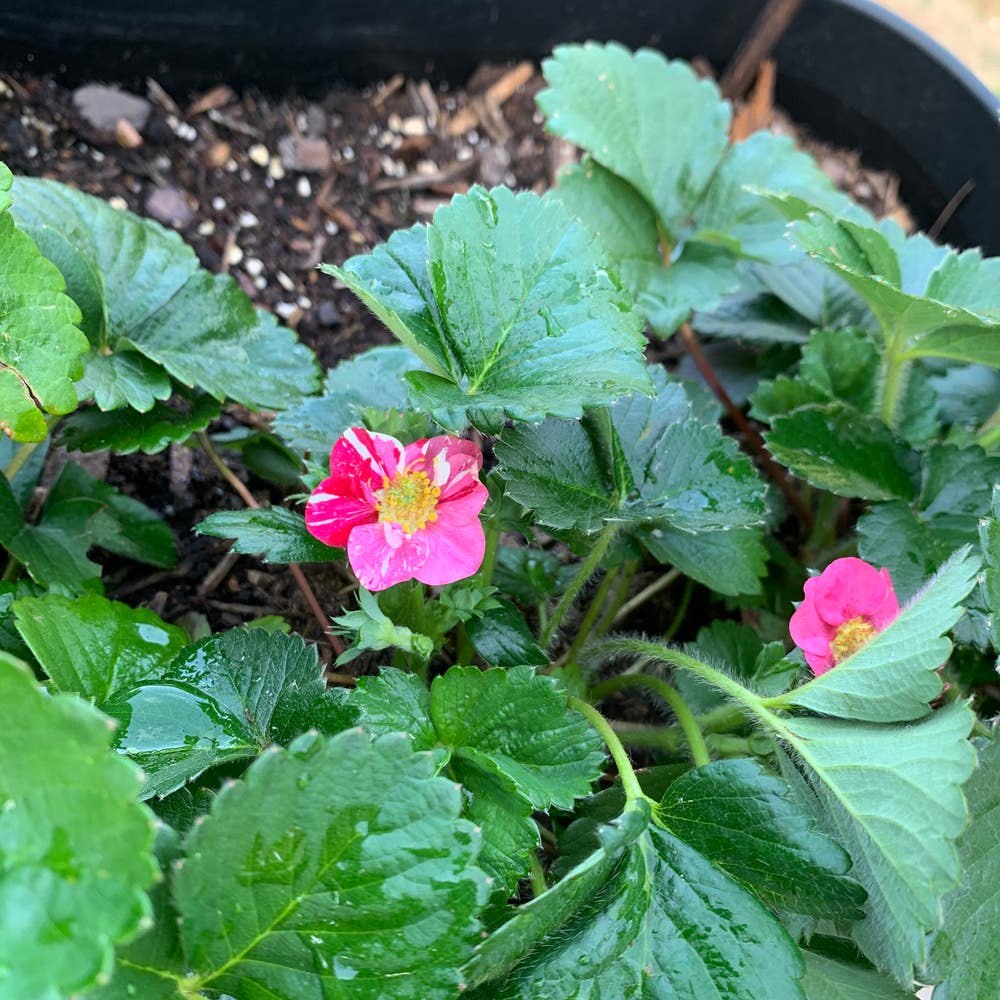
📚 Everything You Need to Know About Potentilla coelestis
Potentilla coelestis
By the Greg Editorial Team
Feb 27, 2025•12 min read
This article was created with the help of AI so we can cover more plants for you. May contain errors. See one? Report it here.
- 🌞 Potentilla coelestis needs 6-8 hours of sunlight daily for optimal growth.
- 🌱 Well-draining, slightly acidic soil is essential for healthy Potentilla coelestis.
- 🐝 This plant attracts pollinators, supporting local ecosystems while thriving in gardens.
How to Grow
🌞 Choosing a Location
Potentilla coelestis thrives in full sun, requiring 6 to 8 hours of sunlight daily. When selecting a spot, consider alpine and subalpine environments, ensuring the area has well-drained soil to prevent root rot.
🏗️ Soil Preparation
For optimal growth, use well-draining sandy loam soil. Aim for a slightly acidic to neutral pH, ideally between 6.0 and 7.0, and enhance drainage by amending the soil with organic matter.
🌱 Planting Techniques
The best time to plant Potentilla coelestis is in early spring or fall. Space the plants 12 to 18 inches apart and ensure the crown is level with the soil surface for healthy growth.
💧 Watering Requirements
Initially, keep the soil consistently moist until the plants are established. During dry spells, water weekly, but reduce frequency in winter to prevent overwatering.
🌿 Fertilizing Schedule
Use a balanced NPK fertilizer to nourish your plants. Fertilize once in early spring and again in mid-summer, watching for signs of nutrient deficiency, such as yellowing leaves.
✂️ Pruning Methods
Prune your Potentilla coelestis in late winter or early spring before new growth begins. Techniques include deadheading spent flowers and removing dead or damaged stems, which promotes plant health and enhances aesthetics.
🌼 Ongoing Care Tips
If growing in containers, ensure they have drainage holes and use a suitable potting mix. Mulching helps retain moisture and suppress weeds, while seasonal care adjustments based on climate will keep your plants thriving.
By following these guidelines, you'll create a flourishing environment for Potentilla coelestis, setting the stage for vibrant blooms and healthy growth. Next, let's explore how to propagate this resilient plant effectively.
Propagation
🌱 Seed Propagation Steps
To propagate Potentilla coelestis from seeds, start by collecting seeds from mature flowers in late summer. After collection, stratify the seeds by providing a cold treatment for 4-6 weeks to enhance germination.
Next, sow the seeds at a depth of 1/4 inch in a seed-starting mix. This method ensures that your seeds have the best chance of sprouting into healthy plants.
✂️ Division of Established Plants
Dividing established plants is another effective propagation method. The best time to do this is in early spring or fall when the plant is not actively growing.
Use a sharp spade or garden fork to carefully lift the plant from the ground. When replanting the divisions, ensure that each piece has both roots and shoots for successful growth.
🌿 Cuttings Method
Taking cuttings is a quick way to propagate Potentilla coelestis. Select healthy stems that are 4-6 inches long for the best results.
Prepare a rooting medium using equal parts peat and perlite to provide excellent drainage. Place the cuttings in this medium and maintain a humid environment, allowing 2-4 weeks for roots to develop.
With these propagation techniques, you can easily expand your Potentilla coelestis collection and enjoy its beauty in your garden. Next, let’s explore the lifecycle of this resilient plant.
Lifecycle
Stages of Growth 🌱
The lifecycle of Potentilla coelestis begins with germination, which takes about 7-14 days under optimal conditions. Following germination, the plant enters the seedling stage, where it develops true leaves, setting the foundation for future growth.
During the vegetative growth phase, the plant focuses on leaf and stem development, preparing for its stunning display of flowers. Flowering typically occurs from late spring to early summer, showcasing bright yellow blooms that attract pollinators.
After the flowering period, the plant shifts to seed production, maturing seeds by late summer. This cycle not only ensures the continuation of the species but also adds beauty to your garden.
Duration Until Maturity ⏳
Potentilla coelestis takes approximately 2 years to reach full maturity. This timeframe allows the plant to establish a robust root system and develop its characteristic growth patterns.
Growth Rate and Lifespan 📈
Expect a moderate growth rate, with established plants growing between 1-2 feet annually. Under optimal conditions, the lifespan of Potentilla coelestis typically ranges from 3 to 5 years, making it a reliable choice for your garden.
As you nurture this resilient plant, you'll witness its growth journey, bringing joy and beauty to your outdoor space. Now that you understand its lifecycle, let’s explore how to propagate Potentilla coelestis effectively.
Size
Mature Dimensions 🌱
Potentilla coelestis typically reaches a mature height of 12 to 18 inches. Its average spread ranges from 18 to 24 inches, making it a compact yet visually appealing addition to any garden.
Growth Rate and Time to Full Size ⏳
This plant takes about 2 to 3 years to reach its full size. Several factors influence its growth rate, including soil quality, sunlight exposure, and water availability.
Size Variability 📏
Drought tolerance can significantly impact the size of Potentilla coelestis. Additionally, whether the plant is grown in containers or directly in the ground can lead to variability in its dimensions.
Understanding these size characteristics helps you plan your garden layout effectively. With the right conditions, you can enjoy the beauty of this resilient plant for years to come.
Roots
Characteristics of the Root System 🌱
Potentilla coelestis features a fibrous root system that is both shallow and extensive. Typically, the roots grow 6-12 inches deep, spreading laterally to support the plant's stability.
Common Root-Related Issues ⚠️
Root rot is a common concern for this plant, often indicated by wilting and yellowing leaves. To prevent this issue, ensure the soil is well-draining and avoid overwatering.
Identifying Healthy vs. Unhealthy Roots 🔍
Healthy roots are firm and exhibit a white or light tan color. In contrast, unhealthy roots appear dark, mushy, or may emit a foul smell, signaling a need for immediate attention.
Recognizing Rootbound Conditions 🪴
If you notice roots growing out of the drainage holes, your plant may be rootbound. The solution is simple: repot into a larger container or divide the plant to encourage healthy growth.
Understanding the root system of Potentilla coelestis is crucial for maintaining its health and vitality. With proper care, you can ensure your plant thrives and flourishes in your garden.
Benefits
Top 5 Benefits 🌟
Drought Tolerance: Once established, Potentilla coelestis thrives with minimal water. This makes it an excellent choice for gardeners looking to conserve resources.
Attractive Ornamental Value: The plant's bright yellow flowers add a vibrant touch to any garden. Their cheerful appearance can uplift the overall aesthetic of your outdoor space.
Erosion Control: Potentilla coelestis is effective at stabilizing soil, particularly in rocky or sloped areas. This natural erosion control helps maintain the integrity of your landscape.
Pollinator-Friendly: This plant attracts essential pollinators like bees and butterflies. By including it in your garden, you contribute to the health of local ecosystems.
Low Maintenance: With minimal care requirements, Potentilla coelestis is perfect for busy gardeners. It offers beauty without demanding too much time or effort.
Cultural Significance 🌍
Potentilla coelestis symbolizes resilience and beauty, thriving in harsh environments. Its use in traditional landscaping, especially in alpine gardens, highlights its adaptability and charm.
Incorporating this plant into your garden not only enhances its beauty but also connects you to a rich cultural heritage of gardening. It's a reminder that even in challenging conditions, life can flourish beautifully.
Companion Plants
🌱 Companion Planting Benefits
Companion planting is a fantastic way to enhance your garden's diversity and improve pest management. By selecting the right plants, you can create a thriving ecosystem that supports your Potentilla coelestis.
🌼 Best Companion Plants
When it comes to suitable companions, consider planting sedums, alpine asters, and other drought-tolerant perennials. These plants thrive under similar conditions, sharing water and sunlight needs, which helps create a harmonious garden environment.
🚫 Plants to Avoid
On the flip side, steer clear of heavy feeders like hostas that require more water. These plants can compete with Potentilla coelestis for resources, leading to stress and reduced growth.
By choosing the right companions, you not only enhance the beauty of your garden but also promote the health of your Potentilla coelestis. Next, let’s explore the potential toxicity of this plant to humans and pets.
Toxicity to Humans
Safety Overview 🛡️
Potentilla coelestis is not listed as toxic by major poison control centers, making it a safe choice for gardens. You can handle or even ingest small amounts without significant risk.
Possible Reactions 🤔
While generally safe, some individuals may experience mild skin irritation or digestive discomfort if they consume excessive quantities.
Best Practices 📝
It's always wise to exercise caution. If you notice any unusual symptoms after handling or consuming the plant, seek medical advice promptly.
This plant can enhance your garden without the worry of toxicity, allowing you to enjoy its beauty and benefits fully. Next, let’s explore how Potentilla coelestis interacts with our furry friends.
Toxicity to Dogs
Safety Overview 🐶
Potentilla coelestis is not listed as toxic by major pet poison control centers. This means that, generally speaking, it poses minimal risk to your furry friends.
Potential Effects 🤢
While the plant is safe, consuming large quantities could lead to mild gastrointestinal upset. It's always a good idea to keep an eye on your dog’s behavior around new plants.
Placement and Monitoring 🏡
To ensure safety, place Potentilla coelestis out of reach of curious dogs. Regularly monitor your pet for any unusual behavior, especially when introducing new plants to your garden.
Conclusion ✅
With proper precautions, you can enjoy the beauty of Potentilla coelestis without worrying about your dog's health. Next, let’s explore how this plant interacts with our feline friends.
Toxicity to Cats
Safety Overview 🐱
Potentilla coelestis is not listed as toxic by major pet poison control centers. This means that, in general, it poses minimal risk to cats.
However, if ingested in large quantities, it may cause mild gastrointestinal upset.
Placement and Monitoring 👀
To ensure safety, keep this plant out of reach of curious cats.
It's also wise to monitor your cat's behavior around new plants, just to be cautious.
Conclusion 🏡
Overall, Potentilla coelestis can be a beautiful addition to your garden without significant concerns for your feline friends.
Next, let's explore the potential problems that might arise when growing this resilient plant.
Problems
Common Problems 🌱
Growing Potentilla coelestis can be rewarding, but it’s not without its challenges. Here are some common problems you might encounter:
Incorrect Watering
Watering issues are the most frequent culprits. Overwatering leads to yellowing leaves, while underwatering causes wilting.
Incorrect Light Conditions
Light conditions can also affect your plant's health. Insufficient light results in leggy growth, where the stems stretch out in search of sunlight.
Diseases
Fungal diseases like powdery mildew and rust can plague your plants. These issues often arise in humid conditions or when air circulation is poor.
Root Problems
Root health is crucial for overall plant vitality. Symptoms of root rot include mushy roots and wilting, indicating that your plant is struggling.
Leaf Issues
Leaf problems can manifest as scorching or yellowing. These symptoms often signal stress from environmental factors or nutrient deficiencies.
Symptoms and Solutions 🛠️
Identifying the root cause of your plant's issues is the first step to recovery. Here’s how to tackle each problem effectively:
Watering Issues
- Overwatering: If you notice yellow leaves, reduce watering and ensure proper drainage.
- Underwatering: Wilting leaves indicate thirst; increase your watering frequency.
Light Conditions
- Leggy Growth: Move your plant to a sunnier spot to encourage bushier growth.
Fungal Diseases
- Powdery Mildew: Improve air circulation and apply a fungicide if necessary.
- Rust: Remove affected leaves and ensure your plant has adequate spacing.
Root Problems
- Root Rot: Check for mushy roots and repot in fresh, well-draining soil.
Leaf Issues
- Scorching: Provide some shade during the hottest part of the day.
- Yellowing: Assess your fertilization routine; a balanced fertilizer may be needed.
By recognizing these symptoms and implementing the suggested solutions, you can help your Potentilla coelestis thrive. Remember, attentive care and timely intervention are key to maintaining a healthy garden.
Next, let’s explore the fascinating world of pests that might affect your plants.
Bugs
🐜 Potential Pest Issues
Potentilla coelestis, while generally resilient, can still fall prey to various pests. Understanding their resistance and susceptibility is key to maintaining a healthy plant.
🔍 Identification and Damage
Spider Mites
Look for fine webbing on the leaves and stippled damage. These tiny pests thrive in dry conditions and can quickly multiply.
Aphids
These small, soft-bodied insects cause curling leaves and leave behind a sticky residue known as honeydew. Their rapid reproduction can lead to significant infestations.
Mealybugs
Identifiable by their cotton-like masses on stems, mealybugs can weaken your plant by sucking its sap. They often hide in leaf axils, making them tricky to spot.
🛠️ Treatment Options
For spider mites, consider introducing natural predators like ladybugs or using insecticidal soap. Regularly misting your plants can also help deter these pests.
Aphids can be controlled with neem oil or insecticidal soap. For severe infestations, a strong jet of water can dislodge them from the plant.
Mealybugs may require a more hands-on approach. Dab them with a cotton swab dipped in alcohol to eliminate them directly. For larger infestations, systemic insecticides may be necessary.
By staying vigilant and addressing these pest issues promptly, you can keep your Potentilla coelestis thriving and beautiful. Next, let’s explore what animals might be interested in munching on your plants.
What Eats
🦌 Common Animals
Potentilla coelestis can attract a variety of garden visitors.
- Deer: Look for signs of browsing, such as ragged edges on leaves and stripped stems.
- Rabbits: Chewed stems and leaves are telltale signs of their nibbling habits.
- Squirrels: These critters may dig around the base of the plant, disrupting the soil.
🚨 Signs of Damage
Identifying damage early can save your plants.
- Tracks: Look for footprints around your garden.
- Droppings: Animal droppings can indicate which creatures are visiting.
- Feeding Patterns: Notice any unusual patterns of damage on your plants.
🛡️ Deterrent Methods
Protecting your Potentilla coelestis is essential for its health.
- Chemical Repellents: Consider using sprays designed to deter animals.
- Organic Solutions: Garlic spray can be effective and is safe for the environment.
- Physical Barriers: Fencing or netting can keep larger animals at bay.
By being proactive, you can enjoy the beauty of Potentilla coelestis without the worry of unwanted munchers. Next, let’s explore the common problems that can affect this resilient plant.
⚠️ Safety First
This content is for general information and may contain errors, omissions, or outdated details. It is not medical, veterinary advice, or an endorsement of therapeutic claims.
Always consult a qualified healthcare professional before using any plant as food, medicine, or supplement.
Never eat any plant (or feed one to pets) without confirming its identity with at least two trusted sources.
If you suspect poisoning, call Poison Control (800) 222-1222, the Pet Poison Helpline (800) 213-6680, or your local emergency service immediately.
Spotted an error? Please report it here.
Unlock the secret to a blooming garden 🌼 with Greg's tailored care tips and reminders, ensuring your Potentilla coelestis thrives while attracting beautiful pollinators!