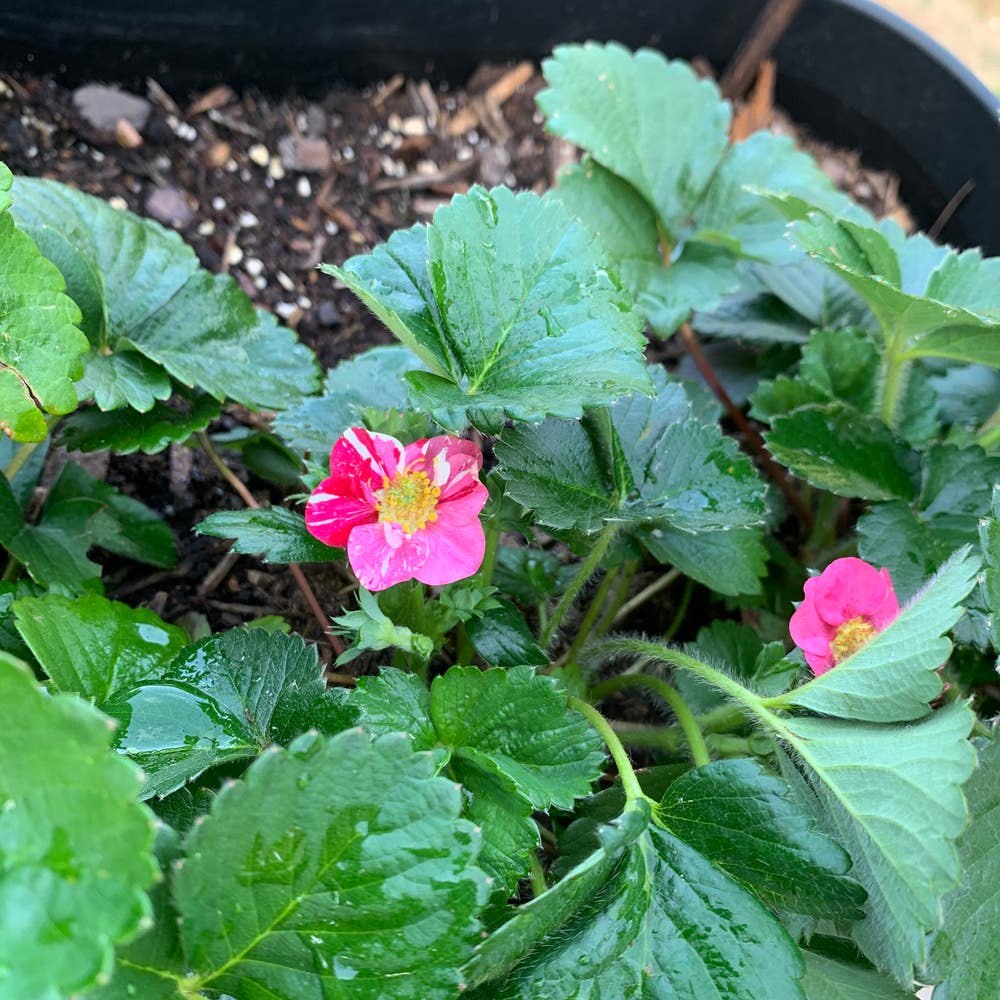
Overview of Potentilla brachypetala 🌼
Potentilla brachypetala
By the Greg Editorial Team
Feb 27, 2025•12 min read
This article was created with the help of AI so we can cover more plants for you. May contain errors. See one? Report it here.
- 🌞 Potentilla brachypetala needs 6-8 hours of sunlight for optimal growth and blooms.
- 🌱 Well-drained, sandy soil is crucial to prevent root rot; amend heavy soils.
- 💧 Water weekly during dry spells and adjust based on plant's needs for health.
How to Grow
Choosing a Location 🌞
Potentilla brachypetala thrives in full sun, requiring 6-8 hours of sunlight daily. This exposure is crucial for vibrant blooms and healthy growth.
Well-drained soil is essential for maintaining root health. Poor drainage can lead to root rot, so ensure your planting area allows excess water to escape.
Soil Preparation 🏜️
This plant prefers sandy or rocky soils, which provide the right texture for drainage. If your soil is too heavy, consider amending it to improve aeration.
Aim for a soil pH between 6.0 and 7.0, slightly acidic to neutral. Testing your soil can help you achieve the ideal conditions for growth.
Planting Techniques 🌱
When planting, dig holes 1-2 inches deep. This depth allows the roots to establish without being buried too deeply.
Space your plants 12-18 inches apart to promote airflow and prevent overcrowding. This spacing encourages healthy growth and flowering.
Watering Requirements 🚰
During dry spells, water your Potentilla brachypetala weekly. Consistent moisture is key, especially in the early stages of growth.
Watch for signs of overwatering, such as yellowing leaves, or underwatering, indicated by wilting. Adjust your watering schedule accordingly to keep your plants thriving.
Fertilizing Guidelines 🍽️
Light feeding in early spring helps kickstart growth. Use a balanced NPK fertilizer to provide essential nutrients.
Avoid over-fertilizing, as this can lead to excessive foliage at the expense of blooms. A little goes a long way with this hardy plant.
Pruning Methods ✂️
Prune in late winter or early spring, just before new growth begins. This timing ensures that your plant remains healthy and bushy.
Techniques like deadheading spent flowers encourage more blooms. Shaping the plant can also enhance its overall appearance.
Ongoing Care Tips 🛡️
Mulching is beneficial for moisture retention and weed suppression. A layer of organic mulch can help maintain consistent soil moisture.
Regularly monitor your plants for pests and diseases. Early detection can prevent larger issues down the line.
Outdoor vs. Container Growing 🏡
If growing in containers, choose pots with adequate size and drainage holes. This ensures that the roots have enough space to grow without becoming waterlogged.
For outdoor care, adapt your approach based on local conditions. Potentilla brachypetala is versatile, thriving in various garden settings with proper care.
With these guidelines, you'll be well on your way to cultivating a flourishing Potentilla brachypetala garden. Next, let's explore propagation methods to expand your collection!
Propagation
🌱 Seed Propagation
To propagate Potentilla brachypetala from seeds, start with stratification. This process mimics natural winter conditions, enhancing germination rates.
Sow the seeds at a depth of 1/4 inch in well-draining soil. Keep the soil moist but not soggy for optimal results.
✂️ Cutting Propagation
For cutting propagation, select healthy cuttings that are 4-6 inches long. This ensures you’re starting with robust plant material.
Use a well-draining rooting medium, such as a mix of perlite and peat. This combination promotes healthy root development.
🌿 Division Propagation
Timing is crucial for division propagation; aim for early spring or fall. This allows the plant to recover and establish itself before extreme weather sets in.
Carefully separate the root clumps, ensuring each division has healthy roots. This method can rejuvenate older plants and increase your garden's stock.
With these propagation techniques, you can easily expand your Potentilla brachypetala collection and enjoy its vibrant blooms in various spots around your garden. Next, let’s explore the lifecycle of this resilient perennial.
Lifecycle
Lifecycle Stages 🌱
Potentilla brachypetala is a perennial plant, meaning it lives for multiple years, cycling through growth stages each season. Its lifespan allows it to establish a robust presence in gardens, contributing to long-term beauty and stability.
Germination Process 🌱
Under optimal conditions, seeds typically germinate within 2-3 weeks. This quick turnaround is crucial for gardeners looking to establish new plants efficiently.
Seedling Stage 🌱
During the seedling stage, the plant develops its first true leaves and establishes its root system. This early growth is vital for ensuring a strong foundation for future development.
Vegetative Growth 🌱
As Potentilla brachypetala enters vegetative growth, it forms dense mats of foliage. This growth habit not only enhances its aesthetic appeal but also helps suppress weeds.
Flowering Phase 🌼
The flowering phase occurs from late spring to early summer, showcasing bright yellow flowers. This vibrant display attracts pollinators, adding life to your garden.
Seed Production 🌱
After flowering, the plant begins seed formation, which is essential for propagation. Timing is key; seeds should be collected once they are mature to ensure successful planting.
Growth Timeline and Speed ⏳
Potentilla brachypetala takes approximately two years to reach maturity. Its moderate growth rate varies seasonally, influenced by environmental conditions and care practices.
This lifecycle overview highlights the resilience and adaptability of Potentilla brachypetala, making it a rewarding choice for gardeners. As we move forward, let’s explore how to effectively propagate this versatile plant.
Size
Mature Height and Spread 🌱
Potentilla brachypetala typically reaches a height of 6 to 12 inches. Its spread can extend from 12 to 24 inches, creating dense mats that enhance garden aesthetics.
Growth Rate 📈
This plant exhibits a moderate growth rate, influenced by several factors. Soil quality, sunlight exposure, and water availability all play crucial roles in determining how quickly it flourishes.
Size Variability 📏
The size of Potentilla brachypetala can vary significantly based on environmental conditions. Optimal soil conditions and adequate sunlight can lead to more robust growth, while poor drainage or insufficient light may stunt its development.
Understanding these size characteristics can help you plan your garden layout effectively. With the right care, this resilient plant can thrive and bring vibrant color to your outdoor space.
Next, let’s explore the fascinating lifecycle of Potentilla brachypetala and how it progresses through various stages.
Roots
🌱 Root System Characteristics
Potentilla brachypetala features a fibrous root system that is essential for its stability. This shallow yet extensive root network allows the plant to efficiently absorb nutrients and water from the soil.
⚠️ Common Root-Related Issues
One of the most common problems faced by this plant is root rot, which can occur due to overwatering or poorly drained soil. Signs of root rot include wilting leaves and a foul smell emanating from the soil, making it crucial to monitor moisture levels closely.
🔍 Identifying Healthy vs. Unhealthy Roots
Healthy roots are typically firm and white, indicating good vitality. In contrast, mushy, brown roots signal distress and potential rot, requiring immediate attention to prevent further damage.
🌿 Recognizing Rootbound Plants
Rootbound plants exhibit symptoms like stunted growth and roots that circle the pot. If you notice these signs, it's time to consider repotting or root pruning to encourage healthier growth and expansion.
Understanding the root system of Potentilla brachypetala is vital for its overall health and longevity. By addressing root-related issues promptly, you can ensure your plant thrives beautifully in your garden.
Benefits
Potentilla brachypetala offers a range of advantages that make it a fantastic addition to any garden. Here are the top five benefits that highlight its appeal.
🌼 Attracts Pollinators
One of the standout features of Potentilla brachypetala is its ability to attract pollinators. The bright yellow flowers draw in bees and butterflies, enhancing garden biodiversity and supporting local ecosystems.
💧 Drought Tolerance
This plant is a champion when it comes to drought tolerance. With low water requirements, it thrives in dry conditions, making it an excellent choice for water-wise gardening.
🌍 Erosion Control
Potentilla brachypetala plays a crucial role in soil stabilization. Its dense growth helps control erosion, especially in challenging environments, protecting your garden from soil loss.
🎨 Aesthetic Appeal
The vibrant yellow flowers of Potentilla brachypetala add a splash of color to any landscape. Their cheerful blooms brighten up garden spaces, creating a visually appealing environment.
🧹 Low Maintenance
For busy gardeners, this plant is a dream come true. Potentilla brachypetala requires minimal care, allowing you to enjoy a beautiful garden without the hassle of constant upkeep.
Incorporating Potentilla brachypetala into your garden not only enhances its beauty but also contributes positively to the environment. Next, let’s explore the concept of companion planting and how it can further benefit your gardening efforts.
Companion Plants
🌱 Concept of Companion Planting
Companion planting is a gardening strategy that involves growing different plants together for mutual benefits. This practice can enhance growth, improve pest management, and create a healthier garden ecosystem.
🌼 Best Companion Plants
When it comes to Potentilla brachypetala, some excellent companions include:
- Lavender: Its fragrant blooms attract pollinators while deterring pests.
- Sedum: This drought-tolerant plant complements Potentilla's low water needs.
- Other drought-tolerant plants: Consider adding herbs like thyme or oregano for added benefits.
These plants not only thrive alongside Potentilla but also contribute to a vibrant garden.
🚫 Plants to Avoid
While many plants can thrive with Potentilla, some should be avoided. Heavy feeders, such as tomatoes or corn, can compete for nutrients, while plants requiring high moisture, like ferns, may lead to overwatering issues.
Choosing the right companions can make a significant difference in your garden's health and productivity. By understanding these relationships, you can create a flourishing environment for Potentilla brachypetala and its companions.
Next, let's explore the potential toxicity of Potentilla brachypetala to humans and pets.
Toxicity to Humans
Safety Overview 🌿
Potentilla brachypetala is generally safe for humans. Major poison control centers do not list it as toxic, making it a worry-free addition to your garden.
Potential Minor Issues ⚠️
While serious toxicity is not a concern, consuming large quantities may lead to mild skin irritation or digestive discomfort. It's always wise to enjoy plants in moderation.
Cautionary Advice 👀
Keep an eye out for any unusual symptoms after contact or consumption. Monitoring your body's reactions ensures a safe and enjoyable gardening experience.
Toxicity to Dogs
🛡️ Safety Overview
Potentilla brachypetala is not listed as toxic by major pet poison control centers. This means you can enjoy its beauty without worrying about your furry friends getting sick.
⚠️ Potential Minor Issues
While generally safe, excessive consumption may lead to mild gastrointestinal upset in dogs. It's always best to monitor your pet's behavior around new plants.
🏡 Tips for Introducing to Homes
When introducing Potentilla brachypetala to your home, consider its placement carefully. Keep it out of reach of curious dogs and observe their behavior to ensure they don’t nibble on the leaves.
This way, you can enjoy the vibrant blooms while keeping your canine companions safe.
Toxicity to Cats
Safety Overview 🐱
Potentilla brachypetala is not listed as toxic by major pet poison control centers. This means you can enjoy its beauty without worrying about your feline friends.
Potential Minor Issues 🤢
While generally safe, excessive consumption may lead to mild gastrointestinal upset in cats. It's always good to keep an eye on your pet's behavior after they nibble on any plant.
Tips for Introducing to Homes 🏡
When introducing Potentilla brachypetala to your home, consider its placement carefully. Monitor your cat's behavior around the plant to ensure they don't overindulge.
As you enjoy the vibrant blooms of this hardy perennial, rest assured that your furry companions can coexist safely with it. Now, let’s explore the common problems that might arise when growing this delightful plant.
Problems
🌱 Common Problems
Growing Potentilla brachypetala can be rewarding, but it’s not without its challenges. Understanding these common problems will help you keep your plants healthy and thriving.
💧 Incorrect Watering
Watering is crucial for your plant's health. Overwatering can lead to root rot, while underwatering may cause wilting and stress.
- Signs of Overwatering: Yellowing leaves, mushy roots, and a foul smell from the soil.
- Signs of Underwatering: Dry, crispy leaves and drooping stems.
💡 Incorrect Light Conditions
Light is essential for growth. Insufficient light can stunt your plant's development and lead to leggy growth.
- Symptoms of Insufficient Light: Pale leaves, elongated stems, and sparse foliage.
🌡️ Incorrect Temperature
Temperature extremes can adversely affect Potentilla brachypetala.
- Effects of Extreme Temperatures: Frost damage in cold weather and wilting in excessive heat can hinder growth.
🦠 Diseases
Fungal diseases can pose a threat to your plants.
- Common Issues: Powdery mildew and rust can develop in humid conditions, leading to unsightly foliage.
🍃 Leaf Issues
Leaf problems can signal underlying issues.
- Scorching: Caused by too much direct sunlight.
- Yellowing: Often a sign of nutrient deficiencies or overwatering.
- Fuzzy Growth: Indicates potential fungal infections.
By being aware of these common problems, you can take proactive steps to ensure your Potentilla brachypetala remains healthy and vibrant. Next, let’s explore the potential pest issues that could affect your plant.
Bugs
🐛 Potential Pest Issues
When growing Potentilla brachypetala, it's essential to be aware of potential pest issues. While this plant exhibits some resistance to pests, it can still fall victim to common nuisances.
🔍 Identification of Pests
Common pests that may target your Potentilla include spider mites, aphids, and mealybugs. Each of these pests can cause significant damage if not identified and managed promptly.
⚠️ Damage Caused by Pests
Symptoms of pest damage vary. Spider mites often leave fine webbing and cause yellowing leaves, while aphids can lead to distorted growth and sticky residue. Mealybugs appear as white, cottony masses on stems and leaves, indicating a serious infestation.
🧼 Treatment Options
Effective pest control starts with early detection. You can manage these pests using insecticidal soap or neem oil, both of which are effective and environmentally friendly. Regular monitoring and maintaining plant health will also help keep these pests at bay.
By staying vigilant and proactive, you can ensure your Potentilla thrives without the interference of unwanted bugs. Next, let’s explore what animals might be lurking around your garden, looking to munch on your beautiful plants.
What Eats
🦌 Common Animals
Potentilla brachypetala can attract a variety of hungry critters. The most common culprits include deer, rabbits, and squirrels, all of which may find your vibrant plants irresistible.
🕵️♂️ Signs of Animal Presence
To identify if animals are munching on your plants, look for specific signs. Tracks, droppings, and damaged foliage are clear indicators that your garden has become a buffet for local wildlife.
⚠️ Types of Damage
Damage from these animals can vary. You might notice chewed leaves, stripped stems, or even entire plants uprooted, leaving a trail of destruction in their wake.
🚫 Deterrent Methods
To protect your plants, consider both chemical and organic deterrent methods. Options like repellents, fencing, or planting companion plants can help keep these hungry visitors at bay while maintaining the beauty of your garden.
By staying vigilant and employing effective strategies, you can enjoy your Potentilla brachypetala without the worry of unwanted nibblers.
⚠️ Safety First
This content is for general information and may contain errors, omissions, or outdated details. It is not medical, veterinary advice, or an endorsement of therapeutic claims.
Always consult a qualified healthcare professional before using any plant as food, medicine, or supplement.
Never eat any plant (or feed one to pets) without confirming its identity with at least two trusted sources.
If you suspect poisoning, call Poison Control (800) 222-1222, the Pet Poison Helpline (800) 213-6680, or your local emergency service immediately.
Spotted an error? Please report it here.
Cultivate a thriving garden 🌼 with Potentilla brachypetala by using Greg's tailored care reminders and community support to ensure your plants get the sunlight, soil, and watering they need to flourish!